

Working in veterinary medicine fundamentally changes how you view everyday pet care. When you spend your days treating preventable emergencies and managing chronic illnesses, you develop a strict list of practices to avoid. Protecting your dog’s health does not require complicated routines; it requires recognizing hidden risks. From the gear you choose for daily walks to how you handle preventive medicine, your choices compound over time. By eliminating ten specific habits, you protect your dog from unexpected dangers, prevent catastrophic accidents, and dramatically increase your chances of enjoying a long, vibrant life together. These are the exact boundaries I maintain with my own dog to ensure their lifelong safety, comfort, and well-being.
Monitoring subtle body changes in dogs is an essential part of being an attentive owner.
Preventive Health Mistakes
1. Skip Year-Round Parasite Prevention
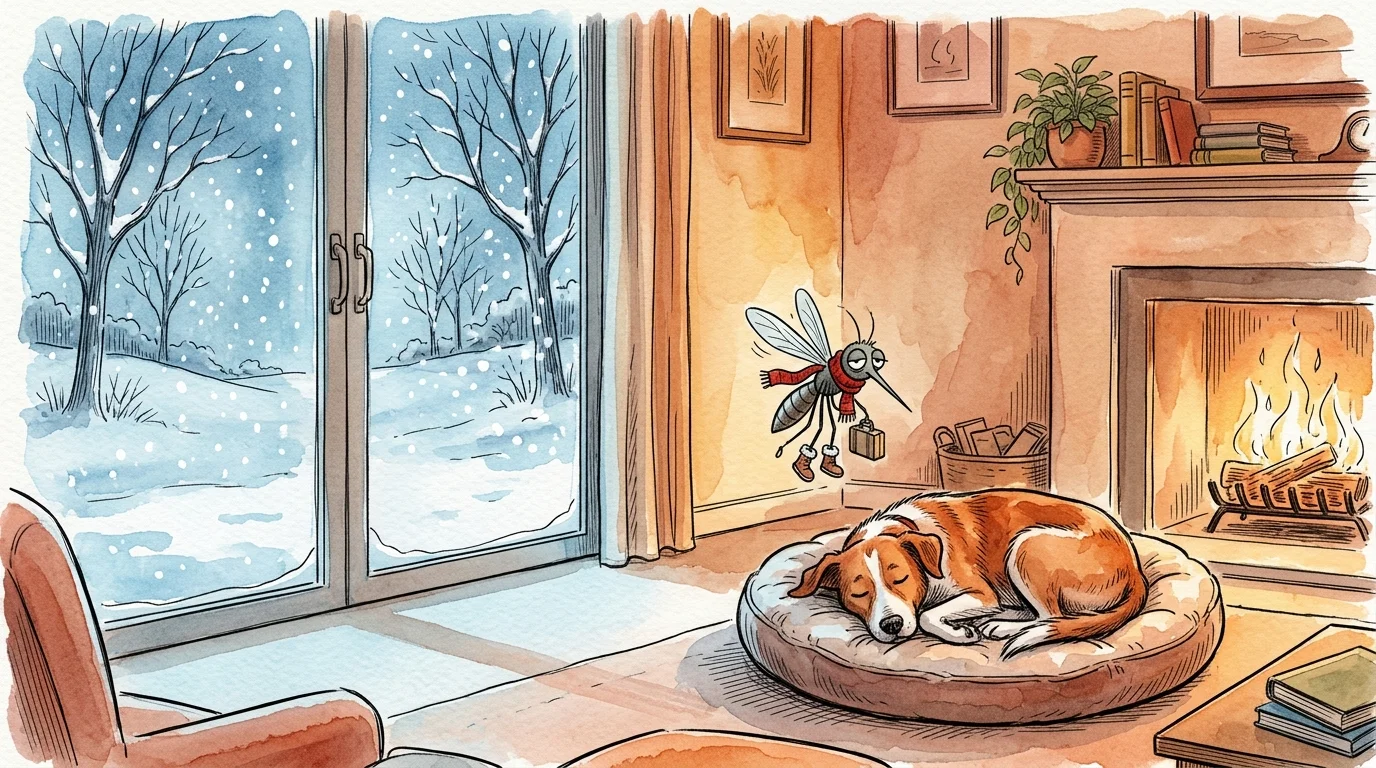
Parasite prevention is one of the easiest and most affordable aspects of pet care, yet skipping it leads to some of the most devastating diseases we see in veterinary clinics. Heartworm disease is transmitted by mosquitoes, and it only takes a single bite from an infected mosquito to pass the larvae into your dog’s bloodstream. Many owners falsely assume that indoor dogs or dogs living in colder climates are safe. Mosquitoes easily find their way indoors, and climate shifts have made winter transmission increasingly common.
If you are unsure which preventative products are best suited for your geographic location, consult with a professional and learn how to choose a veterinarian who prioritizes tailored preventative care.
Treating heartworm disease is incredibly harsh on a dog’s body. The medical protocol involves injecting an arsenic-based compound deep into the muscle to kill the adult worms living in the heart and pulmonary arteries. During the months-long recovery, your dog must remain on strict cage rest, as an elevated heart rate can cause dead worms to break loose and create fatal blockages in the lungs. Contrast this agonizing, expensive treatment with a simple, affordable monthly chew or topical application. Fleas and ticks also carry dangerous pathogens, including Lyme disease and Ehrlichia, which can cause chronic joint pain and kidney damage. I always keep my dog on a veterinarian-recommended, year-round broad-spectrum preventative.
2. Dismiss Behavior Changes as “Just Old Age”
Aging itself is not a disease. When a senior dog begins slowing down, sleeping more, hesitating before jumping onto the couch, or acting grumpy, they are almost always experiencing underlying pain or metabolic changes. Dismissing these signs as an inevitable part of getting older guarantees your dog will suffer in silence.
Adapting your daily routine to accommodate physical limitations is a key pillar of senior dog care that promotes comfort and happiness.
Dogs instinctively hide their discomfort. By the time you notice them limping or refusing walks, they have likely been masking joint pain from osteoarthritis for months. Today, veterinary medicine offers incredible tools to manage senior dog discomfort, from advanced non-steroidal anti-inflammatory drugs (NSAIDs) to monoclonal antibody injections that specifically target arthritis pain pathways. Additionally, changes in behavior such as pacing at night, staring at walls, or having indoor accidents can signal cognitive dysfunction—essentially canine dementia—or metabolic issues like kidney disease and diabetes. Instead of writing off these changes, schedule a comprehensive senior blood panel and physical exam. Early intervention significantly extends both the length and quality of your dog’s senior years.
Dietary and Dental Dangers
3. Feed Unregulated Boutique or Grain-Free Diets
The pet food industry is heavily driven by marketing rather than science. Walk into any pet store, and you will see bags plastered with buzzwords like “ancestral,” “wild,” and “human-grade.” Many well-meaning owners fall into the trap of purchasing boutique, exotic-protein, or grain-free (BEG) diets, believing they are offering their dog superior nutrition.
In addition to avoiding problematic kibble formulations, make sure you are aware of common dangerous human foods that should never find their way into your dog’s bowl.
Over the past few years, veterinary cardiologists have observed a disturbing spike in diet-associated dilated cardiomyopathy (DCM)—a fatal heart condition—in breeds not genetically predisposed to the disease. The common link frequently points back to boutique diets and grain-free formulas that rely heavily on legumes like peas, lentils, and chickpeas in place of traditional grains. These formulations can interfere with how a dog synthesizes essential amino acids like taurine. I exclusively feed my dog diets formulated by companies that employ full-time, board-certified veterinary nutritionists, conduct rigorous feeding trials, and adhere strictly to global nutritional guidelines. I ignore the flashy marketing and stick to the science.
4. Ignore Daily Dental Hygiene
Periodontal disease is the most common clinical condition occurring in adult dogs, and it is entirely preventable. Ignoring your dog’s teeth does much more than cause bad breath. As plaque hardens into calculus along the gumline, it creates deep pockets of infection. Every time your dog chews, this festering bacteria is pushed directly into their bloodstream, where it circulates and causes microscopic damage to the heart valves, liver, and kidneys.
“Consistent dental care is not just about saving teeth; it is a critical component of preventive medicine that can extend a dog’s life by preventing systemic organ damage.” — Veterinary Dental Guidelines
Brushing your dog’s teeth daily using a pet-safe enzymatic toothpaste is the gold standard of care. If your dog resists brushing initially, you must slowly counter-condition them by letting them lick the toothpaste off your finger and gradually introducing a soft-bristled brush. Below is a breakdown of dental care methods and their actual effectiveness:
| Dental Care Method | Effectiveness | Veterinary Recommendation |
|---|---|---|
| Daily Brushing | Highest | The absolute gold standard for removing daily plaque before it mineralizes. |
| VOHC-Approved Dental Chews | Moderate | Excellent supplement to brushing. Look for the Veterinary Oral Health Council seal. |
| Water Additives | Low to Moderate | Helpful for reducing bacterial load and freshening breath, but provides no mechanical scrubbing. |
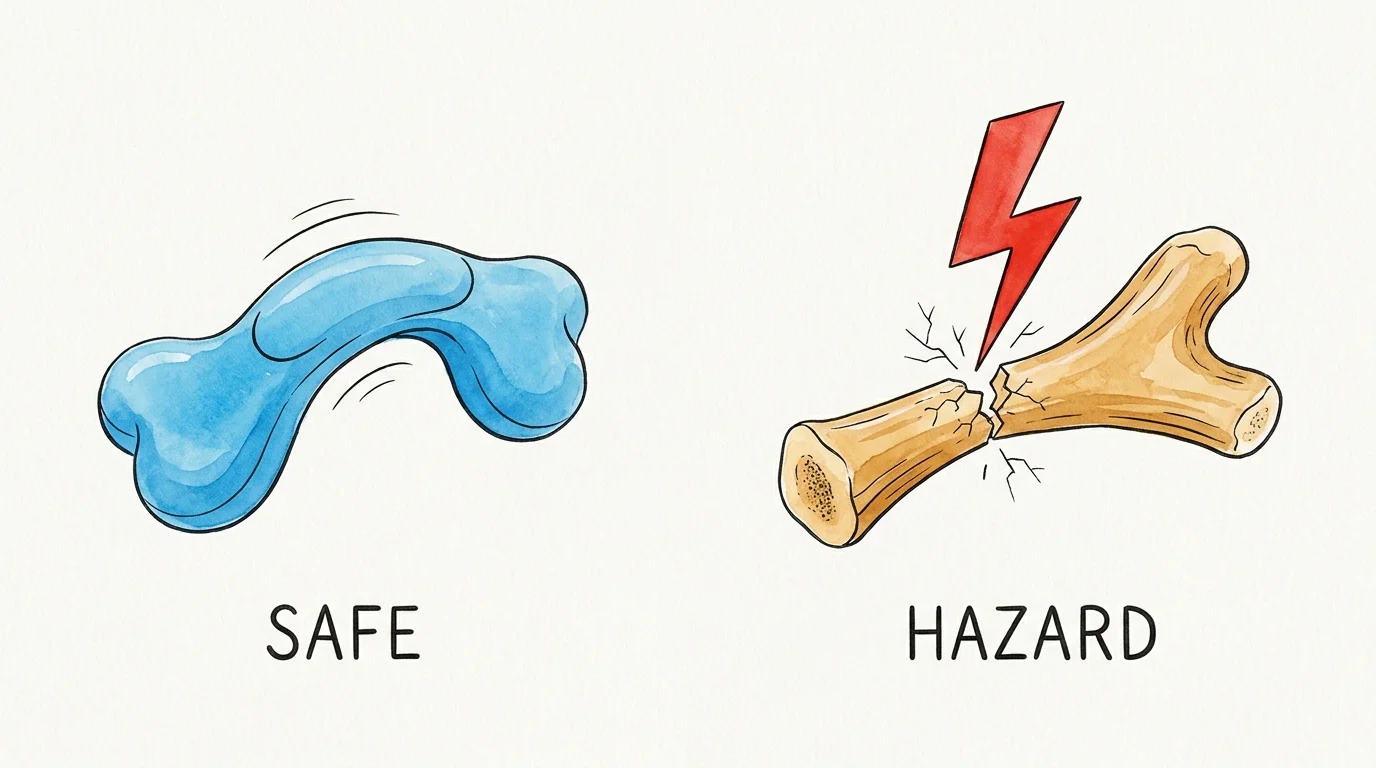
| Hard Antlers & Synthetic Bones | Dangerous | Avoid completely. These routinely cause painful slab fractures of the heavy chewing teeth. |
Medication Hazards
5. Administer Over-the-Counter Human Medications
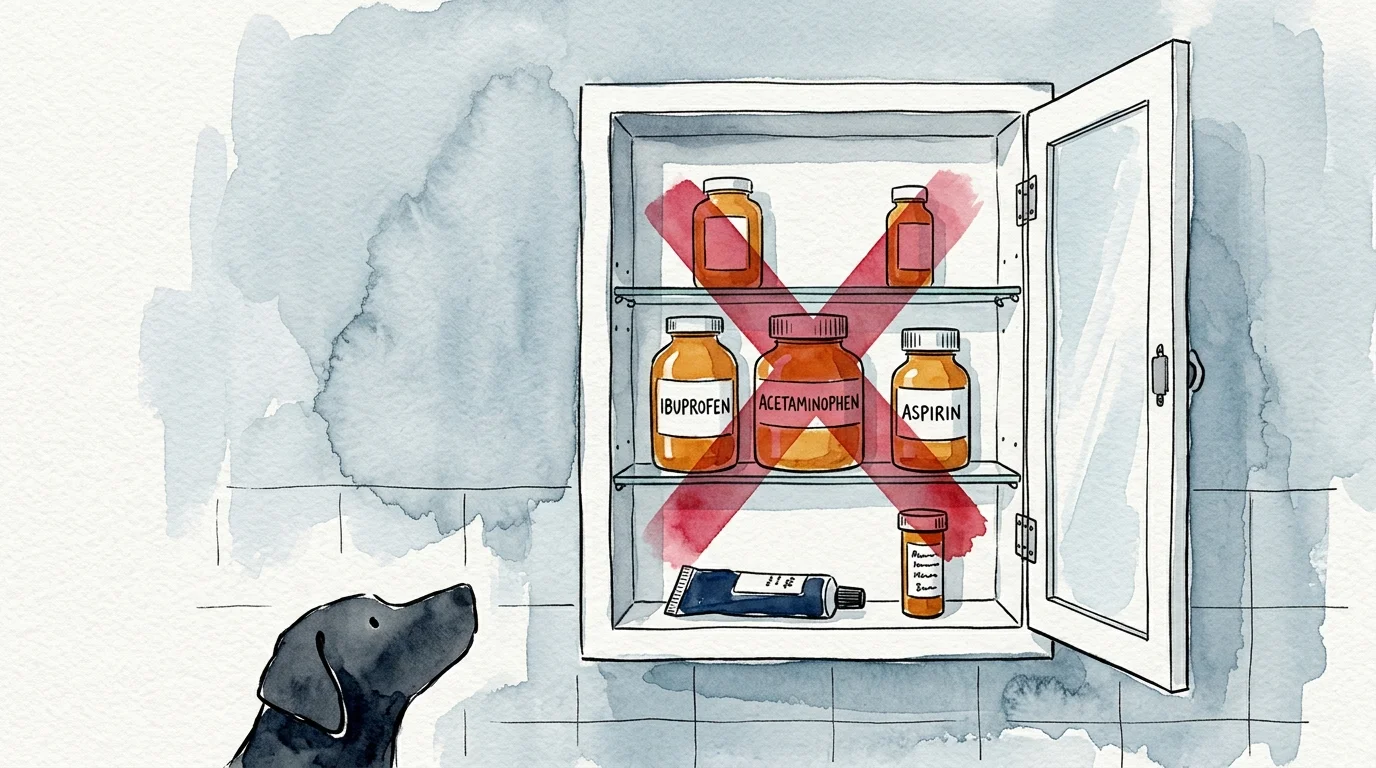
Never assume that a medication safe for you is safe for your dog. A dog’s liver and kidneys metabolize drugs completely differently than a human’s system does. One of the most heartbreaking emergencies a veterinarian faces is treating a dog whose owner tried to alleviate their pain with common household painkillers.
While it can be tempting to self-prescribe, learning how to give your dog medication safely under veterinary guidance is vital for their recovery.
According to the ASPCA Animal Poison Control Center, human medications are consistently a leading cause of pet toxicity. Ibuprofen and naproxen cause severe gastric ulcers and acute kidney failure in dogs, even in tiny doses. Acetaminophen (Tylenol) causes irreversible damage to their red blood cells, preventing their blood from carrying oxygen, and leads to massive liver failure. Even over-the-counter stomach remedies containing bismuth subsalicylate can be dangerous without precise veterinary dosing. If your dog is in pain or suffering from mild gastrointestinal upset, call your veterinarian. We have safe, highly effective, dog-specific medications designed specifically for their physiology.

Travel and Vehicle Safety
6. Let My Dog Ride Loose in the Car
We all love the image of a happy dog riding shotgun with their head out the window, ears flapping in the breeze. However, from a medical and safety standpoint, an unrestrained dog in a vehicle is incredibly dangerous. In the event of a sudden stop or a collision, an unrestrained dog becomes a high-velocity projectile. A 50-pound dog in a crash at just 30 miles per hour exerts roughly 1,500 pounds of force. This is lethal to the dog and poses a catastrophic risk to human passengers.
Furthermore, a loose dog can cause accidents by climbing into the driver’s lap, blocking the brake pedal, or distracting the driver. I always secure my dog using a crash-tested safety harness attached directly to the seatbelt system, or I place them in a heavy-duty, crash-tested travel crate anchored to the vehicle’s cargo area. Securing your dog also prevents them from bolting out of a broken window into traffic immediately following a traumatic accident.
7. Leave My Dog Unattended in a Vehicle
Veterinarians treat heatstroke every single summer, and the cases are almost always fatal or require days of intensive care involving plasma transfusions and oxygen therapy. The temperature inside a car skyrockets much faster than most people realize. Even on a mild 70-degree day, the interior of a vehicle can reach 100 degrees in just 20 minutes. Parking in the shade or leaving the windows cracked provides negligible temperature regulation and does not protect your dog.
Conversely, managing freezing temperatures presents its own challenges, making proper winter dog care equally vital during the colder months.
Understanding the essentials of summer dog care can help you identify heat risks before they become life-threatening.
Dogs cannot sweat like humans; they cool themselves primarily by panting. Panting requires drawing in cool ambient air to exchange heat across the mucous membranes of their mouth and lungs. When the air inside a car becomes superheated, panting loses all effectiveness. As their core body temperature rises past 105 degrees, the proteins in their cells begin to break down, leading to rapid organ failure and a condition called disseminated intravascular coagulation, where the blood simultaneously clots and bleeds out. If I cannot bring my dog inside a building with me, they stay safe and cool at home.
Walking and Restraint Tools
8. Use a Retractable Leash in Public Spaces
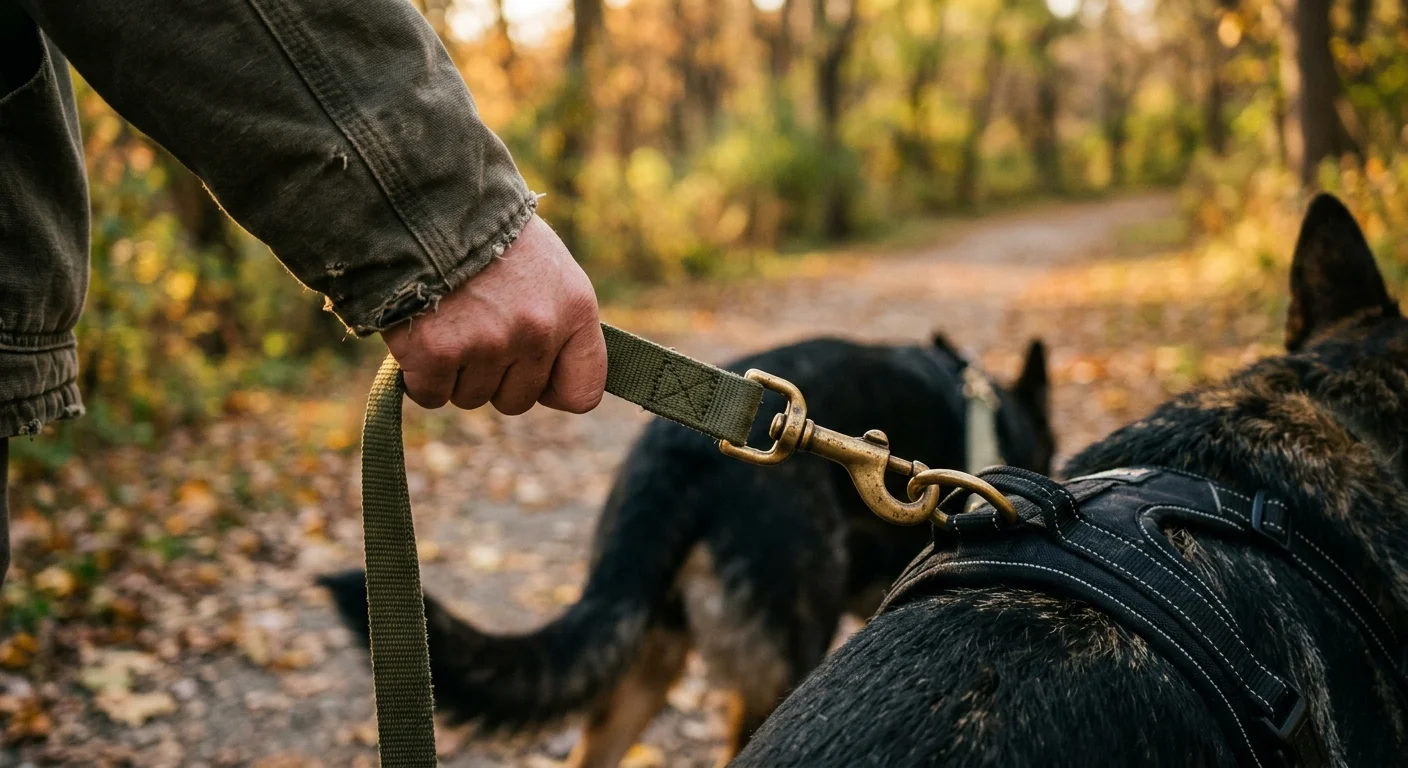
Retractable leashes offer the illusion of freedom, but they are a massive liability in public spaces. The thin, high-tension cords can cause severe friction burns, deep lacerations, and even finger amputations if a human grabs the line while the dog is running. For the dog, the danger is equally high. If a dog builds up sprinting momentum and suddenly hits the end of a 15-foot retractable line, the abrupt stop can cause severe trauma to the trachea, neck, and spine.
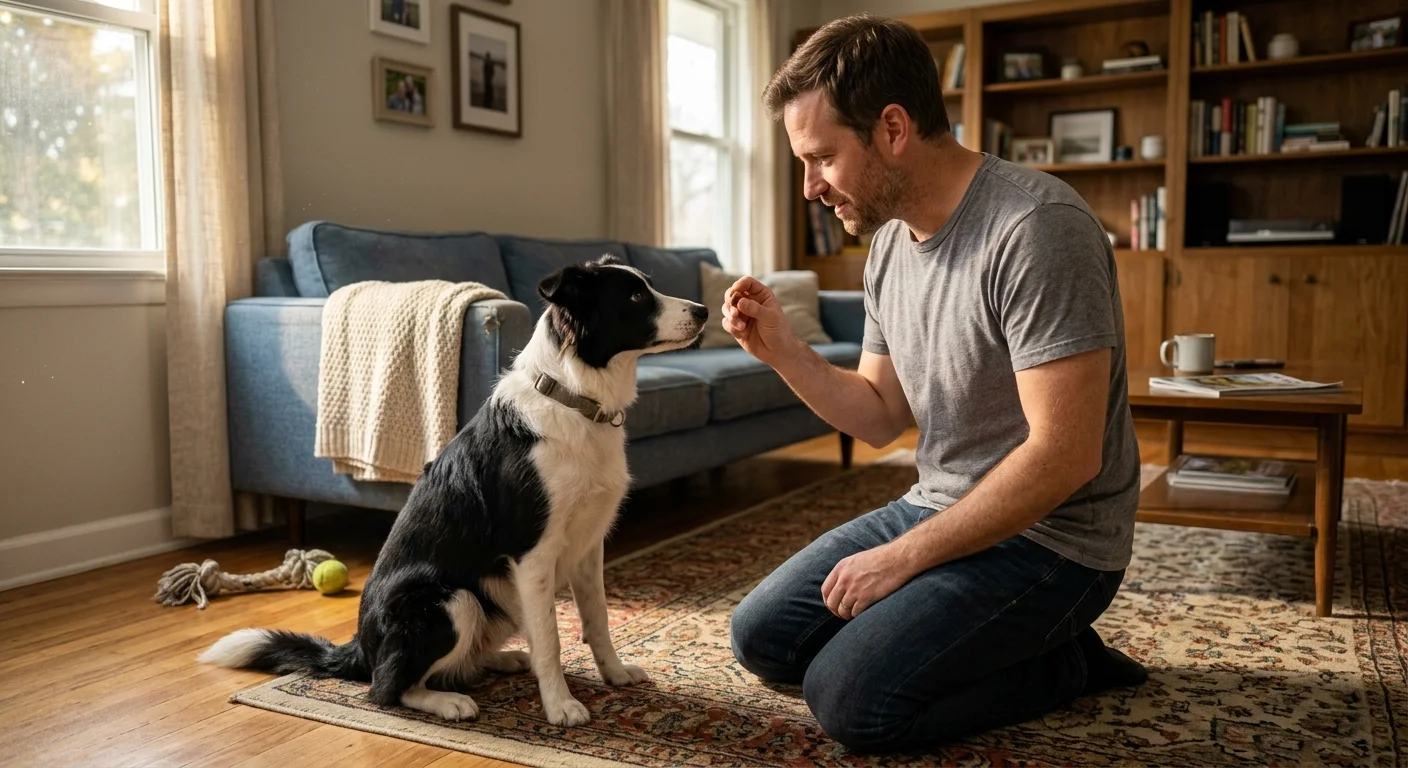
Proper leash manners are far easier to manage when your companion has mastered essential commands that build focus and impulse control.
Additionally, retractable leashes teach dogs that pulling on the leash yields more freedom, making loose-leash walking almost impossible to train. The bulky plastic handles are easily dropped. When dropped, the handle violently retracts toward the dog, clattering on the pavement. This often terrifies the dog, causing them to bolt into traffic to escape the “chasing” plastic handle. I only use standard, fixed-length 6-foot leashes made of leather, nylon, or biothane. They provide reliable, immediate control and keep my dog safely by my side.
Training and Socialization
9. Rely on Punishment-Based Training Tools
Tools designed to cause pain, discomfort, or fear—such as prong collars, choke chains, and electronic shock collars—have no place in modern, evidence-based dog training. While these tools may temporarily suppress an unwanted behavior, they do not teach the dog what to do instead. More importantly, they drastically increase anxiety and can create severe behavioral fallout. A dog wearing a prong collar who barks at other dogs will quickly associate the pain of the collar correction with the presence of the other dog, escalating their frustration into true aggression.
Instead of using force, teaching essential commands every dog should know through positive reinforcement builds a cooperative and loving relationship.
According to the Association of Professional Dog Trainers (APDT), positive reinforcement training is not only more humane, but it is scientifically proven to be more effective for long-term behavioral change. Positive reinforcement involves rewarding the behaviors you want to see with treats, play, or praise, making the dog eager to repeat them. By focusing on mutual trust and clear communication, you build a resilient, confident dog who listens out of engagement rather than fear.
10. Delay Socialization Waiting for Full Vaccination
This is a historically common piece of advice that we now know does more harm than good. Many owners are told to keep their puppies entirely isolated until they have received their final round of core vaccines at 16 weeks of age. While protecting puppies from infectious diseases like parvovirus is critical, the primary socialization window for dogs completely closes between 14 and 16 weeks of age.
During this brief window, a puppy’s brain is incredibly elastic. Exposing them positively to novel sights, sounds, surfaces, people, and safe adult dogs prevents fear-based reactivity later in life. If you wait until 16 weeks to introduce your puppy to the outside world, you have missed the window. The American Veterinary Medical Association (AVMA) supports safe, early socialization. You can protect your puppy from disease while socializing them by taking them on car rides, carrying them in a sling or wagon through outdoor shopping centers, and enrolling them in well-sanitized indoor puppy classes where all attendees are appropriately vetted. The risk of a dog being euthanized later in life due to severe behavioral issues stemming from poor socialization statistically outweighs the risk of infectious disease when safe socialization protocols are followed.
Frequently Asked Questions
Is it ever too late to start brushing my dog’s teeth?
It is never too late to start, provided your dog does not already have severe dental disease that causes them pain when their mouth is handled. If your dog has heavily built-up tartar, red gums, or loose teeth, you must schedule a professional veterinary dental cleaning under anesthesia first. Once their mouth is healthy and pain-free, you can begin introducing daily brushing to maintain their clean teeth and prevent future buildup.
Can I cook my dog’s food myself to avoid boutique diet issues?
Home-cooking for your dog is possible, but it is incredibly difficult to do correctly. Without professional guidance, over 90% of home-cooked diets lack critical nutrients, vitamins, and minerals, which can lead to severe malnutrition over time. If you wish to cook for your dog, you must consult a board-certified veterinary nutritionist who can formulate a customized, balanced recipe specifically tailored to your dog’s age, weight, and health status.
How often should my dog actually see the veterinarian?
Healthy adult dogs under the age of seven should have a comprehensive physical exam and routine blood work at least once a year. Puppies require multiple visits during their first few months for vaccines and developmental checks. Once a dog enters their senior years (typically around age seven or eight, depending on the breed), they should see the veterinarian every six months. Because dogs age much faster than humans, a lot can change in six months, and early detection is crucial for managing age-related diseases.
What should I do if my dog accidentally eats human medication?
Do not wait for symptoms to appear, and do not attempt to induce vomiting without veterinary instruction. Immediately call your local emergency veterinary hospital or a dedicated animal poison control hotline. Be prepared to tell them exactly what medication was ingested, the milligram strength of the pills, how many are missing, and your dog’s approximate weight. Time is critical, and immediate medical intervention often prevents the toxins from being fully absorbed into your dog’s system.
For expert pet care guidance, visit
UC Davis School of Veterinary Medicine, American Animal Hospital Association (AAHA), Association of Professional Dog Trainers (APDT), Certification Council for Professional Dog Trainers (CCPDT) and International Association of Animal Behavior Consultants (IAABC).
Disclaimer: This article is for informational purposes only and is not a substitute for professional veterinary advice, diagnosis, or treatment. Always consult with a licensed veterinarian for medical concerns about your pet.








Leave a Reply