
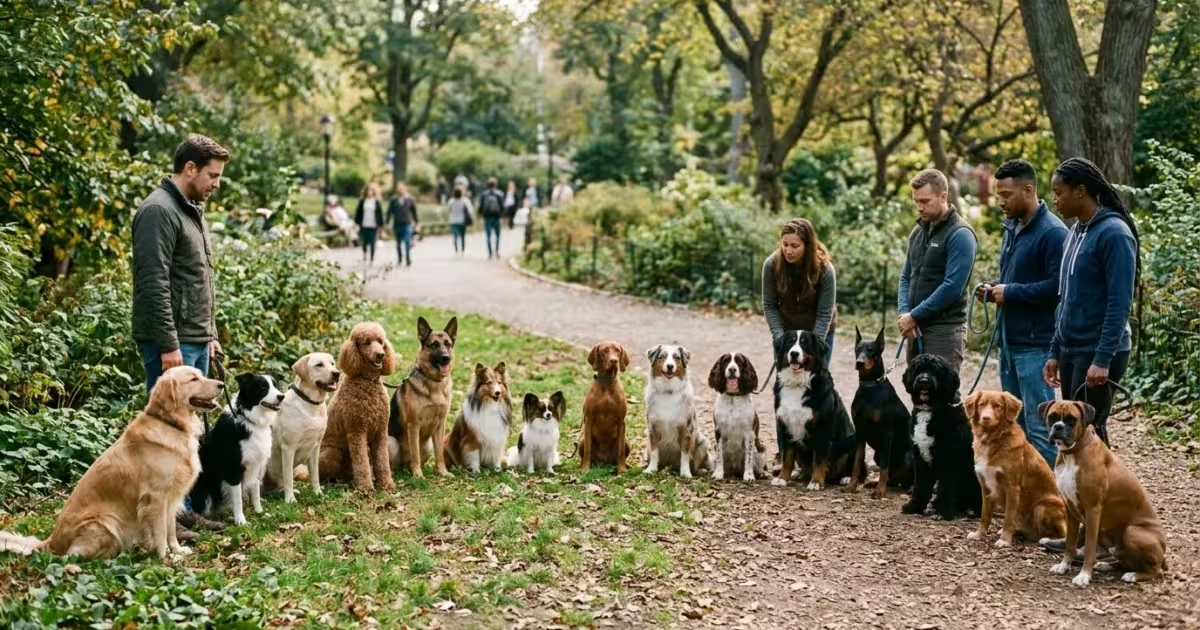
Bringing a dog into your home is a profound commitment, and selecting an eager-to-please companion can drastically smooth the transition. While every dog has a unique personality, certain lineages have been selectively bred for centuries to work closely alongside humans, resulting in an innate desire to follow cues and learn complex tasks. Whether you are a first-time owner looking for a forgiving family dog or an active individual wanting a dedicated sporting partner, understanding which traits align with your lifestyle is crucial. We detail the fifteen most obedient dog breeds, examining their specific training needs, ideal environments, and the science-backed methods that will help you unlock their full potential and foster a deeply rewarding bond.
If you are preparing to bring home one of these cooperative companions, make sure you gather all the essential puppy supplies to ensure a smooth transition.

Understanding Obedience and Intelligence
Many pet owners confuse a dog’s intelligence with obedience. An intelligent dog can quickly figure out how to open the pantry door, while an obedient dog will wait for you to offer them a treat. True canine obedience is better described as “biddability”—a dog’s inherent willingness and desire to work in partnership with their human handler. According to the American Kennel Club (AKC), biddable breeds look to their owners for direction and thrive on structured activities.
To channel their high intelligence constructively, you can try engaging indoor games for dogs that prevent destructive habits on rainy days.
To truly appreciate their cooperative nature, it is helpful to look at what they were originally bred to do throughout history.
When you bring a highly biddable breed into your life, you are getting a canine partner that processes commands rapidly. However, this high processing speed comes with a responsibility. Obedient breeds require consistent mental stimulation. If you leave a highly intelligent, obedient breed alone in a backyard with nothing to do, they will invent their own jobs—which usually involve destructive behaviors like digging, excessive barking, or chewing. Channeling their natural desire to work into structured training sessions is the key to maintaining a peaceful household.

The Top Echelon: Working and Herding Geniuses
These five breeds consistently dominate obedience trials and intelligence rankings. They possess an unmatched work ethic and demand owners who are equally dedicated to daily training and mental enrichment.
1. Border Collie
Widely considered the most intelligent and obedient dog breed in the world, the Border Collie was developed in the Scottish borders to herd sheep across harsh terrain. Their defining characteristic is the “herding eye,” an intense, hypnotic stare they use to control flocks. This intense focus translates directly into obedience training. Border Collies lock onto their handlers, waiting eagerly for the next cue. Because their minds operate at lightning speed, they require complex tasks to stay satisfied. Routine walks are never enough; you must engage them in agility, advanced trick training, or scent work. When fully engaged, a Border Collie will master commands in under five repetitions, making them a dream for dedicated trainers.
2. Poodle (Standard, Miniature, and Toy)
Do not let the extravagant show haircuts fool you. The Poodle is a robust, highly athletic retriever originally bred for duck hunting. Available in three sizes, all Poodles share the same brilliant, cooperative mind. They are highly observant and emotionally intelligent, often anticipating their owner’s requests before a command is fully spoken. Poodles excel in obedience because they genuinely enjoy learning and physical activity. They also lack the stubborn streak found in many other hunting breeds. Training a Poodle requires keeping sessions varied and fun, as their high intelligence means they can grow bored with excessive repetition of commands they have already mastered.
Beyond their impressive intellect, Poodles are also widely recognized as one of the best dog breeds for allergy sufferers due to their low-shedding coats.
3. German Shepherd Dog
The German Shepherd is the quintessential working dog, renowned worldwide for police, military, and search-and-rescue roles. Their obedience stems from a deep-rooted loyalty and a desire to protect and serve their handlers. German Shepherds thrive on having a clear, defined job. They require confident, consistent leadership and fair boundaries. Because they are large, powerful dogs with protective instincts, early and extensive socialization is non-negotiable. When raised with positive reinforcement and clear expectations, a German Shepherd becomes an unwaveringly obedient companion who will walk through fire for their family.
4. Golden Retriever
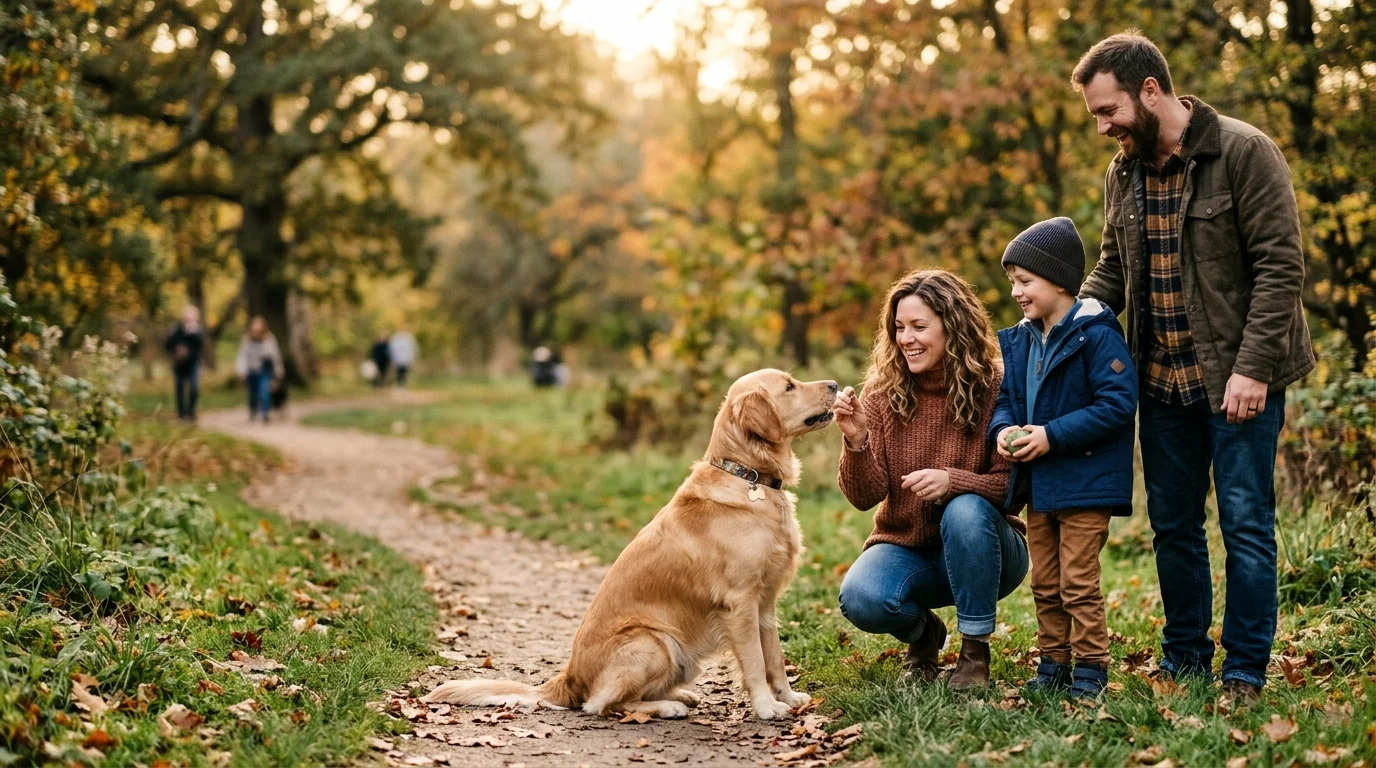
Golden Retrievers combine high intelligence with an unparalleled eagerness to please. Originally bred as Scottish gundogs to retrieve waterfowl without damaging the prey, they possess a “soft mouth” and a gentle disposition. Their obedience is driven by their deep affection for humans and their strong food motivation. Goldens are famously forgiving of novice handler mistakes, making them the premier choice for first-time dog owners seeking an obedient pet. They dominate obedience and field trials, and their steady, reliable temperament makes them the breed of choice for guide dog and therapy work worldwide.
5. Doberman Pinscher
Developed in the late 19th century by a German tax collector for personal protection, the Doberman Pinscher is a sleek, athletic, and brilliantly responsive breed. Often described as “Velcro dogs,” Dobermans form an incredibly tight bond with their owners, preferring to stay physically touching or right next to their favorite person. This intense handler focus makes them highly biddable. They possess a sharp, analytical mind and respond best to calm, firm guidance. Because they are sensitive to their owner’s tone of voice, harsh corrections will shut them down. Positive, reward-based training yields a majestic, obedient guardian.
Highly Trainable Family Favorites
If you want a dog that effortlessly integrates into family life while still taking beautifully to training, these five breeds offer an ideal balance of biddability and adaptable temperament.
6. Labrador Retriever
The Labrador Retriever has held the title of America’s most popular dog breed for decades, and their trainability is a primary reason why. Labs are enthusiastic, outgoing, and highly food-motivated, which makes luring and shaping behaviors incredibly easy. They were bred to work long days retrieving nets for fishermen in Newfoundland, giving them impressive stamina and a cooperative nature. While young Labradors can be boisterous and require patience through their extended adolescent phase, consistent positive reinforcement quickly molds them into rock-solid, obedient family members who excel in everything from dock diving to basic household manners.
7. Papillon
The Papillon proves that world-class obedience does not require a large stature. Named for their distinctive butterfly-like ears, these tiny dogs possess the brains and drive of a large working breed. Unlike many toy breeds that were bred strictly for lap-sitting, the Papillon is a descendant of sporting spaniels. They are fiercely intelligent, highly energetic, and extraordinarily responsive to training. Papillons routinely outscore much larger dogs in agility and obedience competitions. They are eager to learn elaborate tricks and thrive when given mental challenges, making them perfect for owners living in smaller spaces who still want a highly trainable companion.
Their affectionate, small-scale nature also makes Papillons excellent dogs for retirees living alone who want a bright, manageable companion.
8. Rottweiler
Beneath their imposing, muscular exterior, Rottweilers are calm, confident, and deeply devoted dogs with a strong working heritage. Originally used by the Romans to drive cattle and pull meat carts, they are accustomed to working in close partnership with humans. Rottweilers are highly observant and think before they act. Their obedience training must start the day you bring them home, focusing heavily on impulse control and socialization. Because of their size and strength, an obedient Rottweiler is an absolute necessity. They respond beautifully to structured, reward-based training and respect handlers who are fair, consistent, and generous with praise.
9. Australian Cattle Dog
Also known as the Blue Heeler, the Australian Cattle Dog was bred to handle harsh outback conditions and unruly cattle. They have boundless energy and a rugged, independent problem-solving ability. However, their devotion to their primary caretaker is absolute, making them fiercely obedient to the person they bond with most. Training an Australian Cattle Dog requires creativity and physical engagement. They do not just want to sit and stay; they want to catch flying discs, navigate obstacle courses, and learn complex tasks. When their physical and mental needs are met, their obedience is flawless.
10. Miniature Schnauzer
The Miniature Schnauzer combines the fearless, spirited nature of a terrier with the eager-to-please attitude of a working dog. Originally bred as farm dogs to keep rat populations under control, they are alert, vocal, and deeply attached to their families. Unlike many terrier breeds that possess a notoriously stubborn streak, the Miniature Schnauzer is highly trainable and responsive to commands. They excel in obedience rings and love learning new behaviors. Their training should focus on channeling their vocal nature and high prey drive into acceptable games, using their intelligence to teach a solid “quiet” and “leave it” command.
Surprising Breeds with Excellent Obedience Potential
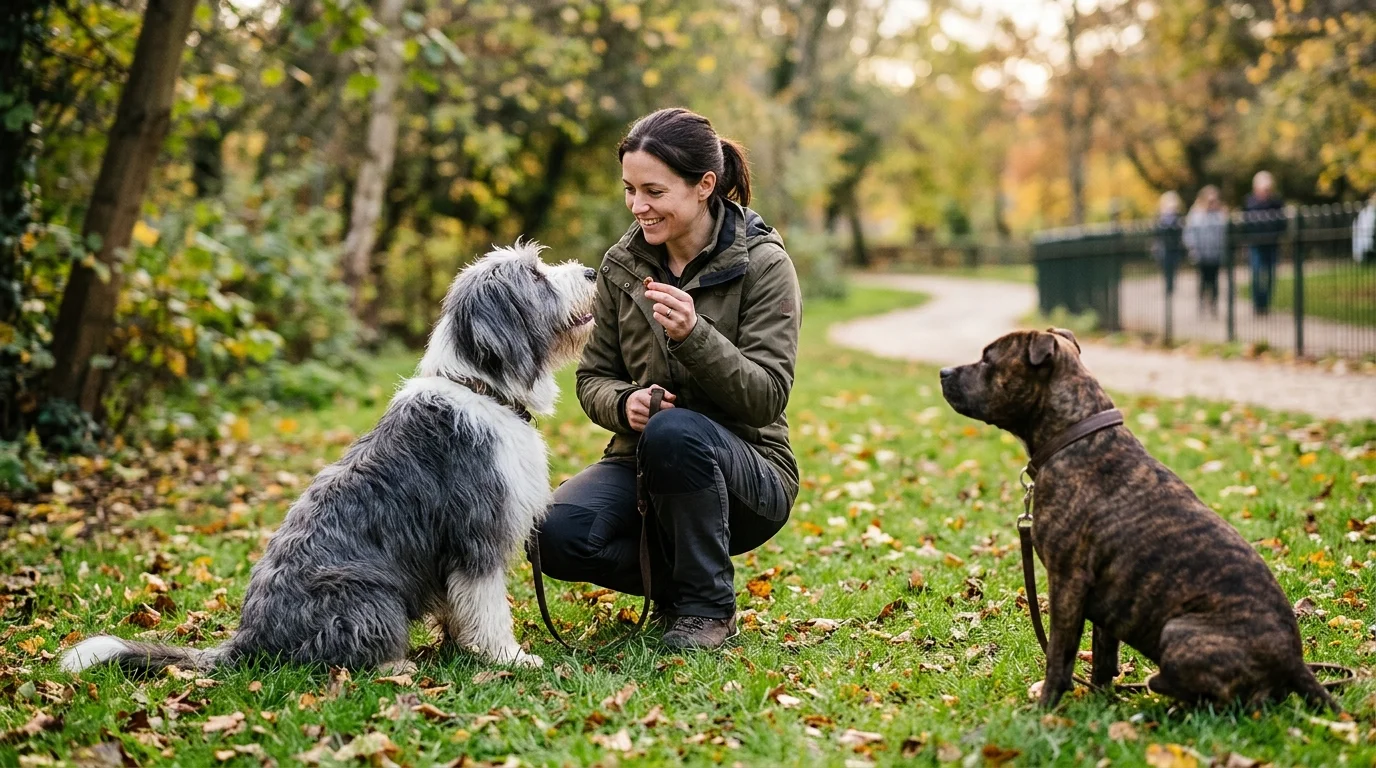
These breeds might not be the first to come to mind when you think of robotic obedience, but their unique working backgrounds make them highly receptive to dedicated training.
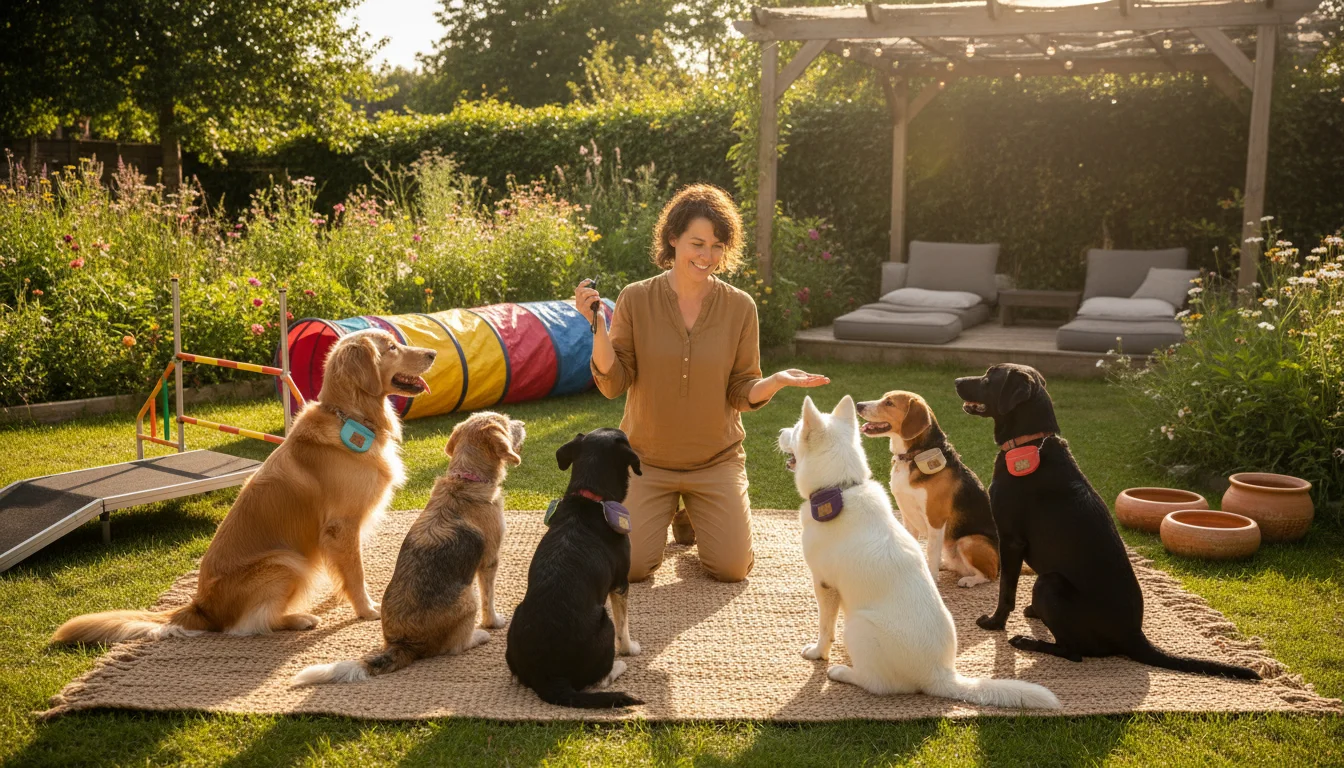
If you are lucky enough to own more than one of these clever animals, learning how to train multiple dogs at the same time is essential for keeping order.
11. Pembroke Welsh Corgi
Despite their short legs and long bodies, Pembroke Welsh Corgis are true herding dogs capable of moving large herds of cattle by nipping at their heels. This big-dog attitude in a small package means they are highly attentive, brave, and remarkably obedient. Corgis are thinkers who like to understand the rules of their household. They are heavily food-motivated, which makes teaching foundation behaviors a breeze. Owners must establish clear boundaries early, as a Corgi’s intelligence can easily turn into bossiness if they feel they need to run the house themselves.
12. English Springer Spaniel
English Springer Spaniels are cheerful, energetic dogs bred to work closely with hunters to flush game birds out of heavy brush. Because their original job required them to stay within gun range and follow precise hand signals, they are genetically wired to pay close attention to their owners. Springers are incredibly eager to please and hate being separated from their families. Their obedience training should capitalize on their retrieving instincts and their love of praise. A well-trained Springer is a joyous, well-mannered companion both in the field and on the living room rug.
Start their education on the very first day by mastering how to housetrain your puppy with a structured routine.
13. Belgian Tervuren
Often mistaken for a long-haired German Shepherd, the Belgian Tervuren is an elegant, highly sensitive herding breed. They possess a razor-sharp intellect and are constantly analyzing their environment. Tervurens are highly obedient but require a specific training approach; they do not tolerate harshness or heavy-handed methods, which will break their trust. They need a handler who is engaging, upbeat, and precise. Because they are always watching their owner’s body language, they excel at advanced obedience and can learn to respond to the subtlest of physical cues.
If you ever feel overwhelmed by their high sensitivity, it helps to understand the signs your dog needs training help from a certified behaviorist.
14. Schipperke
The Schipperke is a small, fox-like dog originally bred to work as watchdogs and ratters on Belgian canal barges. They are intensely curious, high-energy, and fiercely loyal to their families. While they possess an independent streak typical of watchdog breeds, they are exceptionally quick learners. Schipperkes want to be involved in whatever you are doing. By integrating training into daily activities and keeping sessions short and engaging, you can easily tap into their natural intelligence. They thrive on learning tricks and navigating agility courses.
15. Collie (Standard)
Made famous by the television show “Lassie,” the Collie is as devoted and trainable in real life as they are on screen. Collies are gentle, intuitive herding dogs that easily read human emotions. They do not require a heavy hand; a simple verbal correction is usually enough to guide them back on track. Their biddability makes them fantastic obedience competitors and wonderful family pets. Collies are particularly good with children and can be trained to perform a wide variety of helpful household tasks, motivated entirely by their desire to please their family.
The Science of Positive Reinforcement Methodology
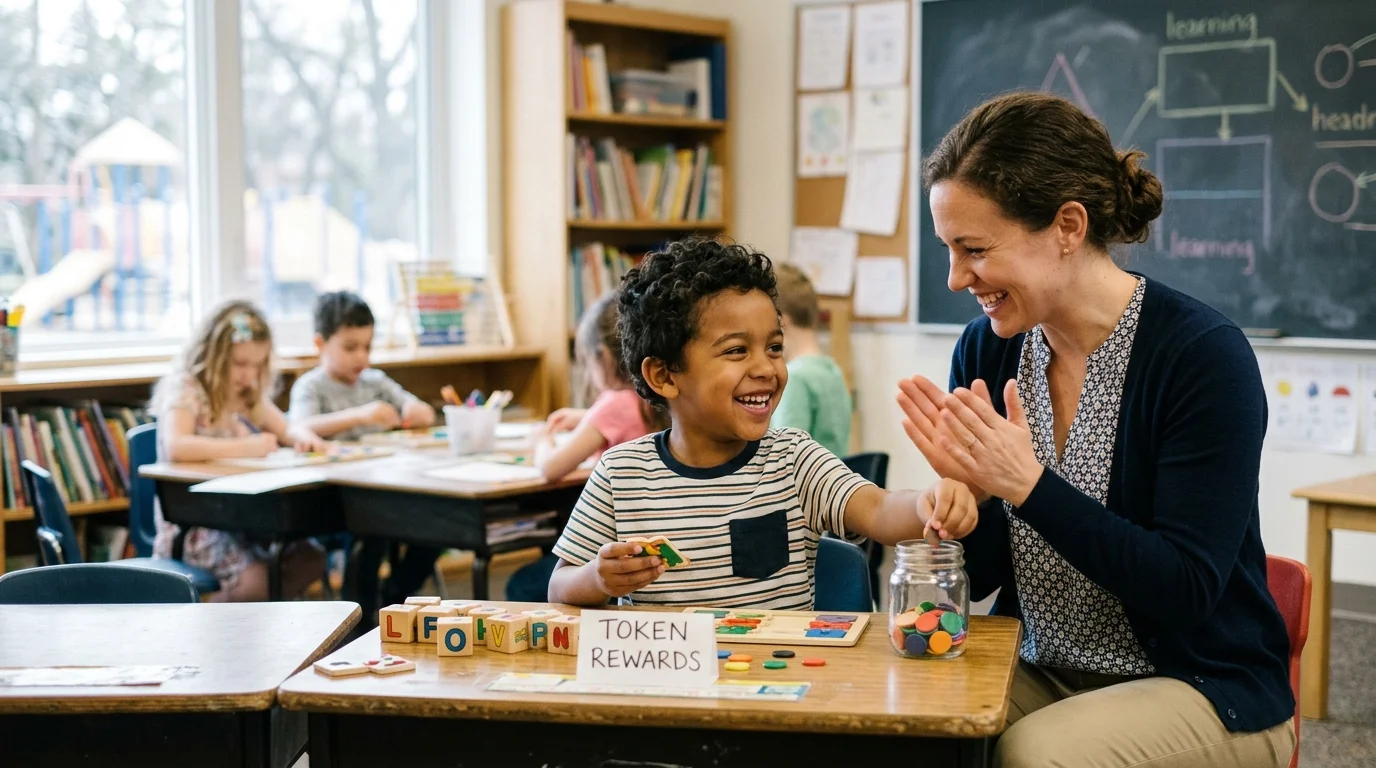
Owning a breed with high biddability is only half the equation; the methods you use to teach them dictate your ultimate success. Modern behavioral science has fundamentally shifted how we approach dog training. The Association of Professional Dog Trainers (APDT) heavily advocates for Least Intrusive, Minimally Aversive (LIMA) principles, prioritizing positive reinforcement.
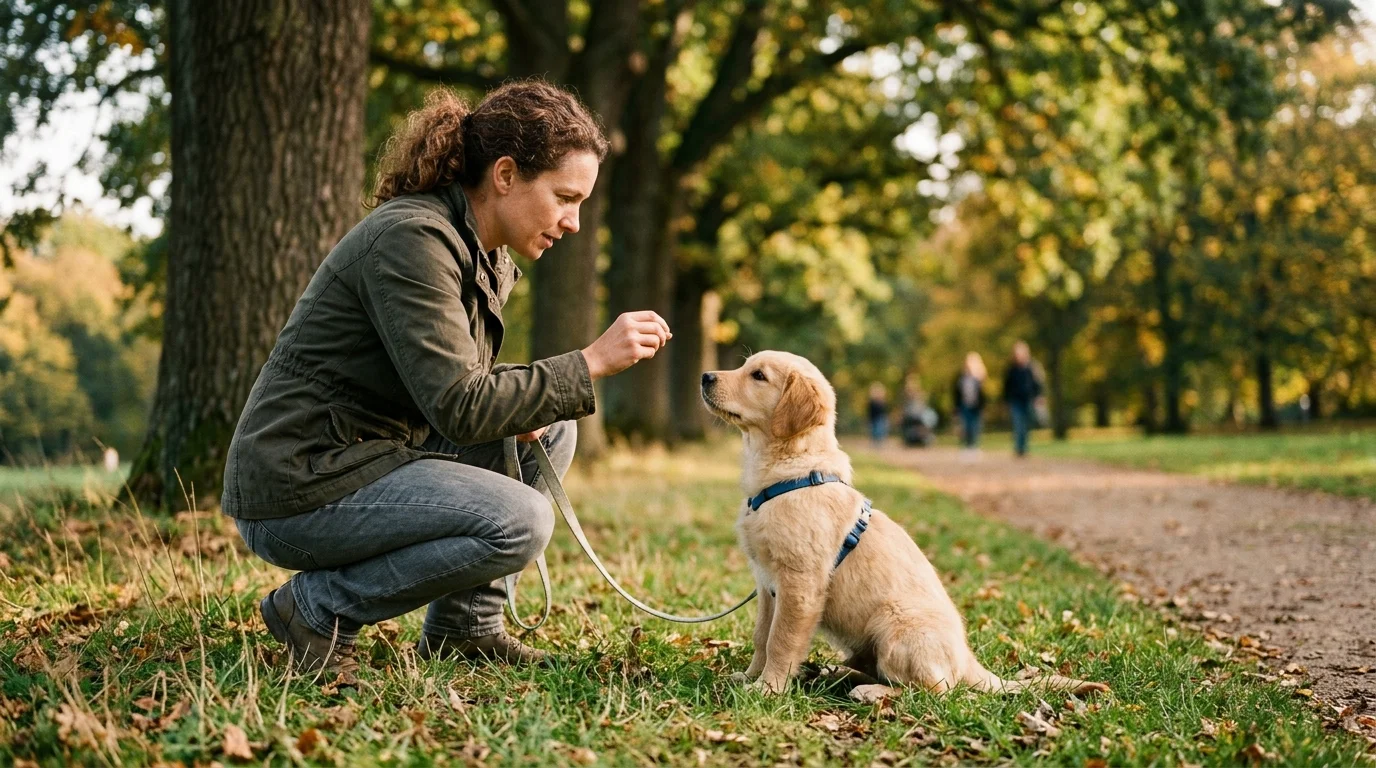
Positive reinforcement involves adding a desirable stimulus (like a treat, a favorite toy, or verbal praise) immediately after the dog performs the correct behavior. This method relies on the scientific principle of operant conditioning: behaviors that are rewarded are highly likely to be repeated.
“Training builds a common language between you and your dog. When you use positive reinforcement, you are teaching them that learning is a fun, rewarding game rather than a stressful chore.” — Certified Animal Behavior Consultant
When you use physical punishment or intimidation, you risk damaging the trust between you and your dog. In highly sensitive, obedient breeds like the Doberman Pinscher or the Collie, punitive methods often result in a dog that is too terrified to try new things, leading to “learned helplessness.” By focusing on what your dog gets right and generously rewarding those moments, you build a confident, eager learner who actively wants to obey your cues.
Establishing a Foundation for Lifelong Obedience
Training an obedient dog is not a one-time event; it is a lifelong process of communication. Following early puppy vaccination protocols is crucial so you can safely begin socialization. The American Veterinary Medical Association (AVMA) notes that the primary socialization window for puppies closes around 14 to 16 weeks of age, making early, safe exposure to new environments vital for a well-adjusted, obedient adult dog.
To structure your training, focus on gradually increasing the difficulty of basic commands across four distinct parameters, often called the “Four D’s of Dog Training”:
| Parameter | Definition | Practical Application Example |
|---|---|---|
| Distance | How far away you are from the dog when giving a command. | Asking your dog to “Sit” from across the room rather than standing directly in front of them. |
| Duration | How long the dog must hold the behavior before being released. | Extending a “Stay” from 5 seconds to 3 minutes before offering the release cue and reward. |
| Distraction | The level of environmental noise or activity present during training. | Practicing the “Watch Me” command at a busy park instead of in your quiet living room. |
| Diversity | Applying the command in completely new locations and contexts. | Expecting the same reliable “Down” command at the vet’s office as you get in your kitchen. |
When teaching these fundamentals, consistency is your greatest tool. Ensure that every member of your household uses the exact same verbal cues and hand signals. A dog cannot be obedient if the rules constantly change depending on who is in the room.

Recognizing When to Seek Professional Help
Even the most inherently obedient dog breeds can develop behavioral challenges. Sometimes, behaviors like intense resource guarding, extreme leash reactivity, or severe separation anxiety fall outside the scope of standard obedience training. These are deeply rooted emotional responses, not simple stubbornness.
If you find yourself frustrated, or if your dog is exhibiting signs of fear or aggression, it is time to call in an expert. Look for professionals who carry accredited certifications. The Certification Council for Professional Dog Trainers (CCPDT) provides a directory of trainers who have passed rigorous examinations and committed to humane, science-based training practices. A certified trainer can help you identify breakdowns in your communication, adjust your timing with rewards, and create a specialized behavior modification plan that sets your dog up for success.
Frequently Asked Questions
Are small dogs naturally less obedient than large dogs?
No, small dogs are not naturally less obedient. Breeds like the Papillon and Miniature Schnauzer are incredibly trainable. However, small dogs are often allowed to get away with jumping, barking, or pulling on the leash because their size makes these behaviors easy to physically manage. If owners apply the same consistent training standards to small dogs as they do to large working breeds, toy breeds exhibit outstanding obedience.
Can I train an older dog from an obedient breed?
Absolutely. The old adage that you cannot teach an old dog new tricks is entirely false. While adult dogs may take slightly longer to unlearn deeply ingrained bad habits, their mature attention spans often make them highly focused learners. Senior dogs from intelligent breeds deeply appreciate the mental stimulation that comes with learning new cues, which helps keep their minds sharp as they age.
Why is my highly obedient breed suddenly ignoring my commands?
If your typically responsive dog starts ignoring you, evaluate the environment. You might be asking for a behavior in a highly distracting area before they are ready, or your dog may be in pain or feeling ill. Additionally, if you have phased out treats entirely, your dog may be experiencing a lack of motivation. Always step back, lower the criteria, heavily reward successful attempts, and rule out any medical issues with your veterinarian.
How long does it take to fully train an obedient dog breed?
Basic obedience—such as sit, stay, down, and walking loosely on a leash—can generally be taught within six to eight weeks of consistent, daily practice. However, producing a deeply reliable, well-mannered dog in all situations takes one to two years of ongoing reinforcement. Training is a lifestyle, not a destination; maintaining obedience requires lifelong practice and mental enrichment.
For expert pet care guidance, visit
Cornell University College of Veterinary Medicine,
UC Davis School of Veterinary Medicine and
American Animal Hospital Association (AAHA).
Disclaimer: This article is for informational purposes only and is not a substitute for professional veterinary advice, diagnosis, or treatment. Always consult with a licensed veterinarian for medical concerns about your pet.



Leave a Reply