

Bringing an animal companion into your home transforms your daily routine, providing profound emotional and physical benefits. When you live alone, a pet offers a powerful antidote to isolation, giving you a renewed sense of purpose, predictable daily structure, and unconditional affection. However, choosing the right companion requires an honest assessment of your physical capabilities, living space, and long-term behavioral expectations.
Understanding the nuances of senior pet health is essential for ensuring your new companion enjoys a long, comfortable life by your side.
According to the American Veterinary Medical Association (AVMA), the human-animal bond delivers measurable health benefits, including lowered blood pressure and decreased anxiety. To reap these benefits safely, you must prioritize finding an animal whose energy levels and training needs align seamlessly with your lifestyle. A bouncy, untrained puppy might sound delightful, but the reality of needle-sharp teeth, constant potty training, and extensive socialization requirements often creates more stress than joy.
By focusing on positive reinforcement training and behavioral compatibility, you can cultivate a deep, peaceful relationship with a new companion. Whether you seek a dog to accompany you on leisurely walks, a cat to curl up in your lap, or a smaller animal to provide gentle enrichment, the key lies in making an informed, realistic choice.

Matching Pet Behavior to a Senior Lifestyle
Before selecting a pet, you must evaluate the animal’s natural behavior profile against your daily reality. High-arousal behaviors—like jumping up to greet you, darting through open doorways, or pulling hard on a leash—pose significant fall risks for older adults. You want a companion whose behavioral baseline is naturally calm and whose critical socialization periods have already been successfully navigated.
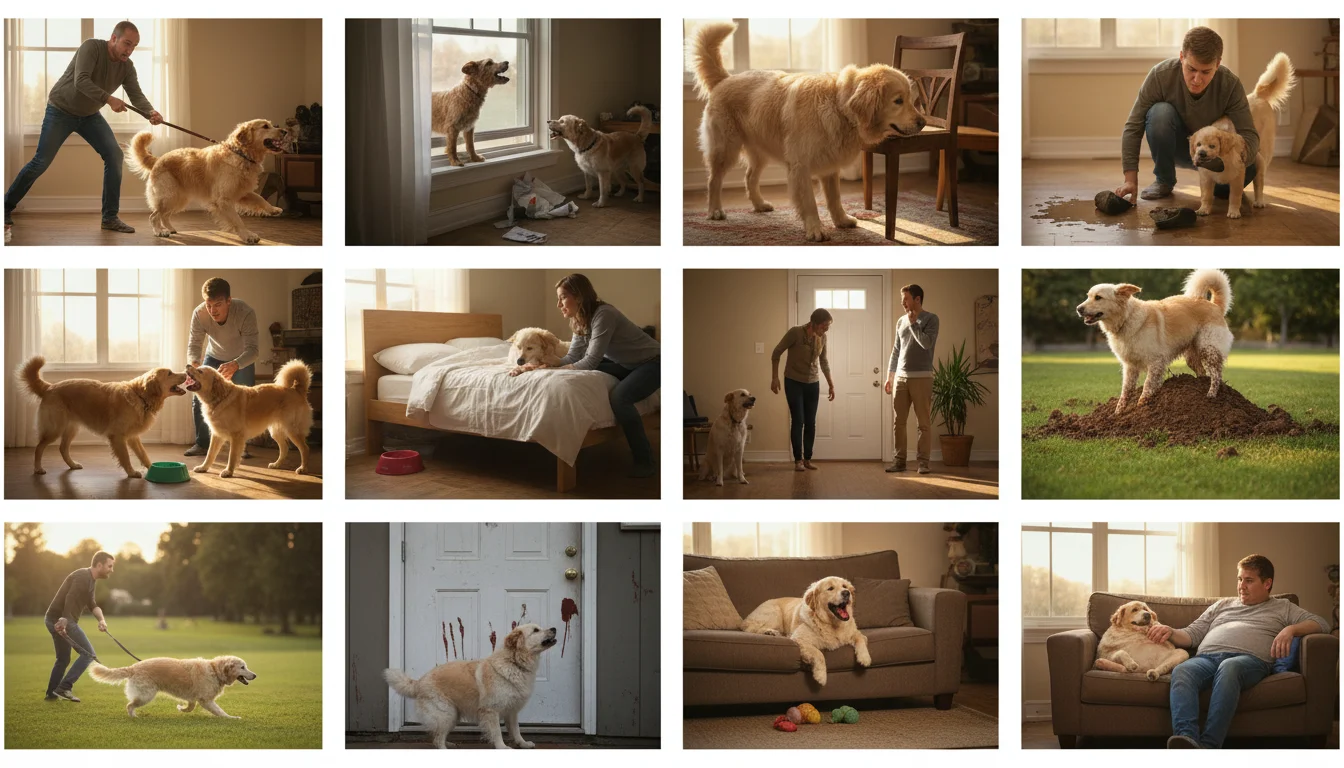
Being able to identify subtle signs your pet is in pain is a vital skill for preventing small health issues from becoming major stressors.
Before your new companion arrives, preparing your living space will ensure the environment is safe and accessible for both you and the animal.
You should also consider the physical mechanics of caring for the animal. Can you easily bend down to scoop a litter box? Do you have the hand strength to safely manage a 40-pound dog on a leash? Are you comfortable establishing consistent routines to help an animal feel secure? Addressing these questions proactively prevents behavioral issues rooted in frustration or lack of management.
“A pre-trained, low-energy companion offers the perfect balance of affection and predictability, significantly reducing the physical risks associated with highly energetic or reactive animals.” — Dr. Sarah Mitchell, DVM
Regardless of the species you choose, positive reinforcement training will be your most effective tool for managing behavior. By rewarding the behaviors you want to see—such as settling quietly on a mat or walking calmly by your side—you build a cooperative relationship based on trust rather than fear or force.

1. Senior Rescue Dogs
Adopting a senior rescue dog is often the most rewarding choice for an older adult living alone. Dogs over the age of seven have typically outgrown their destructive chewing phases and possess mature, fully developed personalities. What you see in the shelter is largely what you get, which removes the unpredictability of raising a puppy.
Establishing a checklist of essential daily dog care tasks helps maintain their health while keeping your own schedule organized.
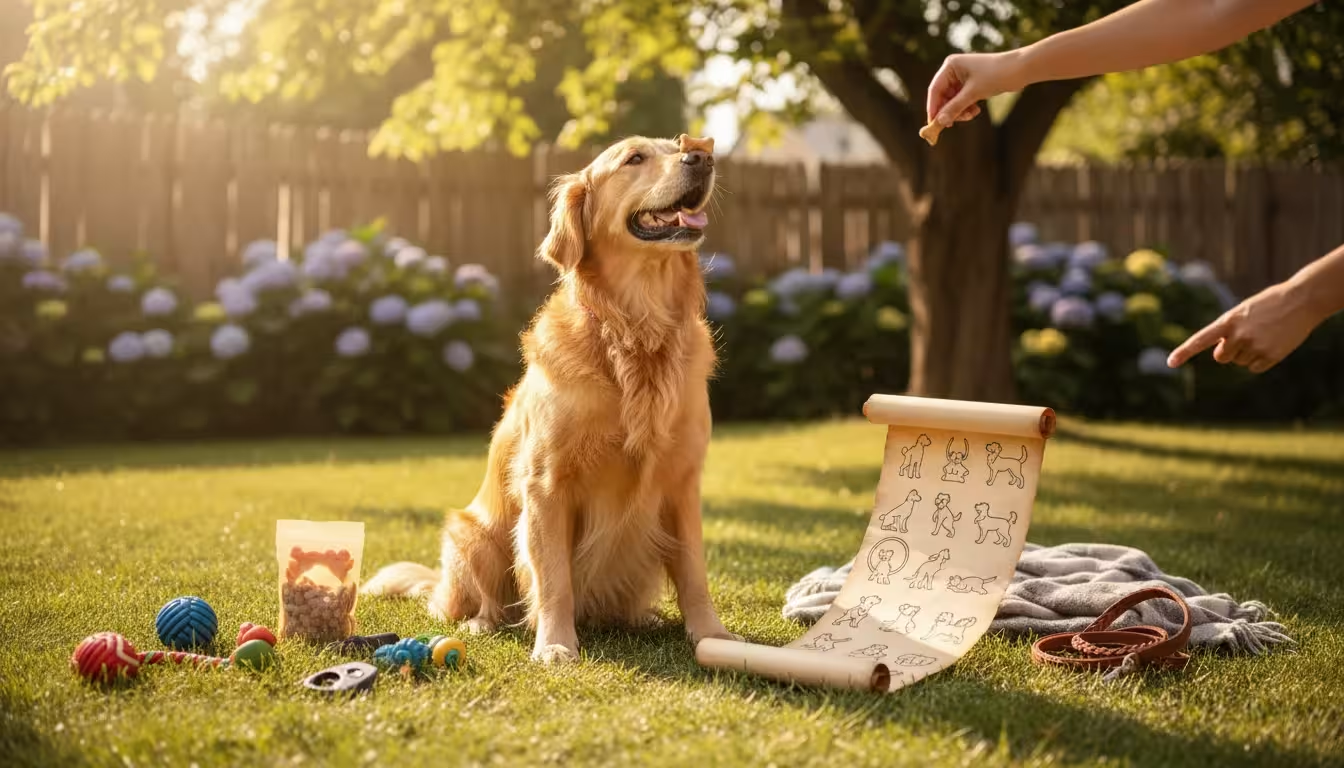
Even older dogs benefit from structure, and teaching them basic obedience commands is a fantastic way to establish clear communication from day one.
Many senior dogs arrive in rescues already potty-trained and familiar with basic household manners. Their exercise needs are wonderfully manageable; a gentle, twenty-minute neighborhood sniffari is often plenty of physical and mental stimulation for an older canine. Sniffing actually lowers a dog’s heart rate and tires them out cognitively, providing excellent enrichment without demanding strenuous physical activity from you.
Expert guidance from the Association of Professional Dog Trainers (APDT) emphasizes that older dogs absolutely can learn new behaviors. Using marker training—saying “Yes!” followed immediately by a soft, easy-to-chew treat—you can quickly teach a senior dog to wait politely at doors or settle on a designated bed. This method capitalizes on the dog’s natural desire to earn rewards and strengthens your new bond immensely.
2. Adult Cats
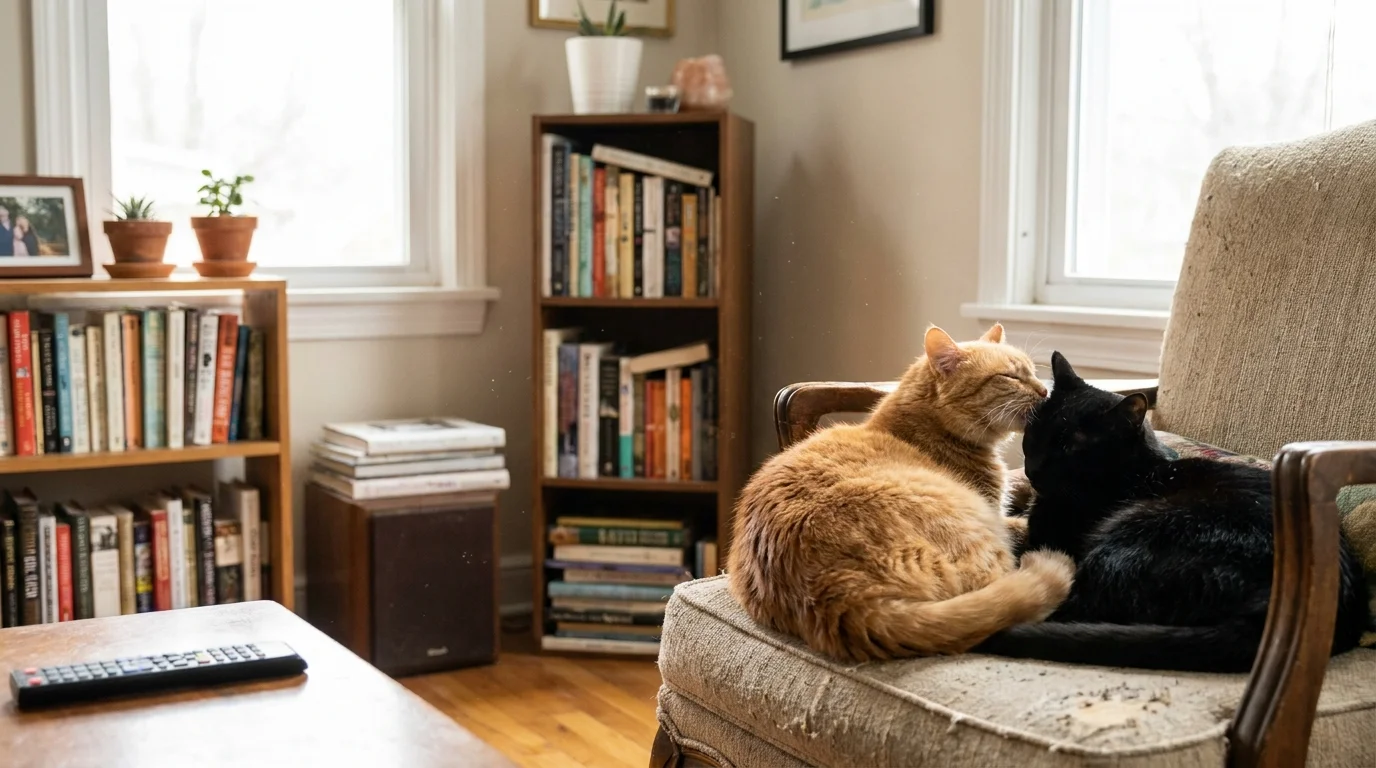
If you prefer a companion who is fiercely loyal yet happily independent, an adult indoor cat makes a phenomenal roommate. While kittens are notorious for climbing curtains and expressing play aggression—biting and scratching hands and ankles—adult cats generally possess a much more predictable and sedate temperament.
To deepen your relationship with a feline friend, you can explore various ways to bond with your cat that cater to their unique personality.
If you live in a smaller space, exploring the most suitable cat breeds can help you find a feline that thrives in a more compact environment.
According to recommendations by the ASPCA, adult cats have already established their litter box habits and core personalities. You will easily find an adult cat in a local shelter whose primary goal in life is to keep your lap warm while you read or watch television.
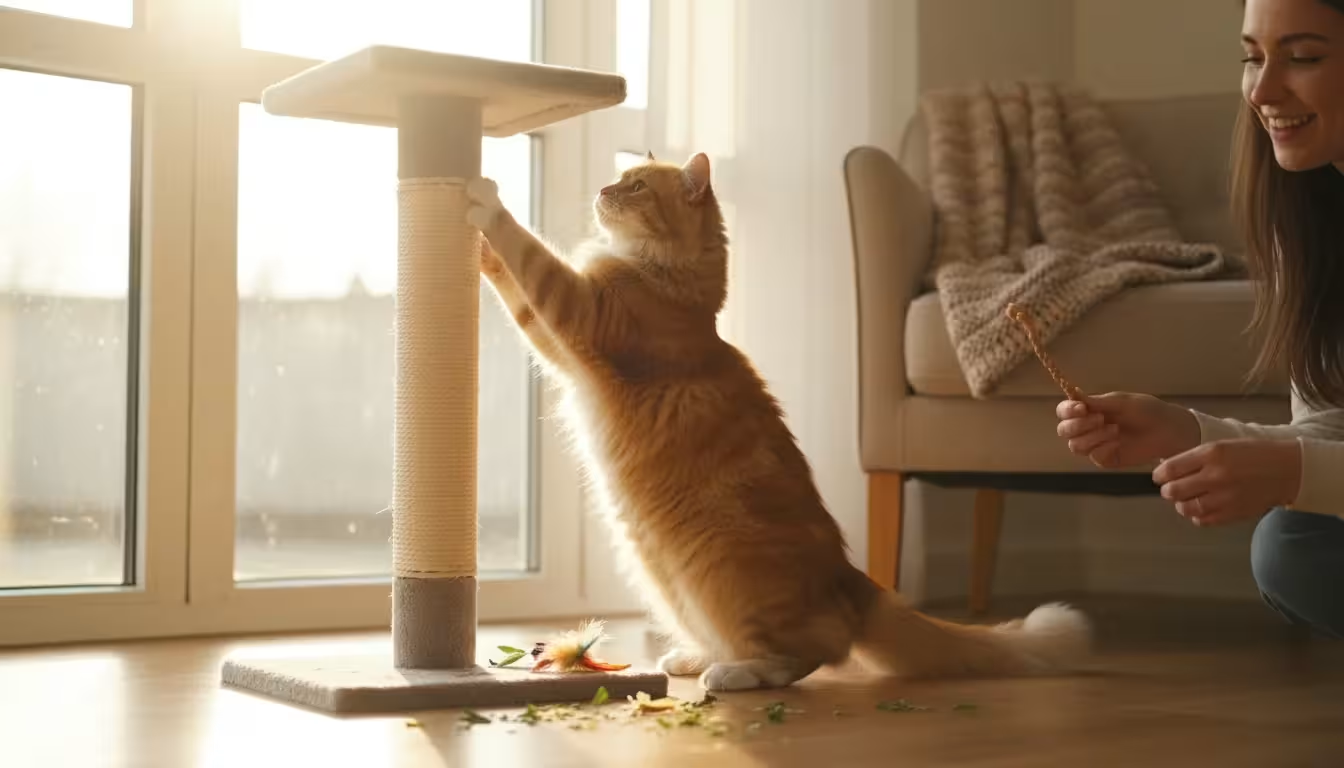
Behavioral management for an adult cat revolves largely around providing appropriate outlets for their natural instincts. To prevent destructive scratching, place a sturdy, tall scratching post near their favorite resting spot or adjacent to the furniture they might otherwise target. You can encourage them to use it by rubbing catnip on the sisal rope and offering a treat immediately after they sink their claws into the approved surface. This simple positive reinforcement protocol effectively channels their instincts safely.

3. Cavalier King Charles Spaniels
If you are looking for a specific breed that thrives in a quiet, single-person household, the Cavalier King Charles Spaniel sits at the top of the list. Bred specifically for companionship, these small dogs boast an incredibly eager-to-please attitude and a gentle, affectionate nature.
These affectionate dogs are often listed among the best dog breeds for first-time owners due to their exceptionally gentle temperament.
From a behavioral standpoint, Cavaliers possess a lower prey drive than terriers, meaning they are far less likely to lunge unexpectedly at squirrels or birds during a walk. This predictability makes them exceptionally safe walking companions for seniors. They are also highly responsive to reward-based obedience training.
When training a Cavalier, prioritize “door manners” and loose-leash walking. You can teach your dog not to cross a threshold until invited by simply opening the door an inch; if the dog moves forward, quietly close the door. Repeat this until the dog offers a calm sit, then reward them by opening the door and calmly saying “Free.” This prevents the dangerous habit of a dog bolting through doorways and potentially tangling around your legs.

4. Ragdoll Cats
The Ragdoll is a stunning, large-breed cat famous for its namesake behavior: going completely limp and relaxed when picked up. For seniors living alone, this docile temperament is an absolute dream. Unlike highly energetic breeds like Bengals or Siamese, Ragdolls are remarkably laid-back and tolerate handling exceptionally well.
Since Ragdolls form such close bonds with their owners, it is important to know how to choose the right pet sitter when you need to be away for the day.
As these cats enter their later years, understanding how their needs shift will help you keep them comfortable and healthy.
This tolerance makes routine veterinary visits and grooming significantly easier. Ragdolls do require regular brushing to maintain their plush coats, but you can turn this grooming requirement into a positive bonding experience through Cooperative Care training. Smear a lick mat with a small amount of wet food or a pet-safe puree treat. While the cat is happily distracted and licking the mat, gently run a brush through their fur. Over time, the cat associates the grooming brush with high-value rewards and will actively seek out grooming sessions.
Because they bond so deeply with their primary caregiver, Ragdolls will often follow you from room to room. It is important to encourage independent resting periods during the day to prevent the development of separation anxiety, ensuring your cat remains confident even when you step out of the house for errands.

5. Guinea Pigs
Many seniors seek the comfort of a pet without the physical demands of walking a dog or the long lifespan of a cat. In this category, guinea pigs are exceptional choices. They are gentle, highly vocal, and incredibly expressive animals that bring life and sound into a quiet home.
Finding budget-friendly pet products can help you provide a high-quality habitat for small animals without overspending.
If you are planning to add a second companion to the enclosure, learning how to introduce a new pet will help ensure a peaceful transition for everyone.
Understanding prey animal psychology is crucial when keeping guinea pigs. Because they are biologically wired to fear predators, they can initially be skittish. However, they are highly food-motivated and easily habituated to human interaction through classical conditioning. By consistently offering a piece of romaine lettuce or bell pepper every time you approach their enclosure, you quickly teach them that your presence predicts wonderful things. Soon, they will greet you with enthusiastic “wheeks” whenever you enter the room.
Guinea pigs are obligate herd animals, meaning they must be kept in bonded pairs of the same sex to thrive. A solitary guinea pig will experience chronic stress and behavioral depression. When housed together, you get the added enrichment of watching their complex social interactions.
| Behavioral Trait | Guinea Pigs | Hamsters (Common Alternative) |
|---|---|---|
| Social Needs | Highly social; must live in bonded pairs. | Strictly solitary; will fight if housed together. |
| Sleep Cycle | Diurnal/Crepuscular (awake frequently during the day). | Nocturnal (active and noisy late at night). |
| Bite Risk | Extremely low; they prefer to flee rather than bite. | Moderate; easily startled and prone to defensive nipping. |
| Trainability | High; can learn to target touch and come when called. | Low; primarily driven by instinct rather than handler bonding. |
6. Leopard Geckos
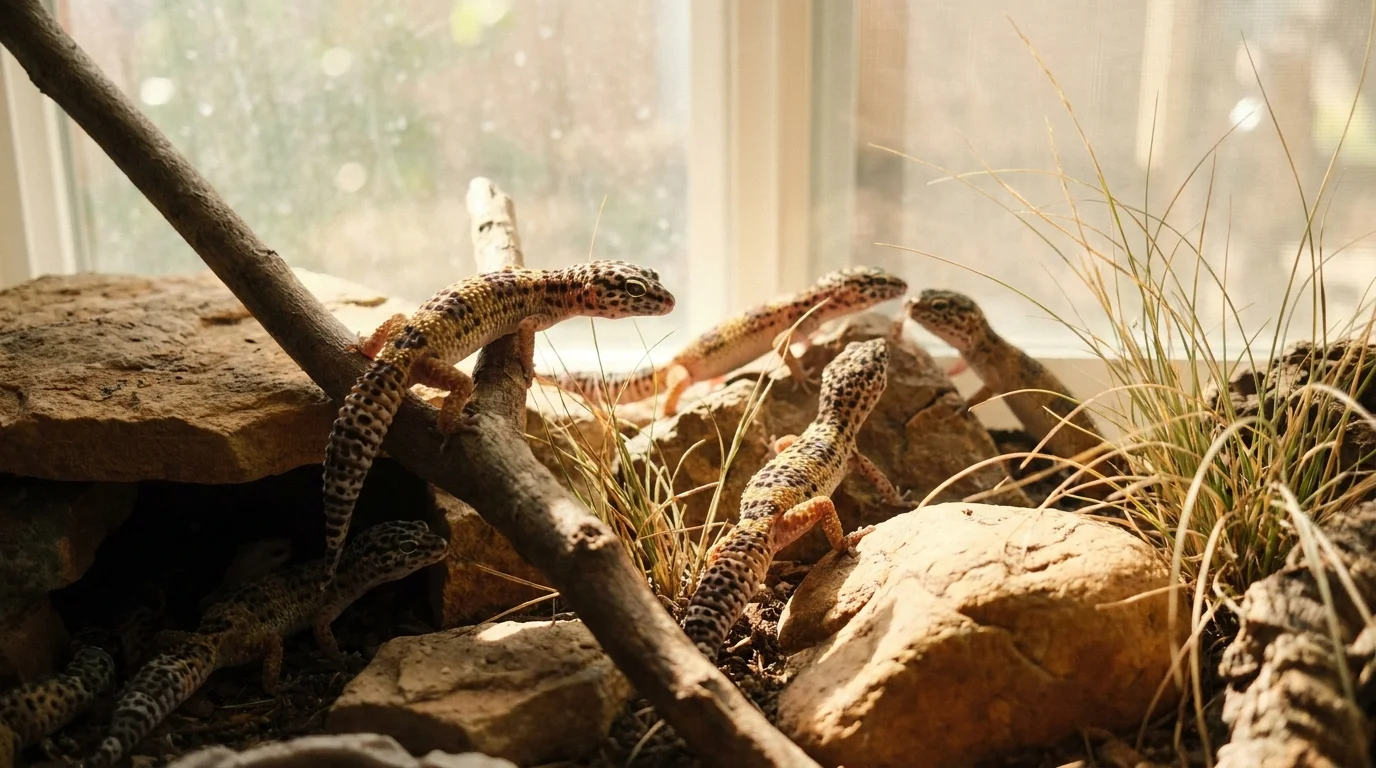
Reptiles are rarely the first animals that come to mind for seniors, but the Leopard Gecko is a hidden gem in the companion animal world. These terrestrial lizards are quiet, hypoallergenic, and require minimal daily physical effort from their owners.
Leopard geckos move methodically and slowly, making them very easy to handle safely. Their behavior relies heavily on routine. By feeding them at the same time each evening, you provide them with a structured environment that minimizes stress. Handling should be introduced gradually. Allow the gecko to walk across your flattened hands—a process called “treadmilling”—which gives you a lovely, low-impact sensory experience while allowing the animal to feel secure and unrestrained.
Because they are entirely contained within a terrarium, there is zero risk of tripping over them in the middle of the night. Their care revolves largely around maintaining proper heating and humidity gradients in their enclosure, offering a mentally engaging hobby that does not require strenuous exertion.
7. Canaries
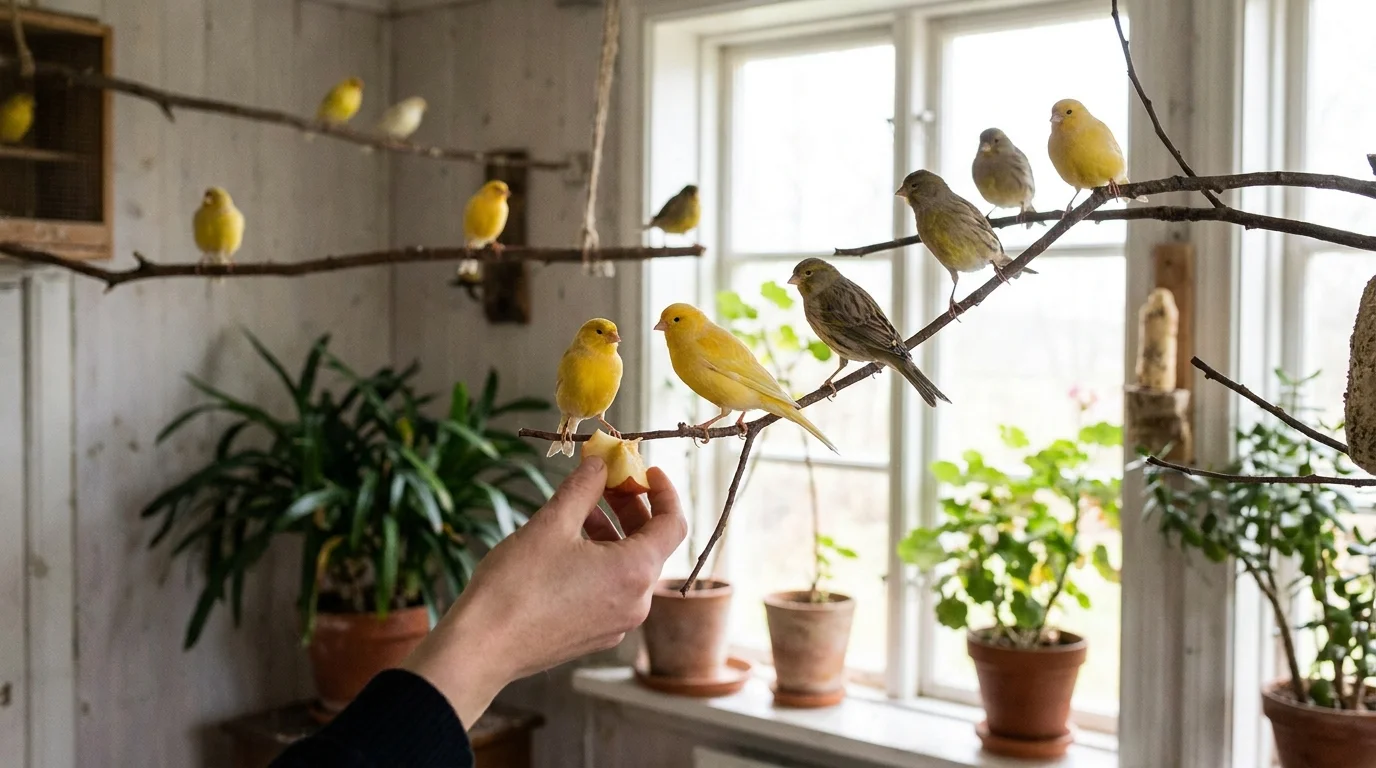
For seniors who appreciate auditory enrichment and the beauty of nature within their home, a male canary provides cheerful, melodious singing without the complex behavioral baggage of larger birds. Parrots, while intelligent, often suffer from extreme behavioral issues like feather plucking, resource guarding, and destructive screaming if their intensive social needs are not met. Canaries, by contrast, are content to observe the world from a spacious flight cage.
Canaries are hands-off pets. They do not enjoy being held, which removes the risk of defensive biting entirely. However, this does not mean they cannot be trained. You can use positive reinforcement to target train your canary. By holding a small piece of a millet spray near a specific perch and waiting for the bird to hop over to eat it, you provide the bird with a choice-based puzzle. This cognitive enrichment prevents cage boredom and creates a rewarding, interactive routine between you and your bird.
Ensure the cage is situated in a draft-free area where the bird can see you going about your day, as they are highly visual creatures who enjoy feeling like part of the household from a safe distance.

8. Betta Fish
Creating a beautifully aquascaped tank for a Betta fish offers a profound sense of tranquility. The rhythmic flow of the water and the vibrant, deliberate swimming patterns of the fish provide a mesmerizing focal point for any room. For seniors dealing with mobility challenges, a properly set up five-gallon heated and filtered aquarium requires very little physical maintenance.
Bettas are surprisingly intelligent and behaviorally interactive. Because they are highly territorial and visually oriented, they quickly learn to recognize their human caregivers. You can actually train a Betta fish using a process similar to target training. Gently tap the water’s surface or drag a brightly colored plastic stick along the outside of the glass right before dropping in their food. The Betta will quickly learn to follow the target, providing cognitive stimulation for the fish and a delightful daily interaction for you.
Frequently Asked Questions
Should a senior living alone adopt a young puppy or kitten?
Generally, it is not recommended. Young puppies and kittens require intense supervision, housebreaking, and critical socialization to prevent fear-based behaviors later in life. Furthermore, their sharp teeth, claws, and tendency to dart underfoot pose serious fall and injury risks. An older, behaviorally settled adult animal provides the companionship you desire without the exhausting physical demands of raising a baby animal.
What happens to my pet if I experience a medical emergency or outlive them?
This is a common and highly responsible concern. It is crucial to proactively build a support network. Have a conversation with family members, friends, or neighbors who are willing to act as emergency caregivers. Additionally, you can consult with an estate planning attorney to set up a pet trust, ensuring funds and explicit care instructions are legally binding and immediately accessible should you become hospitalized or pass away.
How can I manage a dog that pulls heavily on the leash?
Leash pulling is incredibly dangerous, as a sudden lunge can easily cause a devastating fall. If you have a dog that pulls, immediately transition them to a front-clip harness, which naturally redirects the dog’s momentum back toward you without choking them. From a training perspective, stop walking the moment the leash goes tight. Wait for the dog to look back at you or step back to loosen the leash, mark the behavior with a “Yes,” and reward them near your leg. If pulling persists, consult a certified professional dog trainer (CPDT-KA) to help you build solid loose-leash walking mechanics safely.
Are there financial assistance programs for seniors who want pets but have fixed incomes?
Yes, many animal welfare organizations recognize the vital importance of the human-animal bond for seniors and offer targeted support. Programs like “Seniors for Seniors” often waive or deeply discount adoption fees when an older adult adopts an older pet. Additionally, many local shelters operate pet food pantries, and certain veterinary clinics offer senior citizen discounts to help make routine medical care and preventative medications more affordable.
For expert pet care guidance, visit
PetMD, Vetstreet, Fear Free Pets and The Spruce Pets.
Disclaimer: This article is for informational purposes only and is not a substitute for professional veterinary advice, diagnosis, or treatment. Always consult with a licensed veterinarian for medical concerns about your pet.





Leave a Reply