
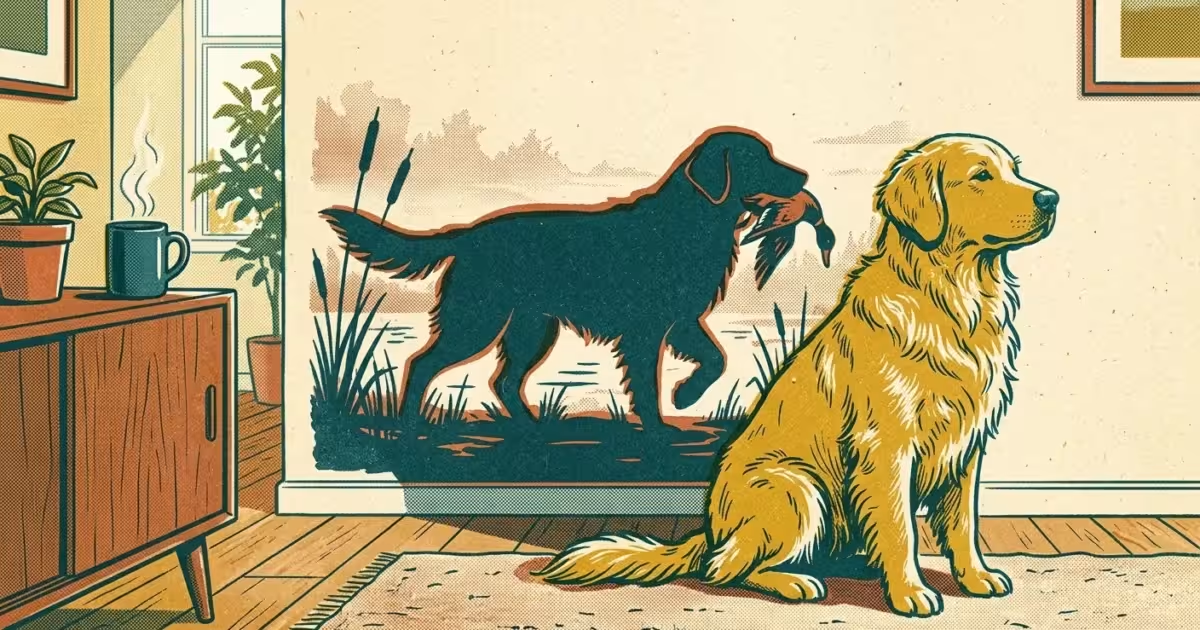
Understanding your dog’s ancestral purpose is the fastest way to solve mystery behaviors, curb frustration, and build a stronger bond. Every behavioral quirk—from the Border Collie’s intense stare to the Beagle’s booming howl—was deliberately engineered by early breeders to perform specific, critical jobs. When you recognize that your terrier digs up the yard because their ancestors hunted burrowing vermin, or your herding dog nips at your heels because they were bred to move livestock, you can stop fighting genetics. Exploring the specific working history behind these ten popular dog breeds provides practical insights into how you can successfully train, exercise, and enrich your companion’s modern life.
If you are considering adding a new pet to your household, it is wise to research the best dog breeds for first-time owners to ensure a good match for your experience level.
Understanding How Working History Shapes Modern Dog Behavior
Long before dogs were our couch companions, they were our coworkers. For thousands of years, humans selectively bred dogs to assist with survival, agriculture, and protection. This selective breeding altered not just a dog’s physical appearance, but their internal neurology. The drive to herd, guard, retrieve, or run is hardwired into their brains.
Meeting these deep-seated instinctual needs is a crucial part of the essential daily dog care tasks that keep our pets healthy and content.
Paying close attention to your dog’s body language can help you identify these instinctual behaviors before they become problematic habits.
According to the American Kennel Club (AKC), categorizing breeds by their original jobs helps us understand their innate drives and predict their behavioral tendencies. A dog bred to pull heavy sleds across the Arctic will naturally have immense physical endurance and a strong pulling instinct on the leash. A dog bred to work independently in the mountains guarding sheep will naturally be more aloof and prone to barking at perceived threats.
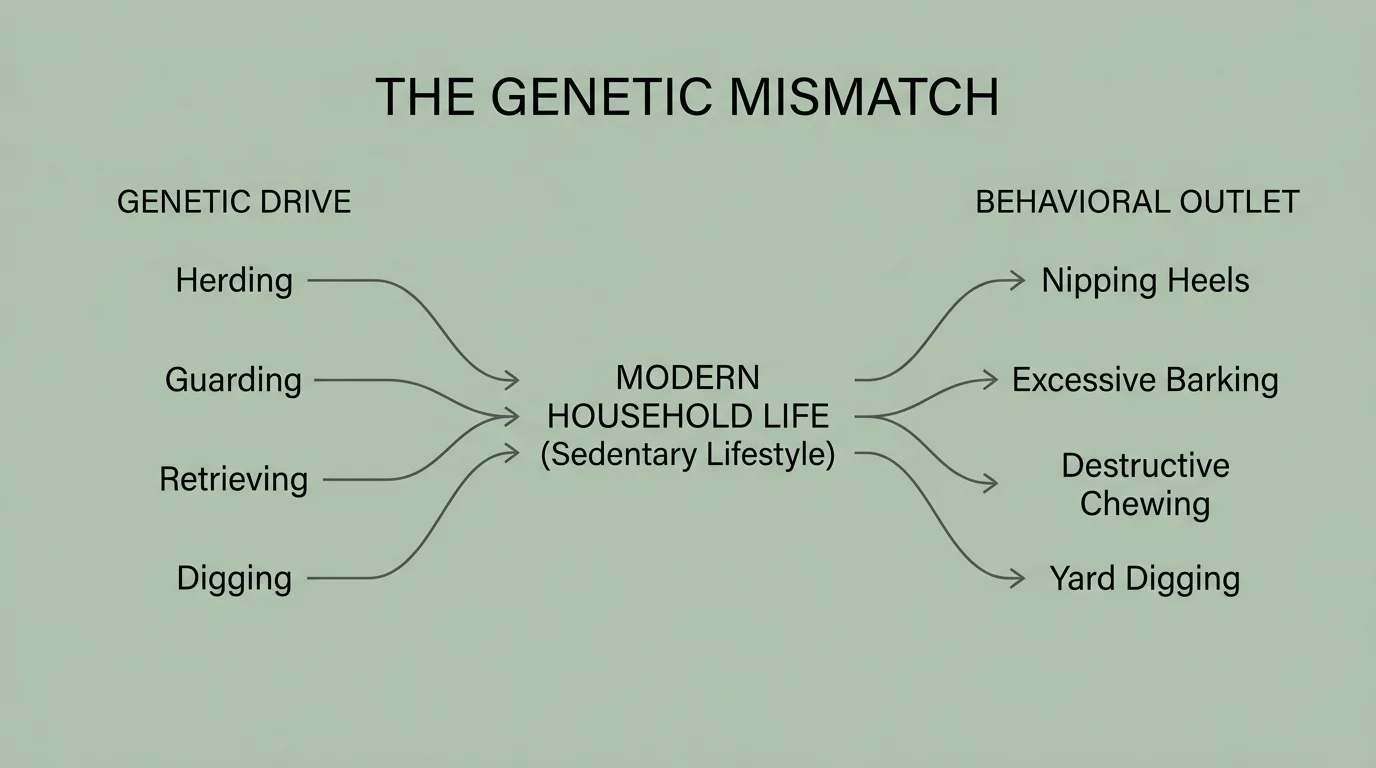
When you bring a working breed into a modern home, you are asking an animal with specialized genetics to adapt to a sedentary lifestyle. This mismatch is the root cause of many behavioral issues, including destructive chewing, excessive barking, and hyperactivity. By understanding what your dog was originally bred to do, you can provide breed-specific enrichment that satisfies their genetic urges, resulting in a calmer, happier pet.
“You cannot train the genetics out of a dog, but you can channel those ancient instincts into modern games and jobs that leave both you and your pet completely fulfilled.” — Certified Canine Behavior Consultant
Herding Dogs: The Border Collie and Australian Shepherd
Herding breeds were developed to move livestock, often across rugged terrain and harsh weather conditions. These dogs possess incredible intelligence, agility, and a strong desire to control the movement of other animals.
The Border Collie: The Eye of the Shepherd
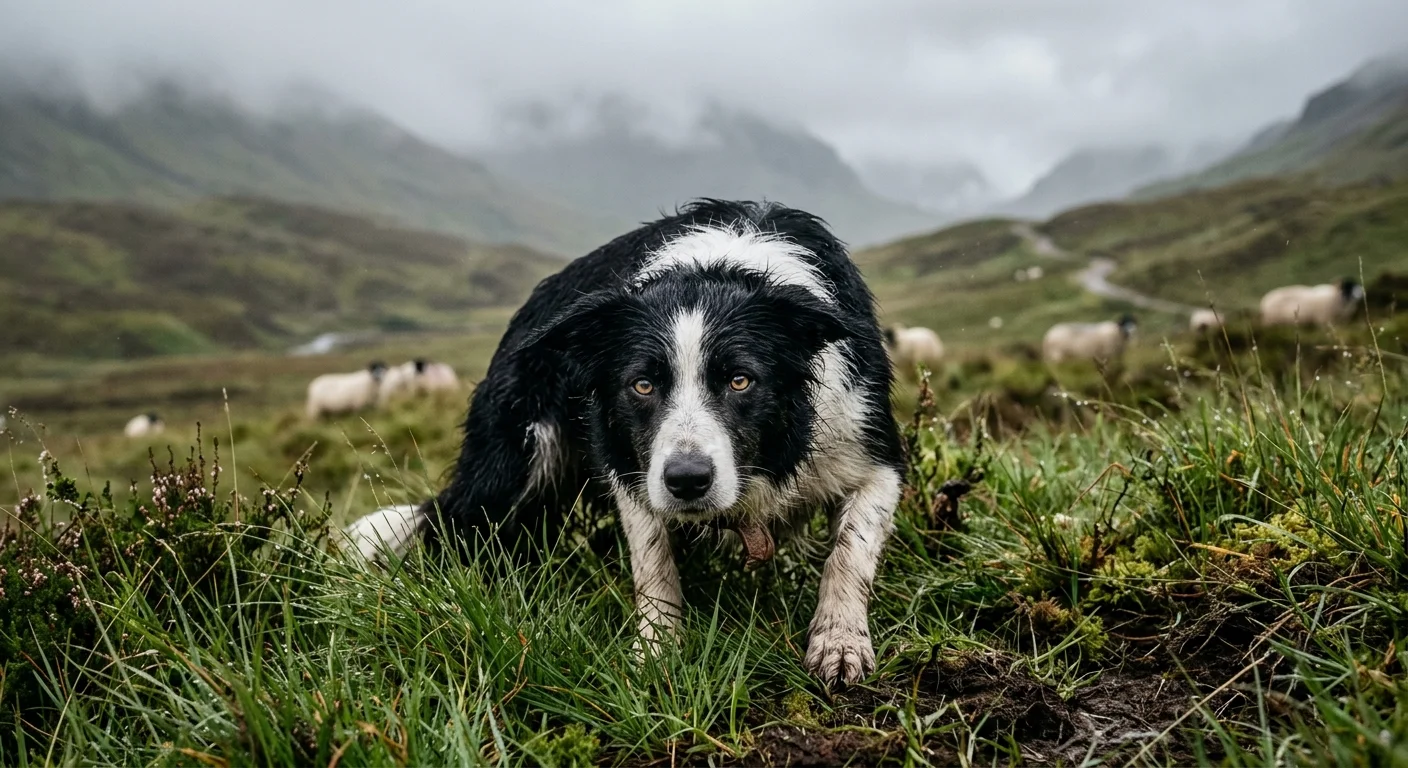
Originating on the rocky border between Scotland and England, the Border Collie was bred to gather and control sheep in the hilly, unforgiving landscape. They are famous for their “eye”—an intense, intimidating stare used to direct sheep without having to resort to physical force. Because they worked at a distance from the shepherd, relying on complex whistle commands, they evolved to be highly attuned to human signals and incredibly eager to learn.
If a highly active herding dog sounds too demanding, you might want to look into dog breeds known for calm personalities instead.
In your home, a Border Collie needs a job. If you do not provide one, they will invent one—which often includes herding your children, chasing bicycles, or obsessively staring at shadows. Channel their brilliant minds into advanced trick training, agility courses, or the sport of Treibball, where dogs herd large exercise balls into a goal.
The Australian Shepherd: The American Rancher
Despite their name, the Australian Shepherd was actually refined in the western United States. Basque shepherds traveled from Europe to Australia, and eventually to California, bringing their versatile herding dogs with them. American cowboys prized the “Aussie” for their ability to handle stubborn cattle and sheep, as well as their unwavering loyalty to their owners.
On days when the weather prevents outdoor play, there are plenty of fun indoor games to play with your dog that can keep their active minds occupied.
Australian Shepherds are often “velcro dogs” that prefer to be right by your side. They have boundless energy and can be prone to nipping at heels when excited—a leftover trait from biting the hocks of cattle. To manage this safely, redirect their mouthy behaviors to appropriate tug toys and ensure they receive vigorous daily physical exercise alongside complex puzzle games.
Hunting and Retrieving Companions: The Golden Retriever and Beagle
Sporting and hound breeds were developed to assist hunters by finding, flushing out, or retrieving game. Their sensitive noses and cooperative natures make them excellent, eager-to-please companions, though their prey drive remains strong.
The Golden Retriever: The Gentle Waterfowl Fetcher
The Golden Retriever traces its roots to the Scottish Highlands in the late 1800s. Lord Tweedmouth wanted a dog capable of navigating the rainy climate and rugged terrain to retrieve downed waterfowl from lakes and rivers. By crossing a Yellow Retriever with the now-extinct Tweed Water Spaniel, he created a dog with a dense, water-repellent coat and a naturally “soft mouth,” meaning the dog could carry a bird without damaging it.
Preventing excessive weight gain is key to avoiding orthopedic issues, a priority highlighted in many veterinary tips for keeping your dog safe.
Their incredible work ethic and keen senses also explain why they are frequently chosen as one of the best search and rescue dog breeds in the world today.
Today, that soft mouth translates into a dog that constantly wants to carry slippers, pillows, or toys around the house. Golden Retrievers thrive on fetching games and dock diving. Because they are prone to obesity and joint issues if under-exercised, the American Veterinary Medical Association (AVMA) recommends maintaining a lean body condition to protect their skeletal health.
The Beagle: The Vocal Scent Hound
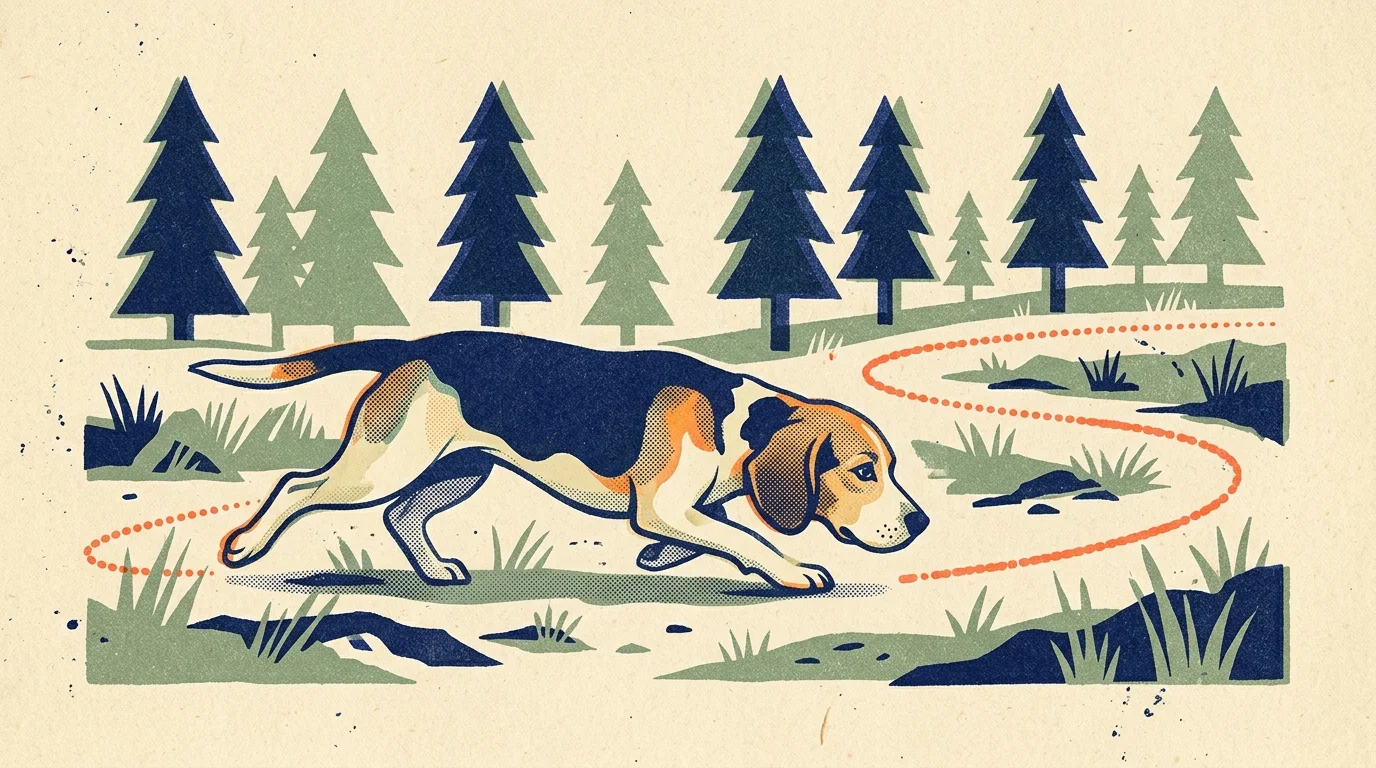
Originating in England, Beagles were bred to hunt rabbits and hares. Unlike noblemen who hunted on horseback, commoners hunted on foot, requiring a smaller hound they could easily keep pace with. Beagles hunted in packs, using their powerful noses to track scents through dense brush. They were specifically bred to be highly vocal—baying loudly so hunters could locate them in the woods.
If you own a Beagle, you must respect their nose. When a Beagle catches a scent, their ears essentially turn off. Off-leash reliability is notoriously difficult for this breed. Instead of fighting their tracking instincts, enroll them in scent work classes or hide treats around your living room for a “sniffari.” Be prepared to provide positive reinforcement training to manage their natural tendency to howl and bark at neighborhood wildlife.

Guardians of the Flock and Home: The Great Pyrenees and Doberman Pinscher
Guardian breeds fall into two main categories: Livestock Guardian Dogs (LGDs) that protect flocks from predators, and personal protection dogs developed to guard humans and property.
The Great Pyrenees: The Mountain Sentinel
Bred centuries ago to work in the snowy Pyrenees Mountains between France and Spain, the Great Pyrenees is a classic Livestock Guardian Dog. Their job was to live full-time with flocks of sheep, blending in with their white coats, and protecting the flock from wolves and bears. They were bred to be independent thinkers, making life-or-death decisions without human guidance. Furthermore, because predators hunt at night, the Great Pyrenees is naturally nocturnal and highly vocal after dark.
Establishing clear communication with such independent guardians starts with mastering the essential commands every dog should know.
In a modern neighborhood, a Great Pyrenees may view the postman or a passing dog as a threat to their “flock” (your family). They are not stubborn; they simply evaluate commands to see if they make sense. Providing a securely fenced yard is non-negotiable. Focus your training on building mutual respect and teaching a strong “quiet” cue, acknowledging their protective barks while letting them know you have the situation handled.
The Doberman Pinscher: The Personal Protector
Unlike the ancient Great Pyrenees, the Doberman Pinscher is a relatively modern breed. In the late 19th century, a German tax collector named Louis Dobermann needed a fiercely loyal, intimidating, and athletic dog to protect him while he carried money through dangerous areas. He mixed several breeds to create the sleek, alert Doberman we know today.
Early socialization helps prevent natural guarding behaviors from escalating, which is a vital step in understanding dog aggression types.
Dobermans are highly intelligent and bond intensely with their families. However, their protective instincts require careful management. Experts at the Association of Professional Dog Trainers (APDT) emphasize that proper, early socialization is critical for guarding breeds. Expose your Doberman puppy to diverse people, environments, and other animals using positive reinforcement, ensuring they view the world with confidence rather than suspicion.
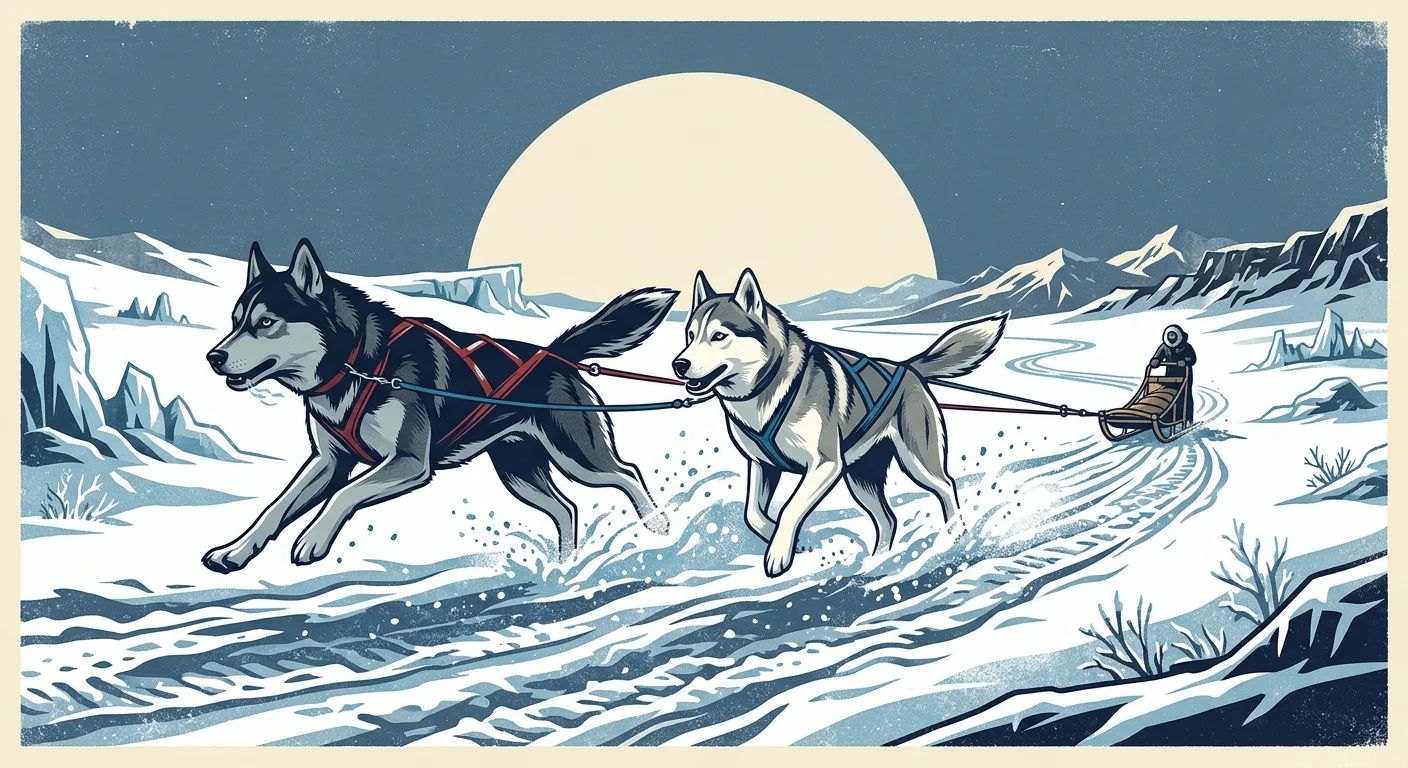
Sledding and Endurance Breeds: The Siberian Husky and Alaskan Malamute
Bred to survive sub-zero temperatures and pull sleds over snow and ice, these Northern breeds boast thick double coats, independent spirits, and an unquenchable desire to run.
Because of their thick double coats, taking the time to understand your dog’s grooming needs by breed is crucial to keep them healthy.
The Siberian Husky: The Marathon Sprinter
The Siberian Husky was developed by the Chukchi people of Northeastern Asia. Their specific function was to pull light loads over vast, frozen expanses at a fast pace. Because food was scarce in this environment, Huskies evolved an incredibly efficient metabolism, allowing them to run for miles on very little sustenance. When the sled was parked, they were expected to roam and hunt for their own food, which explains their notoriously high prey drive and desire to wander.
Since these dogs thrive in cold climates, engaging in structured winter activities with your dog is an excellent way to fulfill their seasonal energy needs.
Huskies are legendary escape artists. They will dig under, climb over, or chew through inadequate fencing. A tired Husky is a good Husky. Regular walks will not suffice; they need vigorous running opportunities like bikejoring, urban mushing, or long-distance hiking. Never trust a Husky’s recall off-leash in an unenclosed area.
The Alaskan Malamute: The Freight Train
While the Husky is built for speed, the Alaskan Malamute is built for raw power. Developed by the Mahlemut tribe in the Norton Sound region of Alaska, these heavy-boned dogs were used to pull massive, heavy sledges of food and supplies. They are the freight trains of the dog world.
Starting with a solid foundation of essential dog commands early in life will help make leash training much more manageable.
Because they were bred to pull heavy weights, teaching a Malamute to walk politely on a loose leash is a significant training challenge. Use a front-clip harness to help redirect their momentum, and reward them generously when they check in with you. Providing them with a dog backpack during walks gives them a sense of purpose and helps burn off their impressive physical strength.
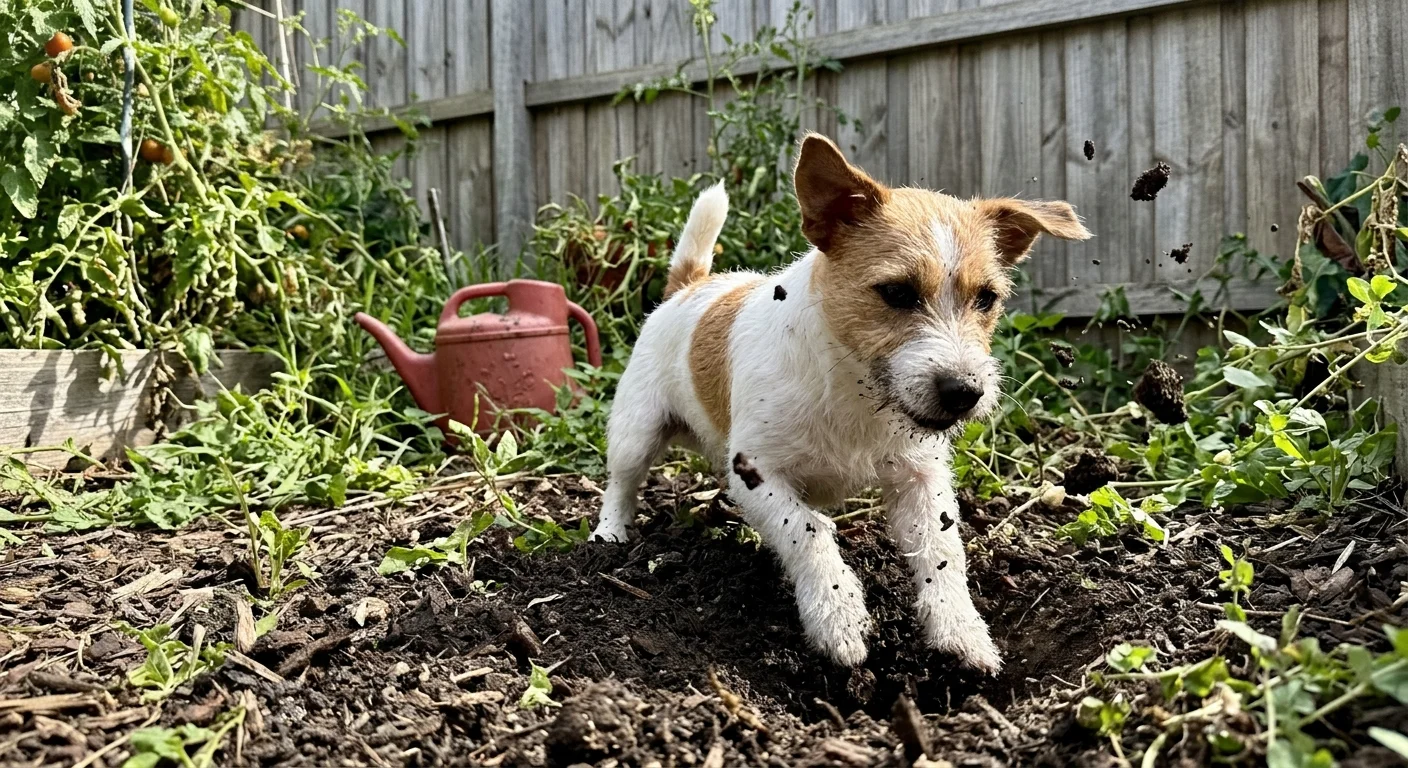
Terriers and Earth Dogs: The Jack Russell Terrier and Dachshund
The word “terrier” comes from the Latin word *terra*, meaning earth. These dogs were selectively bred to hunt vermin, dig into burrows, and face dangerous prey underground with zero hesitation.
The Jack Russell Terrier: The Fox Bolter
In 19th-century England, Reverend John “Jack” Russell wanted a dog that could keep up with hounds on a fox hunt, but was small enough to dive into a fox den. The Jack Russell Terrier was bred to bark constantly at the fox underground, “bolting” it out of its hole without actually killing it. This required immense courage, high energy, and extreme tenacity.
Today, that tenacity can look like a dog that obsessively chases squirrels, barks at every sound, or destroys plush toys in seconds. To satisfy their terrier urges safely, engage them in the sport of Barn Hunt or Earthdog trials, where they can search for safely enclosed rats in hay bales. Provide a designated “digging box” in your yard filled with loose sand and hidden toys to keep your landscaping safe.
The Dachshund: The Badger Hunter
Dachshund literally translates from German as “badger dog.” Everything about their iconic shape serves a working purpose: their long bodies and short, powerful legs allow them to navigate narrow underground tunnels; their deep chests provide ample lung capacity for breathing in dirt-filled burrows; and their loud bark alerts human hunters to their underground location.
Hunting badgers requires a dog with a fierce, stubborn streak, and modern Dachshunds retain that bold personality. Because of their elongated spines, they are highly susceptible to Intervertebral Disc Disease (IVDD). Use ramps to help them get on and off furniture, and avoid encouraging them to jump. While they may be stubborn during obedience training, keeping sessions short, positive, and heavily rewarded with high-value treats will win them over.
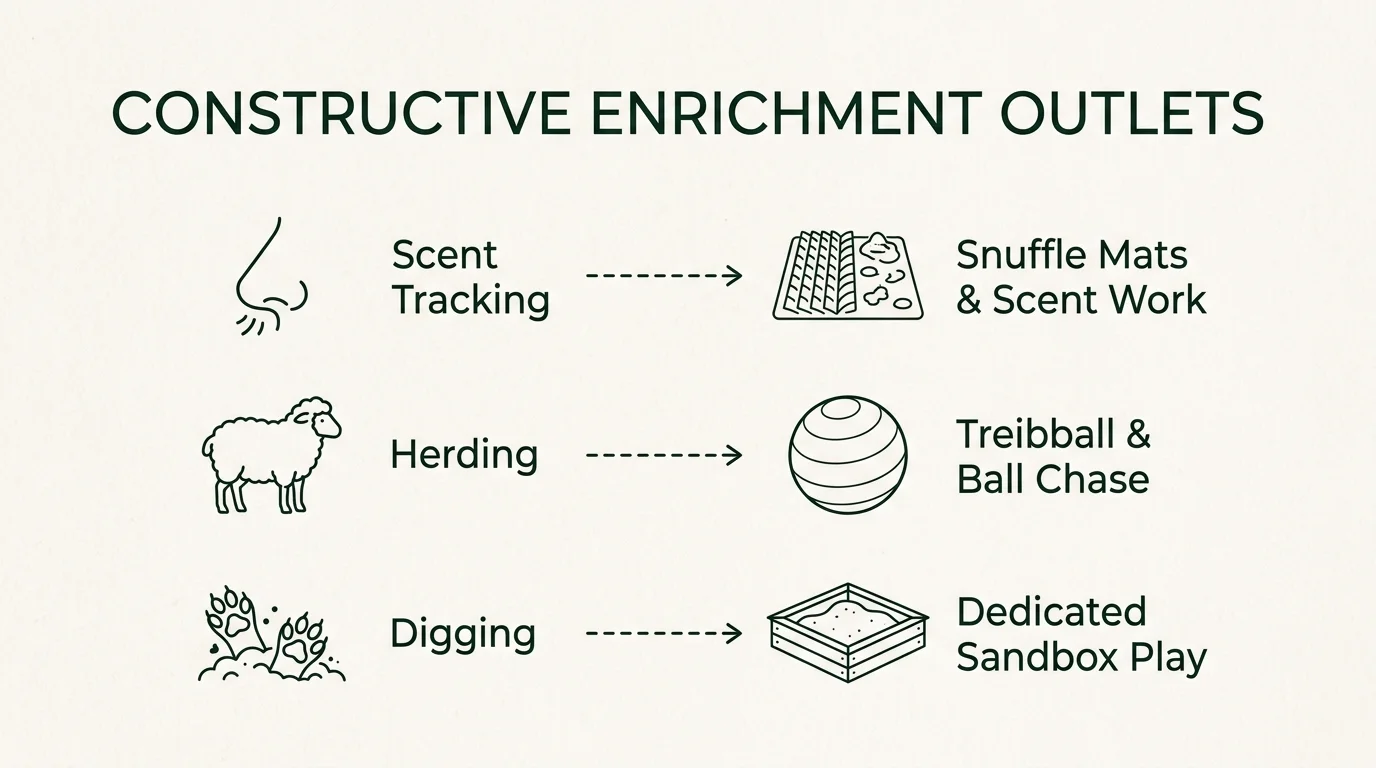
How to Channel Your Dog’s Natural Instincts Into Positive Outlets
When you cannot take your dog duck hunting or buy them a flock of sheep, you must provide alternative outlets. The philosophy championed by Fear Free Pets focuses on reducing fear, anxiety, and stress through environmental enrichment and positive, reward-based training. Engaging your dog’s brain is often more exhausting for them than a physical run.
Here are practical ways to manage common instinctual behaviors:
| Instinctual Behavior | Original Purpose | Healthy Modern Outlet |
|---|---|---|
| Digging | Hunting burrowing vermin (Terriers, Dachshunds) | Provide a dedicated sandbox or a plush “snuffle mat” for indoor digging and foraging. |
| Chasing / Nipping | Moving livestock (Border Collies, Aussies) | Use a flirt pole (a toy on a string tied to a wand) to satisfy prey drive in a controlled manner. |
| Carrying Objects | Retrieving waterfowl (Golden Retrievers) | Give them soft toys to carry on walks or teach them to tidy up their toys into a basket. |
| Excessive Sniffing | Tracking game (Beagles, Bloodhounds) | Scatter their kibble in the grass instead of using a bowl, or practice scent-tracking games. |
| Alert Barking | Guarding property or flocks (Pyrenees, Dobermans) | Acknowledge the bark, then teach a “thank you, quiet” cue with high-value rewards. |
If you are struggling to manage your dog’s drives, do not rely on punishment-based tools like shock collars or choke chains, which often increase anxiety and aggression. Instead, consult a certified positive reinforcement trainer who understands breed-specific behaviors. By giving your dog an appropriate outlet for their genetics, you prevent destructive habits before they form.
Frequently Asked Questions
Can you train a working dog to completely ignore their instincts?
No, you cannot erase genetics. A herding dog will always have the urge to herd, and a scent hound will always want to track. Instead of trying to suppress these instincts, successful training involves putting those behaviors on cue or providing designated times and places for your dog to express them safely.
Are working breeds suitable for first-time dog owners?
Some working breeds are highly adaptable, while others require intense management. A Golden Retriever is generally forgiving and eager to please, making them an excellent choice for beginners. Conversely, breeds like the Siberian Husky, Great Pyrenees, or Border Collie require a significant commitment to physical exercise and mental stimulation, which can quickly overwhelm a novice owner.
How do I know if my dog’s bad behavior is genetic or just poor training?
Genetic behaviors are deeply ingrained, self-rewarding actions that relate directly to the dog’s breed history—like a terrier digging or a hound baying at a scent. Poor training usually manifests as a lack of boundaries, such as jumping on guests or counter-surfing. However, even genetic behaviors require training to manage appropriately. If you feel overwhelmed, seek guidance from a certified behaviorist.
Do mixed breeds still display these working traits?
Yes, mixed breeds often display a combination of the working traits of their ancestors. If you adopt a rescue dog that looks like a terrier mix, you should anticipate a strong prey drive and a desire to dig. Observing your mixed breed’s natural inclinations will give you excellent clues about what kinds of games and training methods they will enjoy most.
For expert pet care guidance, visit
American Veterinary Medical Association (AVMA), American Kennel Club (AKC), Cat Fanciers’ Association (CFA) and ASPCA.
Disclaimer: This article is for informational purposes only and is not a substitute for professional veterinary advice, diagnosis, or treatment. Always consult with a licensed veterinarian for medical concerns about your pet.








Leave a Reply