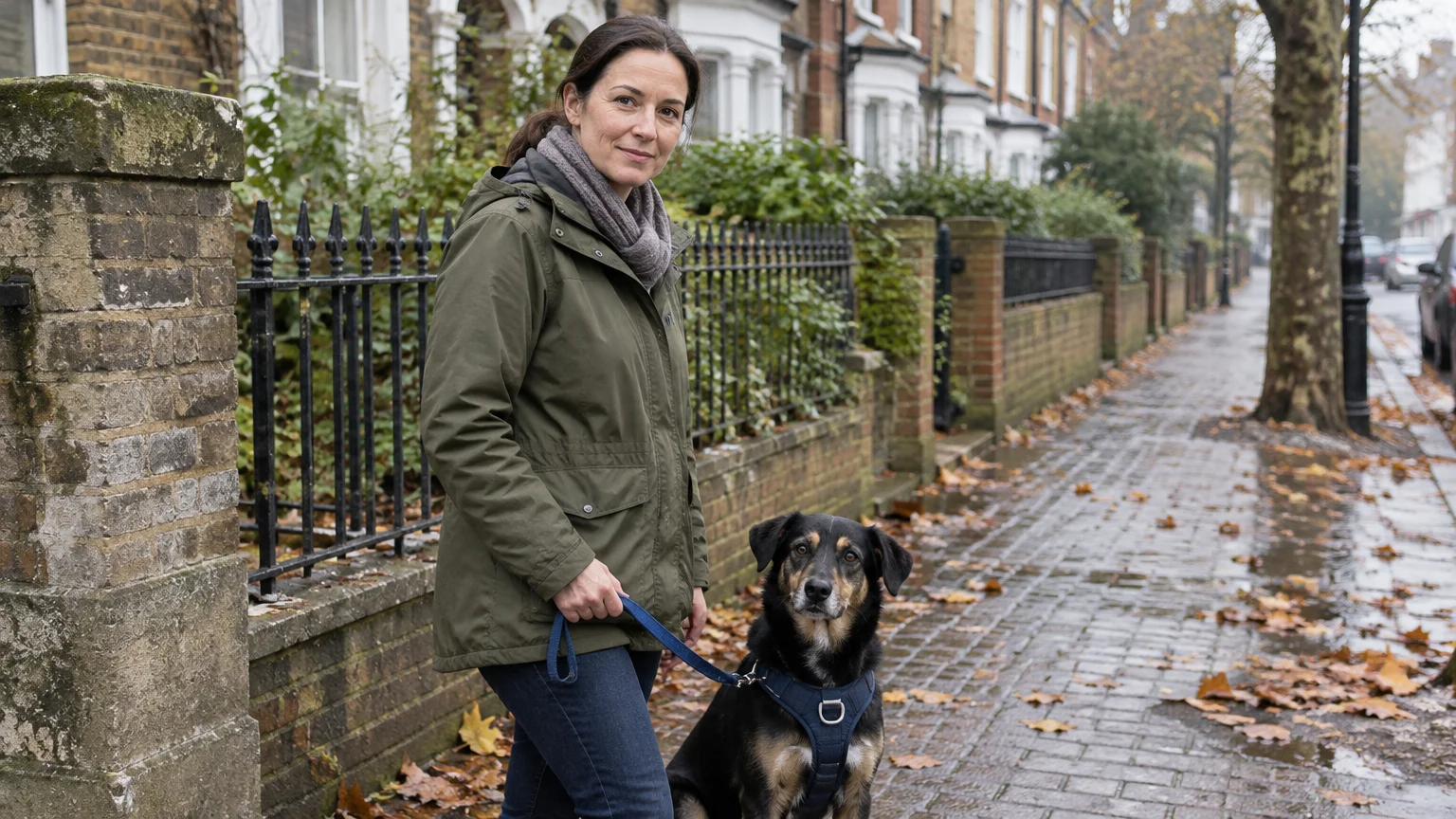
Simple daily handling habits keep walks safe and prevent serious dog bites. A landmark UK study shows that direct owner control matters far more than your pet’s breed.
Anglia Ruskin University and Battersea Dogs and Cats Home reviewed over one hundred court cases. They discovered that basic lapses in handling cause most incidents.
Whether you walk a terrier or a retriever, smart leash habits protect your dog and your community. Here is how you can take charge of every walk starting today.
Key Findings from the UK Bite Report
In late 2026, researchers at Anglia Ruskin University examined 130 dog bite incidents from 127 court cases. Their study revealed that owner lapses caused the vast majority of problems.
A failure to control a dog in public was the top cause, driving 32 percent of all cases. Another 15 percent happened when dogs escaped from yards or slipped past open front doors.
Close proximity between dogs and victims triggered 15 percent of bites. An equal number occurred when owners tried to break up fights between large and small pets.
| Incident Factor | Share of Court Cases |
|---|---|
| Failure to control dog in public | 32% |
| Failure to secure dog (escapes or tethers) | 15% |
| Close physical proximity to victim | 15% |
| Predatory behavior or intervening between dogs | 15% |
| Territorial or fear defense inside home | 12% |
Why Breed Labels Miss the Real Risk
Many people assume that bite risk depends entirely on breed. However, the UK report proved that bites involve many different types of dogs, not just restricted breeds.
In fact, the court records did not even identify the dog breed in 15.63 percent of cases. Behavior and human handling dictate outcomes much more than genetic labels.
According to the American Veterinary Medical Association (AVMA), any dog can bite if it feels startled, trapped, or sick. Good management prevents those stressful triggers from turning into emergencies.
“Attacks cannot be explained solely by breed. Safe handling and proper management protect people and pets across all communities.” — Dr. Angus Nurse, ARU Law School
Essential Leash Habits for Daily Walks
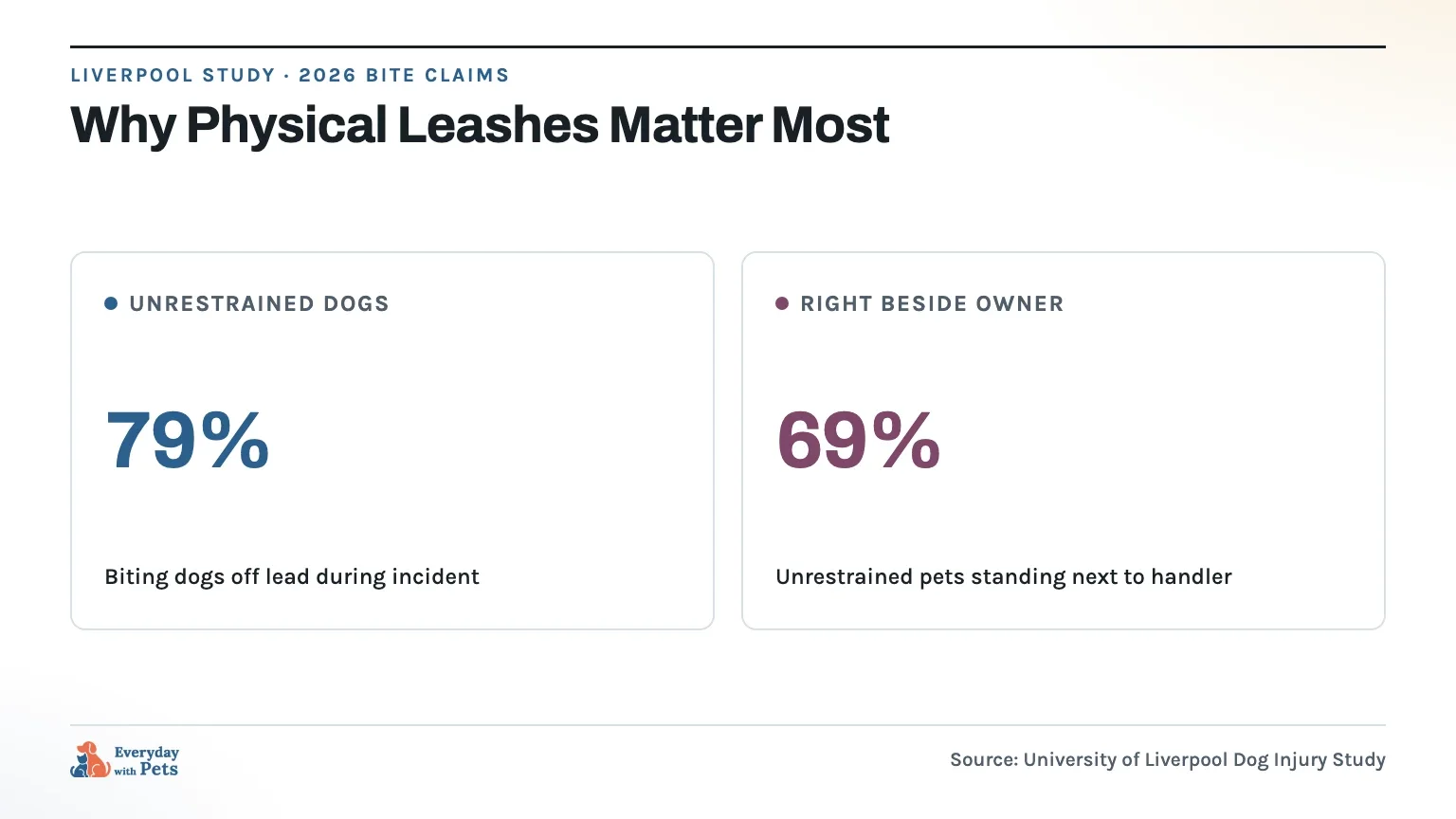
A separate 2026 study from the University of Liverpool reviewed 816 dog injury claims. They found that nearly 79 percent of biting dogs were unrestrained when the incident occurred.
Even more striking, almost 69 percent of those dogs were standing right beside their owners. Being nearby is simply not enough if your pet is off-leash.
Use a standard four-foot to six-foot fixed lead along pavements and crowded paths. Fixed leads give you immediate control and prevent your dog from darting around blind corners.
Avoid retractable leads in urban areas. Thin cords can snap easily, tangle your legs, and keep you from guiding your dog away from sudden surprises.
Scan ahead for joggers, bikes, and other pets. When you spot a distraction, create space early and reward your dog for checking in with you.
Securing Your Home and Entryways
Safe handling does not stop at the front door. The Liverpool study noted that over 52 percent of dog bites happen on private residential property.
Delivery workers make up over 28 percent of bite victims. Front entryways present sudden surprises that trigger territorial guarding or fear in many dogs.
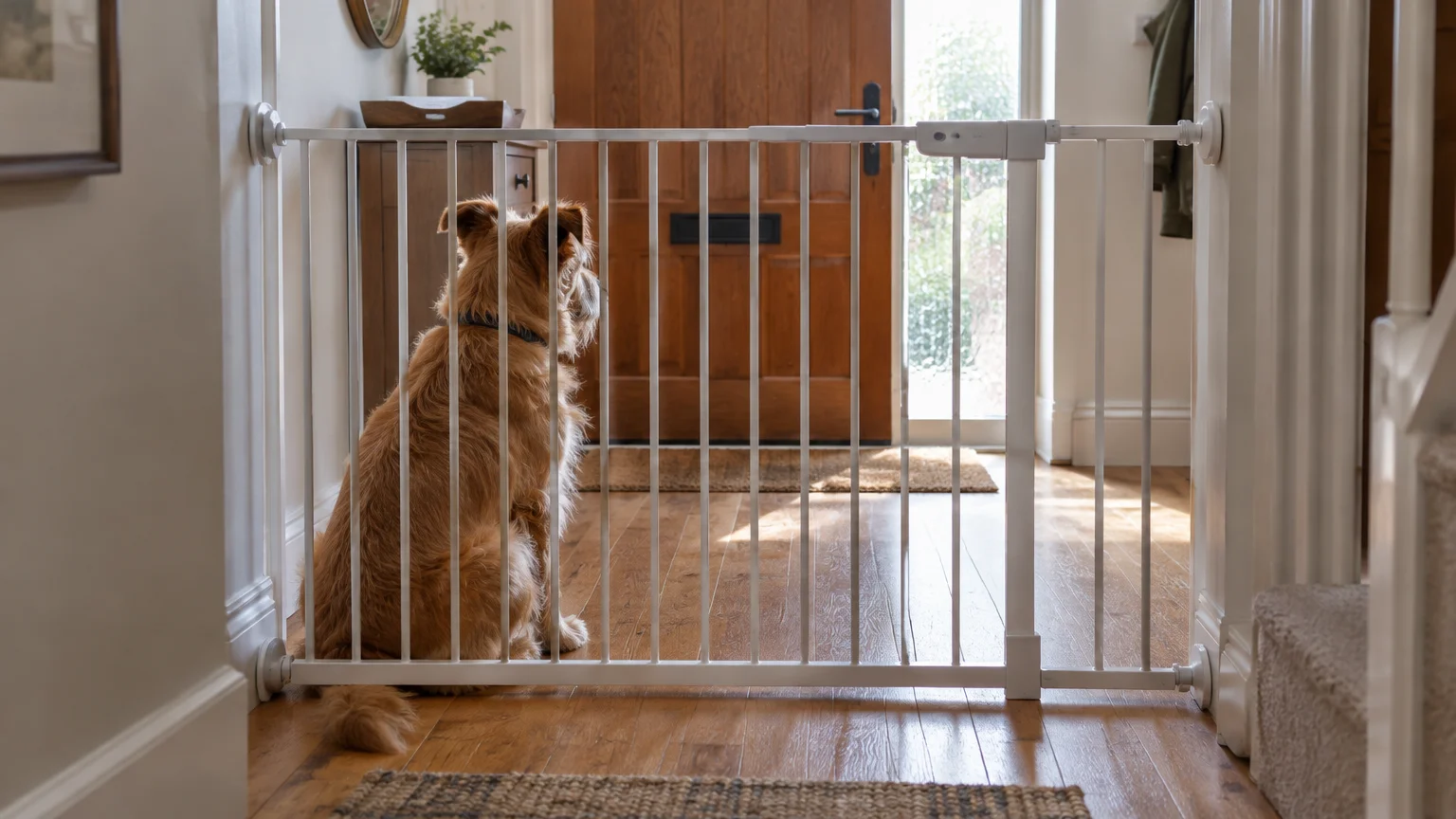
Create a two-door barrier system in your hallway. A sturdy baby gate keeps your dog safely away from the front door when packages arrive.
Inspect your garden fences and gate latches monthly. The ARU report noted 24 court cases where dogs escaped yards or broke tethers before biting someone.
Place outside letterboxes away from your gate. This simple fix allows delivery drivers to drop mail without coming into contact with your pet.
Handling Gear for Different Breeds and Budgets
The right gear helps you maintain control without causing your dog stress or pain. You can find solid options that fit any family budget.
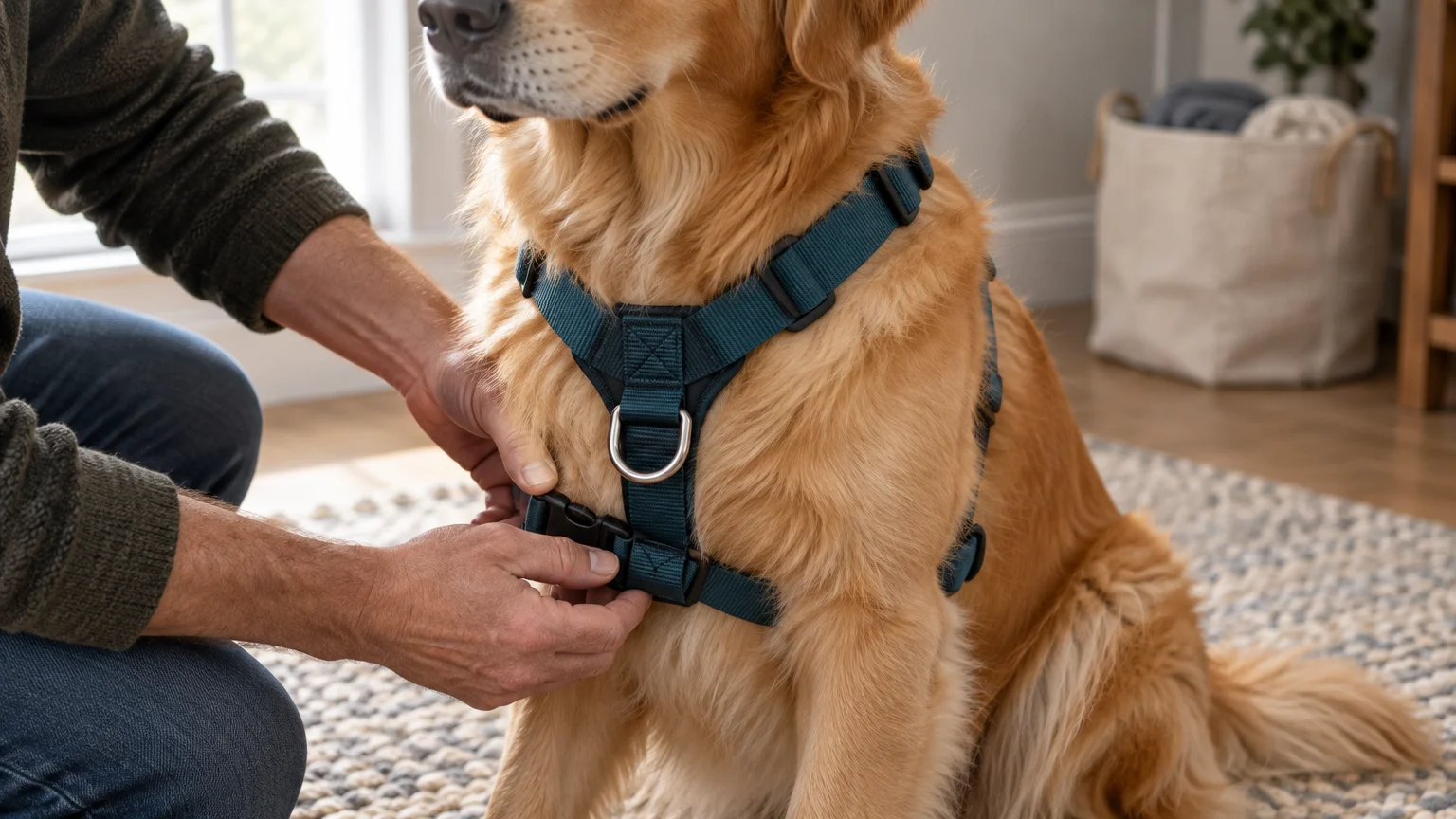
For strong pullers or large breeds, choose a well-fitted front-clip harness. Front clips steer your dog back toward you gently without putting pressure on their windpipe.
Smaller breeds benefit from padded step-in harnesses. These distribute pressure across the chest and prevent throat injuries if your small dog lunges.
If your dog has a bite history, train them to wear a basket muzzle happily. Basket muzzles allow panting and drinking while keeping everyone in public completely safe.
Budget-conscious owners can buy certified safety gear at local feed stores or rescue thrift shops. You do not need expensive tactical gear to keep walks safe.
When to Seek Professional Training Support
Consistent daily practice solves many everyday leash struggles. Basic food rewards and focus games teach your dog to look to you whenever tensions rise.
According to the Association of Professional Dog Trainers (APDT), reward-based methods build reliable behaviors without increasing fear or defensive reactivity.
If your dog growls, lunges, or snaps at passing triggers, hire a certified positive reinforcement trainer. Early intervention prevents mild reactions from turning into dangerous incidents.
Under the UK Dangerous Dogs Act, owners face heavy fines and prison time if a dog injures someone. Taking fast action protects both your pet and your family.
Frequently Asked Questions
Does a dog’s breed decide whether it will bite?
No single breed causes all bites. Research shows that owner supervision, early socialization, and daily leash habits play a much larger role.
What is the single best habit for preventing dog bites?
Keep your dog on a standard fixed lead in busy public areas. A short leash gives you instant control and prevents unexpected confrontations.
Are retractable leashes safe for daily neighborhood walks?
Retractable leashes increase bite risks because they reduce your control. The thin cord can also snap, tangle, or cause severe friction burns.
How can I protect delivery drivers who visit my home?
Install an interior safety gate to block access to your front door. You can also place an external mailbox near your driveway.
For expert pet care guidance, visit
The Humane Society of the United States, Cornell University College of Veterinary Medicine, UC Davis School of Veterinary Medicine, American Animal Hospital Association (AAHA) and Association of Professional Dog Trainers (APDT).
Disclaimer: This article is for informational purposes only and is not a substitute for professional veterinary advice, diagnosis, or treatment. Always consult with a licensed veterinarian for medical concerns about your pet.