
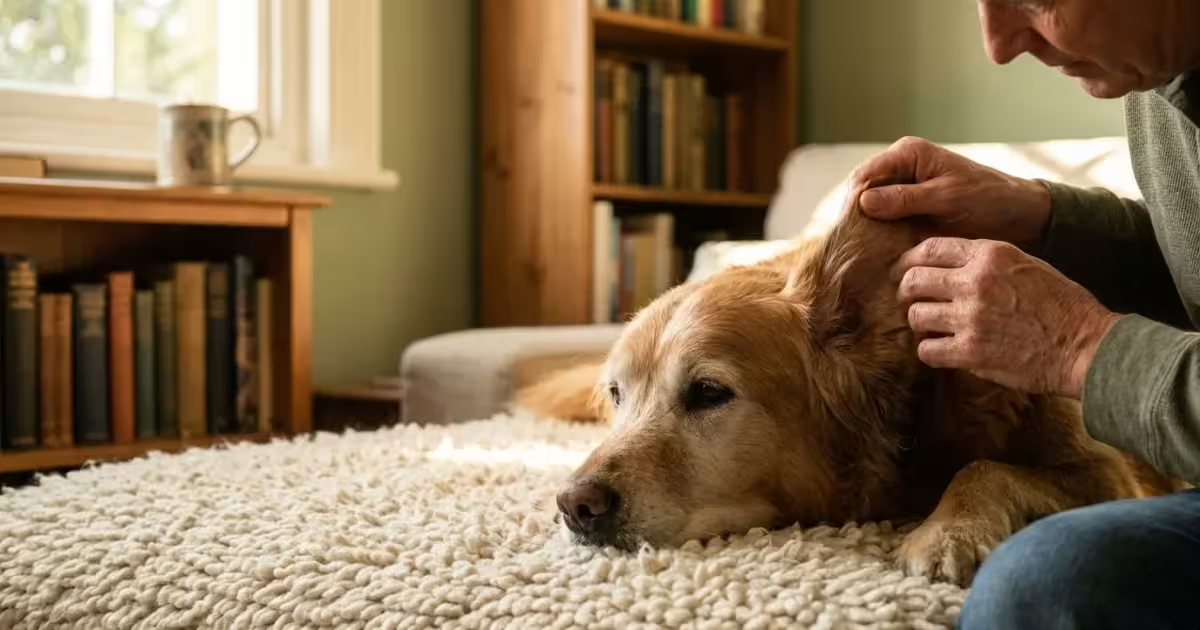
Your dog communicates their health primarily through physical changes, making your daily observations the first and most critical line of defense in veterinary care. Subtle shifts in your dog’s appearance or bodily functions often whisper before a medical condition begins to shout. Recognizing these early warning signs allows you to seek timely, sometimes life-saving, veterinary intervention. By paying close attention to everything from gum color to coat texture, you empower yourself to advocate effectively for your pet’s well-being. Knowing exactly which physical transformations warrant a phone call to your veterinarian will help you keep your beloved companion comfortable, healthy, and by your side for years to come.
Understanding these physical shifts is just one way that pets quietly communicate their internal health status to their owners.
Unexplained Weight Fluctuations
A sudden change in your dog’s weight without an obvious alteration in diet or exercise requires immediate investigation. Weight loss despite a ravenous appetite frequently points to metabolic disorders like diabetes mellitus, exocrine pancreatic insufficiency, or intestinal parasites. Conversely, unexplained weight gain—especially when accompanied by lethargy—often signals hypothyroidism or Cushing’s disease.
Closely monitoring these shifts is especially vital for senior pet health, where metabolic changes become more frequent and impactful.
Including weight and body checks in your daily dog care tasks ensures you catch subtle physical shifts before they become serious medical concerns.
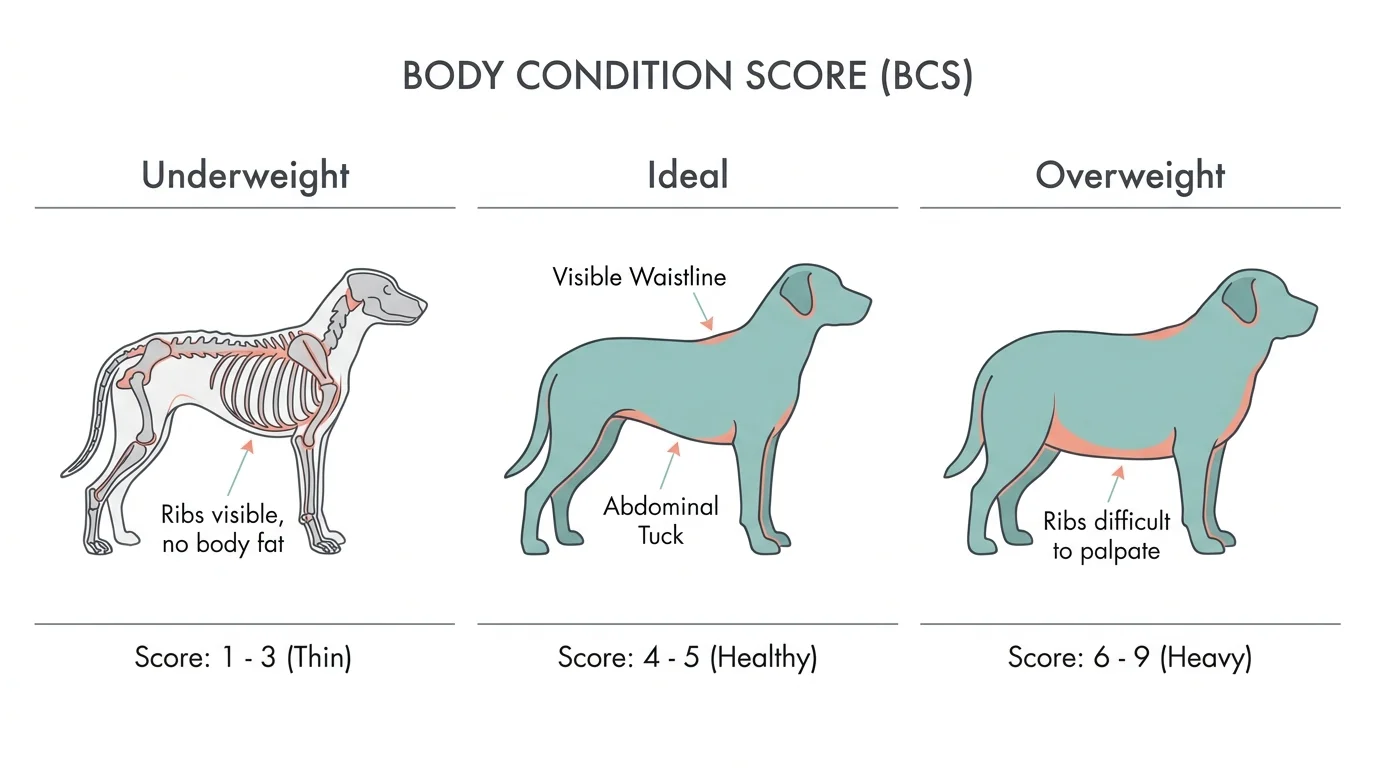
Rather than relying solely on the scale, you should monitor your dog’s Body Condition Score (BCS). The BCS provides a more accurate picture of your dog’s true physical condition by evaluating body fat placement and muscle mass. A healthy dog should have a visible waistline when viewed from above and an abdominal tuck when viewed from the side.
| Body Condition | Visual and Physical Signs | Required Action |
|---|---|---|
| Underweight | Ribs, lumbar vertebrae, and pelvic bones are easily visible. No palpable body fat. Severe abdominal tuck. | Consult your veterinarian to rule out malabsorption issues, parasites, or metabolic disease. |
| Ideal | Ribs are palpable without excess fat covering. Waist is visible behind ribs from above. Abdomen tucks up from the side. | Maintain current nutrition and exercise routine; monitor monthly. |
| Overweight | Ribs are difficult to palpate under a heavy fat cover. Noticeable fat deposits over the lumbar area and base of the tail. Waist is absent. | Implement a controlled diet plan and gradually increase low-impact exercise. |
Perform a hands-on rib check every two weeks. Place your thumbs on your dog’s spine and spread both hands over their ribcage. If you have to press hard to feel the ribs, your dog is carrying excess weight. If the ribs feel sharp like your knuckles when making a fist, your dog is underweight.
Shifts in Gum and Tongue Color
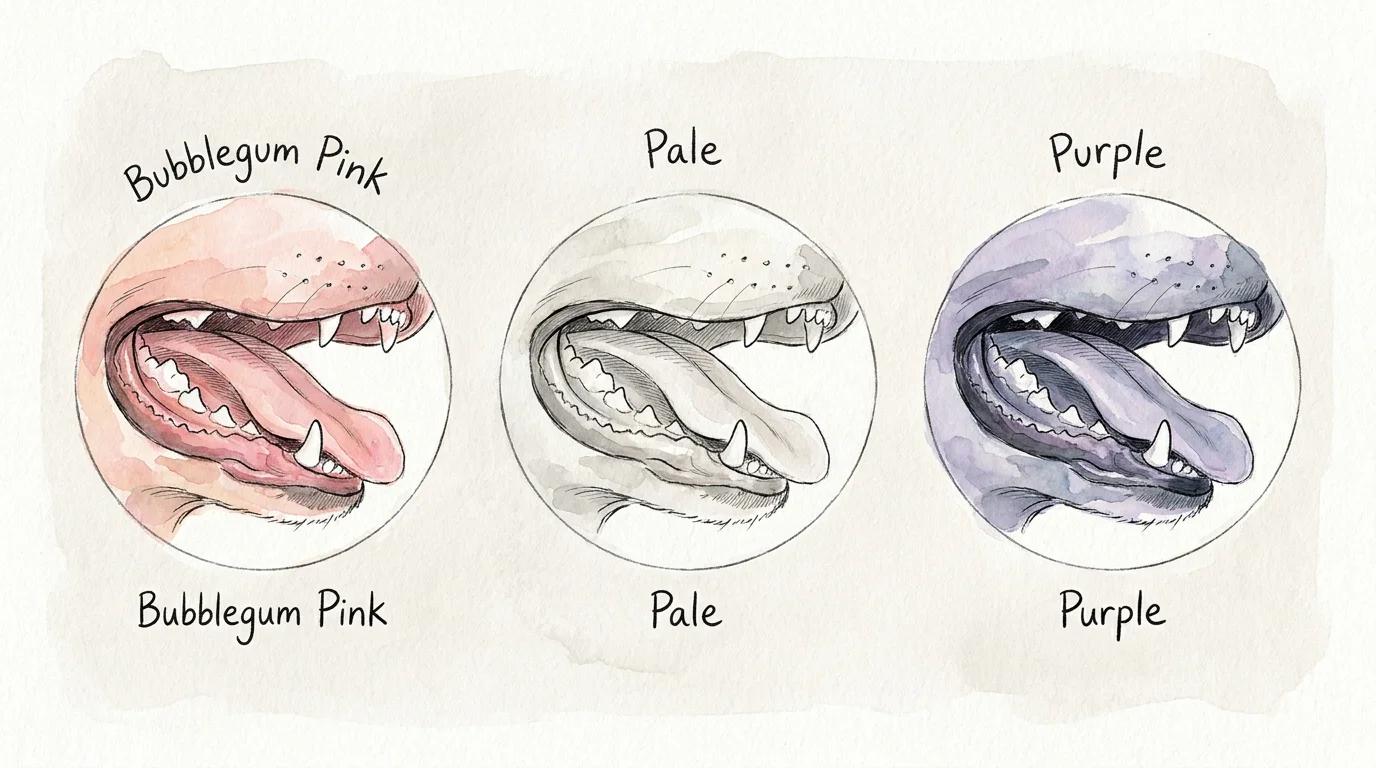
Your dog’s gums serve as a direct window into their circulatory and respiratory health. Under normal conditions, healthy canine gums display a vibrant, bubblegum-pink hue—though some breeds, like Chow Chows and Shar-Peis, naturally have pigmented black or mottled gums. Getting familiar with your dog’s baseline gum color allows you to spot dangerous deviations quickly.
Beyond color changes, maintaining pet dental health is essential for preventing systemic infections that can affect the heart and kidneys.
Checking capillary refill time (CRT) provides actionable data about your dog’s blood perfusion. Press your index finger firmly against your dog’s upper gumline above the canine tooth, then release. The tissue will turn white where you pressed. In a healthy dog, the pink color should return in less than two seconds. If it takes longer, your dog may be experiencing compromised blood flow.
Watch for these specific color changes, which act as critical warning signs:
- Pale white or severely faded pink: This points to a lack of red blood cells (anemia), internal bleeding, or clinical shock. This is an immediate medical emergency.
- Blue or purple tinge (cyanosis): This indicates severe oxygen deprivation. It occurs frequently with congestive heart failure, severe asthma, or choking.
- Yellow tint (jaundice): Yellowing of the gums, the whites of the eyes, or the inside of the ear flaps suggests severe liver dysfunction or massive red blood cell destruction.
- Bright, brick red: Exceptionally red gums can signal heatstroke, severe systemic infection (sepsis), or carbon monoxide poisoning.
Changes in Coat Texture and Skin Condition
A dog’s skin and coat require significant nutritional resources to maintain; therefore, the coat is often the first area to suffer when underlying disease limits nutrient distribution. A glossy, smooth coat that suddenly turns dry, brittle, or greasy demands your attention. According to the American Kennel Club (AKC), sudden changes in a dog’s coat often point to underlying endocrine disorders, food allergies, or nutritional deficiencies.
Regularly using the best grooming tools for your dog’s specific coat type can help you identify these skin changes more easily during your home checks.
Pay close attention to the pattern of hair loss (alopecia). Bilateral, symmetrical hair loss—meaning the hair thins out evenly on both sides of the body—is a classic hallmark of hormonal imbalances, such as hypothyroidism. On the other hand, patchy, asymmetrical hair loss accompanied by intense itching usually indicates parasitic infections like mange, flea allergy dermatitis, or ringworm.
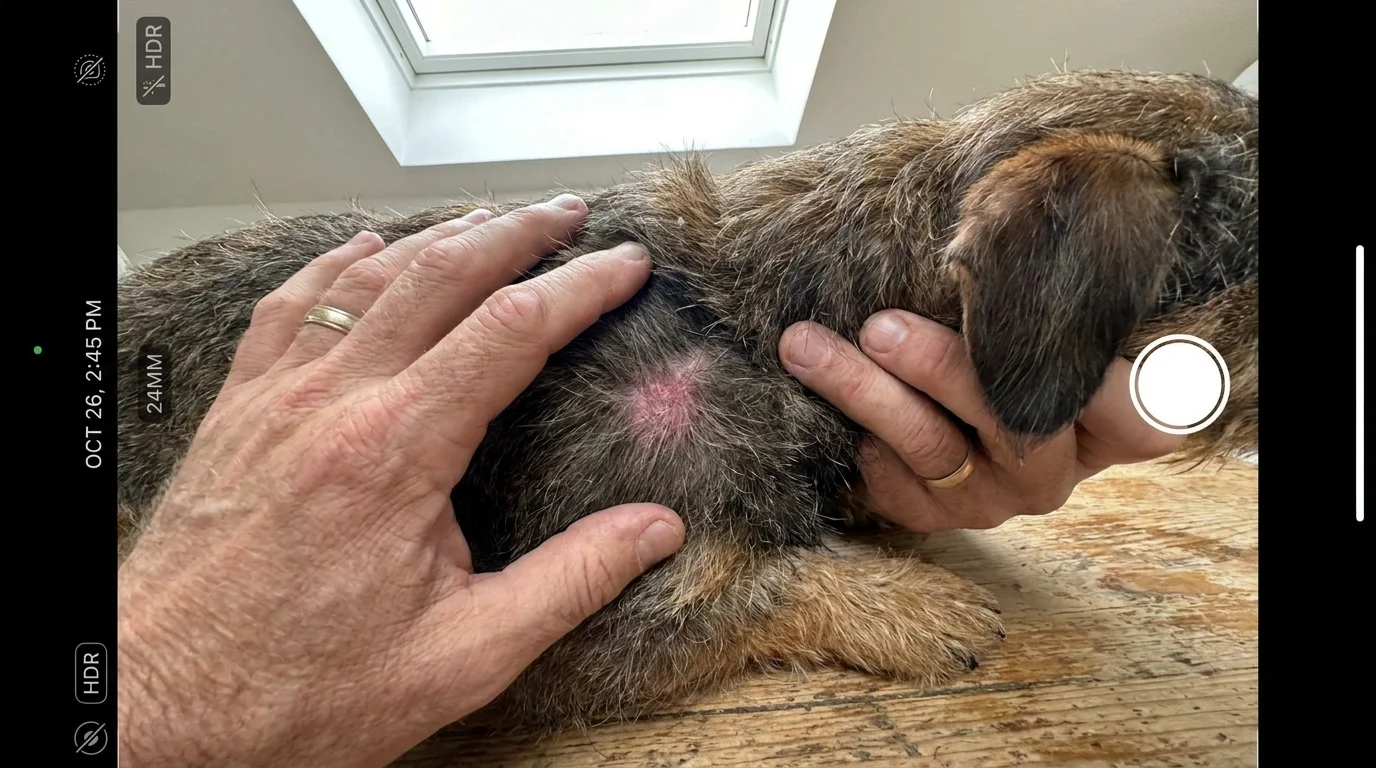
You should also examine the skin itself during routine grooming. Look for excessive scaling (dandruff), which can indicate seborrhea or a lack of essential fatty acids in the diet. The sudden appearance of moist, oozing, red patches—commonly known as hot spots—requires swift veterinary intervention. Hot spots spread rapidly due to self-trauma; dogs will chew and lick the area obsessively to relieve the intense itch, turning a minor irritation into a severe bacterial infection within hours.
New Lumps, Bumps, and Swellings
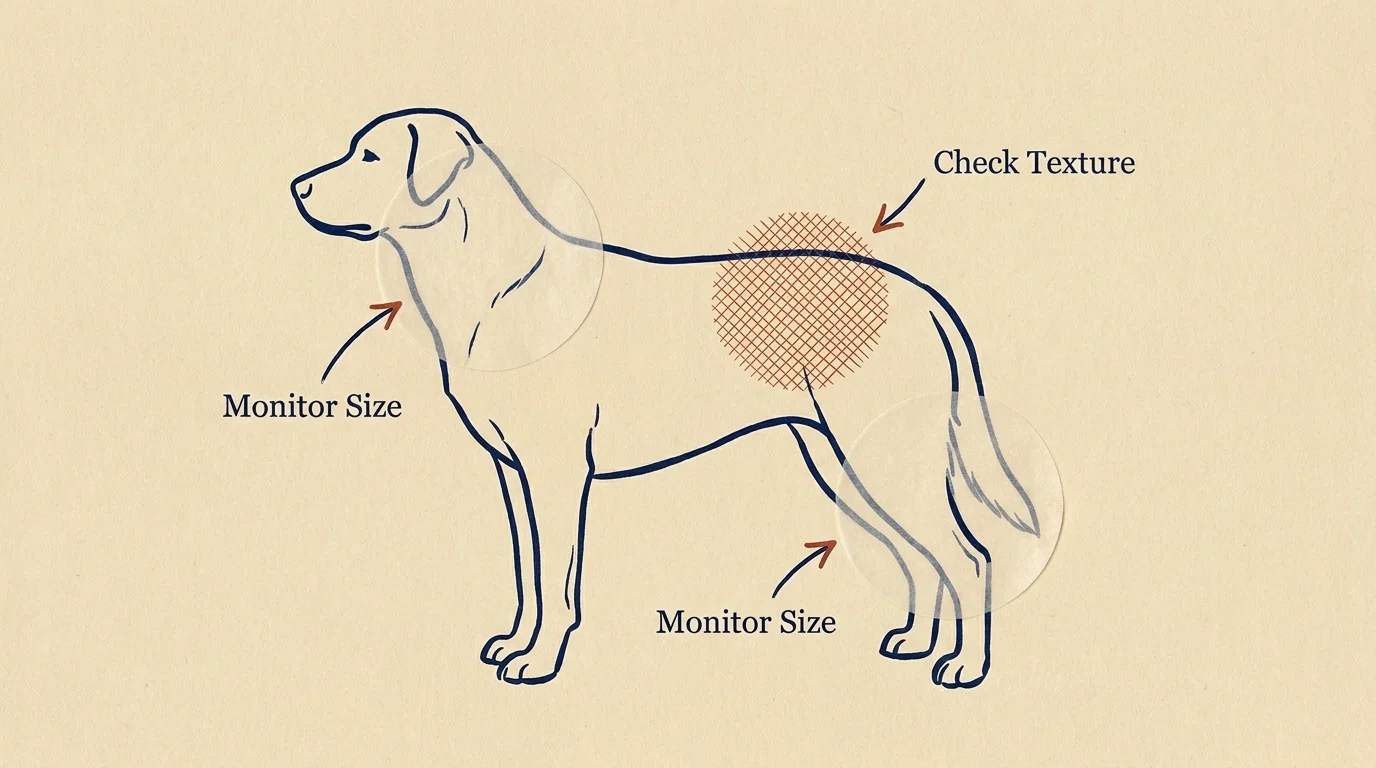
Discovering a new mass on your dog while petting them understandably causes anxiety. While older dogs frequently develop benign fatty tumors called lipomas, you cannot differentiate a harmless fat deposit from a malignant mast cell tumor simply by feeling it. Every newly discovered lump requires veterinary evaluation through a fine-needle aspirate—a quick, relatively painless procedure where the vet extracts cells with a tiny needle to examine under a microscope.
While new growths and changes are common in senior pets, you should never assume a lump is a benign lipoma without a veterinary consult.
“Early detection of skin masses drastically improves treatment outcomes; map the location and measure the size of any new lump, and have it evaluated by your veterinarian within two weeks of discovery.”
Take a systematic approach to tracking your dog’s lumps to assist your veterinarian:
- Measure precisely: Use a ruler to measure the mass in centimeters. Record the date and the exact dimensions.
- Map the location: Take a photo of your dog and circle the spot digitally, or keep a drawing of your dog’s body in their medical file, marking each lump.
- Check for attachment: Gently wiggle the skin around the lump. Note whether the mass moves freely with the skin or feels anchored firmly to the underlying muscle or bone.
- Monitor growth: Check the mass weekly. If it doubles in size, changes color, begins weeping fluid, or causes your dog pain when touched, schedule an immediate veterinary visit.
Altered Posture and Mobility Limitations
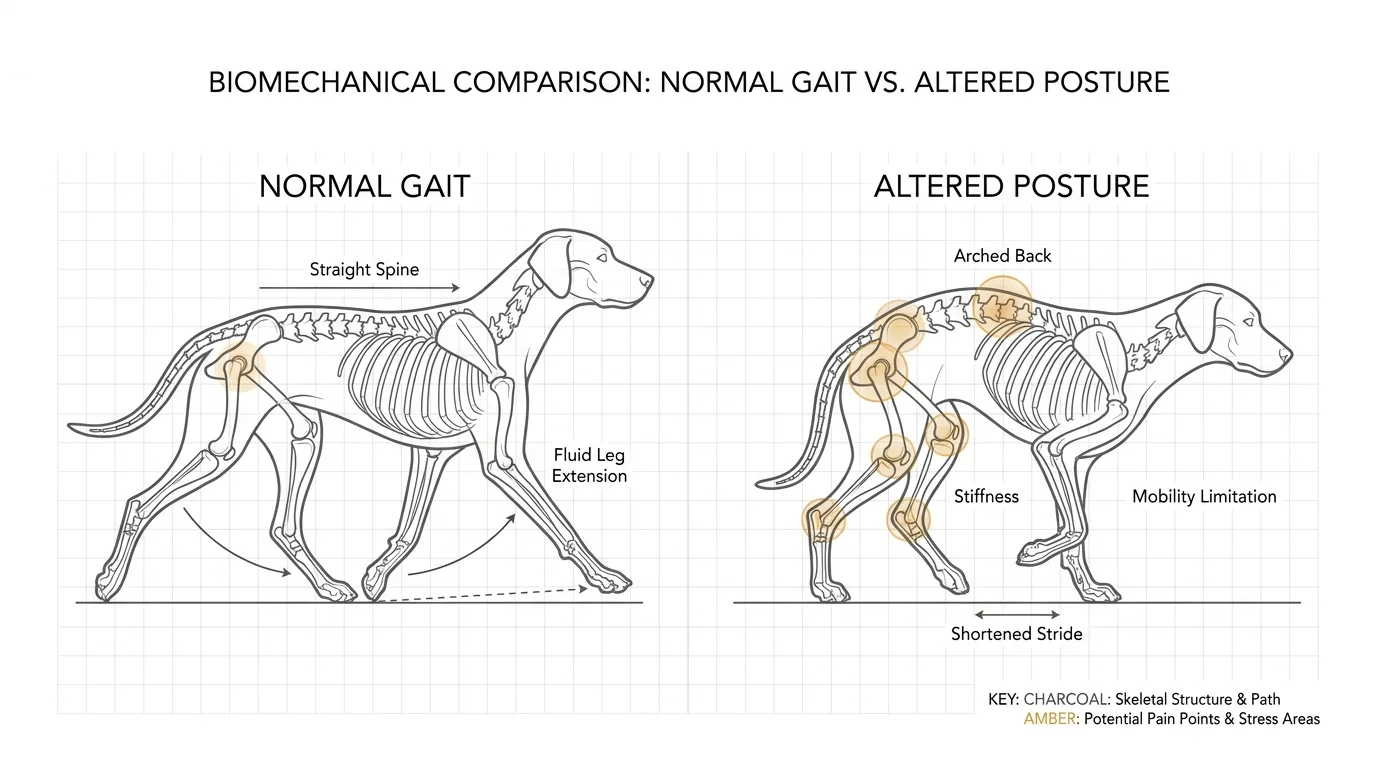
Dogs instinctively hide pain, an evolutionary holdover from their wild ancestors. By the time your dog actively cries out or refuses to walk, they are likely experiencing severe distress. Monitoring their resting posture and subtle movement patterns offers vital clues about orthopedic and abdominal health.
One of the most concerning postural changes is the “prayer position.” In this stance, a dog rests their front elbows on the floor while keeping their rear end elevated in the air. While this looks exactly like a playful bow, a dog in the prayer position will remain stationary, appear tense, and refuse to engage in play. This posture relieves pressure on the abdomen and serves as a classic indicator of severe gastrointestinal distress, frequently acute pancreatitis or an intestinal blockage.
A hunched or “roached” back—where the spine arches upward and the dog keeps their head tucked low—usually indicates severe neck pain, spinal disc issues (such as Intervertebral Disc Disease), or generalized abdominal cramping. In senior dogs, watch for “bunny hopping” up the stairs, where they use both hind legs simultaneously. This compensatory movement often signals advanced hip dysplasia or bilateral knee joint pain.
Cloudiness or Redness in the Eyes
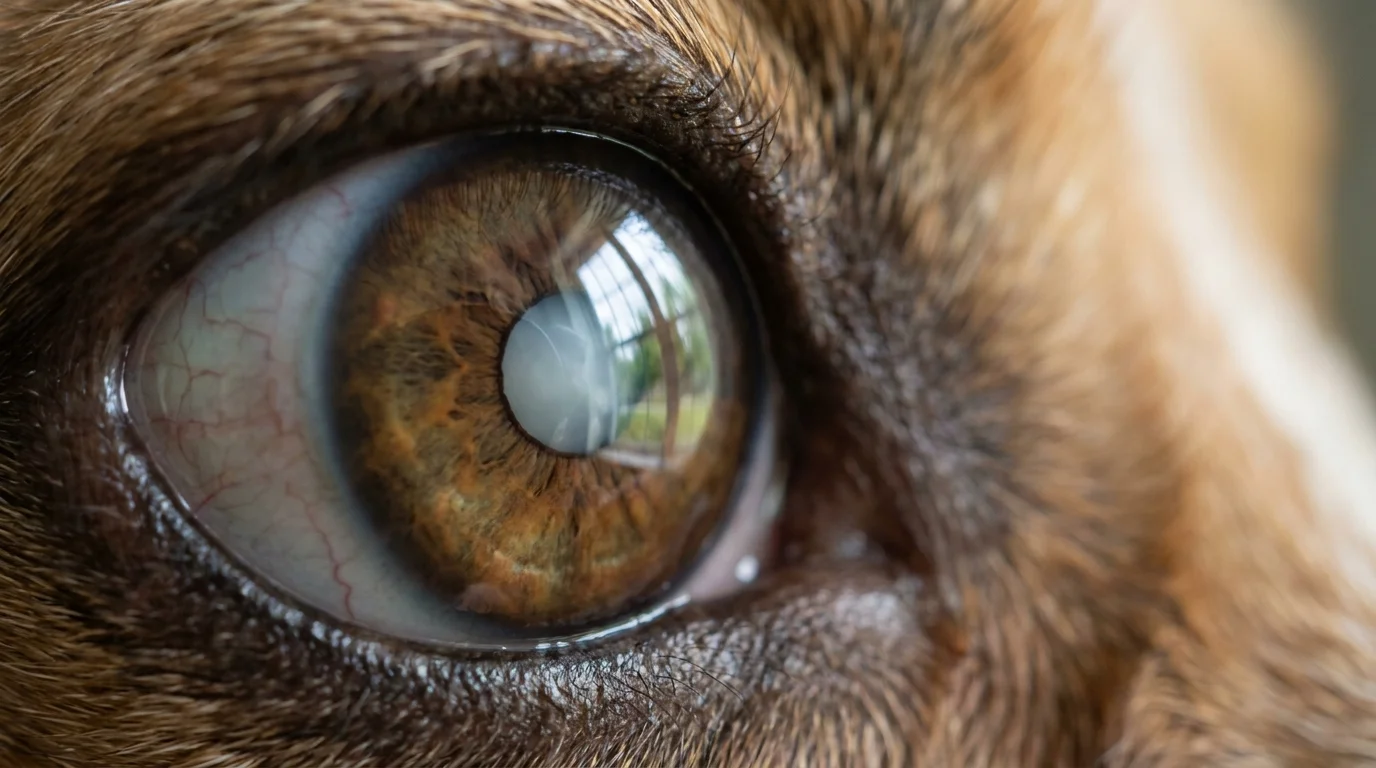
Eye conditions deteriorate rapidly; therefore, ocular changes should never wait for a “wait-and-see” approach. Redness in the white part of the eye (the sclera) can range from a mild case of conjunctivitis to a severe corneal ulcer. According to the Cornell University College of Veterinary Medicine, conditions like glaucoma can cause irreversible blindness within mere hours if left untreated.
While examining your dog’s face, also keep an eye out for signs of dental issues that might cause discomfort while eating.
Learning to interpret your dog’s body language can help you differentiate between normal aging and signs of acute ocular pain.
As dogs age, their eye lenses naturally become slightly milky or bluish-grey. This condition, known as nuclear sclerosis, is a normal aging change that does not significantly impair vision. However, true cataracts appear stark white and opaque, blocking light from reaching the retina and causing profound blindness. Only a veterinarian can differentiate the two conditions using an ophthalmoscope.
Watch for signs of active eye pain, which include squinting, pawing at the face, excessive tearing, or avoiding bright light. If you notice a thick green or yellow discharge, the third eyelid protruding across the eye, or if one pupil appears significantly larger than the other, treat the situation as an immediate medical emergency.
Shifts in Breathing Patterns and Rates
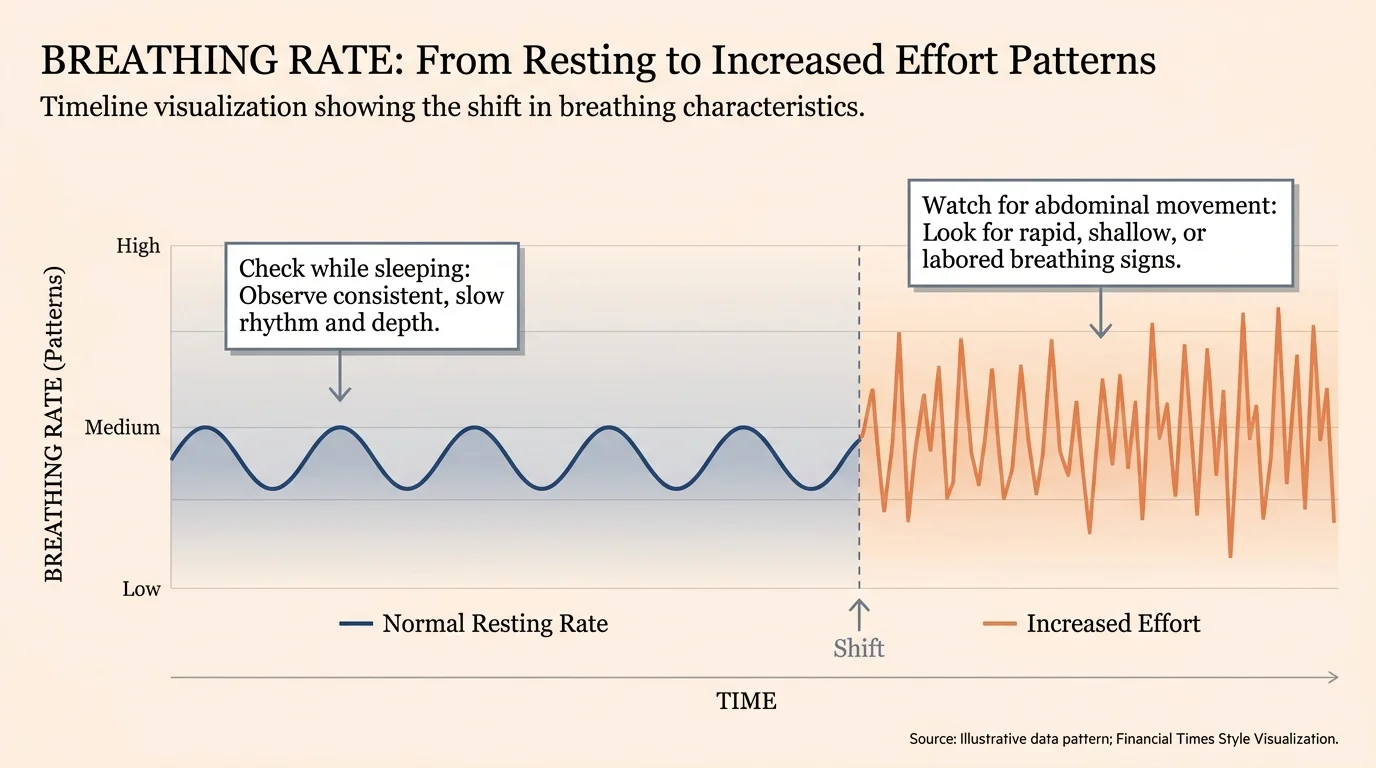
Your dog’s respiratory rate provides critical information about their cardiovascular health and pain levels. Dogs pant to cool down and during times of excitement; however, heavy, open-mouthed panting while at rest in a cool room is a significant red flag. It often indicates severe pain, anxiety, or early-stage heart failure.
To establish a baseline, calculate your dog’s Resting Respiratory Rate (RRR) while they are completely asleep. Watch their chest rise and fall—one rise and one fall counts as one complete breath. Count the breaths for 30 seconds and multiply by two. A normal, healthy dog takes between 15 and 30 breaths per minute while resting. If your dog’s sleeping respiratory rate consistently stays above 30 breaths per minute, or if it suddenly spikes, contact your veterinarian.
Pay attention to how your dog breathes, not just how fast. Watch for “paradoxical breathing,” where the abdomen moves inward while the chest expands—a sign of severe respiratory distress. Chronic coughing, particularly a harsh, dry honk that occurs when your dog gets excited or pulls on their leash, may point to a collapsed trachea. A soft, wet cough accompanied by exercise intolerance frequently signals fluid buildup in the lungs associated with heart disease.
Abdominal Bloating or Distension
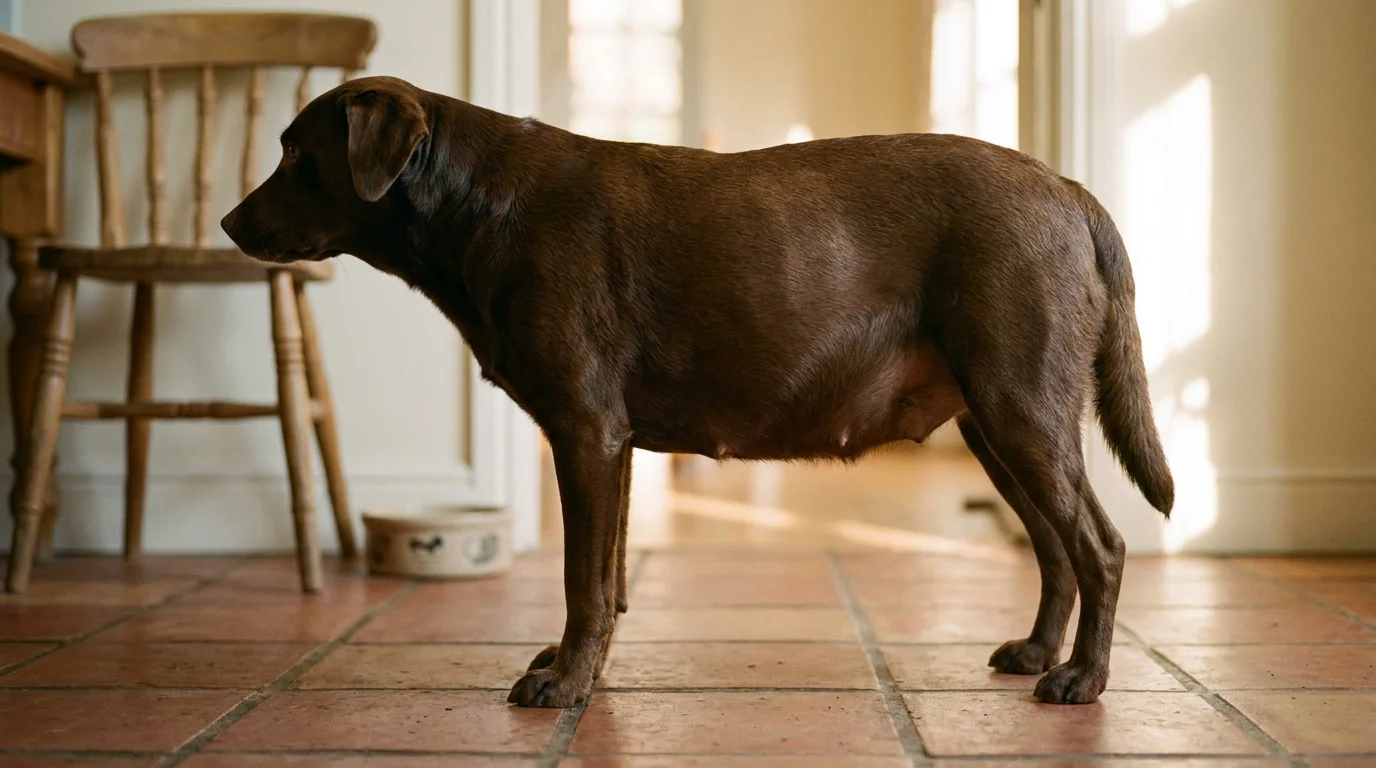
A sudden increase in the size of your dog’s belly represents one of the most critical warning signs in canine medicine. As noted by experts at the ASPCA, a sudden, hard swelling of the abdomen accompanied by unproductive retching requires immediate emergency veterinary intervention. This combination of symptoms points heavily toward Gastric Dilatation-Volvulus (GDV), commonly known as bloat.
During GDV, the stomach fills with gas and twists on its axis, cutting off blood supply to the stomach and spleen while obstructing the return of blood to the heart. Deep-chested breeds, such as Great Danes, Doberman Pinschers, and Standard Poodles, face the highest risk. GDV progresses with terrifying speed; a dog can go into fatal shock within a matter of hours.
Not all abdominal distension occurs rapidly. A slow, progressive enlargement over weeks or months indicates fluid accumulation in the abdomen (ascites). This slow swelling often results from right-sided heart failure, severe liver disease, or internal bleeding from hemangiosarcoma (a vascular tumor often found on the spleen). Regardless of the speed of onset, a visibly swollen, tight abdomen requires urgent veterinary diagnostics, usually beginning with an abdominal X-ray or ultrasound.
Changes in Urine Output and Drinking Habits
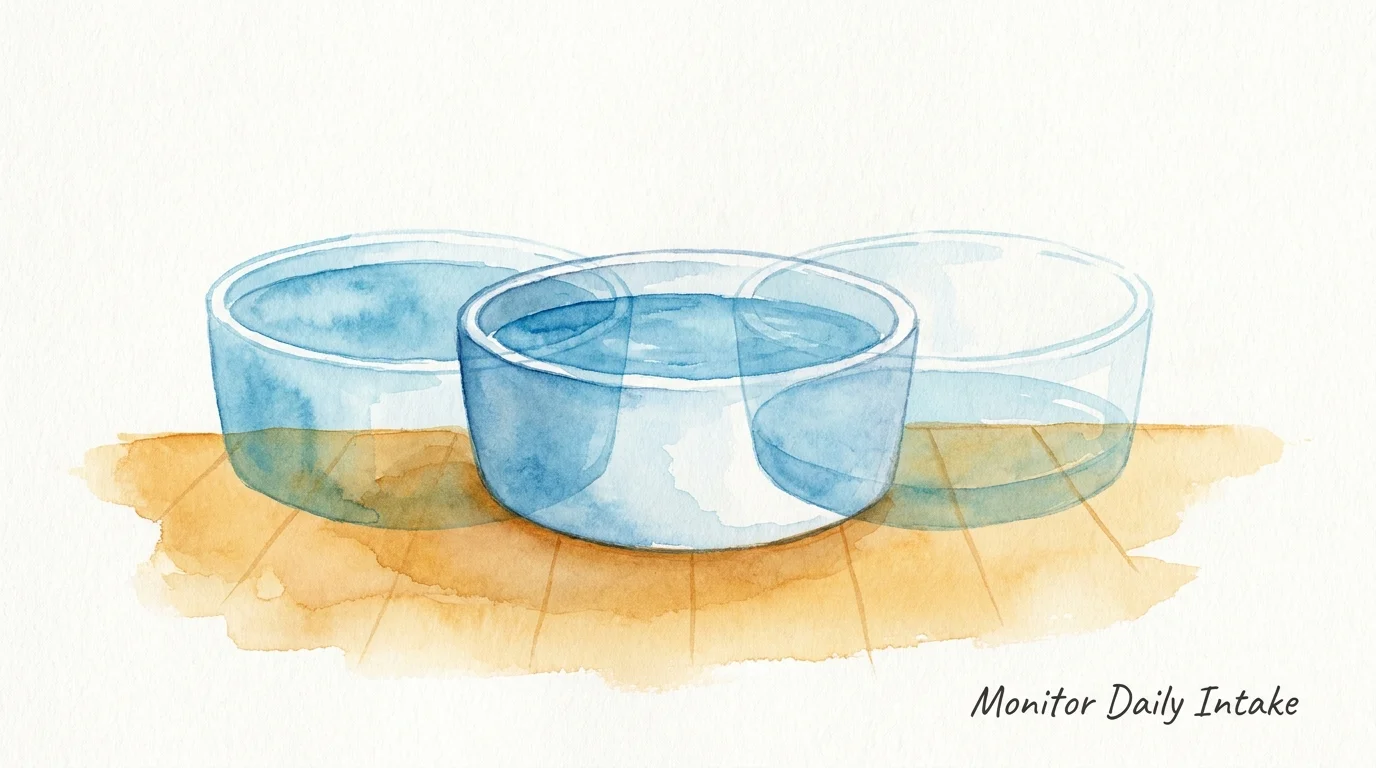
Changes in your dog’s thirst and urination patterns provide massive diagnostic value. Healthy dogs generally consume about one ounce of water per pound of body weight daily. If you suddenly find yourself refilling the water bowl constantly, or if your previously house-trained dog begins having accidents indoors, your dog is exhibiting polyuria and polydipsia (PU/PD)—the medical terms for excessive urination and excessive drinking.
These symptoms are the hallmark clinical signs for several major systemic diseases. In middle-aged to senior dogs, massive water consumption frequently points to diabetes mellitus or chronic kidney failure. In unspayed female dogs, sudden excessive drinking accompanied by lethargy and vaginal discharge suggests pyometra—a life-threatening infection of the uterus that requires emergency surgery.
Conversely, straining to urinate, producing only small drops of urine, or vocalizing in the litterbox (for cats) or yard indicates a lower urinary tract issue. Bladder stones, severe urinary tract infections, or transitional cell carcinoma (bladder cancer) can cause these symptoms. If your dog postures to urinate but produces absolutely nothing, they may have a complete urethral obstruction. This is a fatal emergency; the bladder can rupture within 24 hours if the blockage is not cleared by a veterinarian.
Foul Odors Emanating from Ears or Mouth
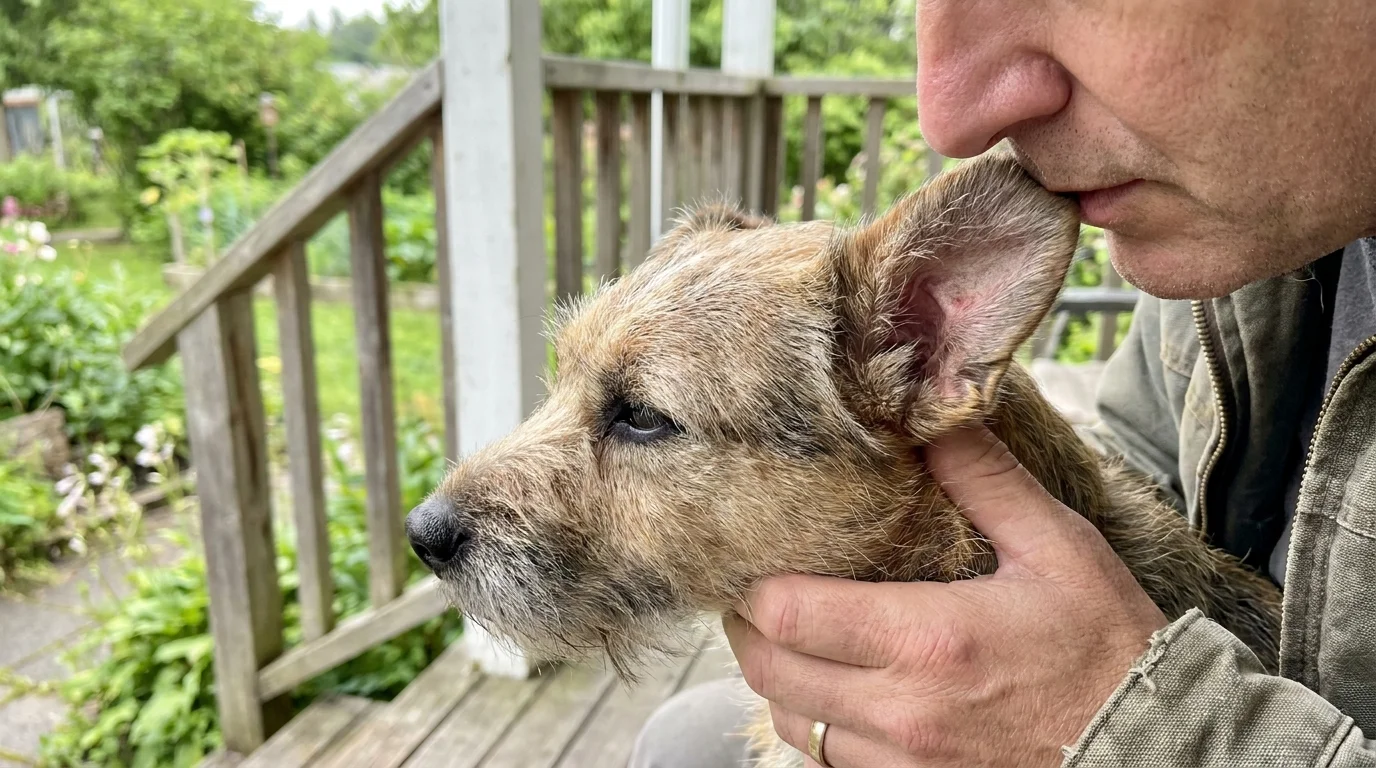
While “dog breath” is a common punchline, healthy dogs do not naturally emit foul odors. Persistent, offensive smells indicate an underlying localized infection or systemic disease. Start by examining the mouth. Severe halitosis—smelling like rotting garbage or decay—usually stems from advanced periodontal disease. Abscessed teeth and infected gums silently shower your dog’s internal organs with harmful bacteria every time they swallow.
Specific oral odors point to specific internal failures. Breath that smells strongly of ammonia or urine occurs when the kidneys fail to filter toxins from the bloodstream (uremia). Breath that smells overly sweet or akin to nail polish remover indicates diabetic ketoacidosis, a critical complication of unregulated diabetes.
Ears are another common source of foul smells. Healthy dog ears smell relatively neutral. If your dog’s ears smell distinctly like corn chips or old, musty yeast, they likely have a Malassezia (yeast) infection. A sharp, sickly-sweet or sewage-like odor accompanied by thick, purulent discharge strongly suggests a Pseudomonas bacterial infection. Both require specific prescription ear drops; over-the-counter cleaners will not cure an established infection and may cause intense pain if the eardrum is already ruptured.
Frequently Asked Questions
How often should I perform a home physical exam on my dog?
You should conduct a brief, hands-on physical check once a week. Use this time to feel for lumps, check the ears for redness or odor, lift the lips to inspect the gums and teeth, and evaluate your dog’s coat. Pairing this exam with a weekly grooming routine makes it a positive, stress-free experience for your pet.
Are all new lumps on an older dog cancerous?
No. In fact, many lumps found on senior dogs are benign lipomas (fatty masses) or harmless sebaceous cysts. However, because malignant tumors like mast cell tumors and sarcomas can mimic the texture of benign lumps, a veterinarian must evaluate every new mass. Visual inspection and physical palpation are never enough to confirm a mass is safe.
When is a change in drinking habits considered an emergency?
If your dog suddenly starts drinking massive quantities of water and vomiting, or if an unspayed female begins drinking excessively while acting lethargic, treat it as an immediate emergency. Additionally, if your dog tries to urinate but produces no urine, they need emergency care to rule out a deadly urinary blockage.
Why does my dog’s breath suddenly smell like urine?
Breath that smells like urine or ammonia is a primary indicator of advanced kidney failure. When the kidneys lose their ability to filter waste products from the blood, urea builds up in the system and is excreted through the saliva and breath. This condition, called uremia, requires immediate intravenous fluid therapy and veterinary intervention.
For expert pet care guidance, visit
Fear Free Pets, The Spruce Pets and Rover — Pet Care Blog.
Disclaimer: This article is for informational purposes only and is not a substitute for professional veterinary advice, diagnosis, or treatment. Always consult with a licensed veterinarian for medical concerns about your pet.





Leave a Reply