
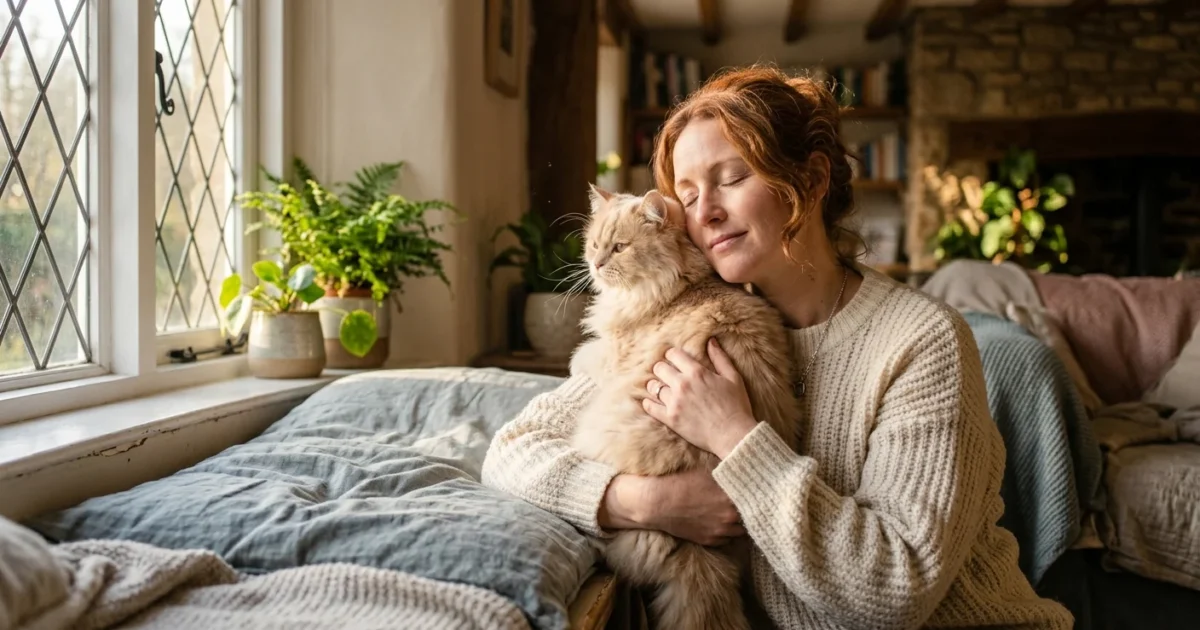
Finding a cuddly cat breed transforms your home into a sanctuary of warmth, companionship, and soothing purrs. While many people mischaracterize felines as distant creatures, individual genetic lines and selective breeding have cultivated exceptionally loving cat breeds that thrive on human physical contact. Whether you want a devoted lap cat that follows you from room to room or a gentle companion to brighten a quiet living space, choosing the right breed helps align feline personality with your lifestyle. Discovering the distinct social traits, emotional needs, and behavioral patterns of the most affectionate cat breeds empowers you to build a deep, lasting bond with your future companion.
Understanding Feline Affection and Social Temperament
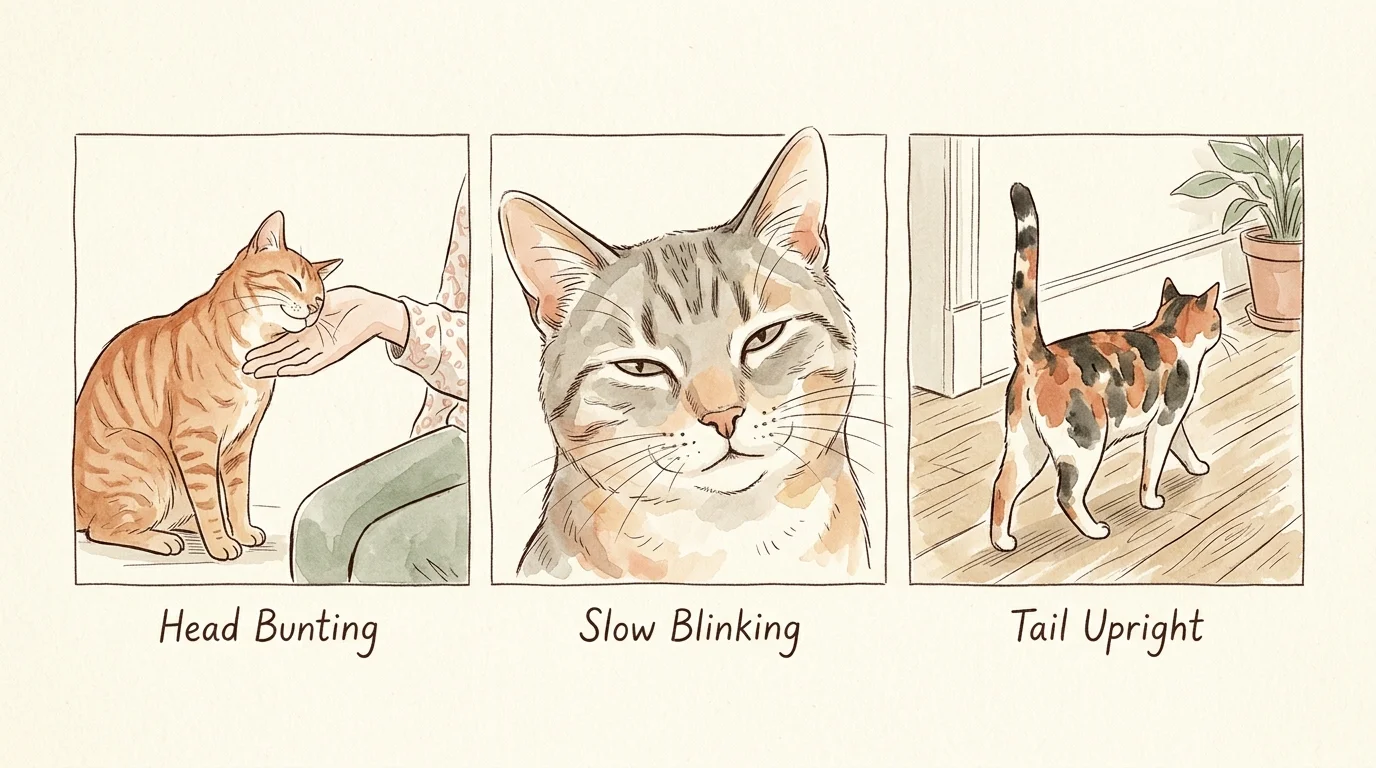
Cats communicate fondness through subtle behavioral cues that contrast with the enthusiastic greetings of dogs. Research from the Cornell University College of Veterinary Medicine emphasizes that cats convey affection through targeted visual and tactile signals; head bunting, cheek rubbing, slow blinking, and tail upright gestures transfer scent markers that label you as a trusted family member. According to global pet statistics, cats inhabit approximately 23% of households worldwide, reflecting their popularity as loyal home companions.
While environmental factors and early socialization shape adult feline demeanor, underlying genetics lay the foundation for social motivation. Socialization—the critical developmental window where kittens learn to accept humans, handling, and novelty—amplifies an inherited tendency toward gentleness. Breeds selected for companion work over centuries view human presence as a source of safety and security rather than simple resource distribution.
“Cats form deep socio-emotional bonds with their human caregivers that rival those seen in dogs, thriving on consistent, routine-driven, and gentle interaction.” — Dr. Elizabeth Bennett, DVM
The 10 Most Loving Cat Breeds for Every Household
Selecting among the most loving cat breeds requires evaluating how specific physical traits and activity levels match your household rhythm. The following ten breeds stand out for their exceptional warmth and affection towards human family members.
1. Ragdoll
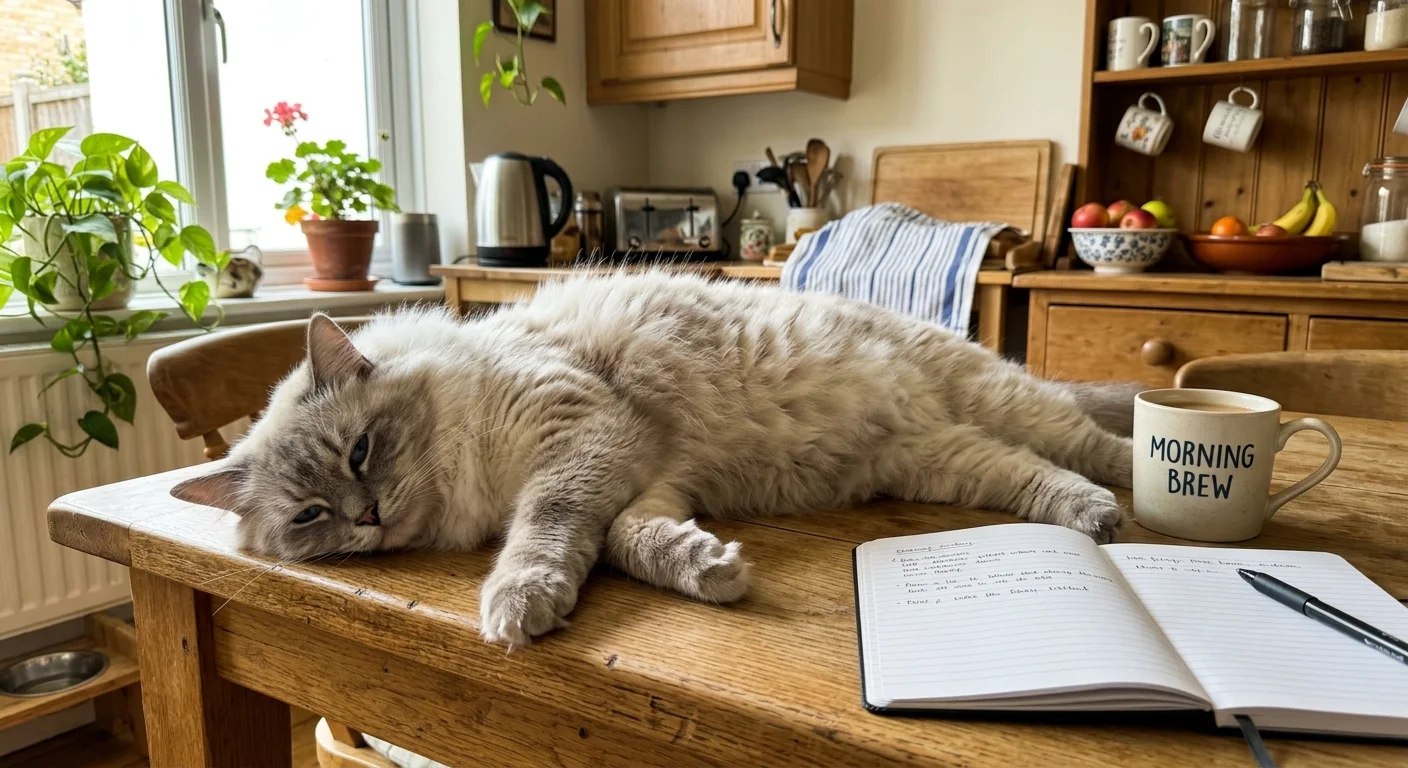
The Ragdoll represents the quintessential cuddly cat breed. Named for their tendency to collapse limply into human arms when held, Ragdolls combine striking blue eyes with an amazingly docile disposition. Holding the top registration spot in the Cat Fanciers’ Association (CFA) rankings from 2019 through 2023, and officially recognized by the CFA in 1998, this breed thrives on human interaction. Ragdolls follow family members from room to room, greet visitors at the door, and routinely flop across keyboards or laps to demand gentle stroking.
When bringing a new companion into a home with existing pets, taking steps to properly introduce a new cat ensures a peaceful transition.
2. Maine Coon
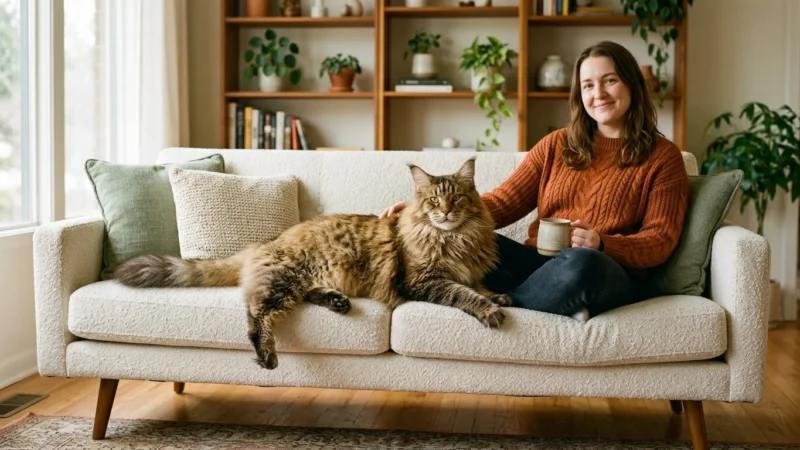
Known affectionately as the “gentle giant” of the cat world, the Maine Coon earned the number one position as the world’s most registered pedigreed cat in the CFA rankings. Officially recognized as a distinct breed in 1976, Maine Coons combine robust size with a surprisingly sweet, dog-like temperament. They express affection through continuous companionship, gentle chirping vocalizations, and an eager participation in daily domestic chores. Maine Coons enjoy curling alongside you on the sofa, offering soft head butts while seeking cozy pet sessions.
3. Siamese
Siamese cats build intense, deeply personal attachments with their chosen humans. As one of the most vocal and friendly cat breeds, the Siamese communicates through soft, conversational vocalizations to share mood shifts and desire for touch. They actively crave body contact, frequently tucking themselves under blankets alongside their owners or perching directly across shoulders. Their active, highly intelligent nature means they give and demand affection in equal measure throughout the day.
4. Persian
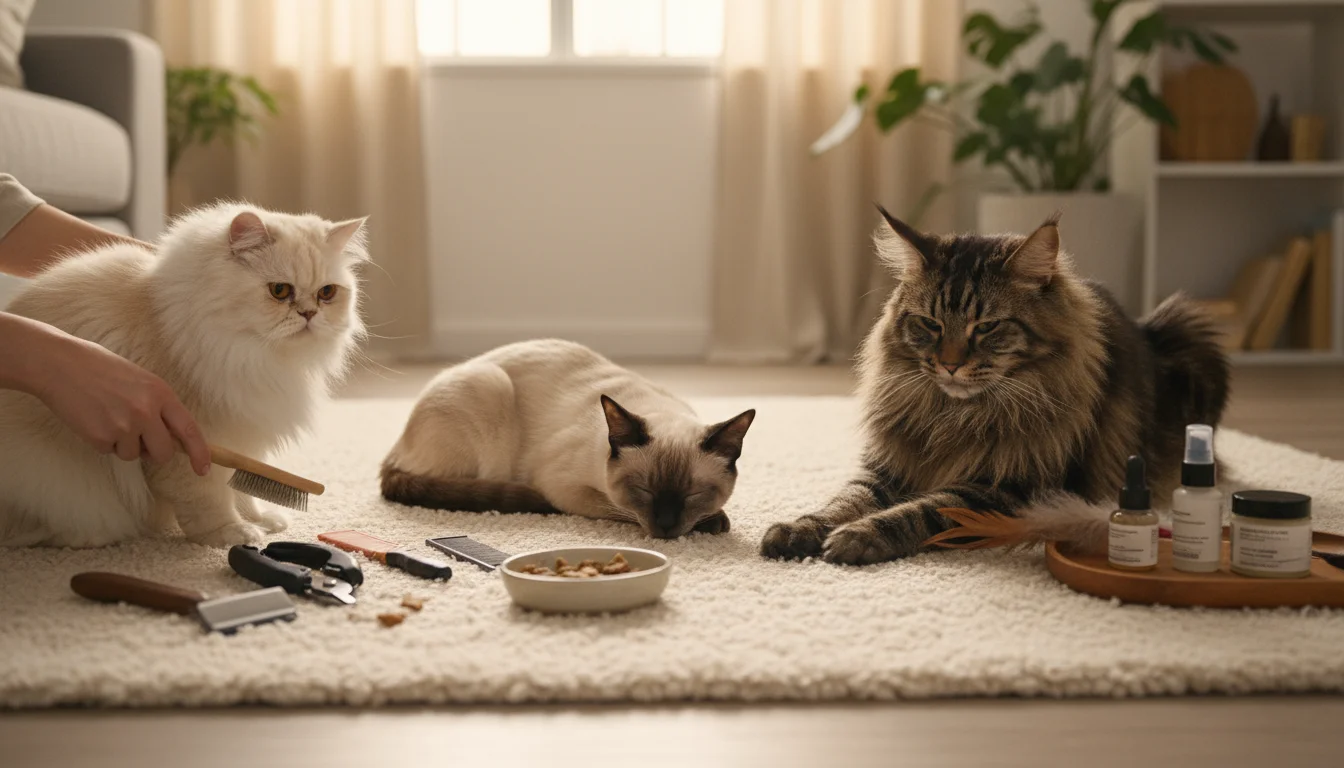
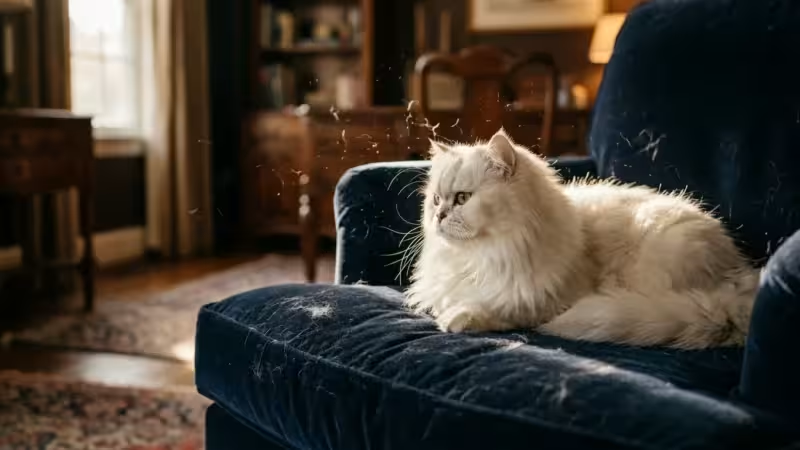
Persians embody regal tranquility and affectionate sweetness. As a CFA foundation breed recognized in 1906, the Persian boasts a legacy of close human partnership. These peaceful companions excel as best lap cats, preferring quiet evenings on a plush cushion or direct lap cuddles over high-flying acrobatics. Persians express love quietly through expressive round eyes, soft purrs, and a patient desire to nestle close against you while you read or watch television.
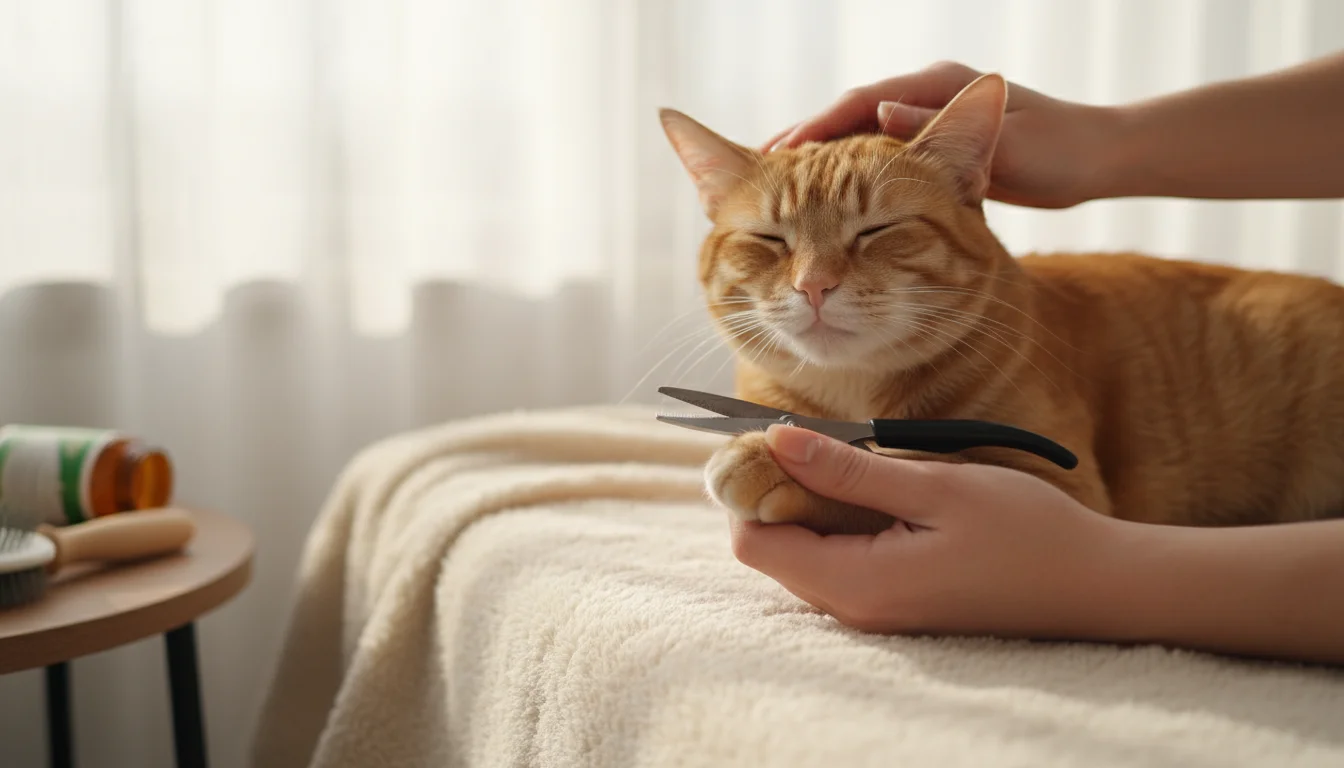
Because longhaired companion cats require regular coat care, following a home cat grooming routine keeps their fur healthy and tangle-free.
5. Birman
Legend holds that the Birman inherited golden coats and sapphire eyes from a Burmese temple goddess, but modern cat lovers value them for their balanced, loving nature. Birmans demonstrate loyalty without being clingy; they maintain a soft-spoken, affectionate presence around children and other pets alike. A Birman loves being handled, happily resting in your arms while offering steady, rhythmic purring as feedback for gentleness.
6. Burmese
Burmese cats maintain kitten-like enthusiasm and boundless affection well into their senior years. Highly people-oriented, Burmese cats possess a heavy, warm feel in your arms and seek out direct physical contact whenever you sit down. They thrive in busy households where someone remains home to offer playtime and lap space, regularly seeking out warm shoulders or lap blankets to maintain physical connection.
Providing interactive cat toys helps keep energetic, people-oriented breeds entertained throughout the day.
7. Sphynx
Though hairless in appearance, the Sphynx radiates intense physical heat and emotional warmth. Their lack of insulating fur drives a natural desire for physical contact, making them one of the most cuddly cat breeds in existence. Sphynx cats actively seek heat under blankets, inside sweaters, or against your warm skin. Their extraordinarily affectionate demeanor, energetic humor, and desire to cuddle under duvet covers make them devoted, loyal companions.
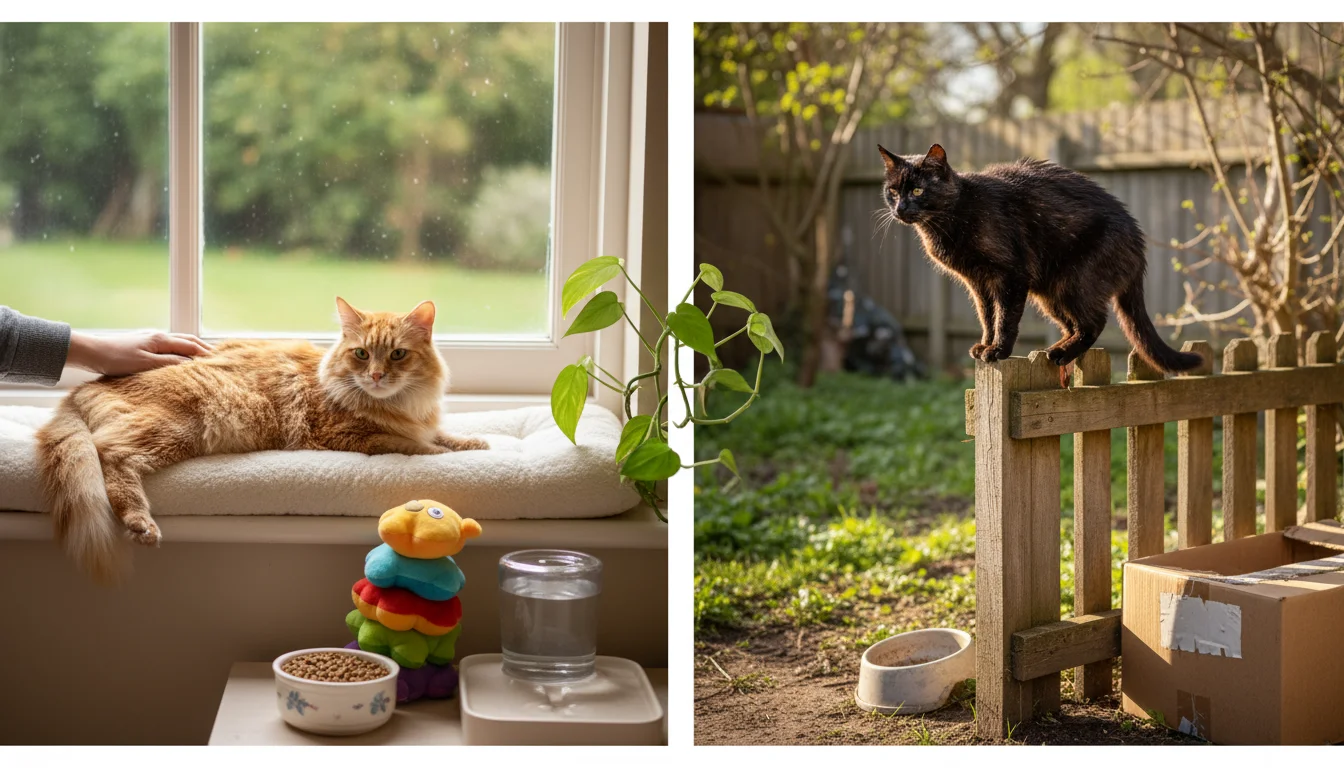
Since hairless breeds are vulnerable to climate changes, understanding essential indoor cat care requirements helps protect their well-being.
8. Devon Rex
With large ears, a wavy coat, and expressive eyes, the Devon Rex resembles a mischievous, loving pixie. Recognized officially by the CFA in 1983, the Devon Rex prioritizes proximity to human faces, often resting around your neck, shoulders, or directly on your chest. They participate enthusiastically in daily activities, offering soft head butts and purring purrs to show their ongoing devotion to their human family.
9. Abyssinian
While Abyssinians rank among the most active feline breeds, they channel that high energy into loyal, active affection. An Abyssinian prefers participating in your work or hobbies over lounging quietly at a distance. They rub affectionately against your hands while you type, perch on desk corners to monitor your work, and weave around legs as a warm greeting whenever you enter a room.
If you work from home, finding clever ways to keep your cat entertained during work ensures they feel included without interrupting your routine.
10. Exotic Shorthair
Often referred to as the “lazy man’s Persian,” the Exotic Shorthair combines the quiet, loving nature of the Persian with a short, plush, low-maintenance coat. Remaining consistently in the CFA top 5 breed rankings, Exotic Shorthairs possess a sweet, cuddly disposition. They love resting peacefully in your lap for hours, offering quiet affection that fits effortlessly into calm households.
Comparing the Temperaments of Affectionate Cat Breeds
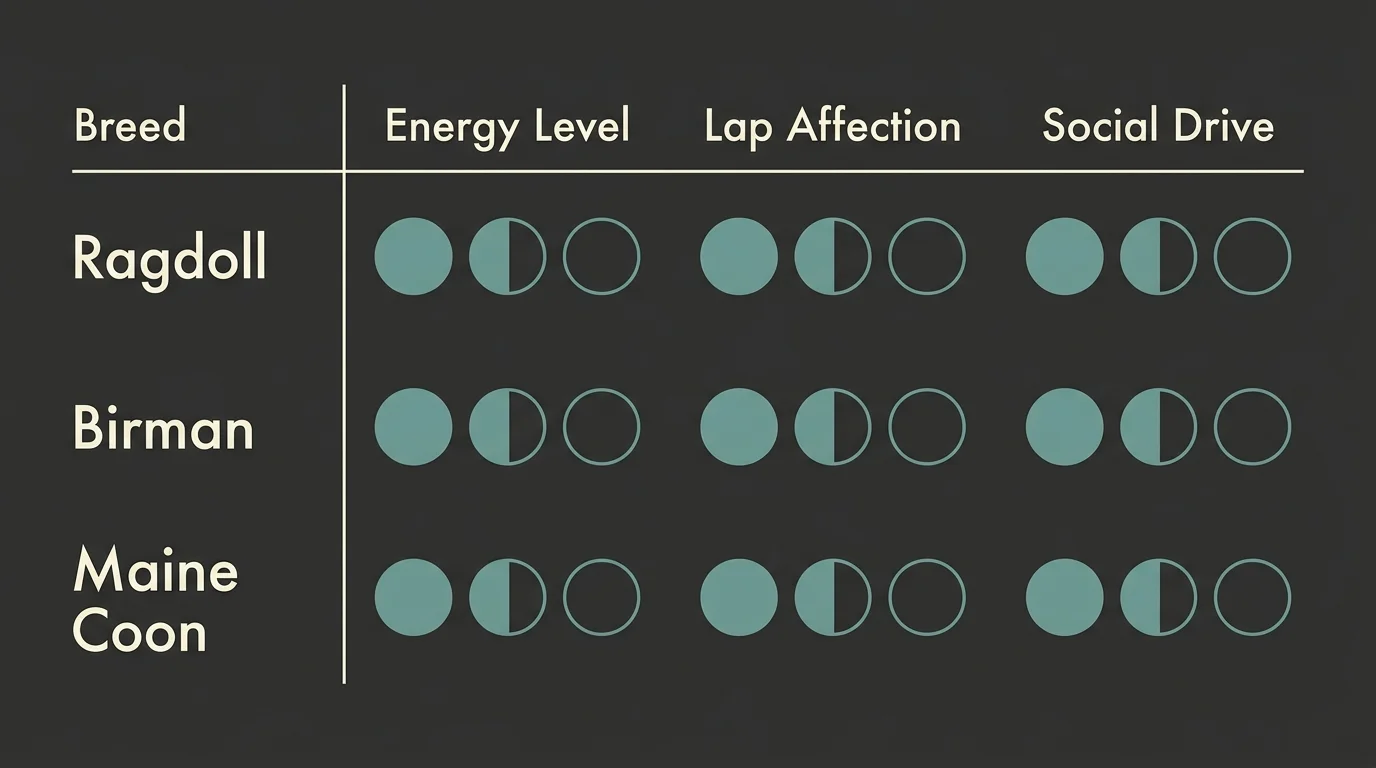
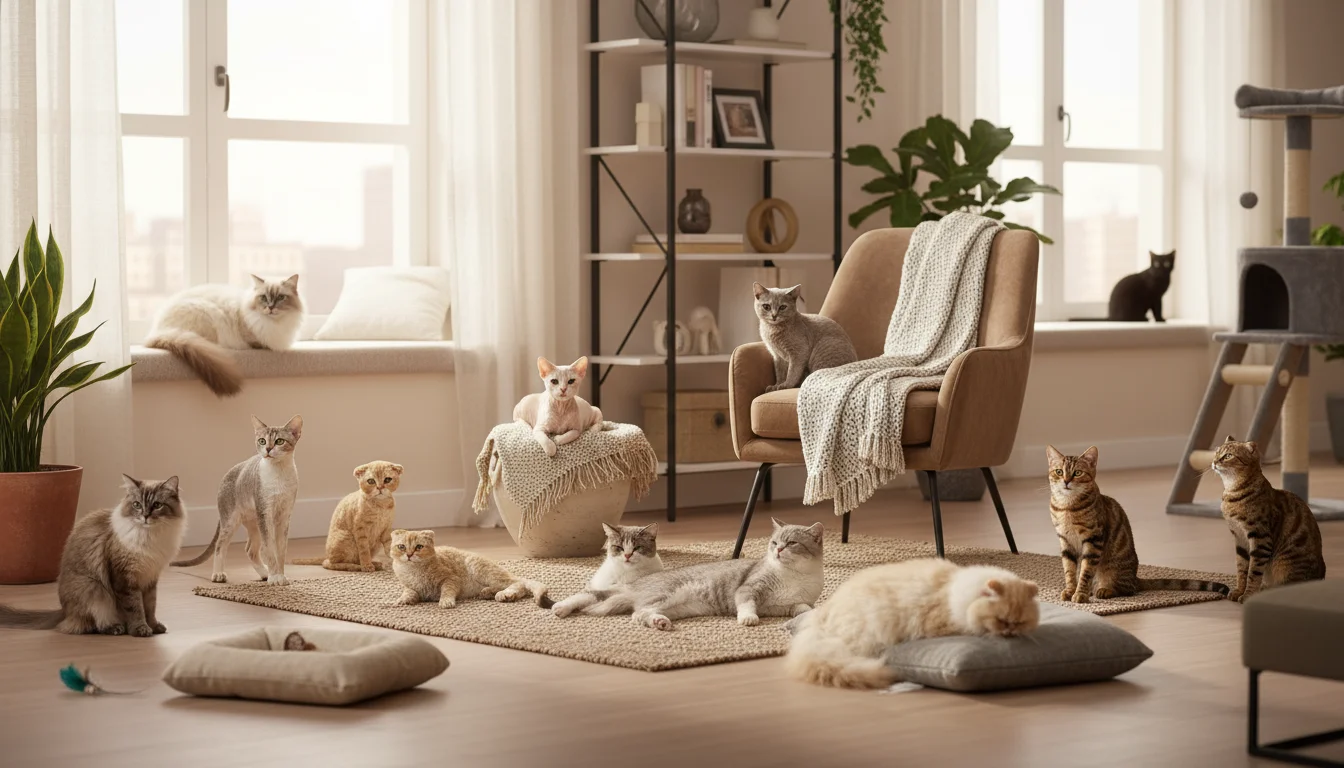
Every cat breed balances affection with unique activity patterns, grooming requirements, and vocal tendencies. Examining these traits helps ensure your selected cat matches your home environment and daily routine.
| Breed | Affection Level | Vocalization | Grooming Needs | Ideal Home Match |
|---|---|---|---|---|
| Ragdoll | Extremely High | Low / Quiet | Moderate (Weekly brush) | Families, Multi-pet homes |
| Maine Coon | High | Moderate (Chirps) | High (2-3 times/week) | Active families, Large spaces |
| Siamese | Extremely High | Very High (Vocal) | Low (Short coat) | Attentive owners, Work-from-home |
| Persian | High | Very Low | High (Daily brushing) | Seniors, Quiet households |
| Birman | High | Low | Moderate (Weekly) | Families with children |
| Burmese | Extremely High | Moderate | Low (Minimal) | Interactive, Social homes |
| Sphynx | Extremely High | Moderate | High (Bathing required) | Dedicated indoor owners |
| Devon Rex | High | Low / Moderate | Low (Gentle wiping) | Playful, Engaged homes |
| Abyssinian | High (Active) | Low | Low (Occasional) | Active individuals, Mentally stimulating homes |
| Exotic Shorthair | High | Low | Low / Moderate | Seniors, Apartment dwellers |
Best Lap Cats for Seniors and Quiet Homes
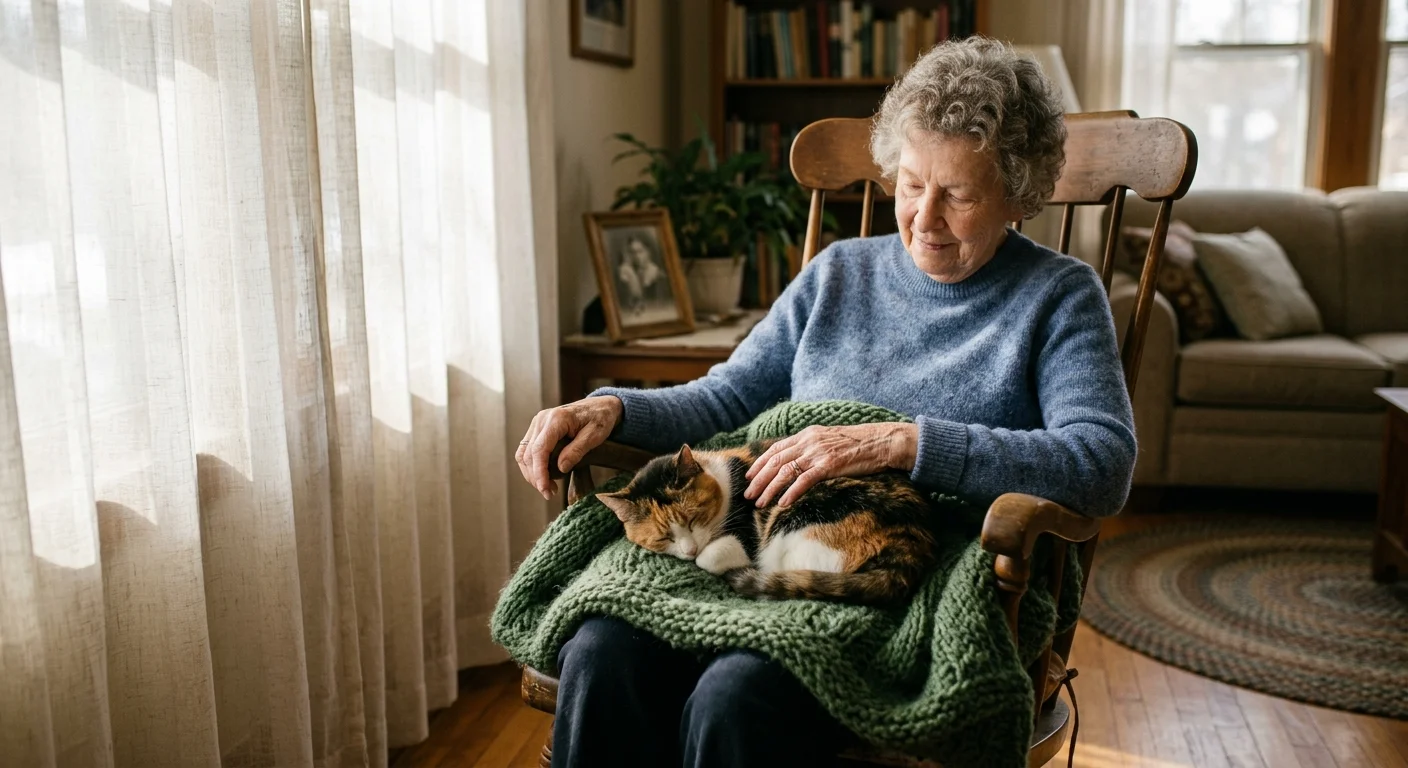
For seniors or individuals living in quiet apartments, finding friendly cat breeds for seniors that offer steady companionship without overwhelming physical demands is key. Gentle, low-energy cat breeds provide reliable snuggles without requiring intense daily playtime routines.
The Persian and Exotic Shorthair stand out as top choices for quiet homes. Both breeds possess low-vocal, patient temperaments; they view a warm lap as the ultimate destination. Their slow-paced movements make handling effortless, and their predictable behaviors provide calming, stress-reducing companionship for retirees or quiet living spaces.
The Ragdoll also serves as an outstanding choice for mature adults. Their gentle, relaxed nature when held prevents unexpected scratches, while their low-pitch purring offers soothing feedback. Ragdolls adjust effortlessly to slow routines, happy to sit beside you during reading sessions or quiet television hours.
How to Nurture and Strengthen Your Cat’s Affection
Even among inherently affectionate cat breeds, cultivating a deep emotional bond requires intentional, respectful care practices. Guidance from the ASPCA stresses that environmental enrichment and positive reinforcement systems encourage cats to express open, confident social behaviors.
Consistently giving respectful attention allows you to notice clear signs your cat is happy and healthy in their daily environment.
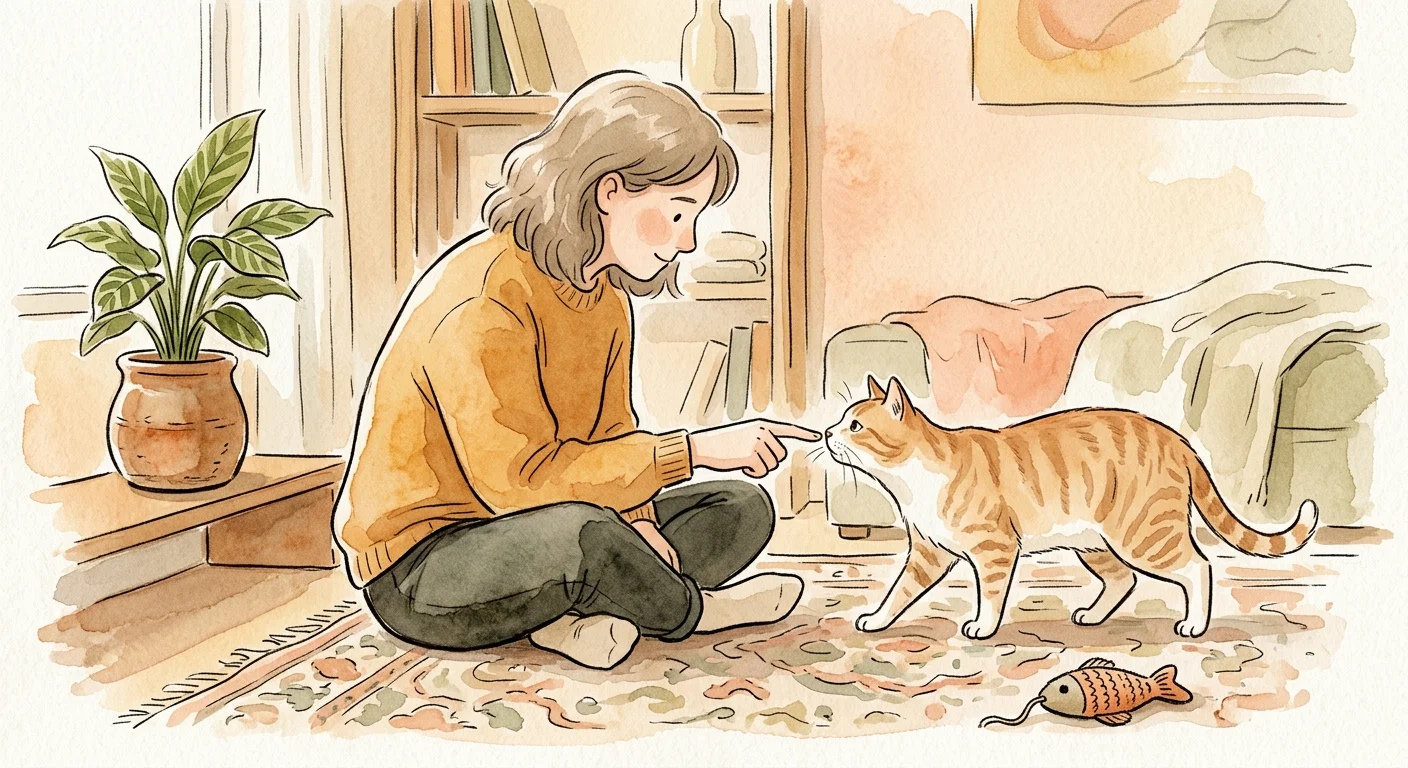
- Respect Consent and Physical Boundaries: Always let your cat initiate physical contact. Extend an index finger at nose level; if your cat leans in and rubs their cheek, they invite petting. If they draw back, offer space. Respecting these small signals builds trust.
- Reward Social Behaviors with Positive Reinforcement: Pair physical affection with small, tasty treats, quiet praise, or gentle scratches behind the ears. This conditions your cat to associate human touch with positive outcomes.
- Establish Daily Interactive Play Sessions: Use feather wands or puzzle toys for 10-15 minutes twice daily. Play releases mental tension and satisfies hunting instincts, leaving your cat relaxed and eager for cuddle sessions on your lap.
- Create Safe High-Perch Rest Zones: Felines feel most secure when they control their elevation. Placing cat trees, window perches, or soft blankets near your work desk encourages your cat to stay close while feeling completely safe.
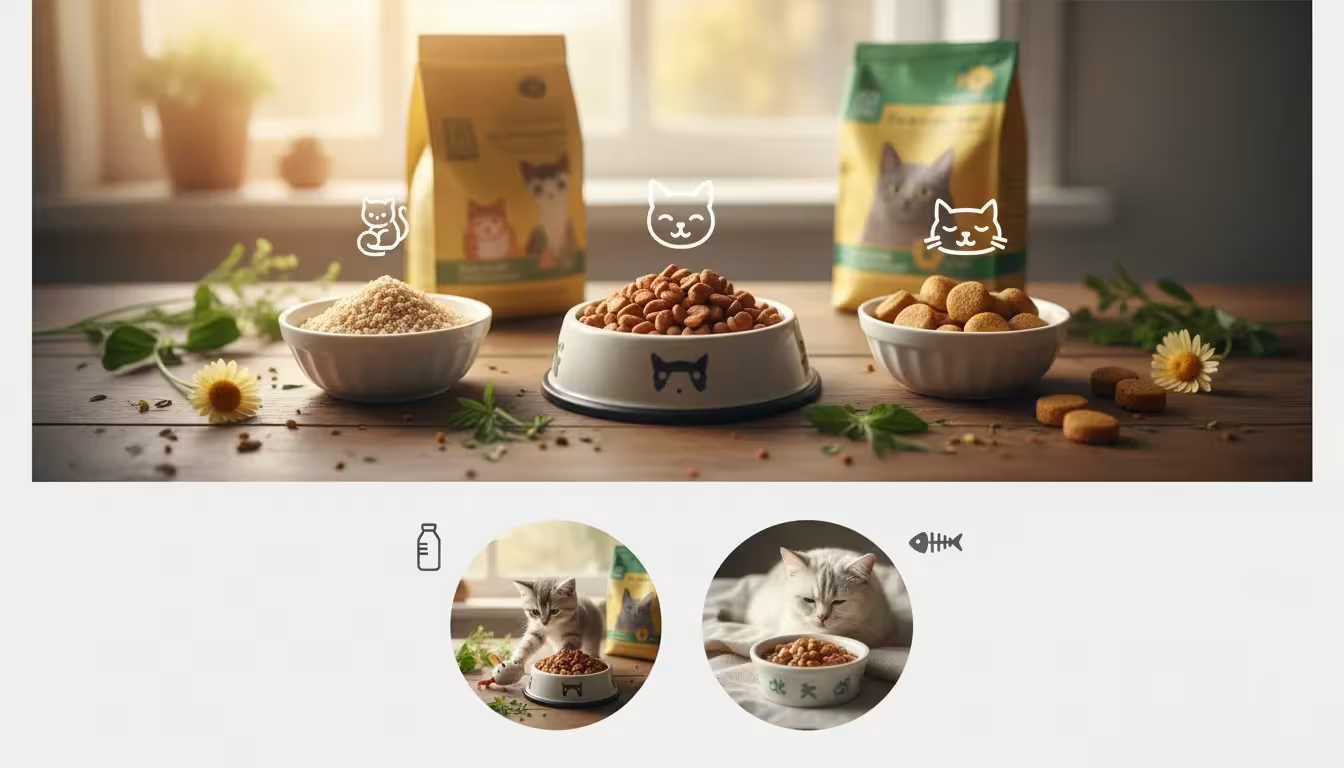
- Maintain Predictable Schedules: Feeding, playing, and grooming your cat at consistent times reduces stress, making them far more willing to seek physical contact.
Troubleshooting Sudden Changes in Cat Behavior
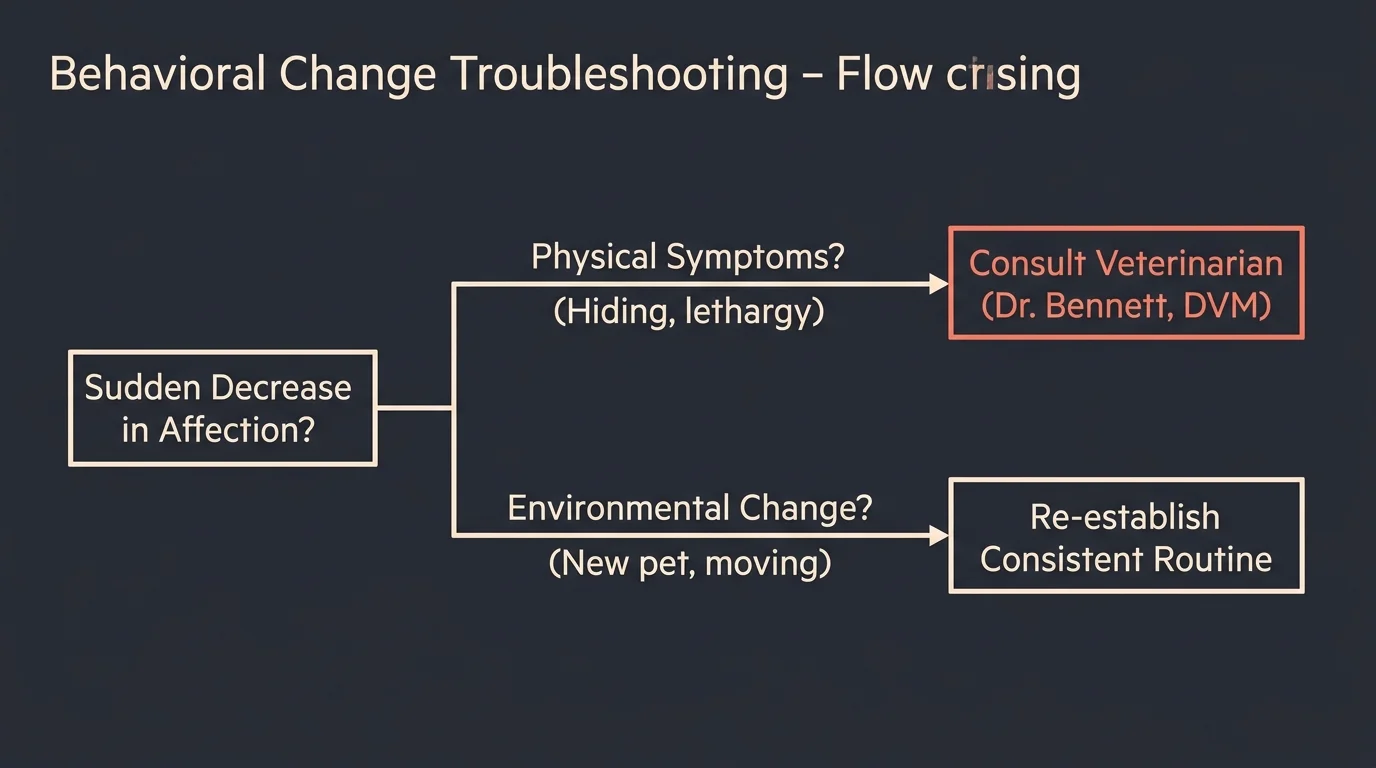
When an affectionate cat breed suddenly becomes withdrawn, distant, or aggressive, never treat the shift as a simple personality quirk. Sudden behavioral changes almost always signal physical discomfort, underlying disease, or environmental stress.
According to veterinary resources on PetMD, conditions like dental disease, feline lower urinary tract disease (FLUTD), arthritis, or hyperthyroidism alter behavior dramatically. A cat suffering from hidden joint pain may hide under furniture to avoid painful handling, while a cat with systemic stress may show sudden clinginess or irritability.
If your cuddly cat breed resists touch for more than 24 to 48 hours, schedule a thorough veterinary exam. Once your vet rules out medical issues, consult a certified feline behaviorist through the International Association of Animal Behavior Consultants (IAABC) to resolve environmental stressors such as house moves, new pets, or schedule disruptions.
Budgeting for a Loving Companion: Adoption vs. Breeder Options
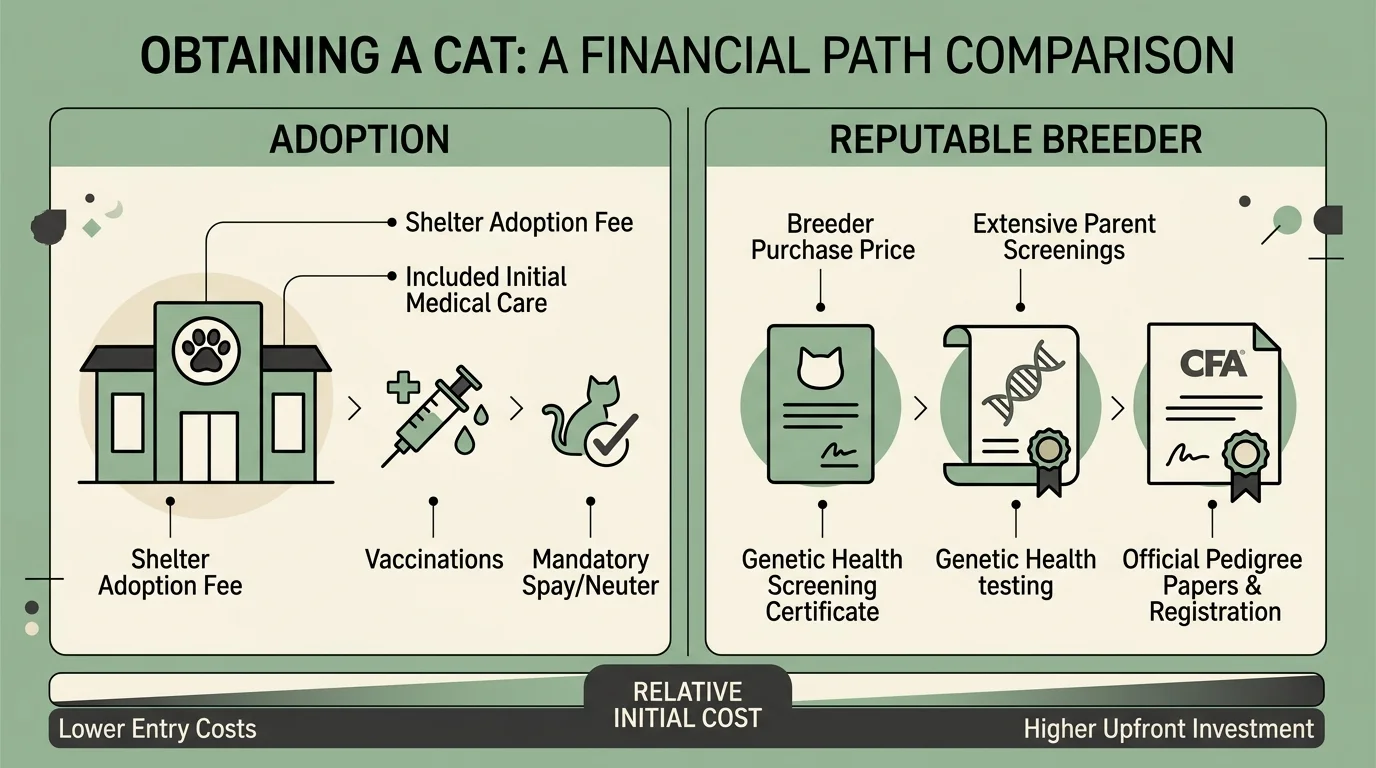
Welcoming an affectionate cat into your home requires financial planning covering initial acquisition and ongoing care expenses over a 15 to 20-year lifespan.
Purchasing a pedigreed kitten from a ethical, reputable breeder usually costs between $800 and $3,500+, depending on the breed rarity, health testing certifications, and lineage. Ethical breeders perform critical genetic testing for conditions like Hypertrophic Cardiomyopathy (HCM) and Polycystic Kidney Disease (PKD), ensuring healthier long-term companions.
Adoption through local shelters or breed-specific rescues presents a budget-friendly option, ranging from $50 to $200. Shelter adoption fees generally cover spay/neuter surgery, initial vaccinations, microchipping, and vet checks. Furthermore, rescue organizations frequently house mixed-breed cats—such as domestic shorthairs—that possess just as much warmth and affection as purebred counterparts.
Budgeting for routine maintenance involves quality food ($30–$60 monthly), routine vet checkups ($100–$300 annually), pet insurance ($20–$50 monthly), grooming supplies, and litter equipment. Preparing financially ensures you can support your pet through every life stage comfortably.
Frequently Asked Questions
Are male or female cats more affectionate?
Individual personality, early socialization, and spay/neuter status influence affection levels far more than biological sex. However, many owners and shelter workers report that neutered male cats often show slightly more relaxed, lap-seeking behaviors, while spayed females may express devotion through quiet proximity.
Which cat breed is considered the ultimate lap cat?
The Ragdoll and Persian rank at the absolute top for classic lap cat behavior. Both breeds feature exceptionally gentle temperaments, low physical activity demands, and a natural preference for resting on warm human laps for hours at a time.
Can a rescue cat be as affectionate as a pedigreed cat?
Yes, absolutely. Shelter cats and mixed-breed domestic cats often display incredible affection, loyalty, and cuddle demands once settled into a secure environment. Early positive human handling and a loving, low-stress home environment matter more than pedigree papers.
How long does it take for a shy cat to become cuddly?
Building trust with a shy or fearful cat takes anywhere from two weeks to several months. By maintaining predictable routines, avoiding forced contact, and using positive reinforcement, you allow your cat to gain confidence and express their affectionate nature at their own comfortable pace.
For expert pet care guidance, visit
American Animal Hospital Association (AAHA), Association of Professional Dog Trainers (APDT) and Certification Council for Professional Dog Trainers (CCPDT).
Disclaimer: This article is for informational purposes only and is not a substitute for professional veterinary advice, diagnosis, or treatment. Always consult with a licensed veterinarian for medical concerns about your pet.
Leave a Reply