

Your pet speaks to you constantly without ever making a sound, using subtle shifts in body language to express comfort, anxiety, or affection. While you easily recognize a joyful bark or a demanding meow, the most critical messages often arrive through quiet physical cues. A slightly tucked tail, a prolonged stare, or a stiffened shoulder can completely change the meaning of your companion’s behavior. Understanding these silent signals transforms your relationship, allowing you to respond accurately to their needs and prevent stressful situations before they escalate. By learning to read these ten quiet forms of communication, you build a foundation of trust and ensure your pet feels truly heard every single day.
Monitoring these subtle changes in behavior should be considered as important as your essential daily dog care tasks.
Tail Movements: Stiffness, Flicking, and Wrapping
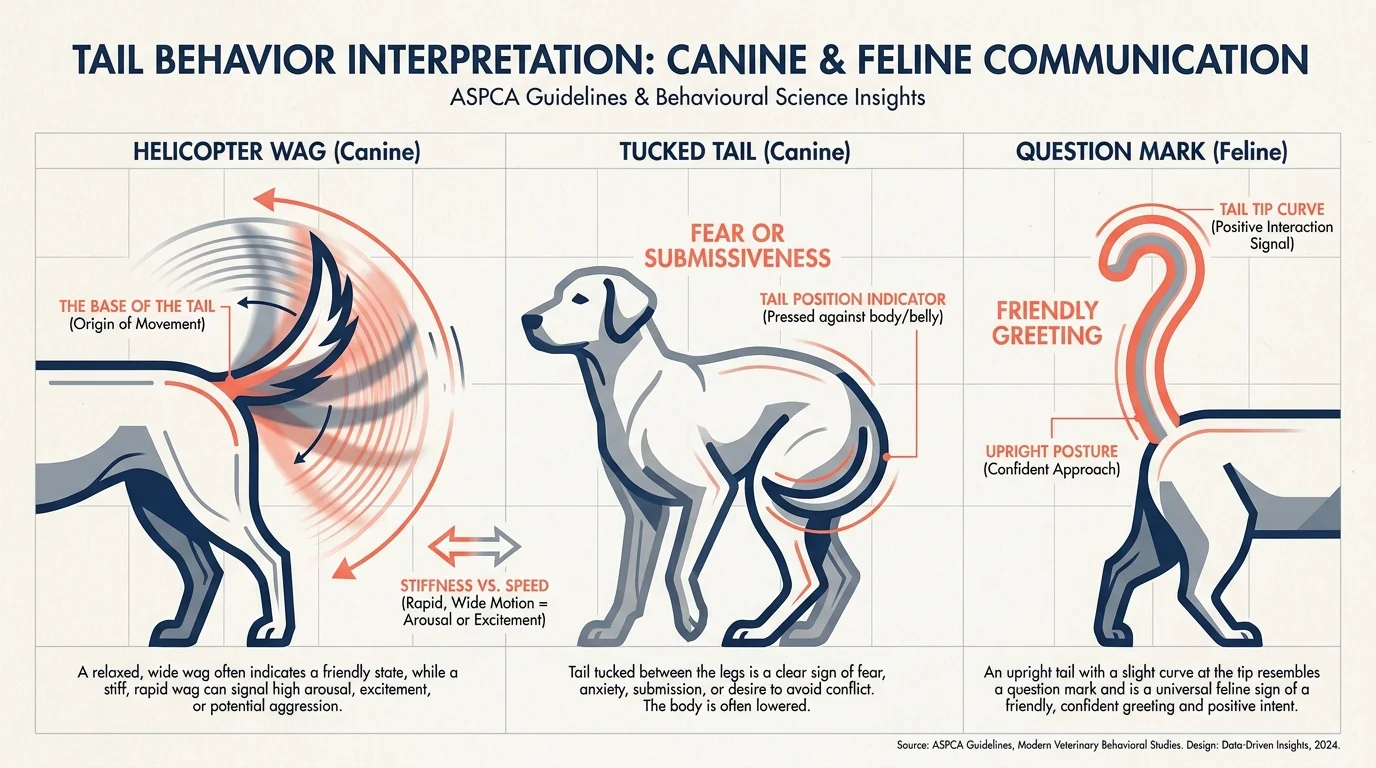
Many pet owners mistakenly believe that a wagging tail universally signifies happiness. In reality, the tail serves as a complex emotional barometer that requires careful context to interpret correctly. According to experts at the ASPCA, a wagging tail only indicates a dog’s willingness to interact—the true nature of that interaction depends entirely on the stiffness, height, and speed of the movement.
While most tail signals relate to mood, a tail that remains perpetually tucked can be one of the warning signs your pet needs a vet visit to rule out physical pain.
When observing your dog, look at the base of their tail rather than just the tip. A relaxed, sweeping motion that involves the entire hindquarters usually means your dog feels friendly and approachable. This is often called the “helicopter wag,” indicating unbridled joy. Conversely, a tail held exceptionally high and vibrating stiffly warns of high arousal or potential aggression. If the tail tucks tightly between the hind legs, your dog is actively communicating fear or submissiveness. In these moments, never rush toward the dog; instead, toss a high-value treat on the ground and allow them to approach you when they feel safe.
Cats utilize their tails with equal precision, though their vocabulary differs significantly from their canine counterparts. A cat walking toward you with a high, question-mark-shaped tail is offering a warm, friendly greeting. When a cat gently wraps their tail around your calf, they are marking you with their scent and showing immense affection. However, if you notice the very tip of the tail twitching rhythmically, your cat is likely feeling curious but slightly annoyed. A rapidly thumping or aggressively swishing tail serves as a clear, immediate boundary—your cat is overstimulated and quietly asking you to step back before they resort to swatting.
Eye Contact: From Whale Eyes to Slow Blinks
Eye contact holds immense power in the animal kingdom; it can initiate a playful chase, establish deep trust, or trigger a defensive fight. Your pet uses their gaze to continually check in with you, gather information about your mood, and express their internal state without making a single sound.
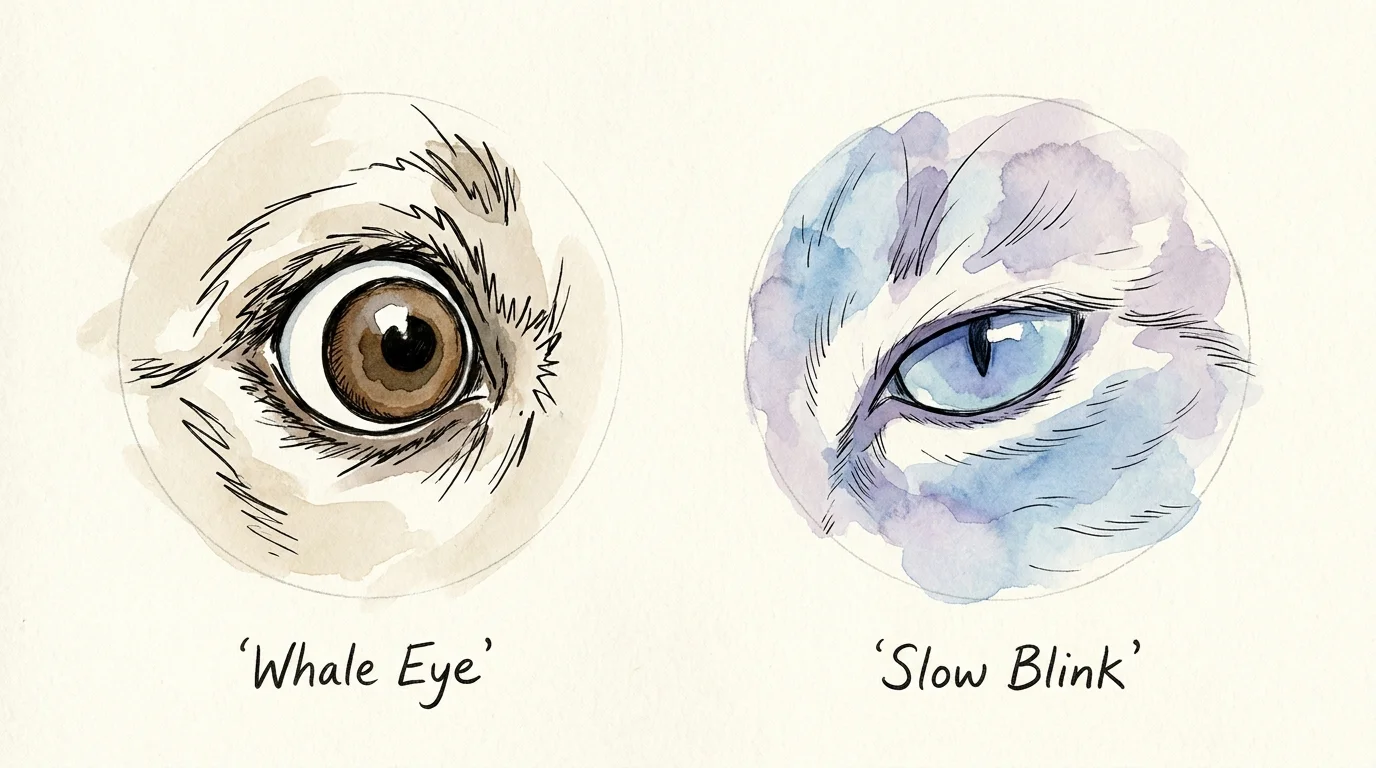
For dogs, a soft, squinty gaze directed at you demonstrates profound affection and relaxation. However, you must also be highly vigilant for the “whale eye”—a phenomenon where a dog turns their head slightly away but keeps their eyes fixed on a stressor, revealing the white portion (the sclera) of their eyes. This silent signal screams physical and emotional discomfort. If you see a dog exhibiting whale eye while being hugged by a child or approached by a stranger, they are politely pleading for space. Diffuse this tension by calmly redirecting the dog away from the situation before they feel forced to escalate their warning.
Cats, on the other hand, have perfected a beautiful visual gesture known as the slow blink. Feline behaviorists often affectionately refer to this gesture as a “cat kiss.” When a cat locks eyes with you from across the room and lazily lowers their eyelids before opening them again, they are demonstrating ultimate vulnerability. In the wild, closing one’s eyes in the presence of another creature is dangerous; doing it in your living room means your cat feels entirely safe. You can communicate your own peaceful intentions by returning the gesture. Relax your facial muscles, gaze softly at your cat, and slowly close and open your eyes. This shared moment of quiet communication strengthens your bond far more effectively than forced physical handling.
Ear Swivels and Pin-Backs Tell a Complex Story
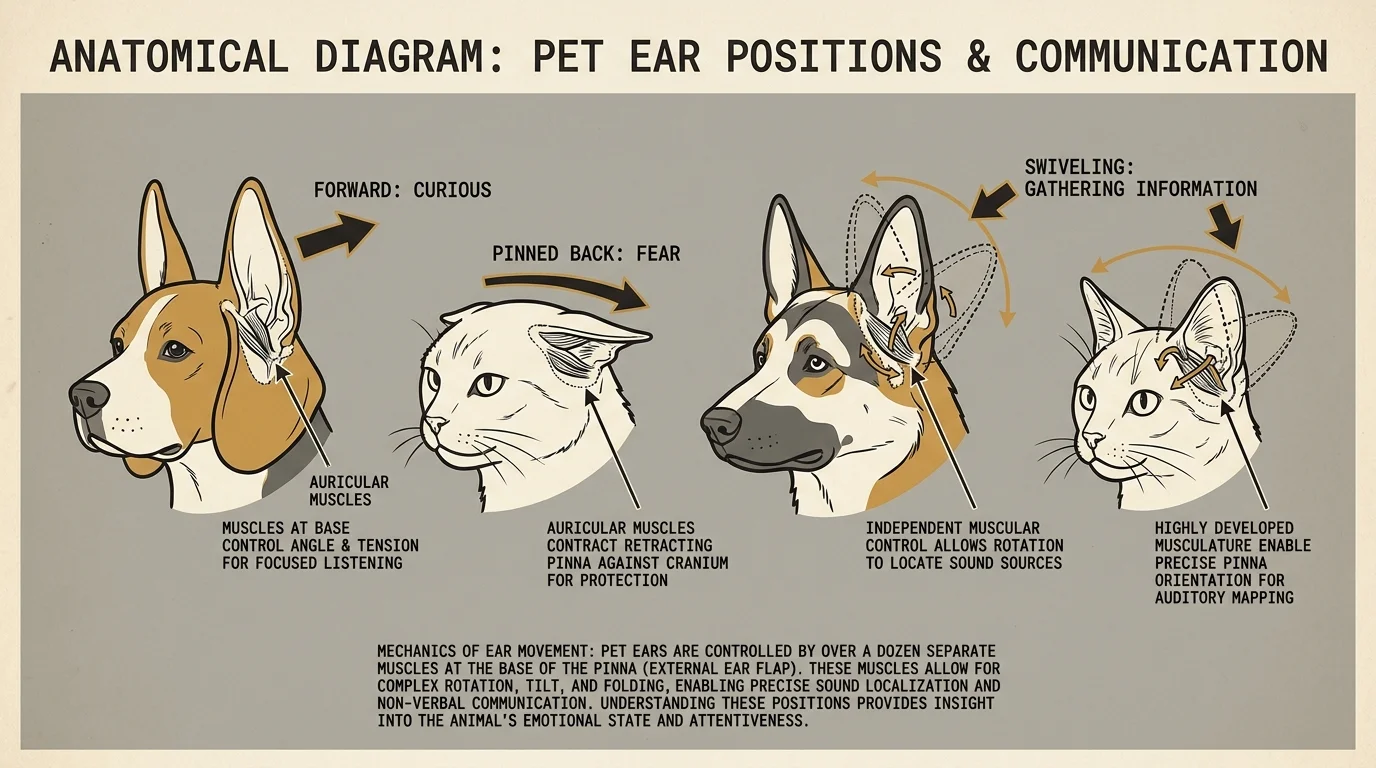
Ears do much more than simply funnel sound—they are highly mobile satellite dishes that broadcast your pet’s current emotional state. Because dogs and cats possess dozens of specialized muscles controlling their ears, they can execute minute adjustments that completely alter the meaning of their body language. Even if your dog has long, floppy ears like a Basset Hound or a Beagle, you can still observe the firm cartilage at the base of the ear shifting forward or backward.
It is also worth noting that senior pets often go through changes in their mobility that might make their ear or tail movements less pronounced than in their youth.
To help you accurately decode these small but critical shifts, here is a quick reference guide comparing canine and feline ear positions:
| Ear Position | What It Means for Dogs | What It Means for Cats |
|---|---|---|
| Neutral and Relaxed | Comfortable, content, and unbothered by the surrounding environment. | Relaxed, feeling entirely safe, and approachable for gentle petting. |
| Pricked Forward | Alert, deeply focused, or intensely curious about a new stimulus. | Interested, actively investigating a sound, or anticipating a play session. |
| Pinned Flat Back | Highly fearful, stressed, submissive, or preparing to defend themselves. | Terrified, aggressive, feeling cornered, or ready to strike out. |
| Swiveled to the Side (Airplane Ears) | Conflicted, unsure, or feeling heavy social pressure from humans or pets. | Anxious, irritated, overstimulated, or listening to a sound behind them. |
When you approach any animal, always check their ears first. If you spot “airplane ears” on your cat while brushing them, immediately stop the grooming session and give them space. For dogs, ears that suddenly pin flat against the skull during an interaction signal an urgent need for distance and relief from pressure.
Posture Shifts: The Play Bow and The Forward Lean
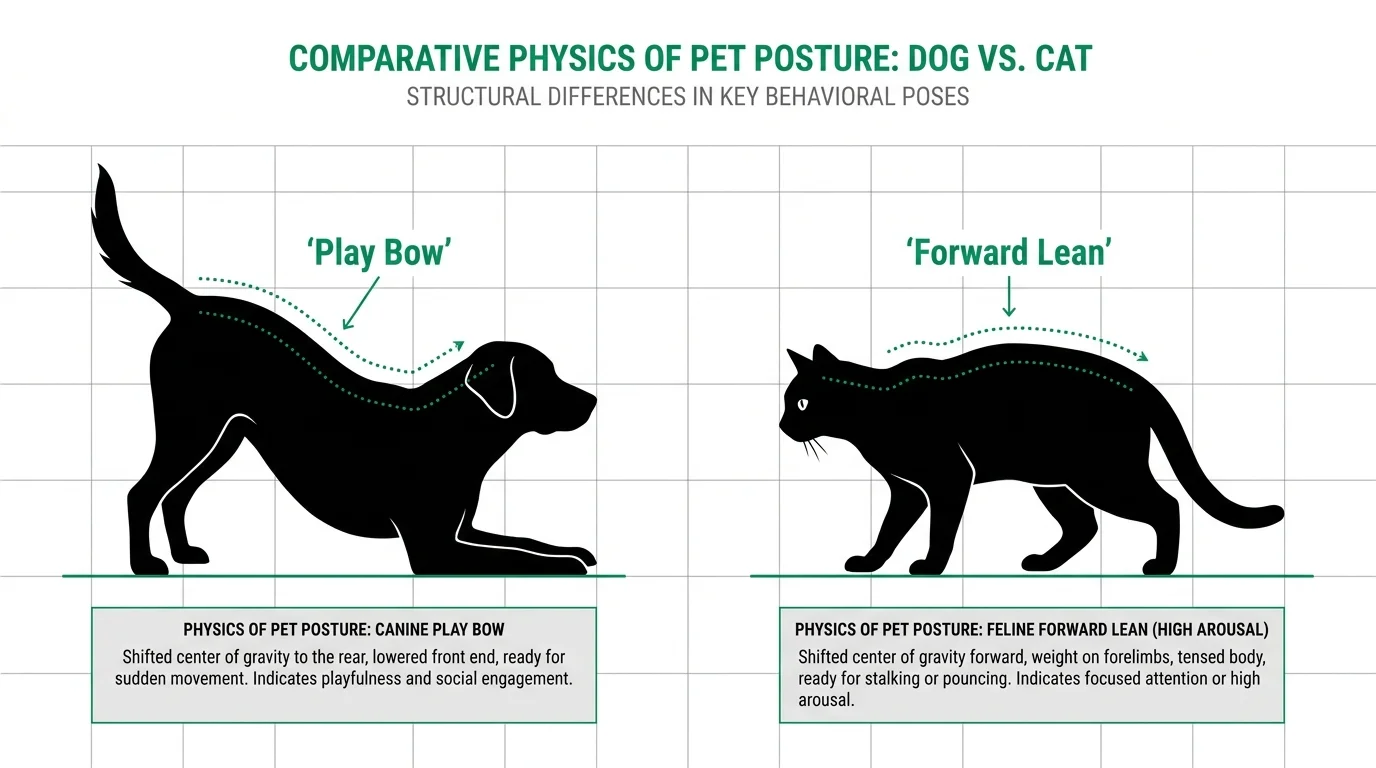
The specific way an animal carries their body weight offers profound insights into their confidence and intent. As noted by experts at Fear Free Pets, observing whether an animal leans toward or shrinks away from a stimulus provides immediate insight into their emotional state and helps you respond appropriately to their needs.
Including specific time for quiet observation within your daily pet care routine helps you identify these posture shifts before they escalate.
When a dog feels playful, they exhibit bouncy, exaggerated movements designed to show that they mean no harm. The most classic example of this is the “play bow”—a posture where the dog rests their front elbows on the ground while keeping their hindquarters elevated in the air. This distinct stance explicitly communicates that any subsequent growling, chasing, or nipping is strictly part of a game. However, if a dog suddenly freezes, stiffens their core muscles, and leans their weight heavily forward over their front paws, they are preparing for a serious confrontation. Conversely, a dog shifting their weight backward and crouching low to the ground is desperately trying to make themselves appear smaller due to overwhelming fear.
Cats communicate similar physical boundaries through their weight distribution. A cat lounging in a loose “loaf” position—with their paws neatly tucked under their chest—feels entirely secure in their environment, as they cannot easily spring up to flee from this posture. When a cat completely rolls onto their back to expose their belly, they are showing you the highest level of trust possible. However, keep in mind that a feline’s exposed belly is rarely an invitation for a stomach rub; it is simply a display of comfort. Reaching for that highly vulnerable area often violates their trust and results in a defensive trap involving teeth and back claws.
Proximity and Vulnerable Sleeping Positions
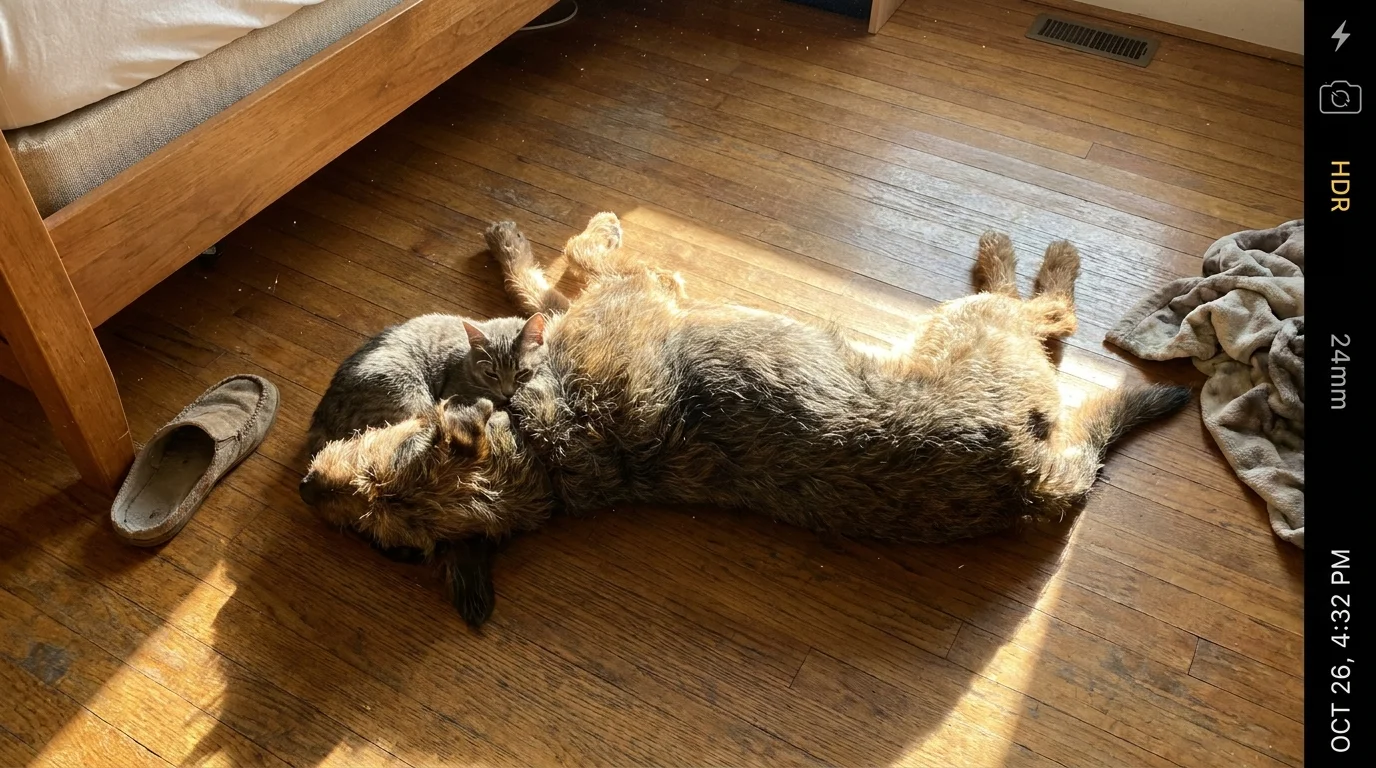
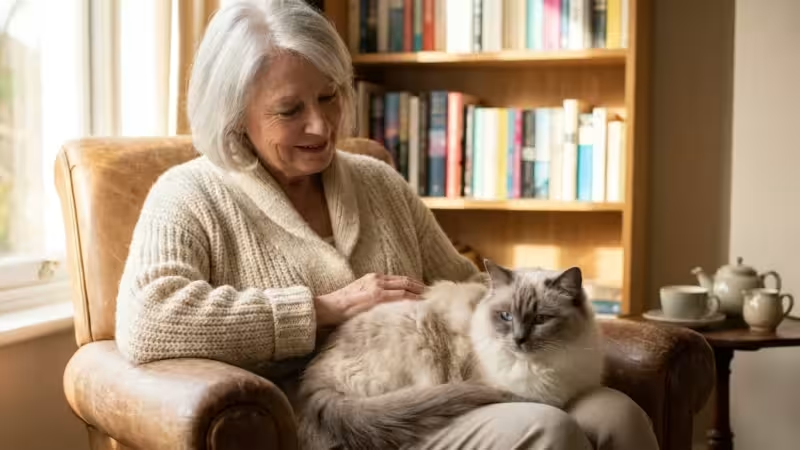
Where and how your pet chooses to sleep provides a daily, quiet report on your relationship status. Because sleep requires entering a state of total vulnerability, your pet’s chosen resting spot speaks volumes about the level of protection and trust they associate with you.
If your dog frequently chooses to sleep with their back pressed firmly against your leg, side, or back, they are actively seeking physical reassurance. This contact provides them with a tangible anchor, allowing them to relax completely while trusting you to keep watch over the environment. Similarly, a dog that sleeps completely sprawled out on their side, or belly-up in the center of a busy living room, feels supremely confident and entirely unthreatened by the household dynamics.
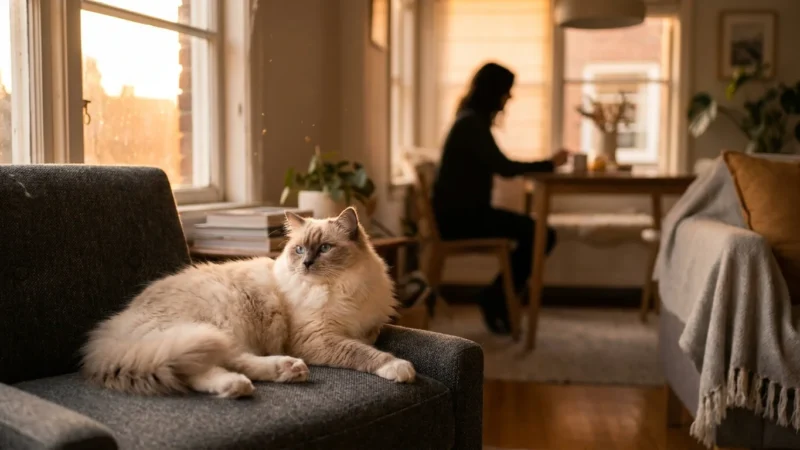
Cats demonstrate their affection through proximity as well, though often in less physically intrusive ways. A cat resting quietly at the foot of your bed, or perching on the back of the sofa just above your head, is making a deliberate choice to share your space. Even if they are facing entirely away from you, do not take this positioning as a slight. In the feline world, turning their back to you means they trust you enough to let their guard down while they keep watch over the rest of the room.
Quiet Calming Signals: Yawning and Lip Licking
While barks, whines, and meows are obvious requests for attention, pets also use incredibly quiet micro-movements to converse with you. These low-level signals often go completely unnoticed by owners until they learn exactly what to look for during everyday interactions.
If your pet’s calming signals are frequently ignored, it can lead to anxiety issues that may eventually require professional training help to resolve.
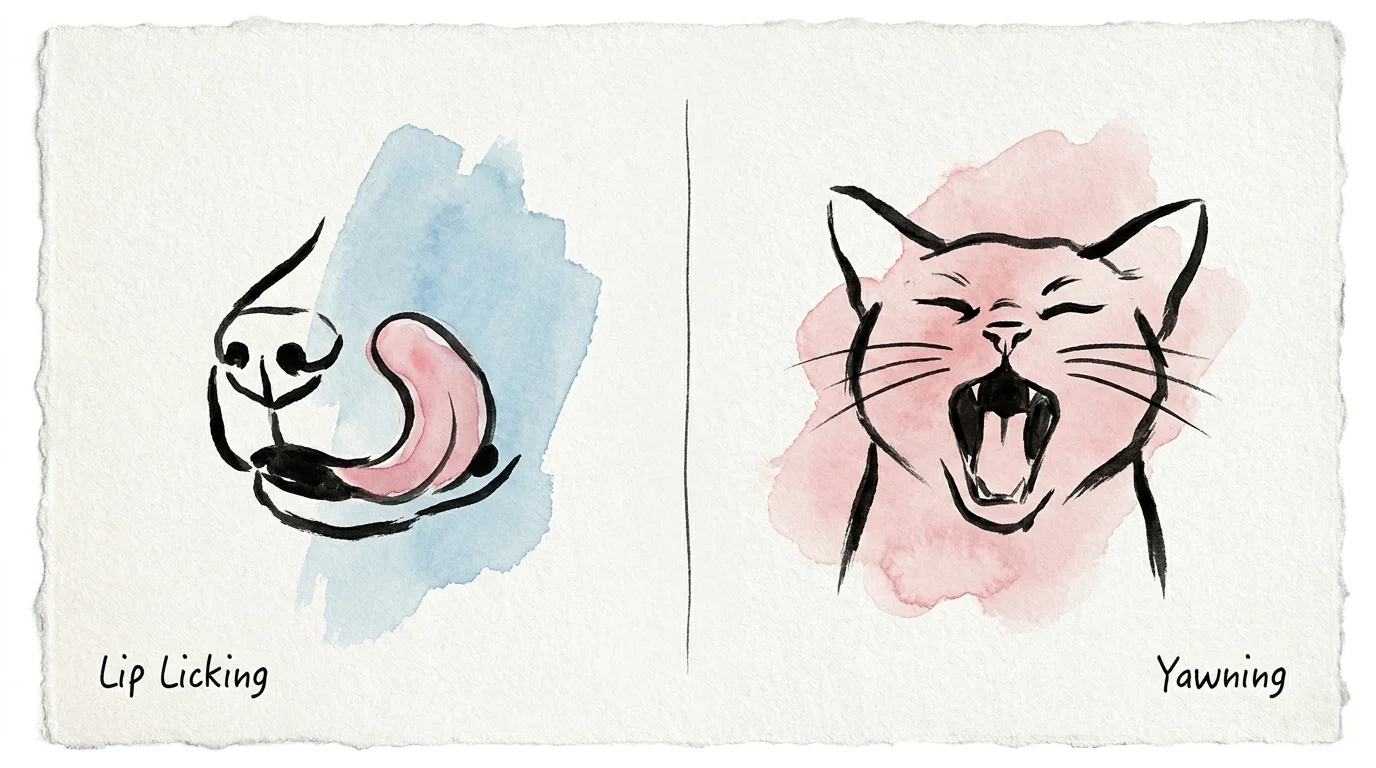
Dogs heavily rely on mouth movements to defuse social tension and calm themselves down. If your dog suddenly yawns broadly during a basic obedience session, or repeatedly flicks their tongue out to lick their nose when no food is present, they are neither tired nor hungry. These are known as canine calming signals. Dogs use these quiet behaviors to self-soothe in moments of stress and politely ask you, or another dog, to lower the intensity of the interaction.
“Yawning and lip licking in dogs are often misunderstood as fatigue or hunger, but they are actually classic appeasement signals designed to defuse tension and request space.” — Dr. Sarah Mitchell, DVM
Cats also possess a secret vocabulary of nearly silent mouth movements. You might notice a sudden, rhythmic “chatter” when your cat spots a squirrel through the window—a complex physical reaction believed to stem from predatory frustration and intense excitement. Alternatively, a soft, closed-mouth trill or chirrup when you enter the kitchen serves as a polite, affectionate greeting. Acknowledging these quiet signals by softening your own voice validates your pet’s attempt to communicate and reinforces their desire to engage with you positively.
The Full-Body Reset: Understanding the Shake Off
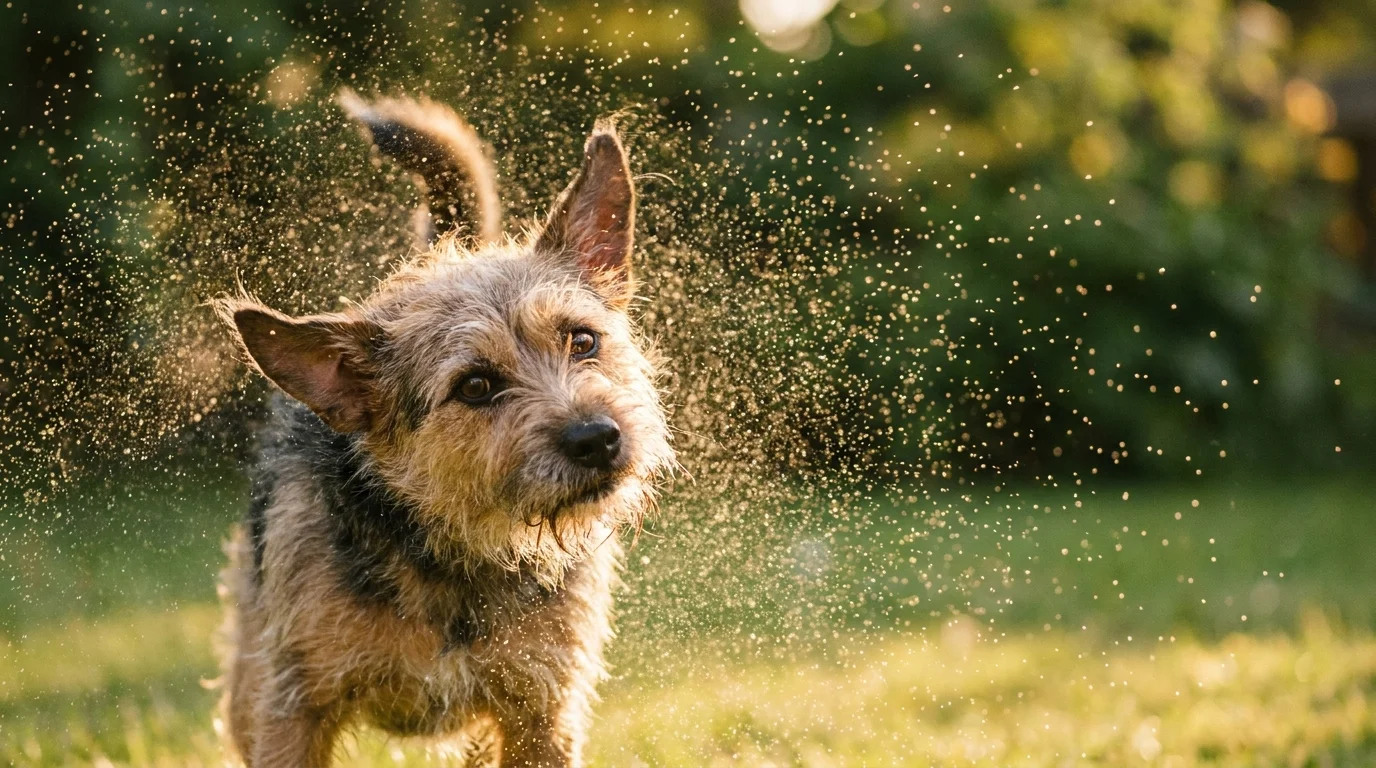
Have you ever watched your dog dry themselves off after a bath, violently shaking their head, shoulders, and torso until their whole body rattles? This behavior is expected when they are wet. However, when a perfectly dry dog executes this exact same full-body shake, they are communicating something entirely different: stress relief.
In the canine world, the “shake off” serves as a biological reset button for the nervous system. Dogs use this maneuver to physically shed adrenaline and tension following an intense or uncomfortable encounter. For example, if your dog meets an overly boisterous puppy on a walk, endures the greeting, and then immediately shakes their entire body as they walk away, they are telling you, “Wow, I am glad that is over.”
Paying attention to when your dog shakes off provides a clear map of what they find stressful. If they shake off immediately after you hug them, brush their teeth, or apply their harness, they are quietly informing you that they merely tolerated the handling rather than enjoyed it. Acknowledging this helps you modify your approach—perhaps moving slower or using more treats next time—to make the experience genuinely comfortable for them.
Recognizing When Stress Signals Require Professional Help
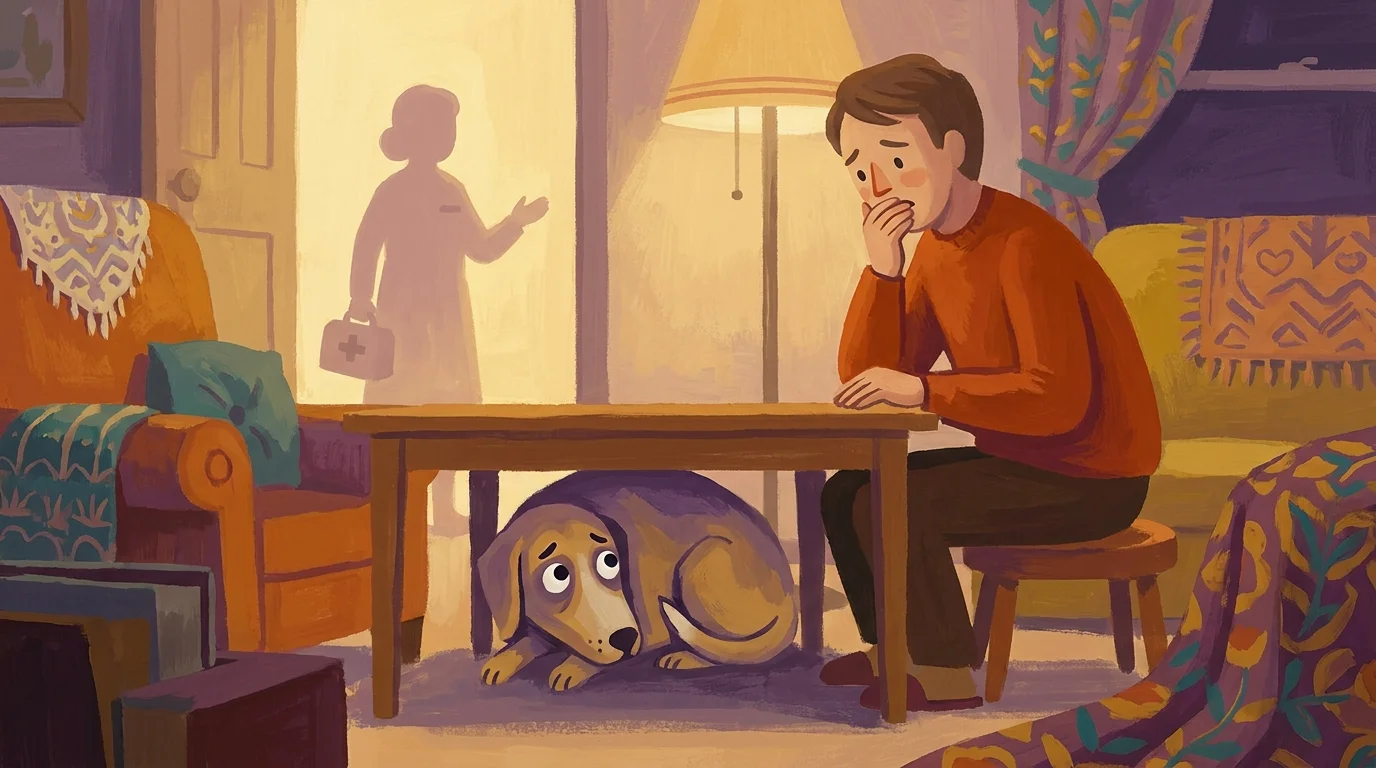
Understanding your pet’s quiet communication becomes absolutely critical when those subtle signals indicate mounting, unmanageable stress. Veterinary studies by the American College of Veterinary Behaviorists (ACVB) indicate that missing these early warning signs is the primary reason why otherwise friendly pets resort to biting or aggressive outbursts.
If your pet’s subtle stress signals frequently escalate into reactive behavior, it may be time to look for signs your dog needs professional training help to restore balance to your home.
Pets rarely bite or scratch without warning; in almost all cases, humans simply missed or ignored the quiet signs that preceded the violent event. If your dog freezes completely, tightly closes their mouth, and shifts their weight forward while a child reaches for their toy, they are begging for intervention. If your cat pins their ears flat, thrashes their tail, and hyper-focuses on a visiting houseguest, they are deeply overwhelmed and feeling trapped.
When you notice these signs, calmly and quietly step in to separate your pet from the stressful environment. Never scold or punish your dog or cat for growling, hissing, or bearing their teeth. These vocalizations and facial expressions are vital, appropriate warning systems. Punishing a growl teaches your pet that warning you is dangerous, encouraging them to skip the warning entirely and jump straight to biting next time. By honoring their quiet requests for distance, you prove that you are a reliable, protective leader, significantly deepening the lifelong trust they place in you.
Frequently Asked Questions
Why does my dog sigh heavily when lying down?
A deep, audible sigh combined with relaxed, half-closed eyes usually indicates deep contentment and physical relaxation. Your dog is essentially settling in for a comfortable, secure rest. However, if the heavy sigh is accompanied by wide-open eyes, pinned ears, and a stiff posture, it may indicate frustration or disappointment—such as when a play session ends prematurely or they realize they are not getting a bite of your dinner.
What does it mean when my cat turns their back to me and sits down?
While humans often view turning one’s back as a rude or dismissive gesture, a cat turning their back to you is actually a profound compliment. It means they feel completely safe in your presence and trust you enough not to attack them from behind. They are comfortable sharing your space without feeling the need to keep a defensive, watchful eye on your movements.
Are these quiet calming signals the same for puppies and senior dogs?
Yes, the fundamental canine calming signals—such as lip licking, yawning, shaking off, and looking away—are universal across all ages and breeds. However, senior dogs may exhibit less exaggerated body language due to joint pain, arthritis, or decreased overall mobility. Because they cannot physically move away as quickly, you must pay much closer attention to a senior dog’s subtle facial expressions and eye movements to accurately gauge their comfort level.
Why does my dog yawn when I try to hug them?
While you intend a hug to be a warm display of love, most dogs find forced physical confinement highly stressful and unnatural. Yawning during a tight hug is a clear appeasement signal, indicating that your dog feels anxious, trapped, and is trying to calm both themselves and you down. It is always best to express affection in ways dogs naturally enjoy, such as offering gentle chest rubs or slow scratches behind the ears, while allowing them the freedom to move away if they choose.
For expert pet care guidance, visit
ASPCA,
The Humane Society of the United States,
Cornell University College of Veterinary Medicine,
UC Davis School of Veterinary Medicine and
American Animal Hospital Association (AAHA).
Disclaimer: This article is for informational purposes only and is not a substitute for professional veterinary advice, diagnosis, or treatment. Always consult with a licensed veterinarian for medical concerns about your pet.





Leave a Reply