
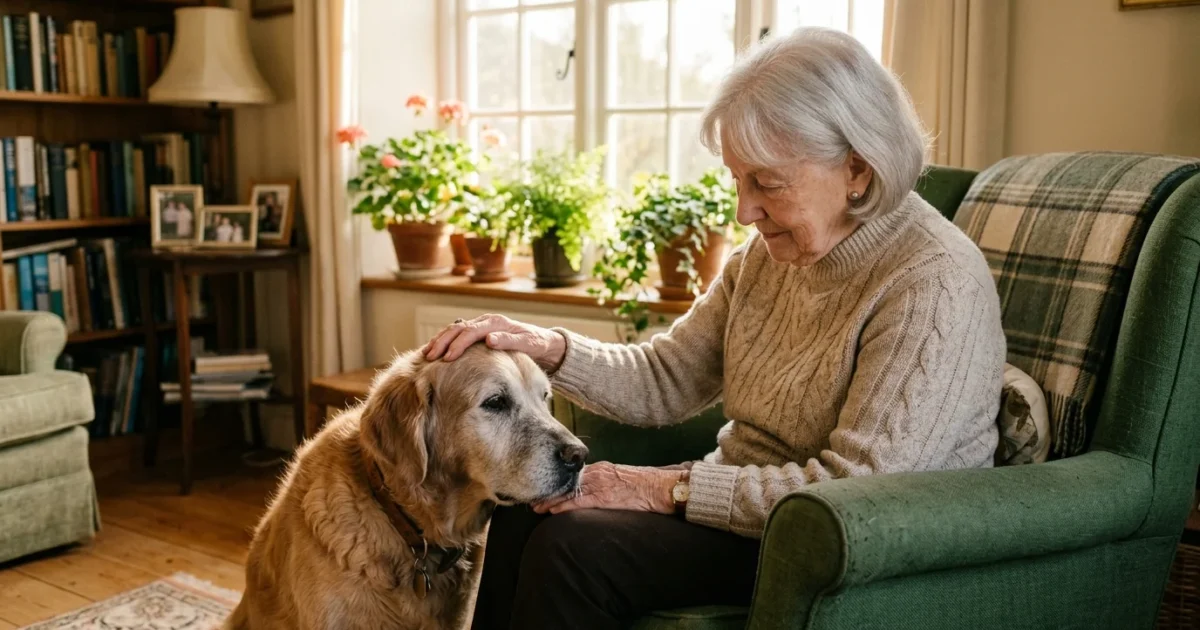
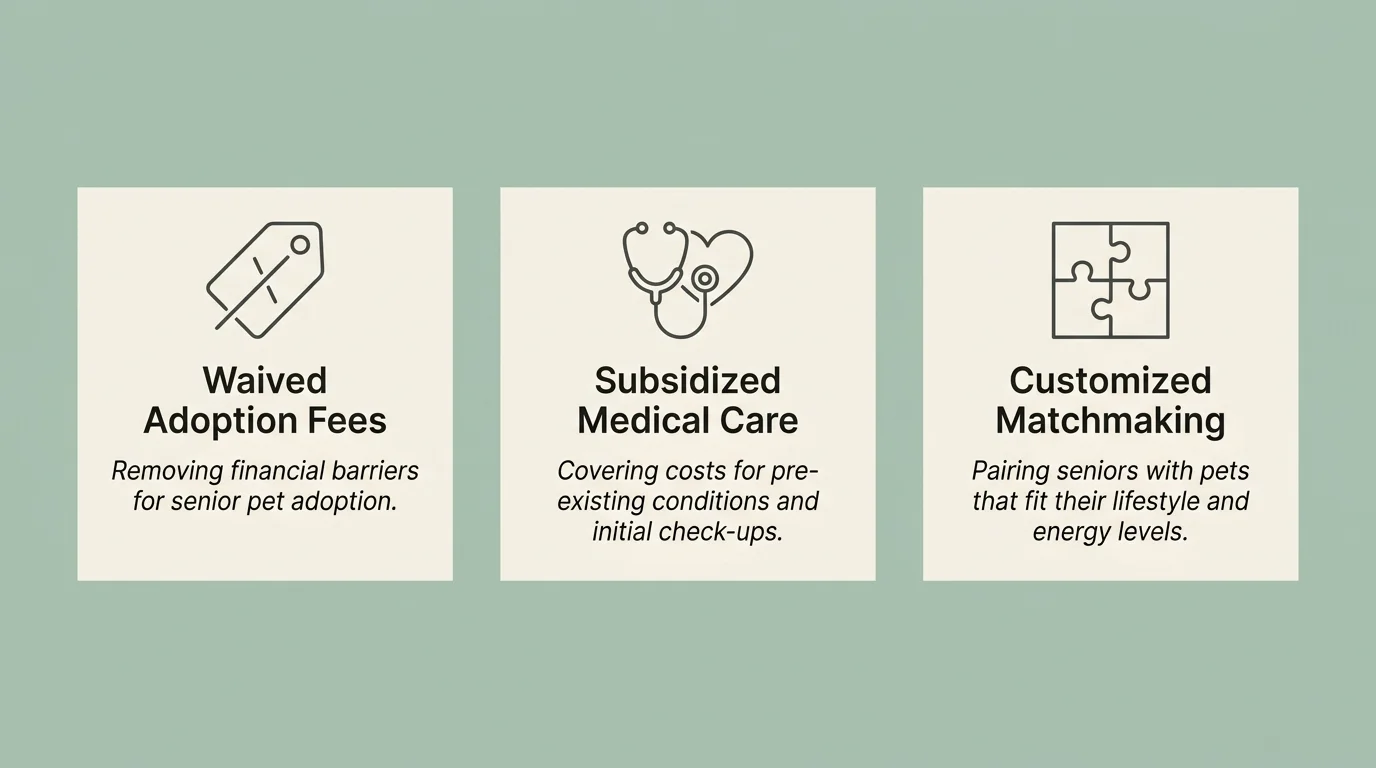
Adopting a senior animal opens your home to a gentle, devoted companion while relieving the overwhelming pressure on local animal shelters. Older animals frequently languish in rescue facilities far longer than playful puppies or kittens, yet they offer predictable temperaments, established house training, and immediate companionship. Specialized senior pet adoption programs across the nation now actively lower financial barriers by offering waived fees, subsidized medical care, and customized matchmaking services. Whether you want to adopt a serene feline or a soulful older dog, discovering these dedicated rescue initiatives empowers you to save a life while gaining an affectionate, well-behaved family member.
Understanding the Reality for Senior Animals in Shelters
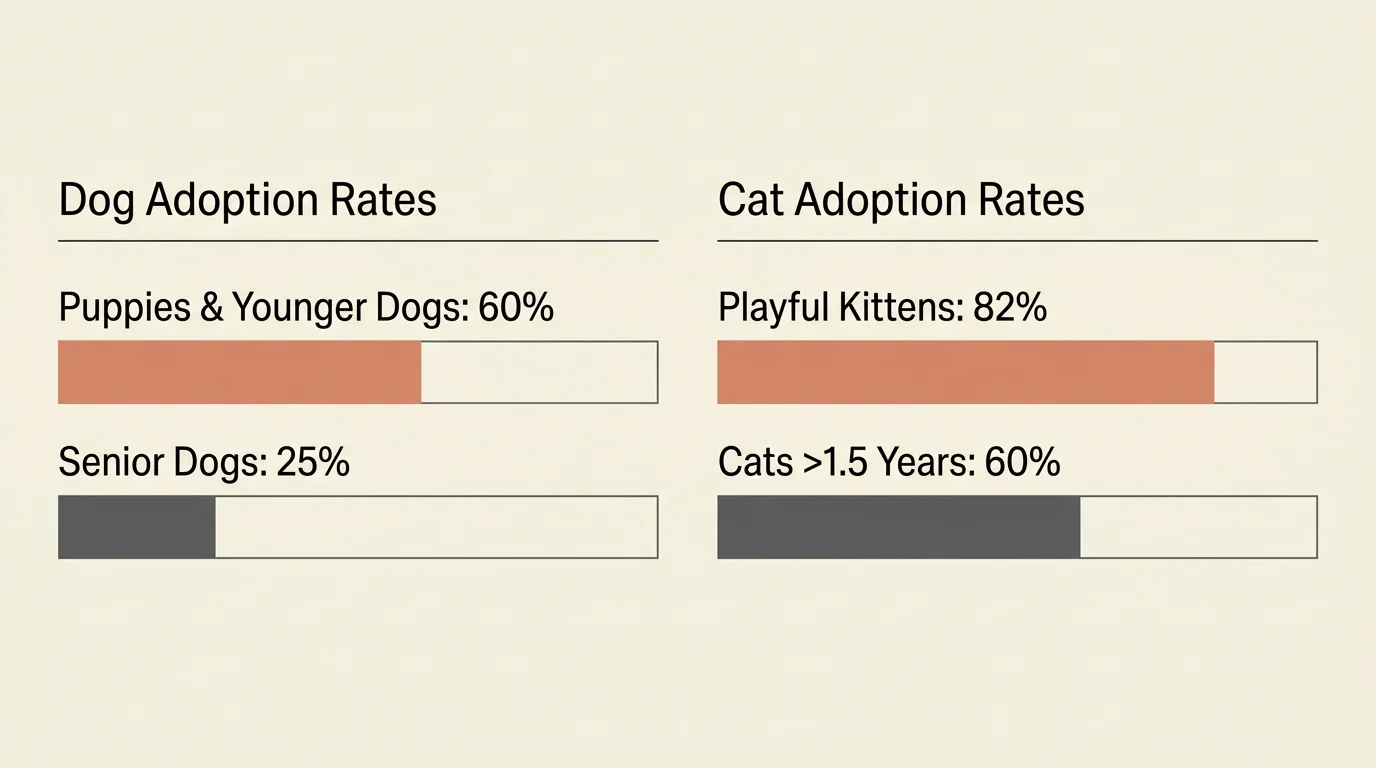
According to research highlighted by the ASPCA, senior dogs face an adoption rate of approximately 25%, while puppies and younger dogs enjoy a 60% adoption rate. The gap remains equally pronounced for cats; felines older than 1.5 years experience roughly a 60% adoption rate compared to 82% for playful kittens. As a direct result of these lower adoption rates, senior animals spend up to four times longer in shelter kennels waiting for a family to notice them.
Learning about the common physical and behavioral changes senior pets experience helps adopters better understand what shelter animals go through.
In animal welfare, veterinarians and rescue professionals classify dogs as senior when they reach 7 years of age. However, giant breeds like Great Danes and Mastiffs often enter their golden years as early as age 5 or 6, whereas toy breeds may not show signs of aging until age 8 or 9. Cats typically cross the senior threshold around 10 years of age. To raise public awareness around these deserving animals, national welfare organizations co-founded Adopt a Senior Pet Month, celebrated every November across the United States.
Shelter environments present unique physiological and emotional challenges for mature animals. Loud barking, bright fluorescent lighting, and cold concrete floors aggravate mild joint stiffness and elevate chronic stress levels in older pets. Long-term shelter stays can diminish an animal’s natural enthusiasm, making them appear withdrawn or anxious when prospective adopters walk past their kennels. When you choose to adopt an older pet, you directly rescue an animal from a high-stress environment, allowing them to spend their remaining years resting on a soft bed surrounded by personal care and deep affection.
The Undeniable Benefits of Adopting Older Pets
Exploring the benefits of adopting older pets reveals a long list of advantages that surprise many first-time adopters. While puppies and kittens bring unquestionable charm, they also demand constant supervision, intensive potty training, and significant destruction prevention. Adopting an older pet brings immediate emotional stability and calm energy into your home because mature animals have already outgrown the chaotic development phases of early youth.
Building a stable daily environment by creating a pet care routine helps senior pets settle quickly into their new homes.
Learning about how cat care needs change over time helps prospective owners provide proper daily support from day one.
When you welcome a senior dog or cat into your family, you enjoy distinct practical perks that fit seamlessly into busy modern schedules:
- Known Physical Traits and Personality: What you see is precisely what you get. A senior pet’s physical size, coat type, energy requirements, and temperament are fully established, eliminating the guesswork associated with raising mixed-breed puppies or kittens.
- Established House Manners: Most shelter seniors spent years living inside human households before entering the rescue system. They usually understand housebreaking, leash etiquette, and litter box habits from the moment they cross your threshold.
- Predictable Energy Levels: Older pets fit effortlessly into quieter households, apartment living, and busy professional schedules. Rather than requiring hours of vigorous daily exercise, senior dogs prefer gentle neighborhood strolls, while senior cats spend hours resting happily in sunny spots.
- Deep Emotional Bonding: Experienced shelter workers frequently observe that senior animals display a profound sense of relief and gratitude once settled in a real home. Mature pets form exceptionally strong, loyal bonds with their new caretakers very quickly.
Teething issues disappear entirely when you opt for a mature companion. Your shoes, furniture legs, electric cords, and rugs remain completely safe from destructive chewing or scratching. Furthermore, senior pets transition wonderfully into homes with remote workers, busy professionals, or retired adults who prefer quiet companionship over high-intensity exercise routines.
Top National Senior Pet Adoption Programs
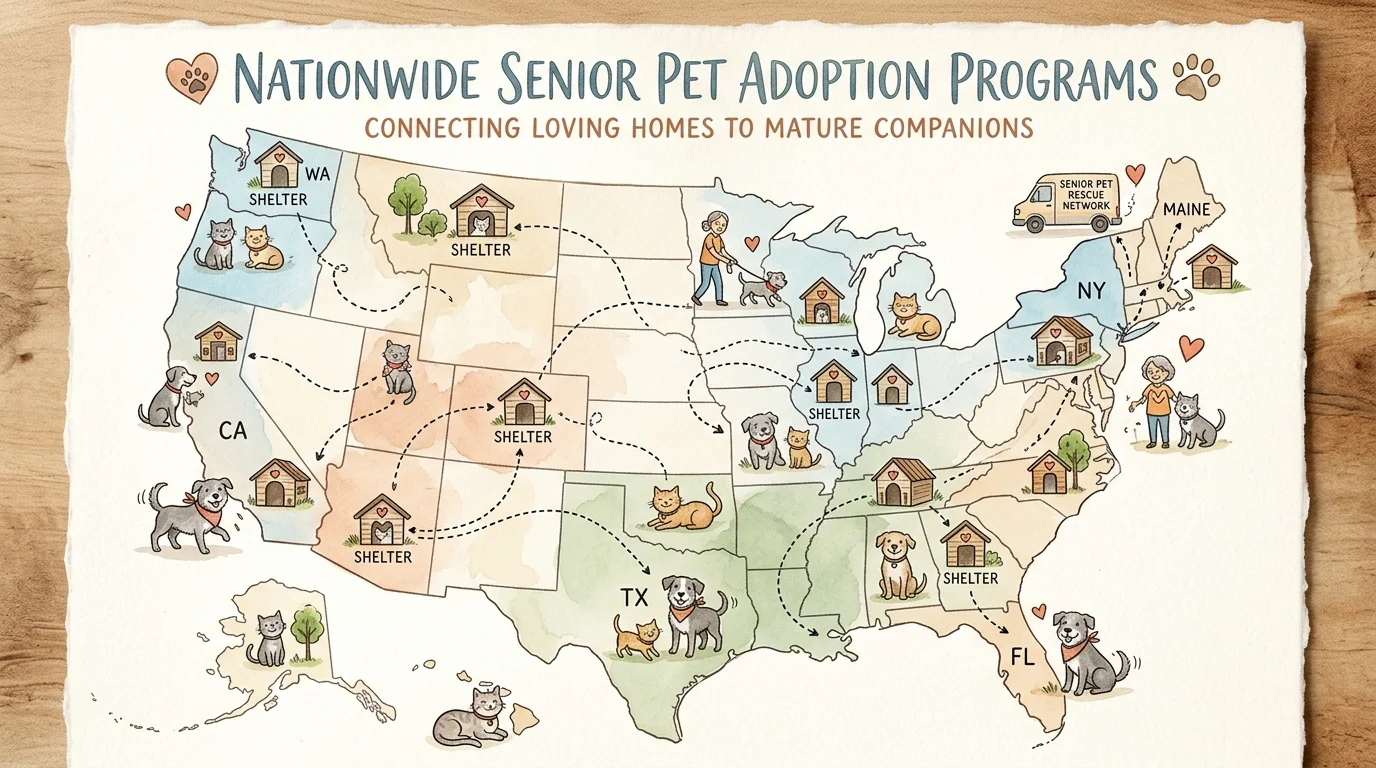
Several leading national nonprofit organizations work to remove financial barriers and facilitate successful senior pet placements. These groundbreaking initiatives provide critical grant funding directly to participating shelters, rescue networks, and prospective adopters.
Pets for the Elderly Foundation
Established in 1992 and expanded nationally in 2002, the Pets for the Elderly (PFE) Foundation focuses on a dual mission: pairing older adults with loving companion animals while rescuing senior pets from crowded shelters. The program targets adopters aged 60 and older through participating partner shelters across more than 34 states. PFE pays for adoption fees, pre-adoption veterinary examinations, spay or neuter surgeries, and essential vaccinations. To date, PFE has facilitated over 121,000 successful shelter animal adoptions, making it one of the most successful senior pet adoption programs in the country.
For older adults considering dog adoption, exploring dog breeds that make great companions for retirees can help guide shelter searches.
The Grey Muzzle Organization
Founded in 2008, The Grey Muzzle Organization stands as the largest national nonprofit organization dedicated exclusively to senior dog welfare. Over its 18-year history, Grey Muzzle has awarded more than $8.3 million in specialized grants to animal shelters and rescue groups nationwide—including over $1.18 million awarded in 2026 alone. These grants do not merely lower adoption costs; they fund crucial dental cleanings, orthopedic surgeries, medical diagnostic panels, hospice foster care, and senior-focused adoption marketing. By covering heavy medical expenses before adoption, Grey Muzzle renders senior dogs far more adoptable and accessible to everyday families.
Petfinder Foundation Senior Pet Adoption Assistance Grants
The Petfinder Foundation provides targeted Senior Pet Adoption Assistance Grants of up to $1,000 to qualified shelters and rescue organizations. Shelters utilize these funds to subsidize adoption fees, purchase specialized senior nutritional diets, cover bloodwork panels, and provide post-adoption care kits to new owners. These micro-grants empower smaller, rural shelters to give senior pets the visibility and medical preparation required to secure permanent homes.
How Seniors for Seniors Programs Work
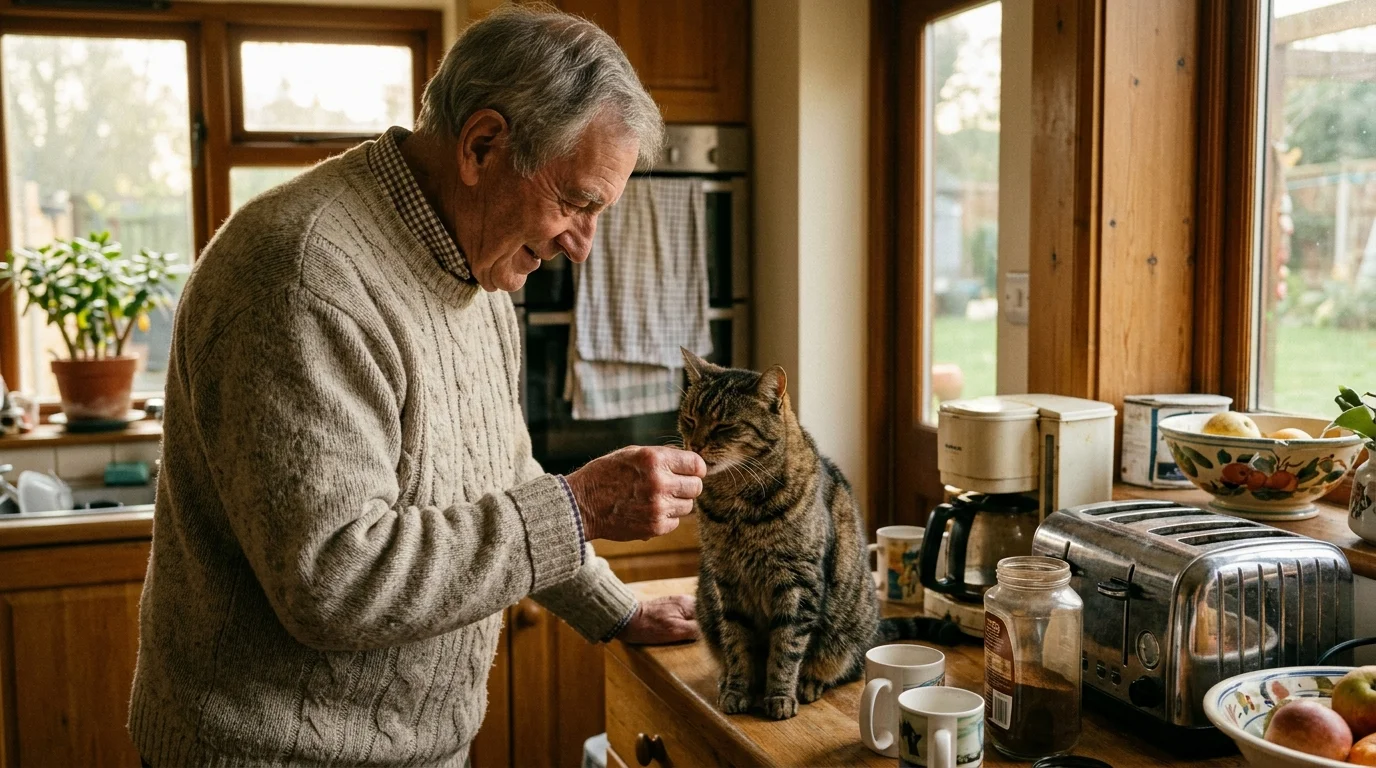
One of the most widespread community adoption initiatives is the “Seniors for Seniors” model, available at hundreds of municipal shelters and private humane societies nationwide. According to recommendations from The Humane Society of the United States, matching older humans with mature animals creates a mutually beneficial partnership that improves emotional, mental, and physical health for both parties.
If you already have a pet at home, checking the signs you are ready to adopt a second pet ensures a harmonious match.
Matchmakers often focus on dogs that are easy for seniors to care for to foster a safe, low-stress living arrangement.
For feline lovers, exploring cats suited for quiet senior households can help narrow down the search for a tranquil companion.
In a typical senior for senior pet programs setup, shelters pair adopters aged 55 to 65 and older with pets aged 5 to 7 and older. To encourage these pairings, participating shelters frequently offer total financial waivers where senior pet adoption fees waived entirely or reduced by 50% to 75%. Shelter matchmakers evaluate the prospective adopter’s physical mobility, living environment, and daily schedule before suggesting ideal senior pet candidates.
These specialized initiatives offer robust structural safeguards to ensure lasting success:
- Comprehensive Pre-Adoption Health Screenings: Every senior animal receives a thorough veterinary exam, blood chemistry panel, and dental assessment prior to placement.
- Post-Adoption Financial Vouchers: Participating humane societies often issue vouchers for discounted follow-up veterinary visits or ongoing pet food pantry access.
- Safety Net Guarantees: Shelters guarantee smooth re-entry into the rescue system if an older adopter’s health deteriorates unexpectedly, giving adopters complete peace of mind.
By removing upfront financial obligations and providing ongoing support, these tailored programs transform potential adoption hurdles into deeply rewarding, lifelong friendships.
Specialized Subsidies: Medical, Dental, and Hospice Foster Initiatives
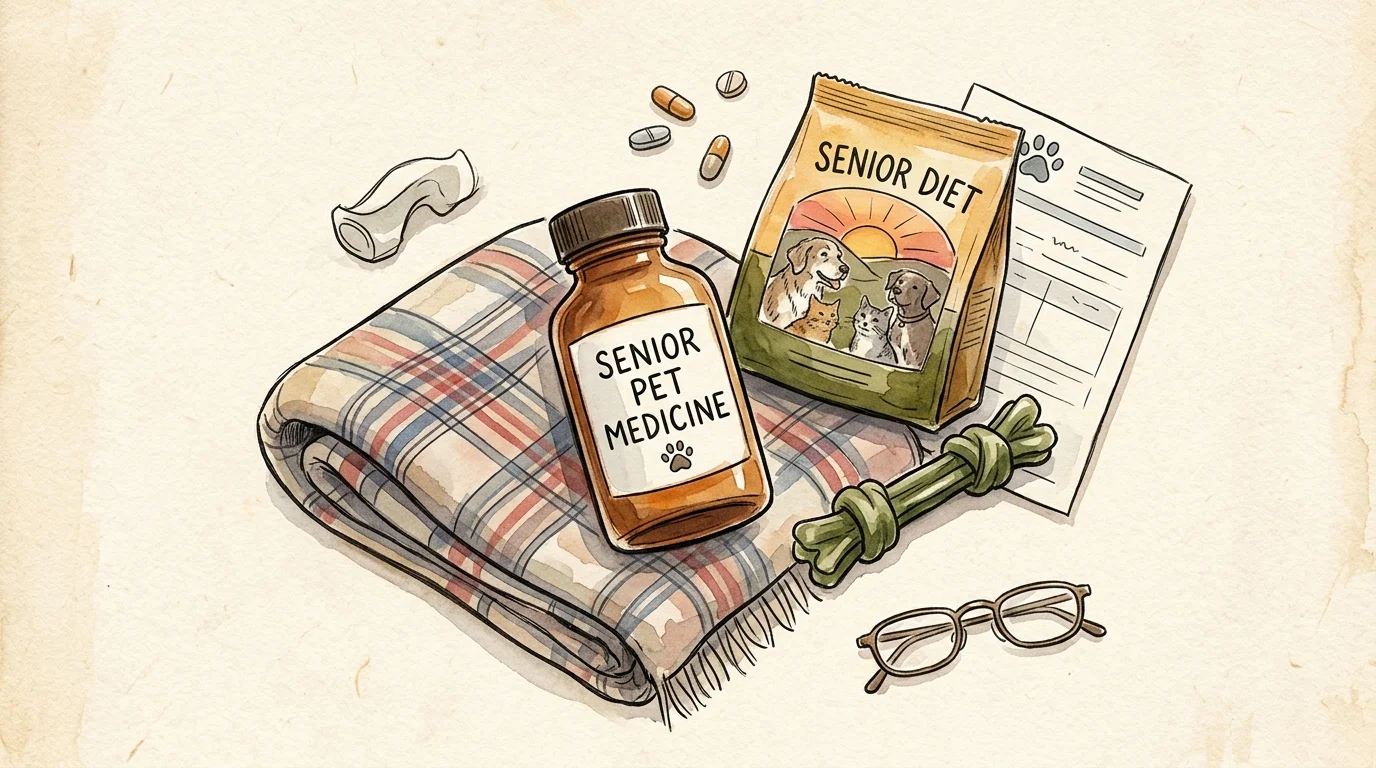
The primary hesitation prospective adopters express regarding senior pets involves potential veterinary expenses. Fortunately, modern animal welfare organizations have created innovative financial support frameworks that eliminate unexpected medical surprises.
To keep ongoing expenses low, prospective adopters can also look for budget-friendly pet products for daily feeding and grooming supplies.
Periodontal disease affects up to 80% of dogs and cats over 3 years old, and untreated dental infections can lead to serious heart, kidney, or liver complications. To address this, organizations like Grey Muzzle fund comprehensive dental procedures—including extractions, cleanings, and polishing—before senior pets leave the shelter. When rescue organizations handle these initial medical investments, you receive a happy, comfortable animal with a clean bill of health.
“Proactive veterinary care and routine dental cleanings can add two to three vibrant years to a senior pet’s life while drastically reducing emergency medical expenses down the road.” — Dr. Sarah Mitchell, DVM
For animals with advanced medical conditions or terminal diagnoses, rescue organizations manage dedicated hospice foster (or “fospice”) programs. In a fospice arrangement, you provide a warm home, daily affection, and comfortable care for an elderly animal in their final months or years. The sponsoring rescue group retains legal ownership and covers 100% of all veterinary bills, specialized prescription diets, and palliative medications. Fospice programs represent an incredibly compassionate avenue in animal welfare, allowing vulnerable pets to experience comfort and love without placing a financial burden on the foster caregiver.
Comparing Top Senior Adoption Initiatives
Understanding the distinct features of various senior adoption initiatives helps you select the ideal program for your household and financial budget.
| Program Name | Eligible Human & Pet Ages | Key Financial & Medical Benefits | Program Availability |
|---|---|---|---|
| Pets for the Elderly (PFE) | Humans: 60+ Pets: Senior shelter animals |
Waived or subsidized adoption fees, initial vet exams, spay/neuter services. | 50+ partner shelters across 34+ states. |
| Grey Muzzle Organization Grants | Humans: All ages Pets: Dogs 7+ years |
Funds dental procedures, surgeries, medical testing, and hospice foster care. | Nationwide grant funding to US shelters & rescues. |
| Local “Seniors for Seniors” | Humans: 55–65+ Pets: Cats/Dogs 5–7+ years |
Senior pet adoption fees waived, post-adoption vet vouchers, behavioral counseling. | Available at most municipal shelters & humane societies. |
| Petfinder Foundation Senior Grants | Humans: All ages Pets: Senior pets in shelters |
Up to $1,000 grants per shelter for adoption fee reduction and medical prep. | Nationwide network of participating rescue groups. |
Step-by-Step Checklist: Preparing Your Home for a Senior Companion
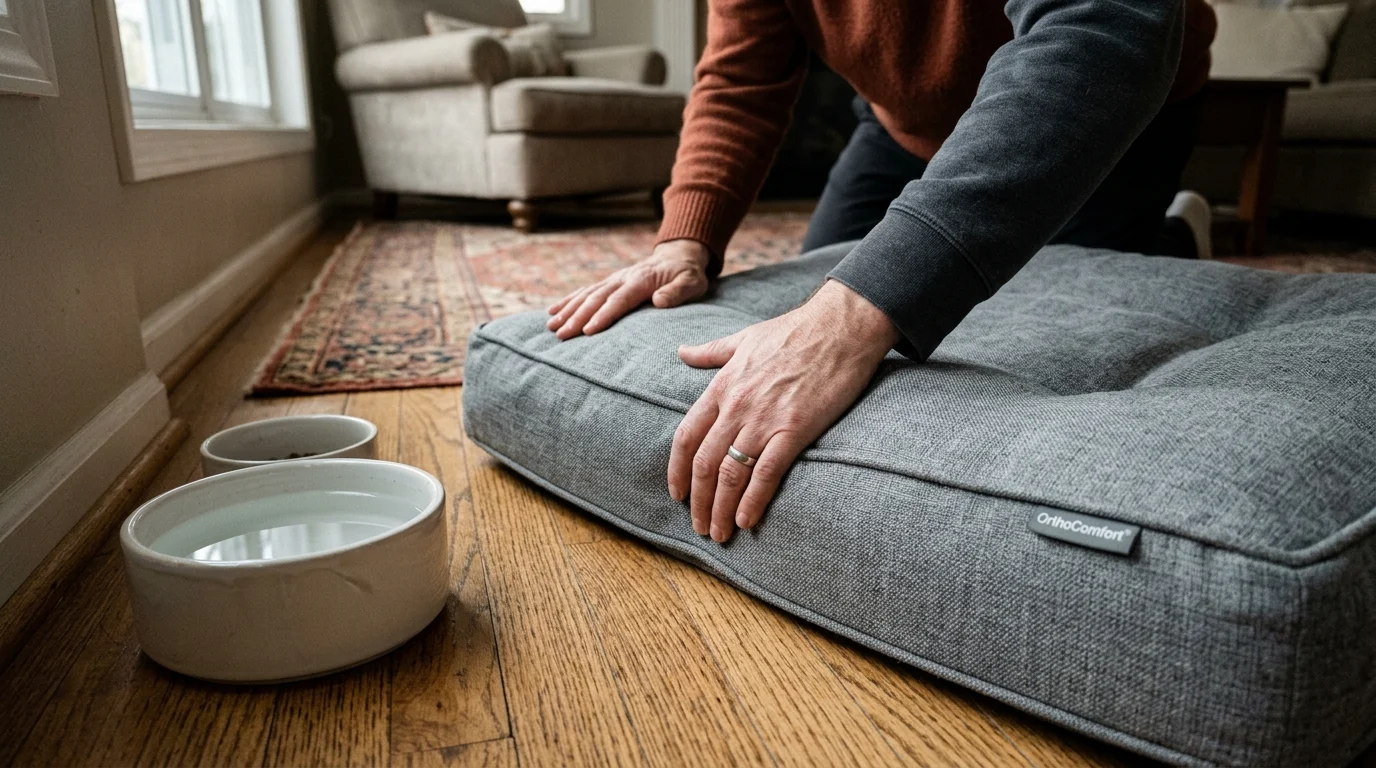
Preparing your living space before bringing your new senior pet home ensures a smooth, stress-free transition. Older pets appreciate accessibility, predictability, and physical comfort above all else.
- Upgrade to Orthopedic Bedding: Invest in high-density memory foam beds that cushion aging joints and relieve pressure points. Position beds in warm, draft-free corners of your home away from chaotic foot traffic.
- Improve Traction and Accessibility: Hardwood and tile floors present slick hazards for arthritic paws. Place non-slip rug runners across main walkways, and place cushioned pet ramps or steps near sofas and beds to prevent joint strain from jumping.
- Adjust Food and Water Stations: Elevate feeding dishes slightly off the floor so your pet does not strain their neck or shoulders while eating. For senior cats, select litter boxes with low-entry front edges so they can step inside easily without jumping over high sides.
- Enhance Lighting and Navigation: Aging pets often develop cataracts or nuclear sclerosis, which dims night vision. Plug in nightlights near water bowls, litter boxes, and bedding areas to help them navigate safely after dark.
- Establish a Consistent Daily Routine: Senior animals thrive on predictable schedules. Keep feeding, gentle exercise, and bedtime routines consistent from day one to reduce transition anxiety.
Long-Term Healthcare Strategies for Senior Pets
Maintaining a vibrant quality of life for your senior pet requires a proactive veterinary partnership. According to clinical guidelines established by the American Animal Hospital Association (AAHA), senior pets should visit their veterinarian every six months rather than once a year. Because pets age faster than humans, semiannual exams allow veterinarians to catch subtle health shifts before they become serious emergencies.
A thorough senior wellness exam should include comprehensive blood screening, biochemistry panels, thyroid testing, blood pressure monitoring, and urinalysis. These baseline diagnostic tests reveal early signs of kidney disease, diabetes, arthritis, or endocrine imbalances long before outward physical symptoms appear.
“Early diagnostic screening combined with targeted joint support can alter the trajectory of age-related conditions, turning potentially debilitating illnesses into manageable chronic conditions.” — Dr. Marcus Vance, Veterinary Internal Medicine Specialist
Weight management plays an essential role in senior care. Carrying extra weight places severe mechanical stress on arthritic joints and increases systemic inflammation. Consult your veterinarian to calculate exact daily caloric intake, and discuss adding beneficial joint supplements—such as glucosamine, chondroitin, and omega-3 fatty acids—to support mobility.
Keep a watchful eye out for subtle behavioral changes, such as disorientation, pacing at night, vocalizing without apparent reason, or sudden house-soiling. These behaviors can indicate Canine Cognitive Dysfunction or Feline Cognitive Dysfunction, conditions similar to dementia in humans. Early intervention with specialized diets, mental enrichment puzzles, and therapeutic medications can significantly slow cognitive decline and maintain daily comfort.
Frequently Asked Questions
How do I know if an older pet is right for my household?
A senior pet is ideal if you want a relaxed companion with predictable energy levels and established house manners. If you prefer low-impact walks over intense running, value a quiet domestic environment, or work regular hours, an older dog or cat will fit seamlessly into your life. However, you must feel comfortable managing potential age-related medical care as your pet grows older.
Are senior pet adoption fees waived completely at most shelters?
Many municipal shelters and humane societies waive adoption fees completely during special promotional events, Adopt a Senior Pet Month in November, or through permanent “Seniors for Seniors” programs. In other cases, organizations offer heavily discounted fees ranging from $25 to $50 to cover administrative costs. Programs funded by organizations like Pets for the Elderly often subsidize or eliminate adoption costs entirely for qualifying adopters.
What medical costs should I expect when adopting a senior pet?
Most reputable shelters complete comprehensive veterinary evaluations, dental cleanings, spay/neuter procedures, and basic blood panels before making senior pets available for adoption. For ongoing care, you should budget for semiannual wellness exams, monthly joint supplements, periodic bloodwork, and potential long-term medications for common chronic conditions like arthritis or thyroid imbalances.
How do senior dogs and cats adapt to living with existing household pets?
Senior pets generally adapt quickly and peacefully to new environments because they possess calm, predictable temperaments. To ensure a smooth transition, introduce new pets slowly using positive reinforcement. Keep senior pets in a designated quiet room initially, allowing them to acclimate to smells and sounds before initiating gradual face-to-face meetings with resident animals.
What is a fospice program, and how does it differ from regular adoption?
A fospice (hospice foster) program provides end-of-life foster care for terminally ill or ultra-senior animals who are unlikely to be adopted through standard channels. Unlike permanent adoption, where you assume full financial responsibility, the sponsoring shelter or rescue group pays 100% of all medical bills, medications, and therapeutic food while you provide a loving, comfortable home for the remainder of the pet’s life.
For expert pet care guidance, visit
American Kennel Club (AKC), Cat Fanciers’ Association (CFA), ASPCA and The Humane Society of the United States.
Disclaimer: This article is for informational purposes only and is not a substitute for professional veterinary advice, diagnosis, or treatment. Always consult with a licensed veterinarian for medical concerns about your pet.








Leave a Reply