
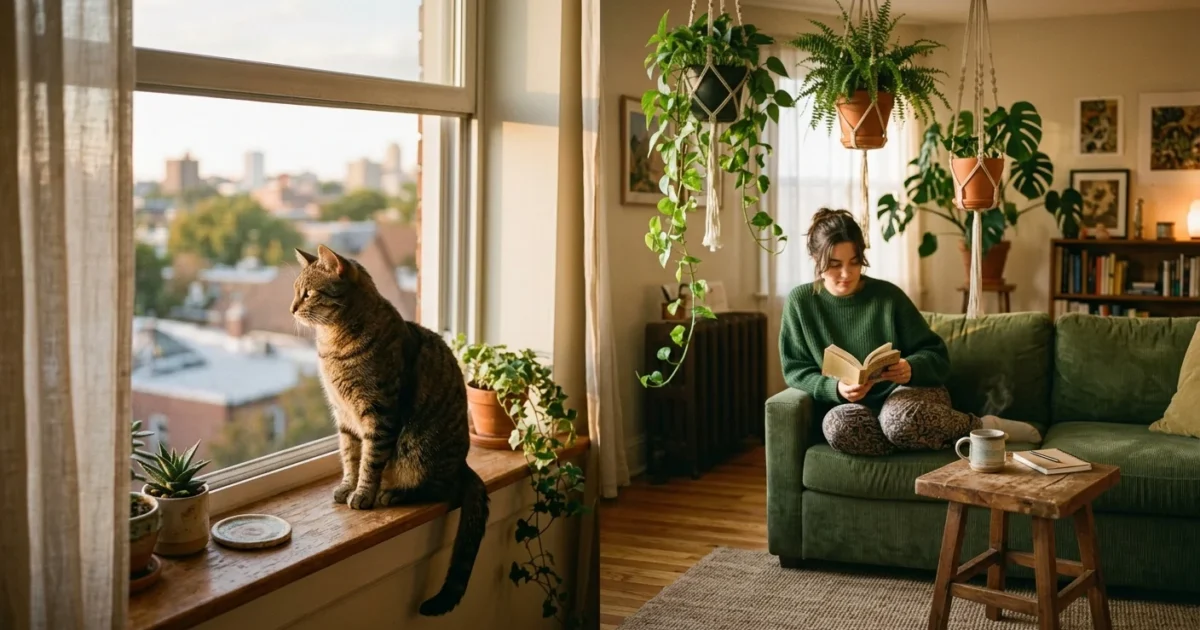
Living in an apartment should never prevent you from experiencing the unconditional joy of pet ownership. Compact living spaces simply require you to choose animals that thrive in smaller footprints without disturbing neighbors or violating lease terms. Whether you prefer a quietly purring cat, a gentle guinea pig, or a colorful freshwater fish setup, finding the right companion balances your lifestyle with your landlord’s policies. According to recent data from the American Pet Products Association, tens of millions of renters share their homes with small mammals, reptiles, and birds. Discovering the ideal pocket pet or low-maintenance buddy transforms your apartment into a lively, comforting retreat.
Evaluating What Makes a Pet Apartment-Friendly
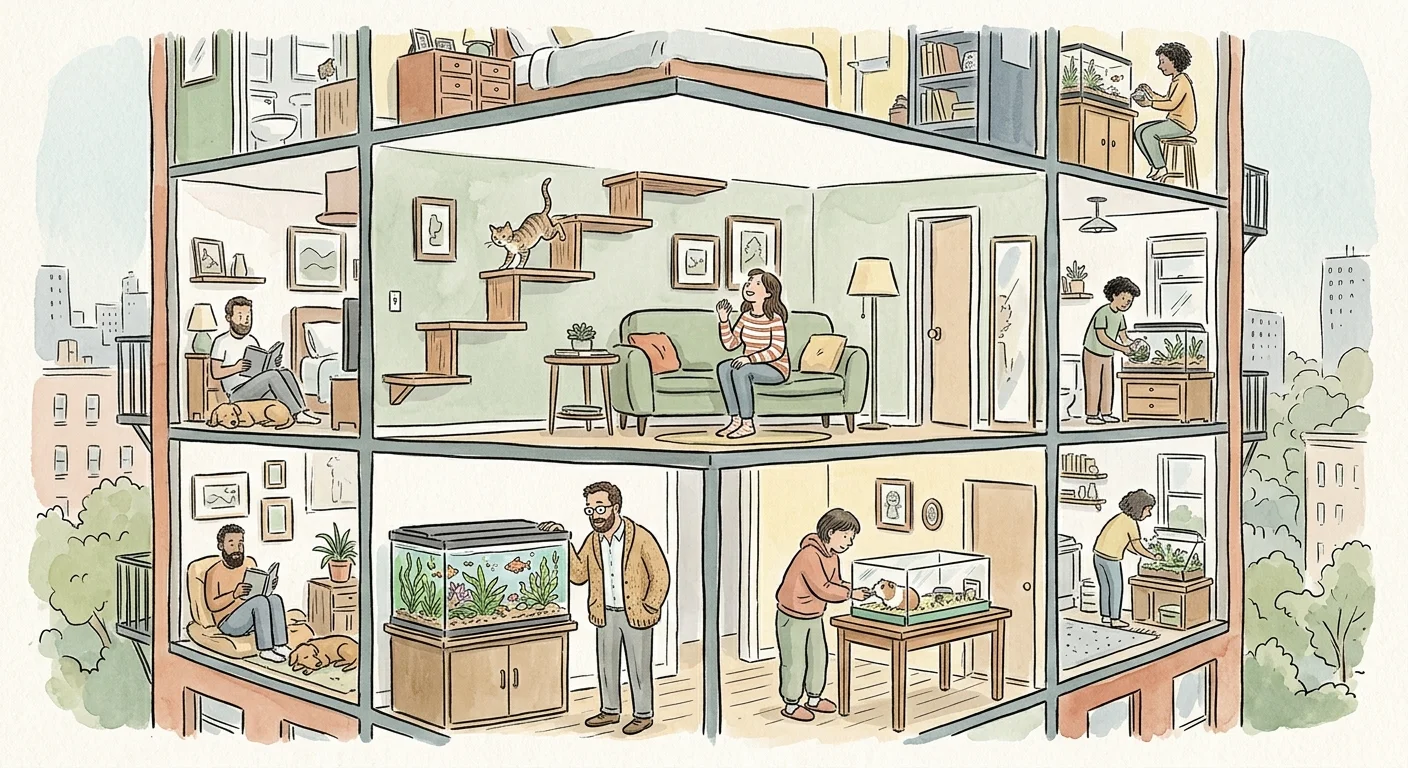
Selecting a pet for an apartment requires a clear understanding of your floor plan, schedule, and landlord constraints. While traditional pets like high-energy dogs demand large yards and frequent outdoor trips, many small animals thrive in compact indoor environments. You must evaluate four key factors before bringing a new companion home: square footage requirements, vocalization patterns, odor management, and activity levels.
Understanding how pets quietly communicate can help you recognize subtle behavioral signals in quiet indoor environments.
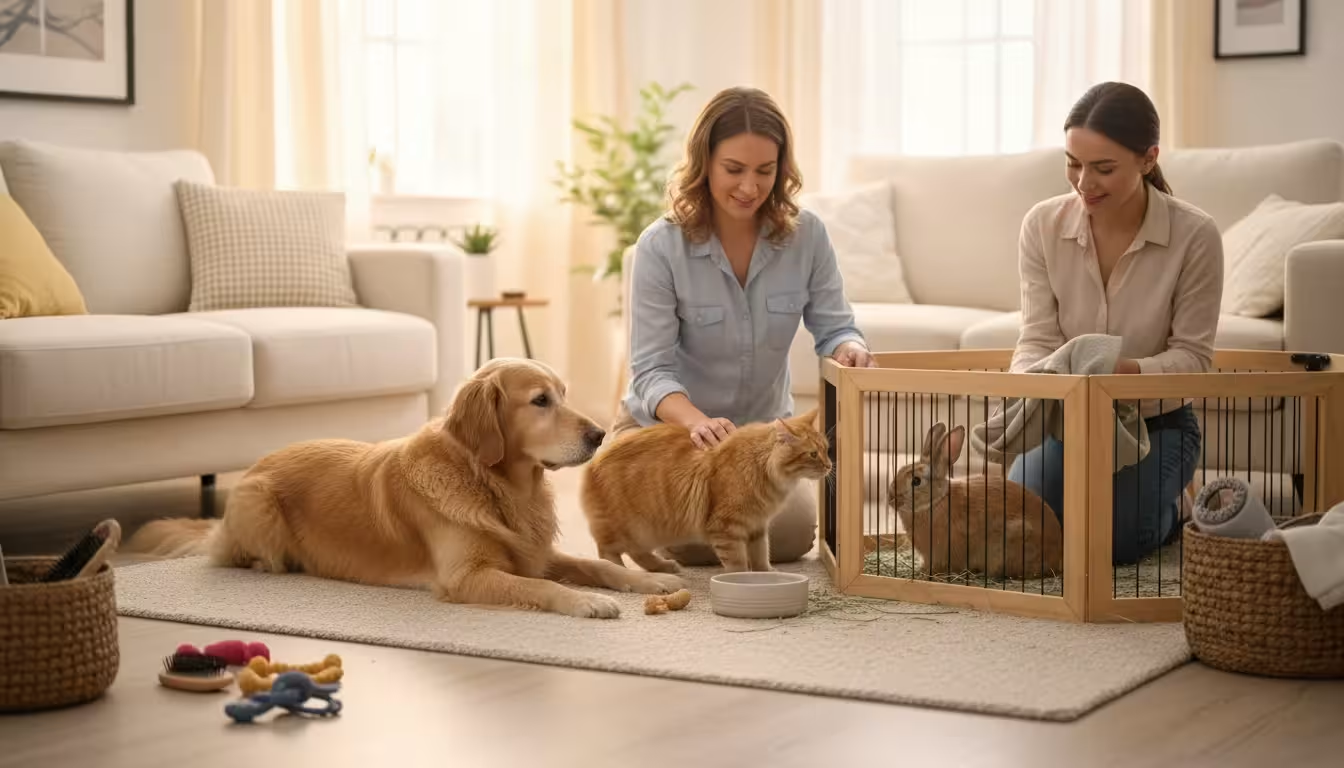
Properly structuring your small footprint is key to creating a pet-friendly home that comfortably fits both you and your pet.
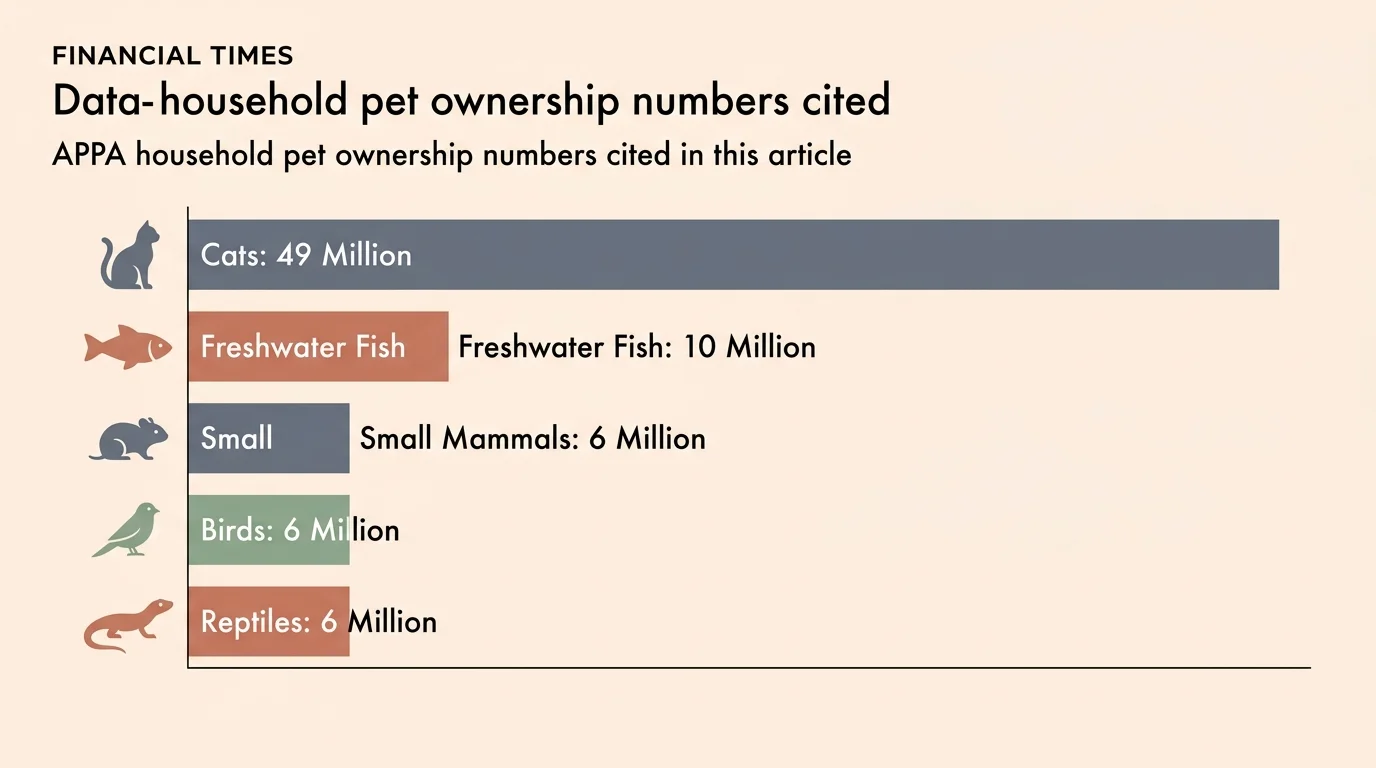
According to national survey data from the American Pet Products Association (APPA), 94 million U.S. households own at least one pet. Apartment dwellers make up a massive segment of this population; roughly 49 million U.S. households keep cats, 10 million care for freshwater fish, 6 million keep small mammals, 6 million own birds, and 6 million maintain reptiles. These statistics highlight a growing trend toward apartment-friendly companion animals that deliver deep companionship without overwhelming limited living quarters.
Quiet operation remains paramount when sharing walls with neighbors. Barking dogs or loud squawking birds trigger noise complaints quickly, whereas small mammals and reptiles generate minimal noise. Furthermore, space efficiency allows you to set up comfortable habitats without sacrificing your own functional living area. As noted by The Humane Society of the United States, responsible pet ownership begins with selecting an animal whose biological and environmental needs align with your living conditions.
10 Best Small Pets for Apartment Living
The following ten animals represent the premier choices for apartment living. Each species offers unique personality traits, manageable space footprints, and straightforward daily care routines.
1. Domestic Cats
Domestic cats remain a premier choice for apartment renters. Their independent nature, combined with indoor agility, makes them ideal for small floor plans. Cats use vertical space efficiently; a simple cat tree or a series of mounted wall shelves turns unused wall area into an exciting feline playground. Most adult cats sleep between 12 and 16 hours a day, meaning they comfortably rest while you work.
If you prefer an extra loving companion, explore top affectionate cat breeds that thrive in cozy living spaces.
To see which specific felines thrive in compact spaces, check out our guide on the best cat breeds for apartment living.
Managing a cat in an apartment requires regular litter box scooping, scratch posts, and interactive playtime. Short daily play sessions with feather wands or laser pointers keep your cat lean and mentally satisfied. Domestic shorthairs and quiet, calm breeds like the Ragdoll or British Shorthair adapt seamlessly to indoor apartment living without disturbing neighbors.
2. Guinea Pigs
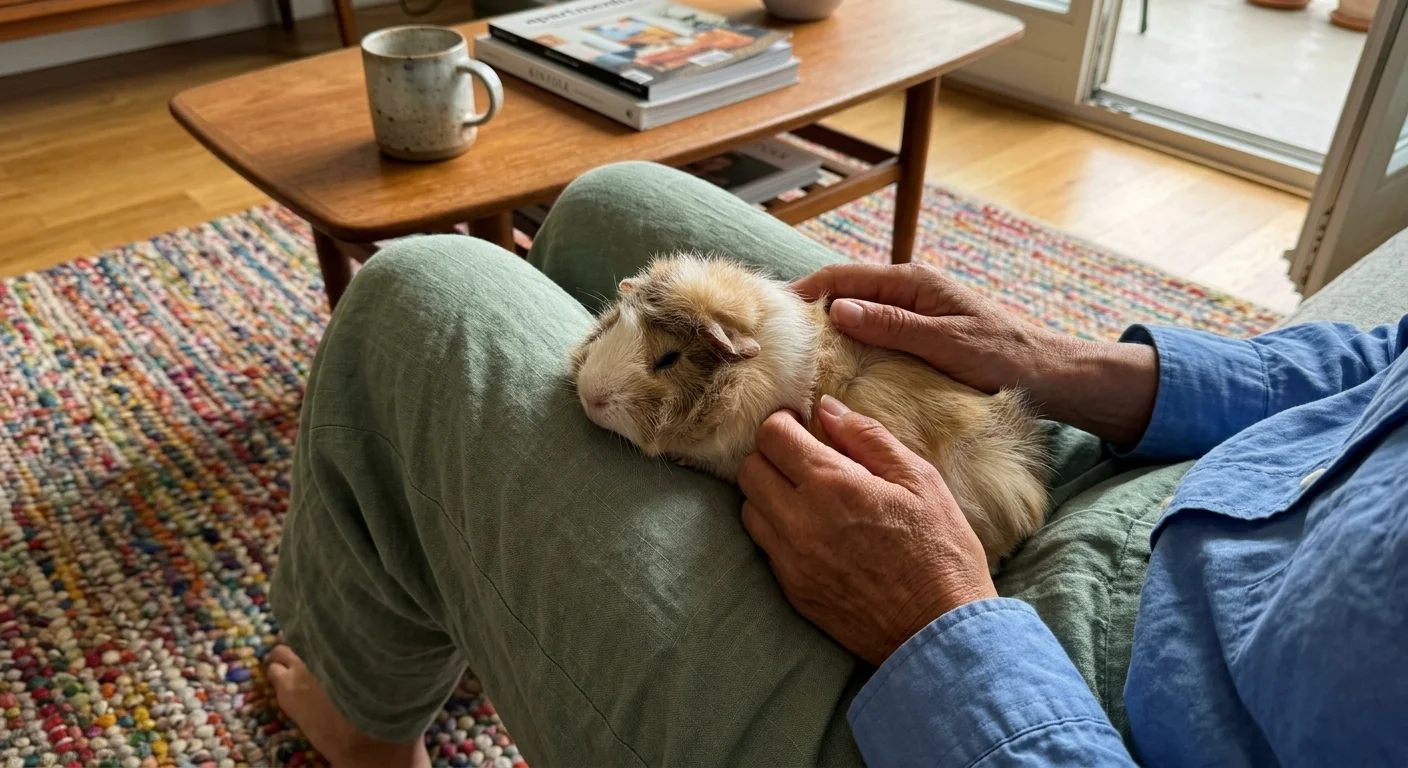
Guinea pigs are vocal, gentle, and highly social rodents that make fantastic easy care small pets. Unlike hamsters, guinea pigs are crepuscular—most active during dawn and dusk—which matches standard human work schedules. They communicate through soft whistling sounds (“wheeking”) that are charming yet quiet enough to keep neighbors completely unaware of their presence.
When bringing a pair of small animals home, learning how to introduce a new pet ensures a safe, stress-free pairing.
You must house guinea pigs in pairs or small groups because single guinea pigs suffer from profound loneliness. A proper pair requires a minimum enclosure size of 7.5 to 10 square feet (often built using modular C&C grid cages). Feed them continuous access to Timothy hay, daily fresh leafy greens, and a vitamin C supplement to maintain robust health throughout their 5-to-8-year lifespan.
3. Hamsters (Syrian and Dwarf)
Hamsters are classic pocket pets that need minimal floor space, making them outstanding small pet options seniors and studio apartment dwellers love. Syrian hamsters are strictly solitary and must live alone to prevent severe territorial fighting, while certain dwarf species can sometimes coexist in peaceful pairs. They spend their nights burrowing, running on wheels, and stashing food in their cheek pouches.
Their quiet nature also makes hamsters excellent options among pets for seniors living alone who want lower-maintenance companionship.
To keep a hamster healthy, provide a habitat with at least 450 to 600 square inches of continuous floor space and deep bedding for digging. Invest in an 8-to-11-inch solid-surface silent wheel to eliminate nocturnal squeaking noises. Hamsters require minimal direct supervision, making them ideal for individuals with busy lifestyle schedules.
4. Fancy Rats
Fancy rats are often described as small, pocket-sized dogs because of their incredible intelligence, deep affection, and eager social engagement. Rats form strong bonds with their human owners, learn tricks quickly, and even respond to their names. They groom themselves meticulously and keep their nesting areas remarkably tidy.
If you are thinking about expanding your family, review these signs you are ready to adopt a second pet before taking the leap.
Because rats thrive on social interaction, you should always adopt a bonded pair or trio. Provide a tall, multi-level wire cage that takes advantage of vertical space rather than valuable floor area. Use positive reinforcement training with tiny food rewards to teach your rats agility courses or target training. Their active, engaging personalities offer endless entertainment in a quiet package.
5. House Rabbits
Rabbits make wonderful apartment-friendly companion animals for owners who want a free-roaming, affectionate pet without dog-walking obligations. Breeds like the Netherland Dwarf, Mini Rex, or Holland Lop thrive in apartment settings when given proper exercise time. You can easily litter-train rabbits using paper bedding and fresh hay placed directly inside their litter tray.
You can also keep your rabbit entertained with creative DIY pet projects made from safe household materials.
Rabbits require thorough apartment-proofing before free-roaming. You must cover electrical cords with heavy plastic tubing and block off tight spaces behind appliances. Offer cardboard chew toys and wooden blocks to keep their continuously growing teeth worn down safely. A rabbit exercise pen serves as a perfect home base when you leave the apartment.
6. Leopard Geckos
Leopard geckos rank among the most popular low maintenance apartment pets in the reptile world. These calm, slow-moving lizards grow to just 8 to 10 inches in length and feature striking spotted patterns. They do not possess sticky toe pads, meaning they cannot climb out of open-top glass terrariums, making escape virtually impossible when properly housed.
A single adult leopard gecko requires a 20-gallon long glass terrarium equipped with an under-tank heat mat to aid digestion. They are completely silent, do not produce dander, and feed on gut-loaded insects like crickets and mealworms three times per week. Their gentle temperament allows for easy, stress-free handling.
7. Crested Geckos
Crested geckos are ideal for apartment renters who prefer not to feed live insects daily. Native to New Caledonia, these arboreal geckos eat a commercially prepared powder diet mixed with water. They thrive at standard room temperatures (70°F to 78°F), eliminating the need for complex, high-wattage basking lamps in your apartment.
Because crested geckos love to climb, they require vertical terrariums (such as an 18x18x24 inch glass tank). Fill the tank with artificial foliage, cork bark, and climbing vines. Crested geckos are quiet, docile, and fascinating to observe as they jump delicately between branches during evening hours.
8. Freshwater Fish (Bettas and Nano Schools)
Freshwater aquariums bring tranquility, vibrant color, and zero noise to apartment living space. A single Male Betta fish in a beautifully planted 5-to-10-gallon desktop tank creates a stunning focal point. Alternatively, small schooling fish like Neon Tetras or Ember Tetras offer peaceful movement without demanding floor space.
Watching colorful fish swim peacefully makes aquariums top choices for pets that help reduce stress and anxiety after a long workday.
Modern aquarium technology makes water maintenance simple. An automated heater, a low-flow sponge filter, and a weekly 20% water change keep your aquatic ecosystem pristine. Freshwater aquariums produce zero smell, require no land footprint beyond a sturdy desk or stand, and rarely incur landlord pet fees.
9. Budgies (Parakeets) and Cockatiels
Small parrots like Budgies and Cockatiels bring immense joy, bright vocal chirps, and keen intelligence into small living quarters. While larger parrots produce piercing screams that distress apartment neighbors, small parakeets generate gentle chatter and melodic whistles that rarely pass through insulated apartment walls.
Provide a flight cage that allows horizontal wing extension, along with natural wood perches and shreddable toys. Budgies and cockatiels crave social interaction; schedule at least one to two hours of daily out-of-cage time in a bird-safe room with closed windows. Training them with millet sprays and positive reinforcement strengthens your bond quickly.
10. Chinchillas
Chinchillas are famously soft, clean rodents with a lifespan ranging from 10 to 20 years. Their dense fur naturally resists parasites like fleas, and they produce virtually zero body odor. Chinchillas are nocturnal and crepuscular, spending daylight hours sleeping soundly inside wooden nesting boxes.
Setting designated evening dust baths and daily feedings is essential when creating a pet care routine that works for your schedule.
Chinchillas need a tall, multi-tier wire cage to satisfy their instinctive desire to jump and climb. They require special dust baths two to three times a week using volcanic ash powder to keep their coat clean and oil-free. You must keep your apartment climate-controlled below 75°F, as chinchillas overheat easily in warm environments.
Comparing Apartment Pet Options: Care Requirements and Budget
To help you choose the ideal match for your current floor plan and monthly budget, the following table breaks down essential metrics for all ten small apartment pets.
Setting up a proper habitat on a budget is easy when you choose budget-friendly pet products that balance cost with quality.
| Pet Type | Min. Space / Housing Footprint | Noise Level | Average Lifespan | Est. Monthly Care Cost |
|---|---|---|---|---|
| Domestic Cat | Full apartment access | Low (Soft meows) | 12–18 years | $40–$70 |
| Guinea Pigs | 7.5–10 sq. ft. enclosure | Moderate (Soft vocal whistling) | 5–8 years | $30–$50 |
| Hamster | 450–600 sq. in. tank/cage | Very Low (Silent wheel noise) | 2–3 years | $15–$25 |
| Fancy Rats | Vertical multi-level wire cage | Very Low (Quiet squeaks) | 2–3 years | $20–$35 |
| House Rabbit | Exercise pen or free-roam | Very Low (Quiet thumping) | 8–12 years | $35–$60 |
| Leopard Gecko | 20-gallon long terrarium | Silent | 15–20 years | $15–$25 |
| Crested Gecko | 18x18x24 in. vertical tank | Silent | 10–15 years | $15–$20 |
| Freshwater Fish | 5–20 gallon tank | Silent (Filter hum) | 3–10 years | $10–$20 |
| Budgie / Cockatiel | Medium flight cage + room play | Moderate (Chirping/whistling) | 7–15 years | $20–$40 |
| Chinchilla | Tall multi-tier cage | Low (Soft chirping) | 10–20 years | $25–$45 |

Navigating Pet Fees, Deposits, and Rental Policies
Understanding apartment rental policies protects you from unexpected financial burdens or lease disputes. Landlords assess pet policies based on potential property damage, noise risks, and sanitation maintenance. Before bringing any animal into your rental unit, review your lease agreement carefully and secure written permission from property management.
Pet-friendly rental properties typically collect upfront fees and monthly surcharges. Based on current nationwide leasing trends, standard financial obligations include:
- Non-Refundable Pet Fees: One-time charges ranging between $250 and $400 that cover general building wear and tear.
- Refundable Pet Deposits: Security deposits ranging between $200 and $500 (with a national median of $250) returned to you upon move-out if no damage occurs.
- Recurring Monthly Pet Rent: Monthly charges between $25 and $50 per pet added directly to your standard rental bill.
Local jurisdictions increasingly regulate these rental charges. For instance, regulations effective for leases beginning after October 1, 2025, in Washington, D.C., cap refundable pet security deposits at a maximum of 15% of one month’s rent. Always check local municipal codes to understand your legal tenant rights.
Many landlords enforce strict canine breed or weight restrictions while remaining open to small, cage-bound animals. Caged pets like hamsters, geckos, or freshwater fish frequently qualify for fee waivers or lower security deposits because they cannot scratch doors or stain carpeted floors. According to resources from the ASPCA, presenting a landlord with a detailed pet resume—including veterinary wellness records, cage dimensions, and cleaning schedules—builds immediate landlord trust.
Managing Odor, Noise, and Space in Small Living Areas
Maintaining a clean, fresh-smelling apartment requires proactive habitat management. In confined spaces, animal waste and uncleaned bedding quickly generate noticeable smells that invade living areas. Establishing a consistent cleaning routine preserves healthy indoor air quality for both you and your pet.
Select high-performance bedding materials to trap ammonia smells before they spread. Dust-free paper bedding or kiln-dried aspen shavings effectively absorb liquid waste in rodent cages. Never use unkiln-dried pine or cedar shavings; these woods release aromatic phenols that severely irritate small animal respiratory systems. For cats, opt for low-dust, unscented clumping litters or pine pellet systems placed in well-ventilated areas.
To keep noise levels undetectable to neighboring units, implement these targeted steps:
- Upgrade Exercise Wheels: Replace cheap plastic wheels with dual-ball-bearing silent spinner wheels for nocturnal rodents like hamsters and mice.
- Place Sound Barriers: Position cage setups against interior walls rather than shared party walls to prevent vibration transference.
- Establish Lighting Routines: Keep lighting cycles consistent using automatic outlet timers to align pet activity with normal waking hours.
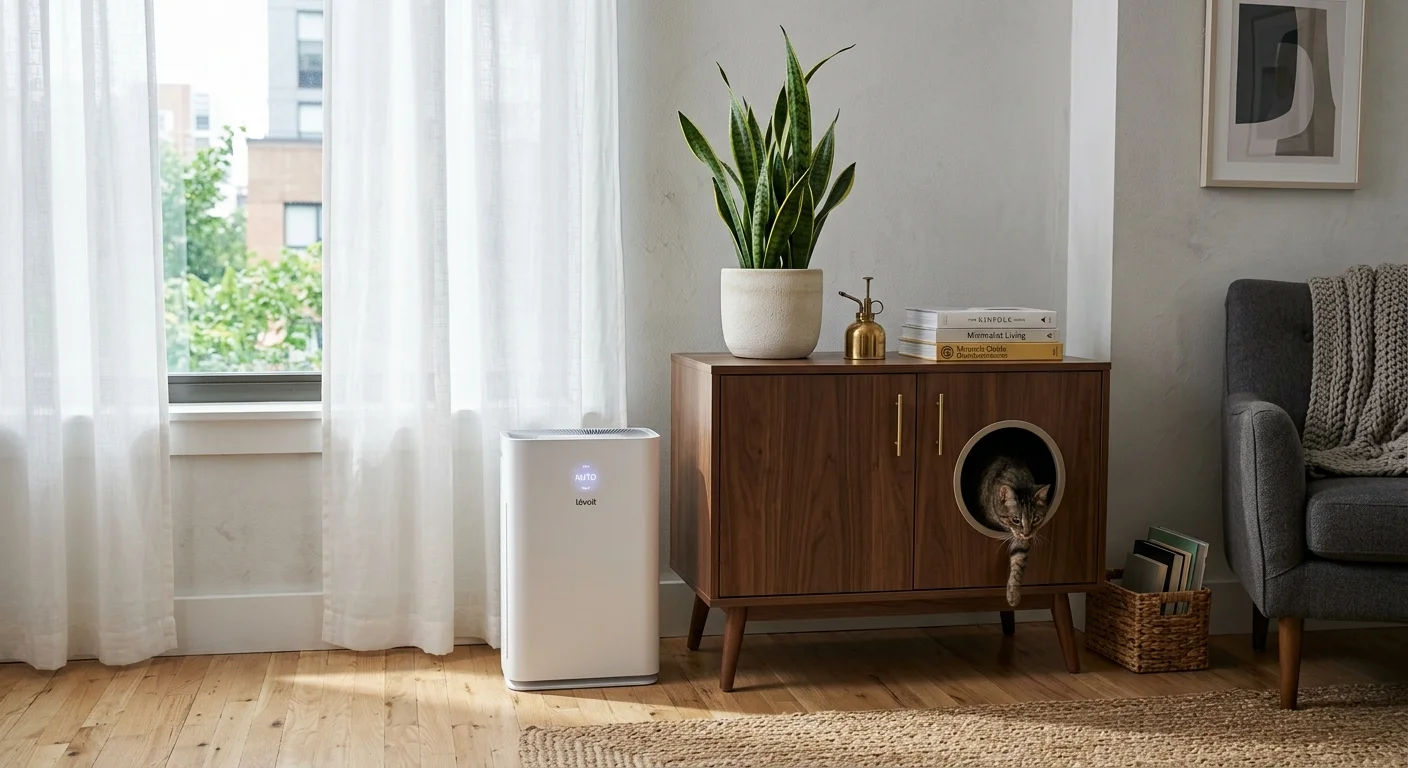
- Deploy HEPA Filtration: Run a HEPA air purifier equipped with an activated carbon filter near pet habitats to continuously eliminate airborne dust, dander, and odors.
Veterinary Care and Daily Enrichment for Small Companions
Small pets possess unique physiological needs that require specialized veterinary attention. Conventional dog and cat veterinarians may lack extensive training in avian or exotic mammal medicine. Before adopting a reptile, bird, or small rodent, locate a qualified exotic animal veterinarian in your area through professional directories like the American Veterinary Medical Association.
Preventative wellness exams help spot subtle illness signs early. Because small prey animals naturally hide pain and sickness, perform weekly home wellness checks. Monitor body weight, inspect dental alignment, check eye clarity, and examine skin condition. Prompt veterinary intervention prevents minor health issues from escalating into dangerous medical emergencies.
“Providing mental stimulation through foraging toys and targeted positive reinforcement prevents behavioral issues and significantly reduces stress in small apartment pets.” — Dr. Elena Vance, Exotic Companion Animal Veterinarian
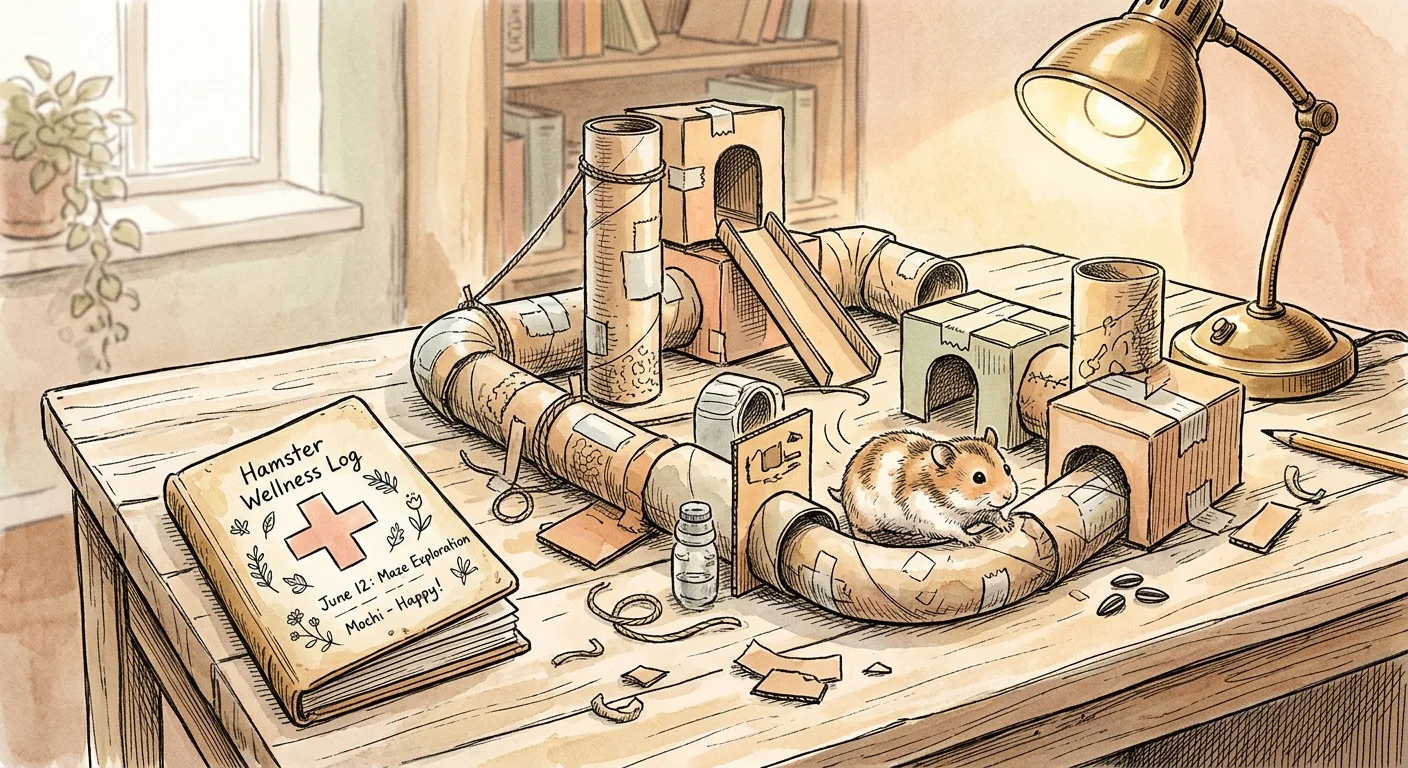
Daily environmental enrichment prevents boredom and destructive behaviors in apartment pets. Use positive reinforcement techniques—rewarding desired behaviors with small, health-appropriate treats—to build confidence during handling sessions. Foraging trays filled with Timothy hay, paper tubes, and hidden seeds keep rodents mentally sharp, while climbing branches and puzzle feeders give reptiles and birds physical exercise.
Frequently Asked Questions
What is the absolute lowest-maintenance small pet for a tiny studio apartment?
Freshwater Betta fish and Crested Geckos represent the lowest-maintenance choices. Betta fish require only a small, heated 5-gallon tank and simple daily feeding, while Crested Geckos thrive on powdered fruit diets without daily live feeding or complex heating equipment. Both options generate zero noise and zero odor.
Do pocket pets like hamsters or guinea pigs attract pests or create bad odors?
Pocket pets do not inherently attract pests or create foul odors. Odor issues arise solely from uncleaned cages, damp bedding, or uneaten fresh food left to rot. Performing spot cleanings every two days and complete bedding changes weekly eliminates odor entirely and keeps pests away.
Can I keep a small pet in an apartment if my lease has a strict ‘no dogs or cats’ rule?
Many landlords who ban dogs and cats happily allow cage-bound small mammals, fish tanks, or reptiles. Always ask your landlord directly and request a simple addendum to your lease agreement before purchasing or adopting any animal.
How do I keep my nocturnal small pet quiet during the night so my neighbors do not complain?
Install high-quality, dual-ball-bearing silent spinner exercise wheels in rodent enclosures. Place cages on padded foam pads or rugs to dampen vibration noise, and keep cage setups positioned against interior apartment walls rather than shared walls.
For expert pet care guidance, visit
American Veterinary Medical Association (AVMA), American Kennel Club (AKC), Cat Fanciers’ Association (CFA) and ASPCA.
Disclaimer: This article is for informational purposes only and is not a substitute for professional veterinary advice, diagnosis, or treatment. Always consult with a licensed veterinarian for medical concerns about your pet.




Leave a Reply