
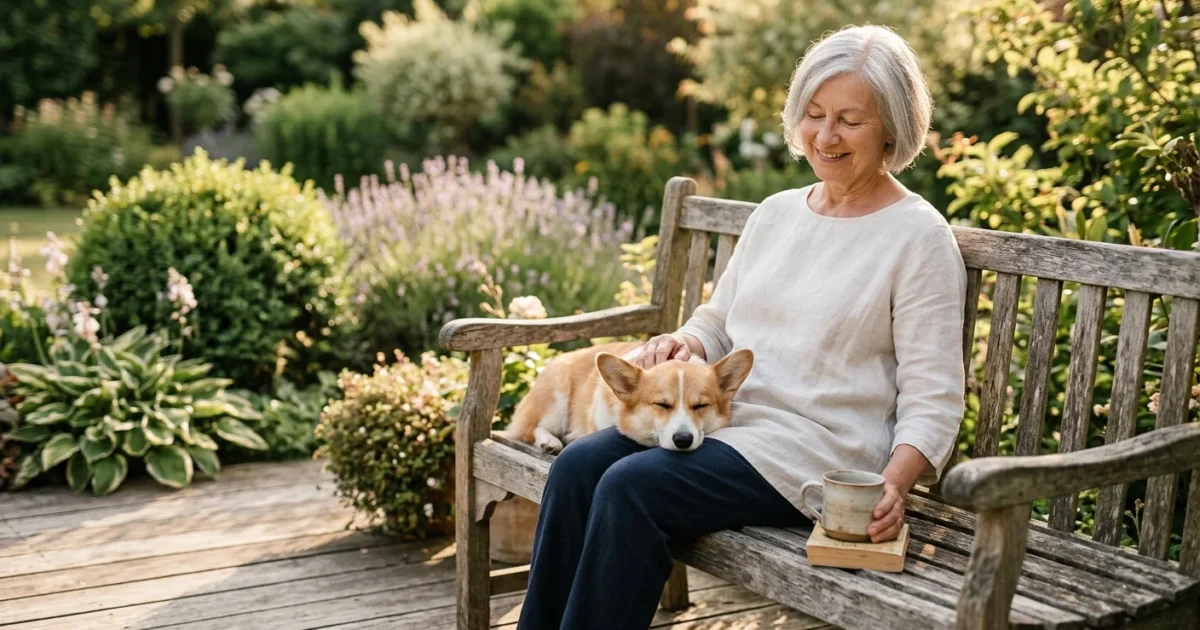
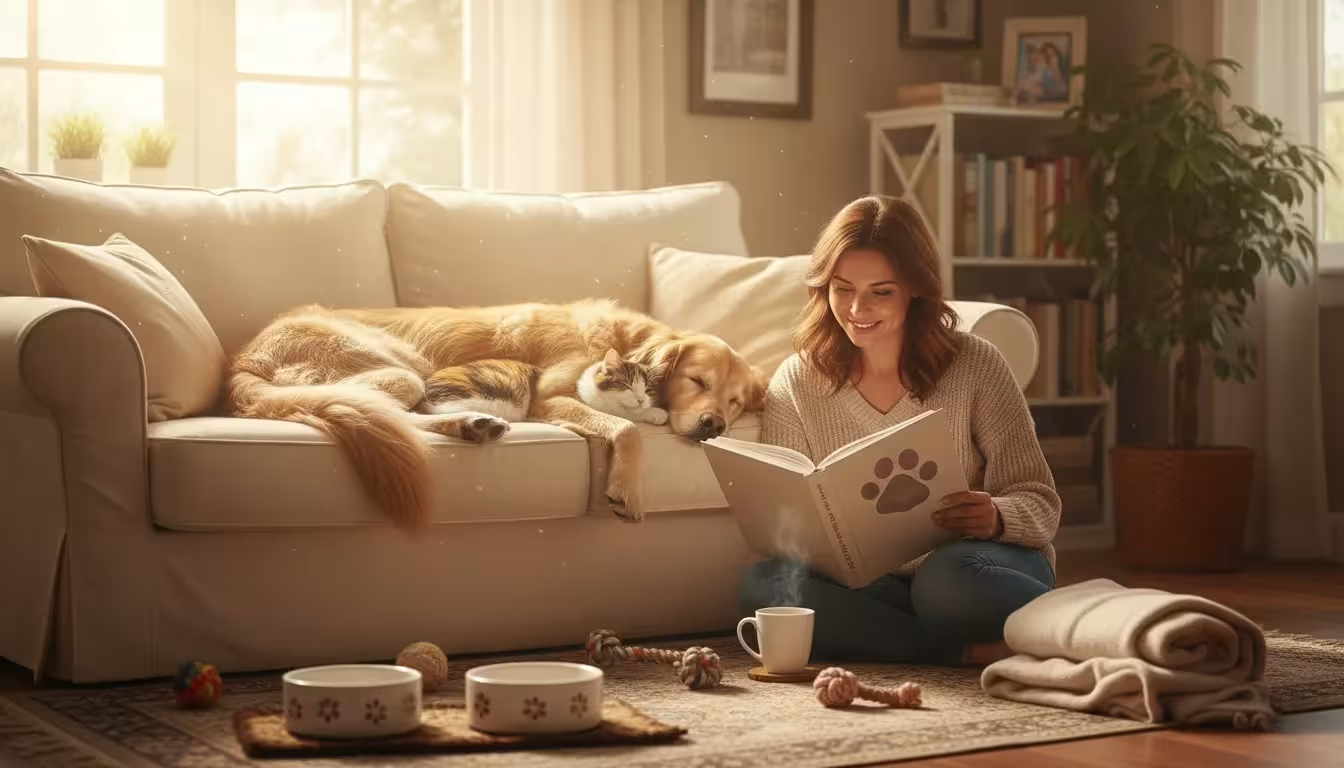
Retirement offers the perfect opportunity to welcome a companion into your home, bringing daily routine, affection, and dynamic physical health benefits. Choosing the right canine match transforms your golden years by aligning a dog’s energy level, coat care, and size with your personal physical capabilities and home environment. Research on senior health demonstrates that older adults living alone who care for pets are 36 percent less likely to report feelings of loneliness than non-pet owners. Whether you prefer relaxing on the patio or taking morning strolls, exploring the best dog breeds for retirees ensures you find a loving, low-stress partner that enriches your daily routine.
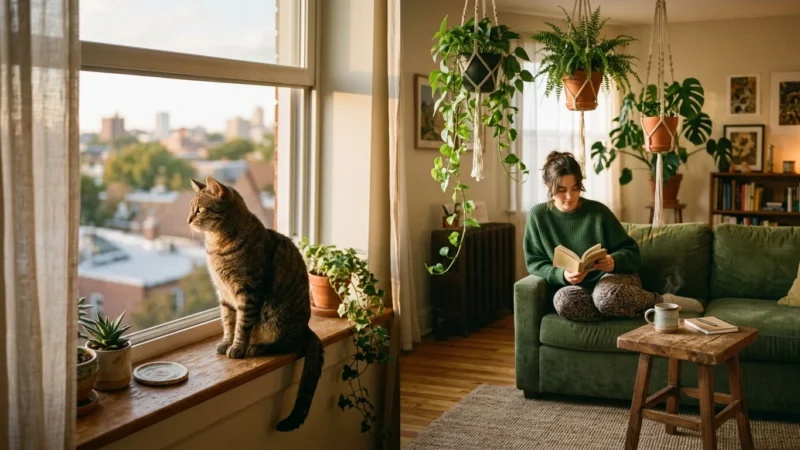
If you are open to feline companionship, several cat breeds suited for quiet senior households offer gentle affection without the need for daily walks.
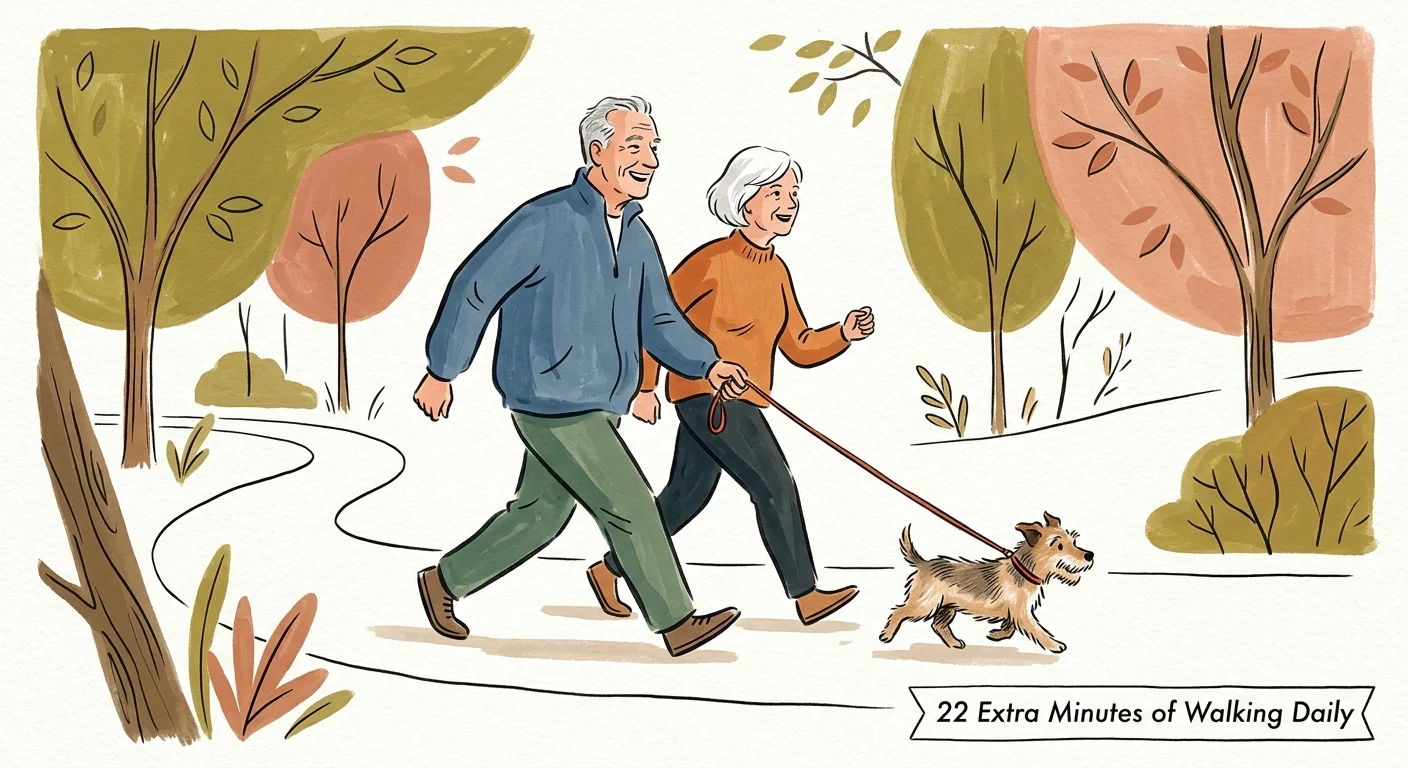
Key Benefits of Canine Companionship in Retirement
Stepping into retirement changes your schedule, daily structure, and social habits. Introducing a dog into your home restores a sense of rhythm; morning feedings and afternoon walks create predictable anchors throughout your day. Beyond structured routines, canine companionship significantly improves physical health. According to national health surveys, older dog owners spend an average of 22 additional minutes walking each day compared to non-pet owners. This gentle, low-impact exercise supports cardiovascular health, keeps joints flexible, and encourages regular outdoor activity.
Many local shelters also offer specialized senior pet adoption programs designed to pair older pets with senior owners at reduced adoption rates.
The emotional benefits prove equally profound. Data from senior health research indicates that roughly 74 percent of older pet owners report direct improvements in their mental well-being after bringing a pet home. Stroking a dog’s coat lowers blood pressure and triggers the release of oxytocin—a hormone associated with stress reduction and emotional bonding. Moreover, walking a dog in your neighborhood naturally opens doors for social interactions with neighbors and fellow pet lovers, helping you build new community ties during retirement.
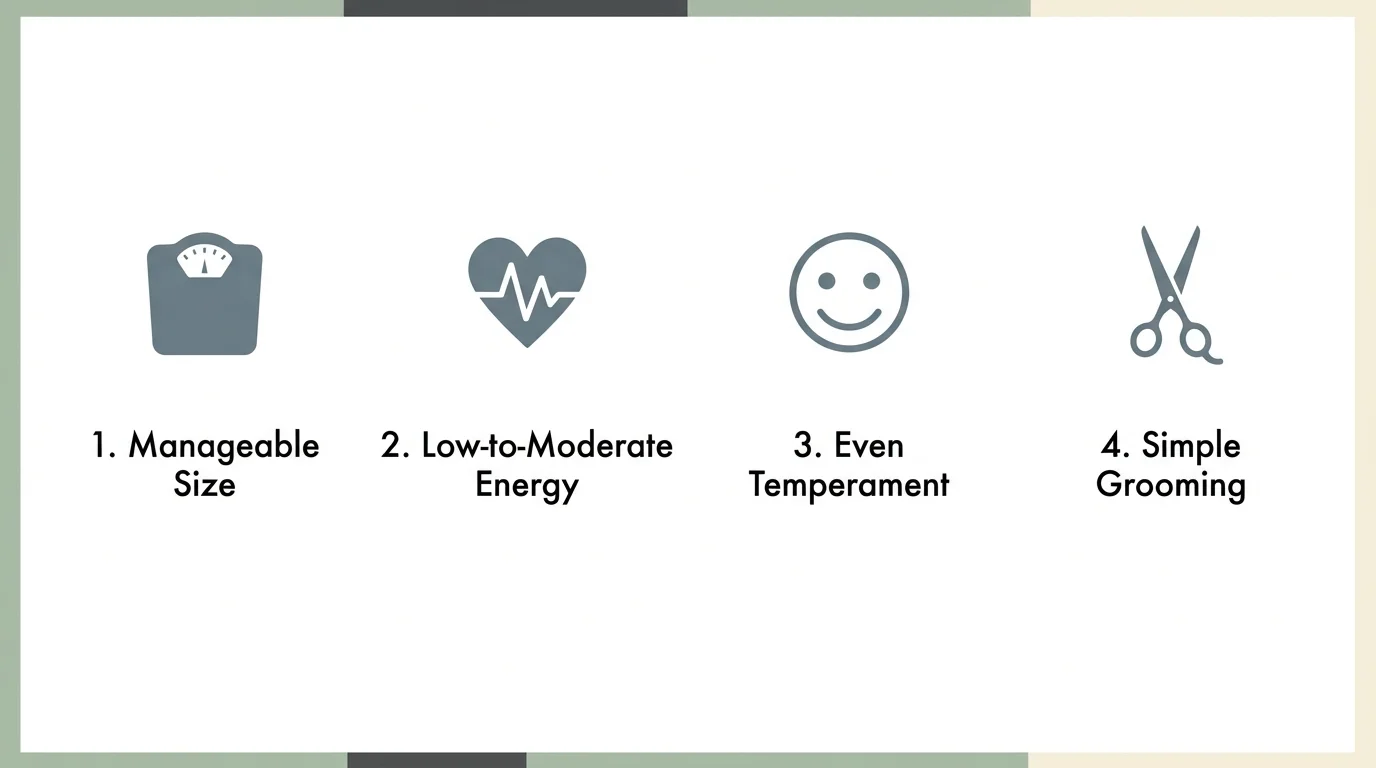
What Makes a Dog Breed Retiree-Friendly?
Selecting the right companion requires an honest assessment of your current physical strength, mobility, and living space. While high-energy working breeds might suit an active marathon runner, most retirees thrive alongside calm companion dogs that value affection over intense physical exercise. You should prioritize traits that make daily care effortless and safe for both you and your pet.
If you want to bypass the demands of puppy training, consider adopting an older dog with an established, predictable temperament.
Size plays an essential role in daily management. Small to medium-sized breeds are easier to lift into vehicles, require smaller food portions, and exert less physical pulling force on a leash. Temperament matters just as much; dogs with an even-tempered disposition adapt quickly to changing schedules, quiet evenings, and visiting grandchildren. When evaluating potential retiree friendly dog breeds, review key characteristics side by side to determine which features match your household goals.
| Breed | Average Weight | Exercise Need | Grooming Need | Key Temperament Trait |
|---|---|---|---|---|
| Cavalier King Charles Spaniel | 13–18 lbs | Moderate (30 mins/day) | Moderate (Weekly brushing) | Gentle, cuddly, highly affectionate |
| French Bulldog | 16–28 lbs | Low (20–30 mins/day) | Low (Wipe wrinkles) | Quiet, easygoing, adaptable |
| Shih Tzu | 9–16 lbs | Low (20 mins/day) | High (Regular clips) | Friendly, peaceful, quiet lap dog |
| Boston Terrier | 12–25 lbs | Moderate (30 mins/day) | Low (Wash-and-wear) | Polite, cheerful, highly trainable |
| Dachshund | 11–32 lbs | Moderate (30 mins/day) | Low to Moderate | Loyal, curious, devoted |
| Pug | 14–18 lbs | Low (20 mins/day) | Moderate (Shedding care) | Charming, playful, affectionate |
| Bichon Frise | 12–18 lbs | Moderate (30 mins/day) | High (Professional grooming) | Hypoallergenic, cheerful, gentle |
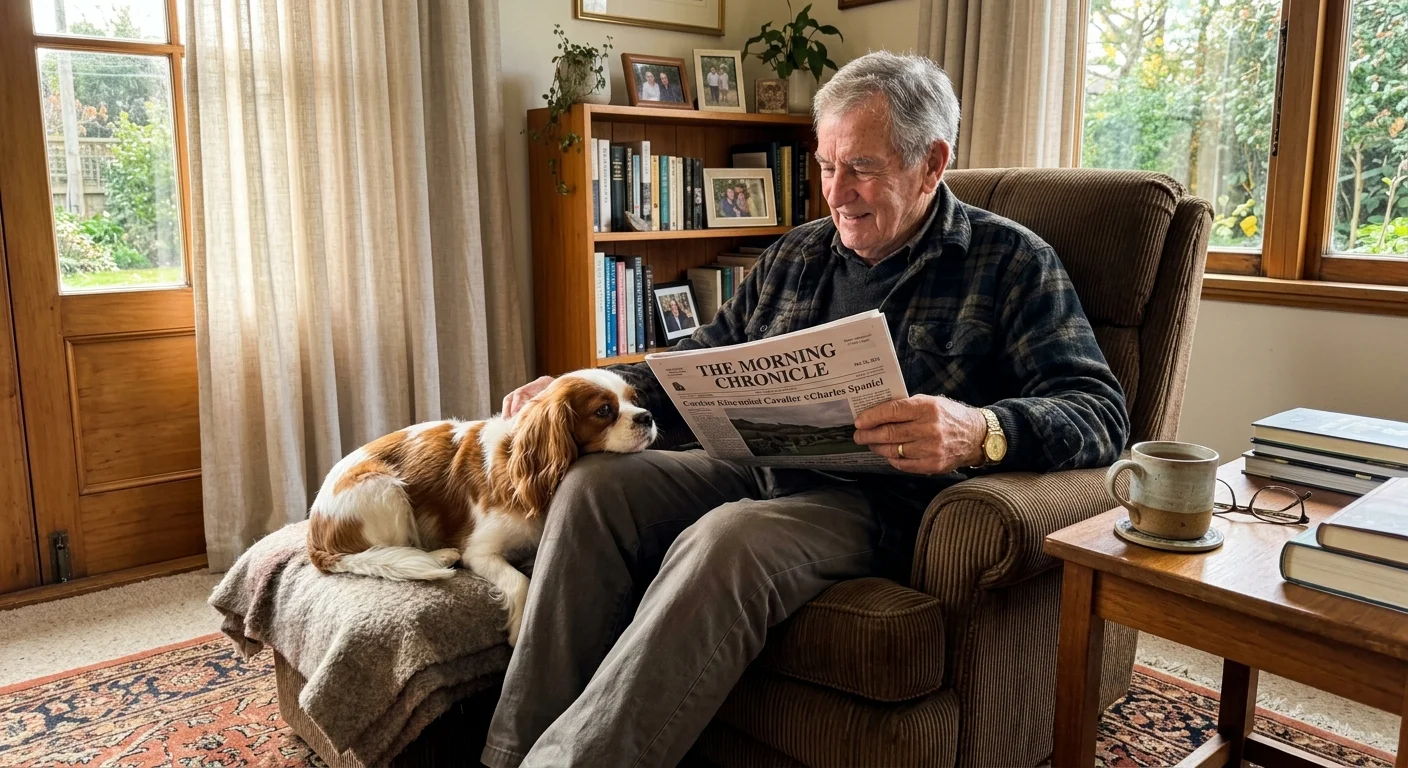
7 Outstanding Dog Breeds for Retirees
According to registration trends from the American Kennel Club (AKC), small-to-medium companion dogs consistently rank high among owners who prioritize trainability, affection, and manageable energy levels. Below are seven exceptional breeds that offer extraordinary companionship for your retirement years.
1. Cavalier King Charles Spaniel
Holding the #12 spot in national breed popularity, the Cavalier King Charles Spaniel is widely regarded as one of the ultimate senior companion dog breeds. Bred historically as lap dogs for royalty, these dogs crave human connection above all else. They adapt seamlessly to your physical activity level; they will happily join you for a gentle neighborhood walk or snuggle beside you while you read a book. Their sweet demeanor makes them wonderful companions for living in apartments or single-family homes.
Staying attentive to senior pet health needs allows you to address potential medical conditions before they become serious.
Cavaliers require moderate coat care; brushing their silky ears and feathery coat twice a week prevents mats from forming. Because they love pleasing their owners, positive reinforcement training works exceptionally well with this breed. Keep in mind that Cavaliers are susceptible to heart issues, so regular checkups with your veterinarian remain an essential part of their wellness plan.
2. French Bulldog
The French Bulldog currently holds the #1 overall spot in AKC popularity, and for good reason. Their sturdy, compact build combined with a naturally quiet demeanor makes them ideal low maintenance dogs seniors can manage comfortably. Frenchies rarely bark, which serves apartment dwellers well, and they prefer short, leisurely walks over strenuous exercise.
Their smooth coat needs minimal grooming—a quick weekly brushing and periodic cleaning of their facial folds keep them fresh. Because they have brachycephalic (short-nosed) faces, French Bulldogs overheat easily. You will need to keep them in air-conditioned comfort during hot summer days and stick to cool morning walks.
3. Shih Tzu
Ranking #21 in popularity, the Shih Tzu was explicitly bred to offer gentle companionship inside royal palaces. Weighing between 9 and 16 pounds, this sturdy little dog lives to cuddle on your lap. They possess a friendly, trusting nature that accepts visitors, grandchildren, and other household pets with ease.
Shih Tzus require low physical exercise; short strolls around the block satisfy their physical needs. While their luxurious coat requires regular grooming, many owners keep their Shih Tzu in a practical “puppy cut”—a short, simple trim that reduces daily maintenance to a quick, easy brush.
4. Boston Terrier
Affectionately nicknamed “The American Gentleman” for their tuxedo-like coat markings, the Boston Terrier holds the #23 rank among popular breeds. These dogs offer a delightful balance of polite manners, intelligence, and playful enthusiasm. They stay relatively small (usually under 25 pounds) and love accompanying their owners on daily errands.
Their short coat requires virtually no elaborate grooming beyond a quick wipe-down and regular nail trims. Boston Terriers excel in basic obedience training because they respond eagerly to praise and treat rewards, making them a stress-free choice for first-time or returning dog owners.
5. Dachshund
Entering the top 5 most popular breeds overall, the Dachshund is a loyal, spirited companion with a big personality in a compact frame. Available in miniature (under 11 pounds) and standard sizes, Dachshunds fit easily into smaller retirement homes and condos. They form deep, devoted bonds with their primary caregivers and make excellent watchdogs that will alert you to arriving visitors.
Dachshunds need light-to-moderate exercise to maintain strong back muscles and keep their weight in check. Because their long spines are prone to intervertebral disc issues, you should provide low ramps near furniture so they can avoid jumping up and down.
6. Pug
Ranking #38 overall, Pugs are famous for their humorous, affectionate, and peaceful disposition. Pugs do not require extensive exercise; a few 10-minute walks per day paired with structured indoor play keep them happy and healthy. They thrive on physical closeness and will happily follow you from room to room throughout the day.
Pugs do shed more than their short coat suggests, so weekly brushing with a rubber curry brush helps manage loose hair. Like Frenchies, Pugs require air-conditioned environments during hot weather to keep their breathing clear and comfortable.
7. Bichon Frise
If you suffer from mild pet allergies, the Bichon Frise provides a wonderful, low-dander solution. These cheerful, plush-coated white dogs are renowned for their happy-go-lucky temperaments and affectionate hearts. They weigh between 12 and 18 pounds, making them sturdy enough for active outdoor walks yet light enough to handle easily.
While their non-shedding coat requires professional grooming every four to six weeks, their cheerful disposition and desire to stay close to your side make every grooming effort worthwhile. They excel in basic agility or trick training using rewards, keeping both their mind and yours sharp.
“Selecting a dog whose natural energy level matches your daily physical routine creates a stress-free environment where both owner and pet thrive together.” — Dr. Sarah Mitchell, DVM
Financial Planning and Budgeting for Your Pet
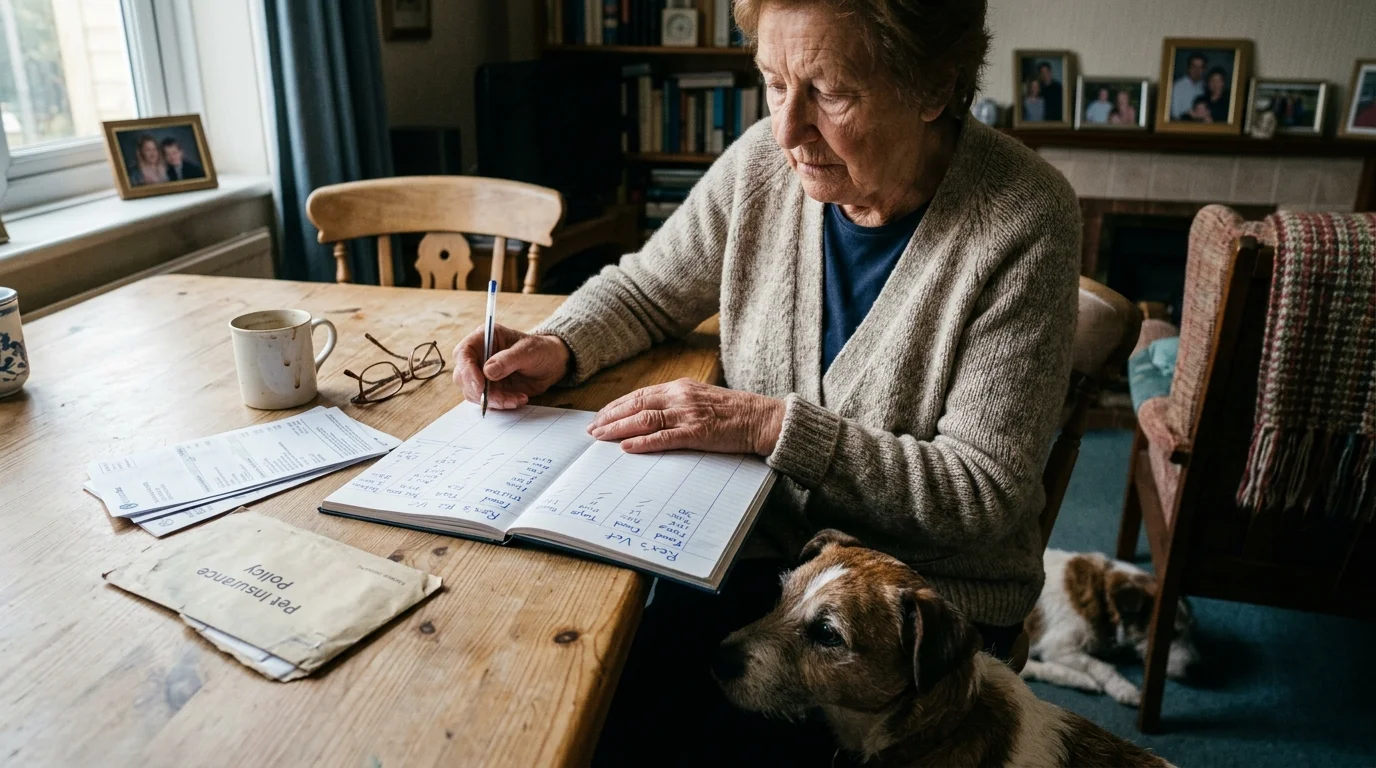
Preparing your finances ensures that pet ownership remains a source of joy rather than financial stress during retirement. Financial data compiled by Rover indicates that annual routine dog ownership expenses range between $1,390 and $5,295 depending on size, age, and health demands. Over a typical 10- to 13-year lifespan, total costs for small breeds average around $19,840, while larger breeds can reach $58,875.
Accounting for medical care costs is critical when managing a fixed income. U.S. Bureau of Labor Statistics data shows veterinary services costs rose 5.3 percent year-over-year, reflecting broader economic inflation across the $157 billion domestic pet industry. Investing in pet health insurance early in your dog’s life—or establishing a dedicated pet emergency savings account—protects you against unexpected veterinary bills arising from sudden illnesses or injuries.
- Routine Preventative Care: Budget for annual wellness exams, heartworm preventatives, flea and tick medications, and core vaccines.
- Grooming Expenses: Breeds like the Bichon Frise or Shih Tzu require professional grooming every 4–6 weeks, costing between $50 and $90 per session.
- Daily Supplies: Quality food, treats, toys, orthopedic beds, and walking gear require an ongoing monthly allotment of $60 to $120.
- Emergency Reserve: Set aside $1,000 to $2,500 in a accessible savings account for unexpected urgent care visits.
Essential Care and Lifestyle Adaptations for Senior Owners
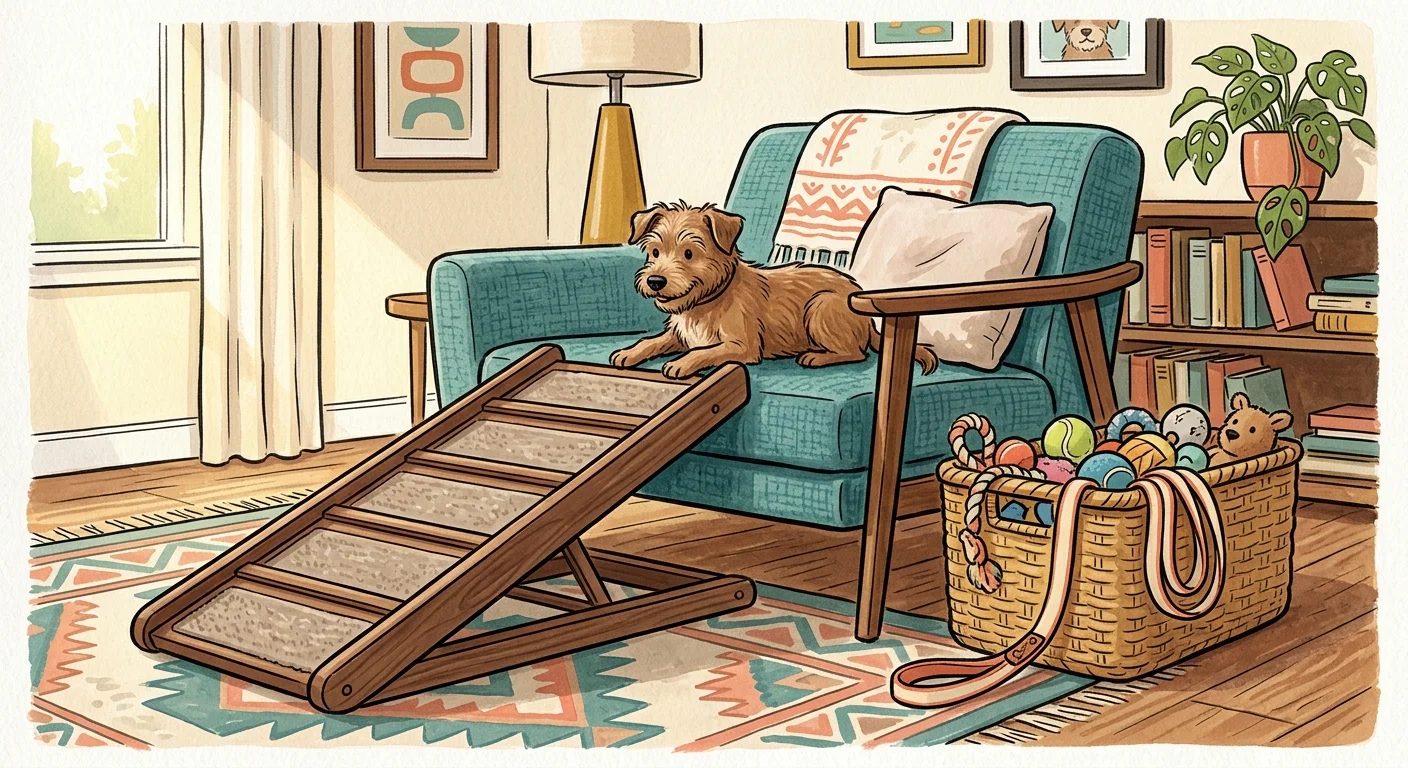
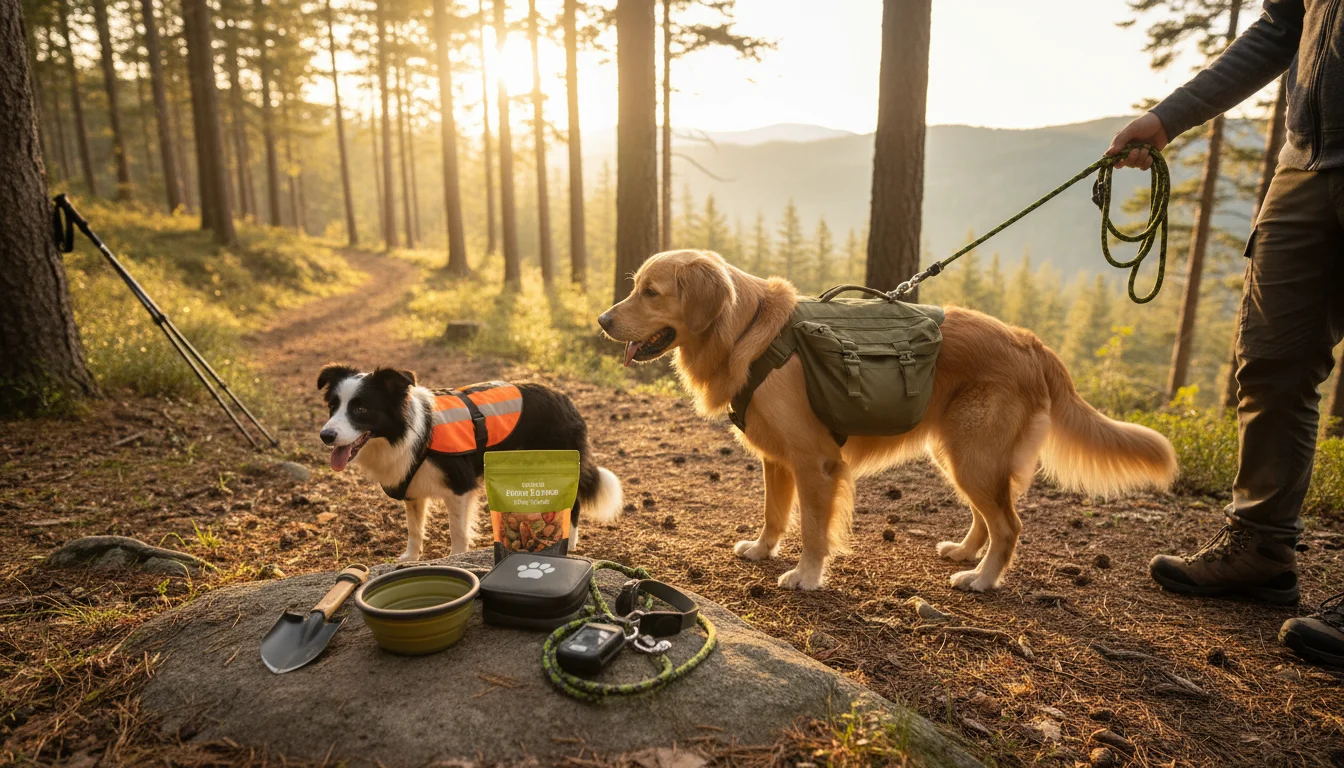
Adapting your home environment and dog care tools creates a safe, comfortable setting for both you and your dog. Simple tools can prevent physical strain on your joints while making daily management effortless. For example, using a front-clip, step-in harness eliminates strain on your wrist and shoulder if your dog pulls toward a passing squirrel.
Focus on positive reinforcement techniques during everyday interactions. According to the Association of Professional Dog Trainers (APDT), reward-based training builds a lasting bond while accommodating your physical mobility. Rewarding desired behaviors with small, low-calorie treats and enthusiastic verbal praise teaches good manners far more effectively than physical corrections.
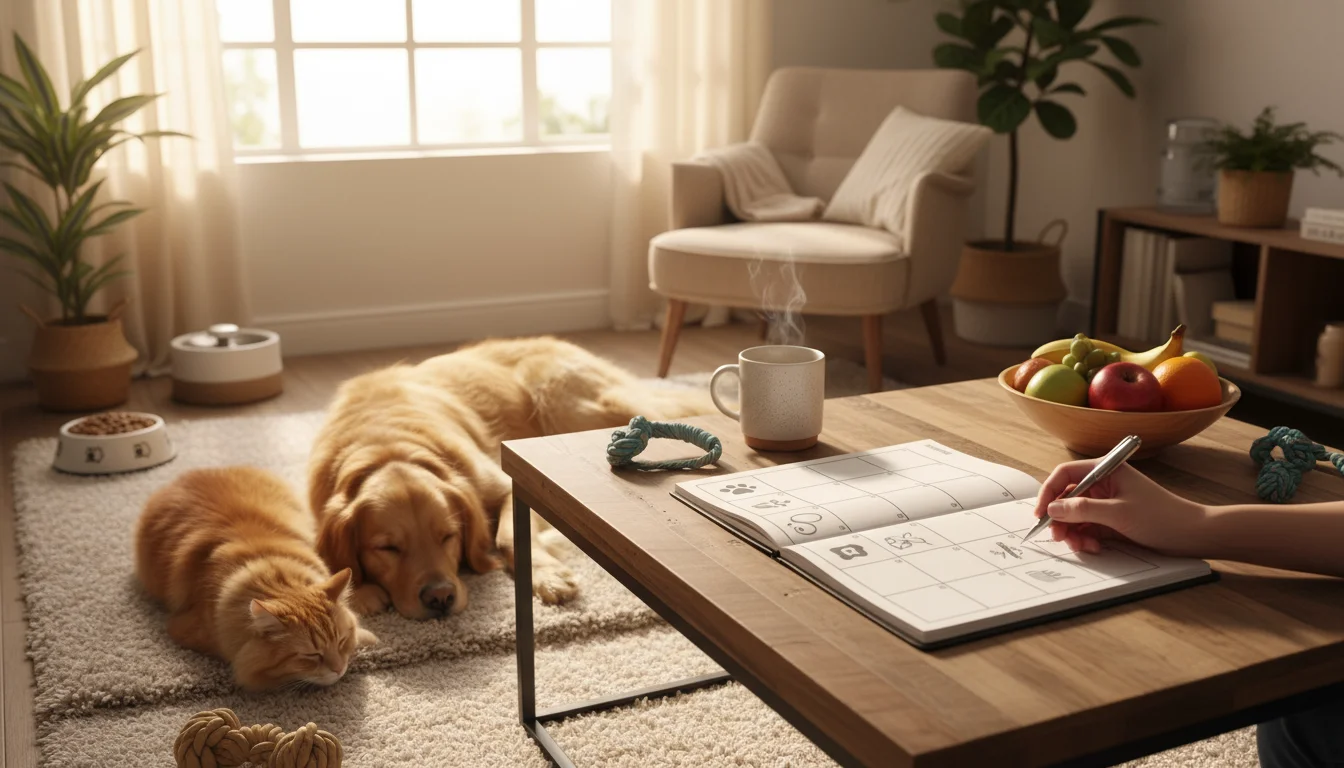
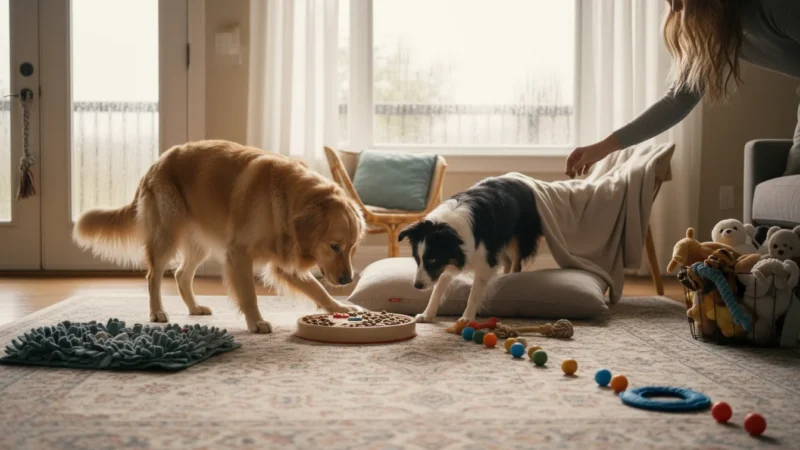
You can also introduce indoor enrichment toys to keep your dog mentally stimulated without exhausting yourself physically. Snuffle mats, lick mats smeared with plain canned pumpkin, and food-dispensing puzzle toys engage your dog’s brain, burning off extra energy while you rest comfortably nearby.
Adopting a Senior Dog vs. Welcoming a Puppy
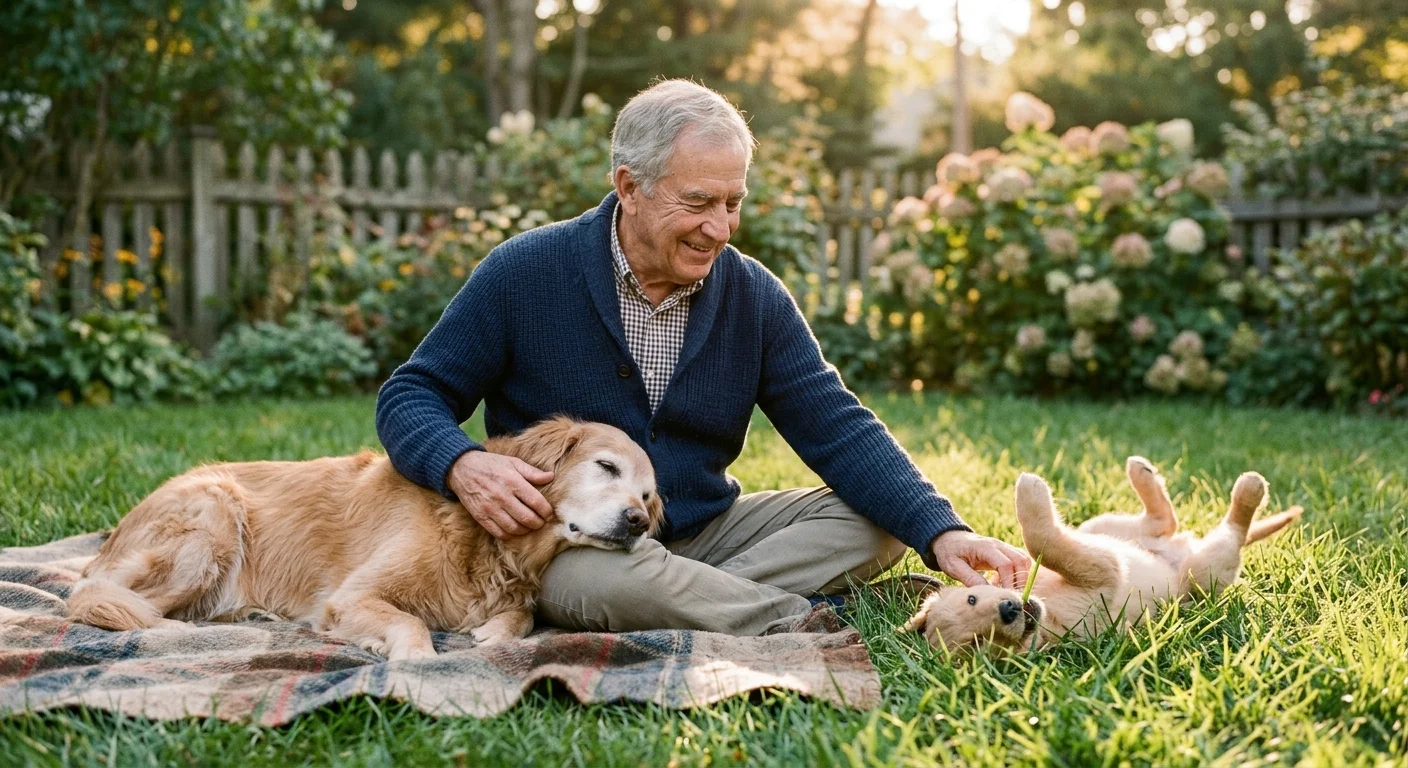
When searching for best dog breeds for retirees, consider the age of the dog alongside its breed characteristics. While puppies are adorable, raising a young puppy requires intensive physical stamina, constant housebreaking trips outside every two hours, and months of sleep disruptions. For many retirees, adopting an adult or senior dog provides a smoother transition.
- Housebreaking: Adult and senior dogs typically arrive already potty-trained, saving you weeks of intense clean-up and stress.
- Established Temperament: Rescue organizations and foster networks can describe an adult dog’s exact personality, vocal habits, and energy level upfront.
- Lower Physical Demands: Senior dogs enjoy slower, relaxed strolls and spend a larger portion of the day sleeping quietly beside you.
- Immediate Bonding: Mature dogs quickly settle into household routines, displaying deep gratitude and loyalty to their new caregivers.
Frequently Asked Questions
Which dog breed requires the least amount of exercise?
Breeds like the French Bulldog, Pug, and Shih Tzu require minimal physical exercise. Daily strolls lasting 15 to 20 minutes, combined with short indoor play sessions, fully satisfy their daily physical requirements.
Are small dogs always better for senior citizens than larger breeds?
Small dogs are generally easier to physically manage, lift, and restrain on a leash, making them safer for retirees concerned about balance or joint strain. However, older, calm medium-sized dogs with gentle leash manners can also serve as wonderful companions if you prefer a larger partner.
How can I prepare my pet for unexpected changes in my health or mobility?
Establish a backup caregiver plan early by identifying a family member, trusted neighbor, or professional pet-sitting service that can step in during medical emergencies. Maintaining updated veterinary records and written care instructions ensures your dog receives uninterrupted care during unexpected events.
What are the best low maintenance dogs seniors can manage independently?
The Boston Terrier, French Bulldog, and smooth-coated Dachshund offer exceptional independence and low physical maintenance. Their short coats require minimal grooming, their training needs are straightforward, and their moderate energy levels fit standard daily walking routines easily.
Choosing Your Perfect Canine Partner
Finding the right dog transforms your retirement into a vibrant, comforting, and deeply fulfilling chapter of life. By choosing a breed whose physical size, coat care demands, and natural temperaments align with your daily routine, you set the stage for years of effortless companionship. Take time to meet different breeds, speak with local rescue groups, or consider fostering an adult dog first. Embracing positive reinforcement methods and preparing your home will ensure a smooth, joyous transition for both you and your new best friend.
For expert pet care guidance, visit
FDA Center for Veterinary Medicine,
PetMD,
Vetstreet and
Fear Free Pets.
Disclaimer: This article is for informational purposes only and is not a substitute for professional veterinary advice, diagnosis, or treatment. Always consult with a licensed veterinarian for medical concerns about your pet.

Leave a Reply