
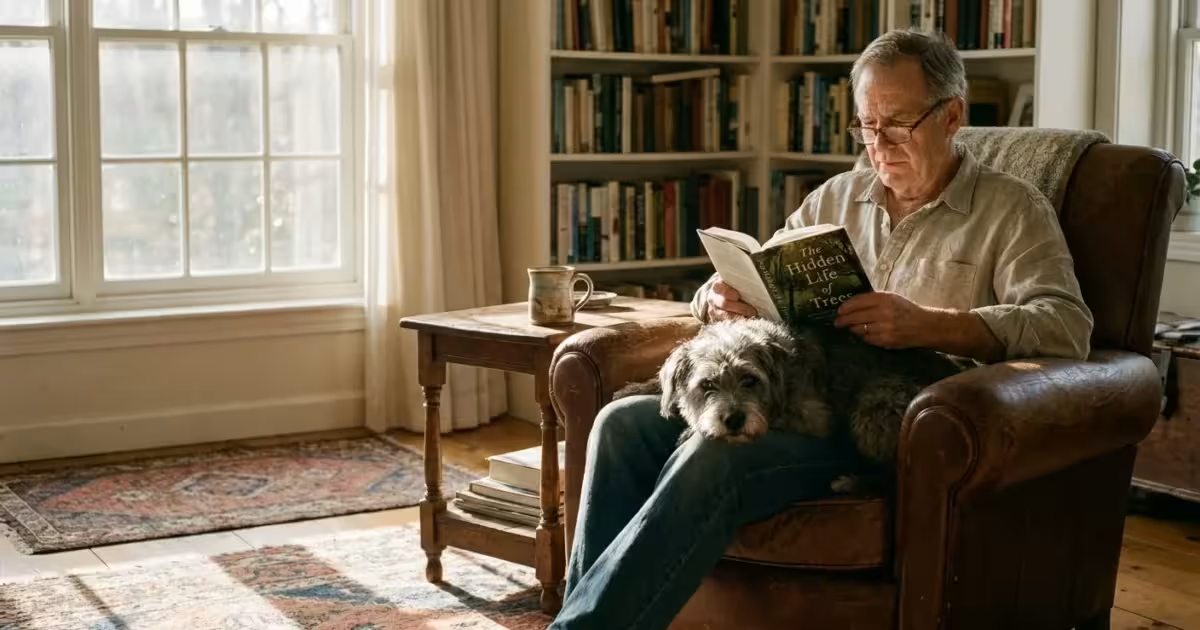
Retirement offers the perfect opportunity to welcome a canine companion, and older dogs are rapidly becoming the preferred choice for adults seeking immediate, manageable affection. Bypassing the chaotic puppy years lets you instantly enjoy the calming presence of a pet whose personality and energy level are completely established. Senior dogs bring predictable behavior and profound gratitude into your home without requiring sleepless nights of potty training or constant supervision. Whether you want a relaxed companion for gentle afternoon walks or a devoted friend to share your favorite reading chair, adopting a mature dog perfectly complements a slower-paced lifestyle. Bringing home an older dog enriches their golden years while significantly enhancing your own daily routine.
For those who live by themselves, researching dog breeds that are perfect for retirees living alone can help you find a companion well-suited to a single-person home.
Predictable Personalities and Sizes
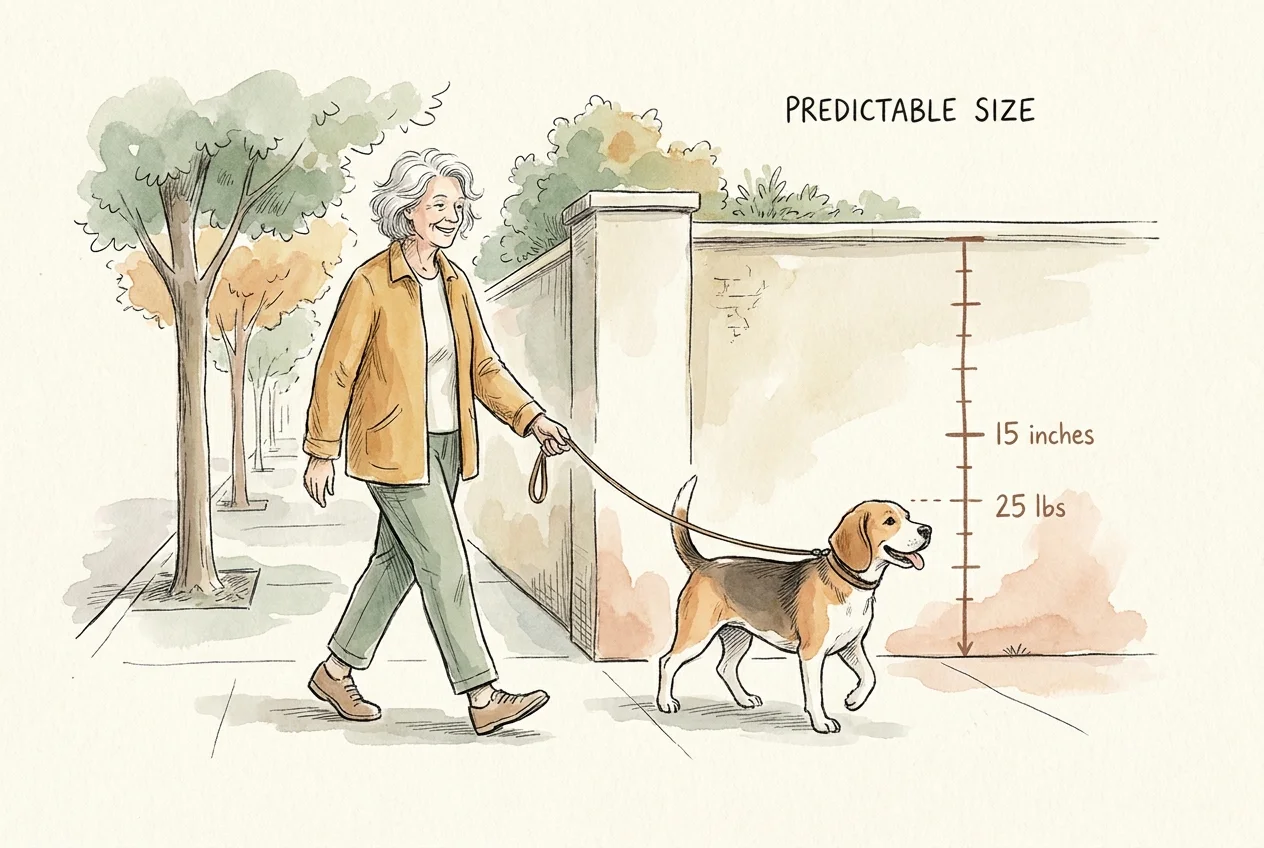
Bringing a mixed-breed puppy into your home often involves a game of genetic roulette. A pup with surprisingly large paws might grow into a sixty-pound powerhouse, requiring physical strength to manage on a leash. Conversely, older dogs remove the guesswork entirely. When you meet a senior dog at a rescue or shelter, what you see is exactly what you get.
To keep home maintenance as simple as possible, you can also look into dogs that barely shed and are great for seniors to minimize cleaning chores.
For those concerned about behavior, researching dog breeds known for calm personalities can help you identify a pup with a gentle disposition.
Their size, coat type, and fundamental temperament are fully developed. This predictability is highly advantageous for older adults who may reside in retirement communities with strict pet weight limitations or breed restrictions. You can confidently select a dog whose physical proportions align with your own physical capabilities. If you need a small companion who can be easily lifted into a vehicle or a sturdy mid-sized dog that will not inadvertently pull you over during a neighborhood stroll, an adult dog provides absolute certainty. Furthermore, their grooming requirements are already evident, allowing you to accurately budget for routine maintenance without any surprises down the road.
Skipping the Puppy Teething and Potty Training Phase
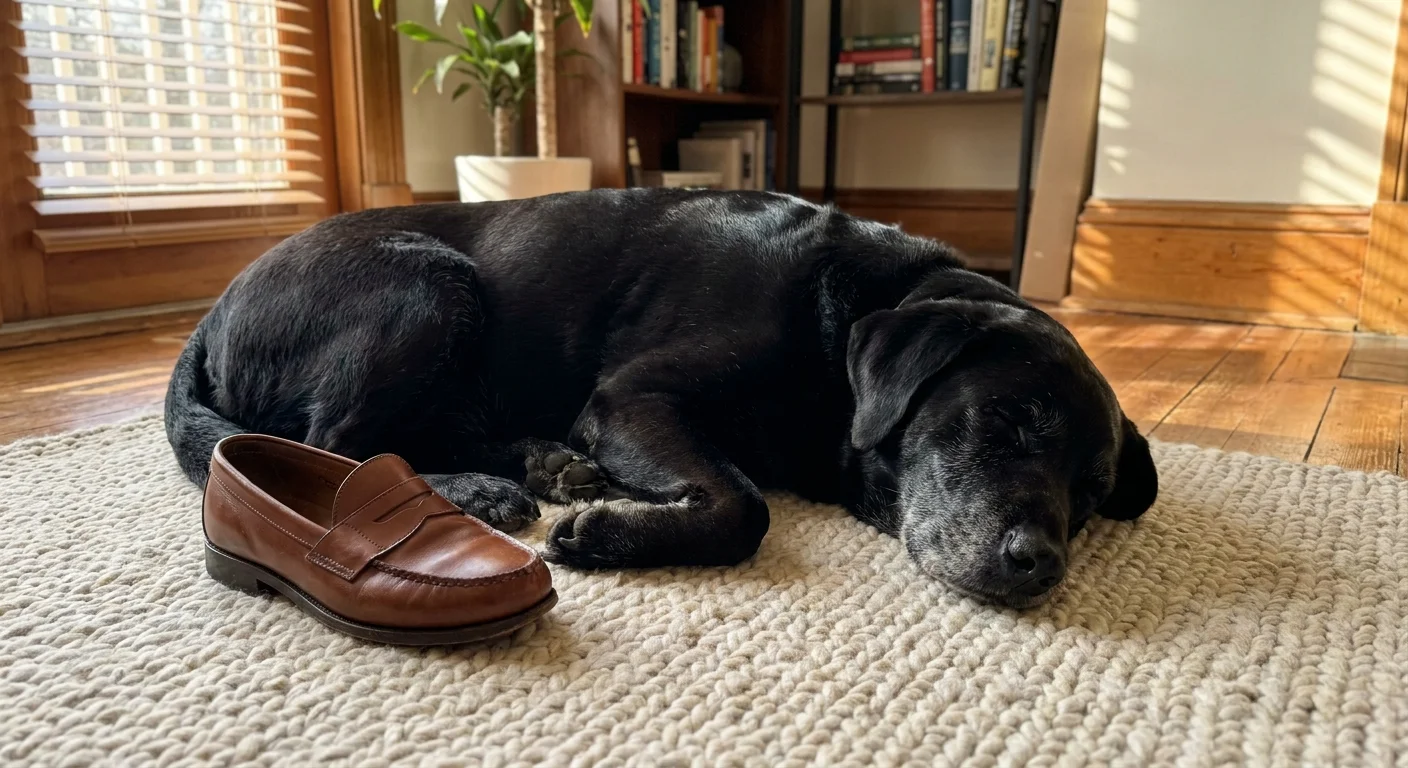
Puppies are undeniably endearing, but raising one demands an immense amount of physical energy and unwavering patience. Biological realities dictate that young puppies must relieve themselves every two to three hours, which guarantees interrupted sleep and middle-of-the-night trips outside in all weather conditions. Furthermore, the teething phase transforms puppies into miniature destruction machines, posing a risk to your baseboards, shoes, and cherished furniture.
Additionally, keeping an eye on senior pet health will ensure your mature companion remains comfortable and happy.
According to experts at the ASPCA, senior dogs are often already house-trained and have completely outgrown the destructive chewing behaviors that frustrate new puppy owners. Most mature dogs possess the physical bladder control necessary to sleep peacefully through the night, allowing you to maintain your own rest schedule undisturbed. The relief of waking up to a clean house—and intact slippers—makes the transition to pet ownership profoundly smoother and more enjoyable. You avoid the constant vigilance required to redirect nipping behavior, allowing you to focus purely on companionship rather than basic discipline.
Matching Lower Energy Levels Perfectly
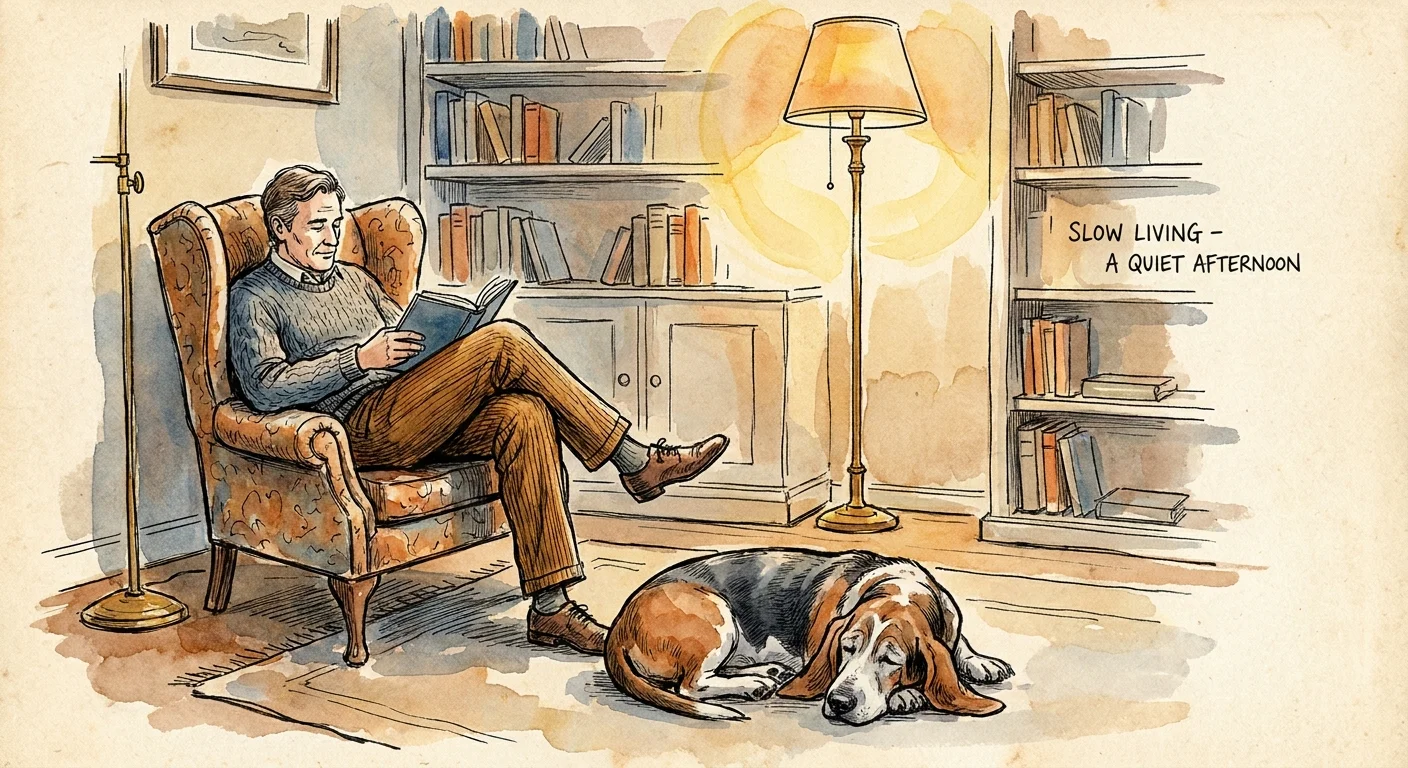
While having ample free time is a hallmark of retirement, spending three hours a day exhaustively exercising a high-drive adolescent dog is rarely the goal. Younger dogs require vigorous physical outlets; without them, they often develop behavioral issues born of sheer boredom. Older dogs, however, naturally possess a more sedate rhythm of life.
If you want to keep ownership as simple as possible, look for dogs that are surprisingly easy for seniors to care for to minimize daily stress.
A senior dog generally considers a leisurely twenty-minute walk around the block and a meticulous sniffing session in the garden to be a perfectly fulfilling day. They are exceptionally proficient nappers who excel at keeping your feet warm while you read, watch television, or pursue hobbies. This innate calmness makes them highly compatible with a relaxed household environment.
“An older dog’s exercise requirements align beautifully with a relaxed retirement lifestyle, offering devoted companionship without the intense physical demands of a high-energy adolescent pup.”
Instead of requiring constant entertainment, an older pet simply desires proximity to their favorite person. This synchronicity in energy levels minimizes stress for both you and the dog, fostering a peaceful co-existence from the very first week.

Shorter Long-Term Time Commitments
Planning for the future is a pragmatic necessity. Adopting an eight-week-old puppy represents a commitment that can easily span fifteen years or more. For individuals in their seventies or eighties, projecting their living situation, physical health, and financial stability a decade and a half into the future can feel daunting. Many capable, loving prospective owners hold back from adopting because they fear outliving a young pet or eventually becoming unable to provide adequate care.
Familiarizing yourself with the changes senior pets often go through makes it much easier to adapt your home and lifestyle as they age.
To make their twilight years as comfortable as possible, learning how to adapt your senior dog care routine is highly beneficial.
The Humane Society of the United States emphasizes that older pets offer a beautifully realistic timeline for adopters who want the joy of dog ownership without a decade-long obligation. Welcoming an eight-year-old or ten-year-old dog provides a highly manageable commitment of three to seven years. This shorter timeframe empowers older adults to confidently embrace pet ownership, knowing they can provide a secure, loving environment for the entirety of the dog’s remaining golden years. It represents a compassionate, sensible approach to companionship that respects both human realities and animal welfare.
Deep Gratitude and Immediate Bonding
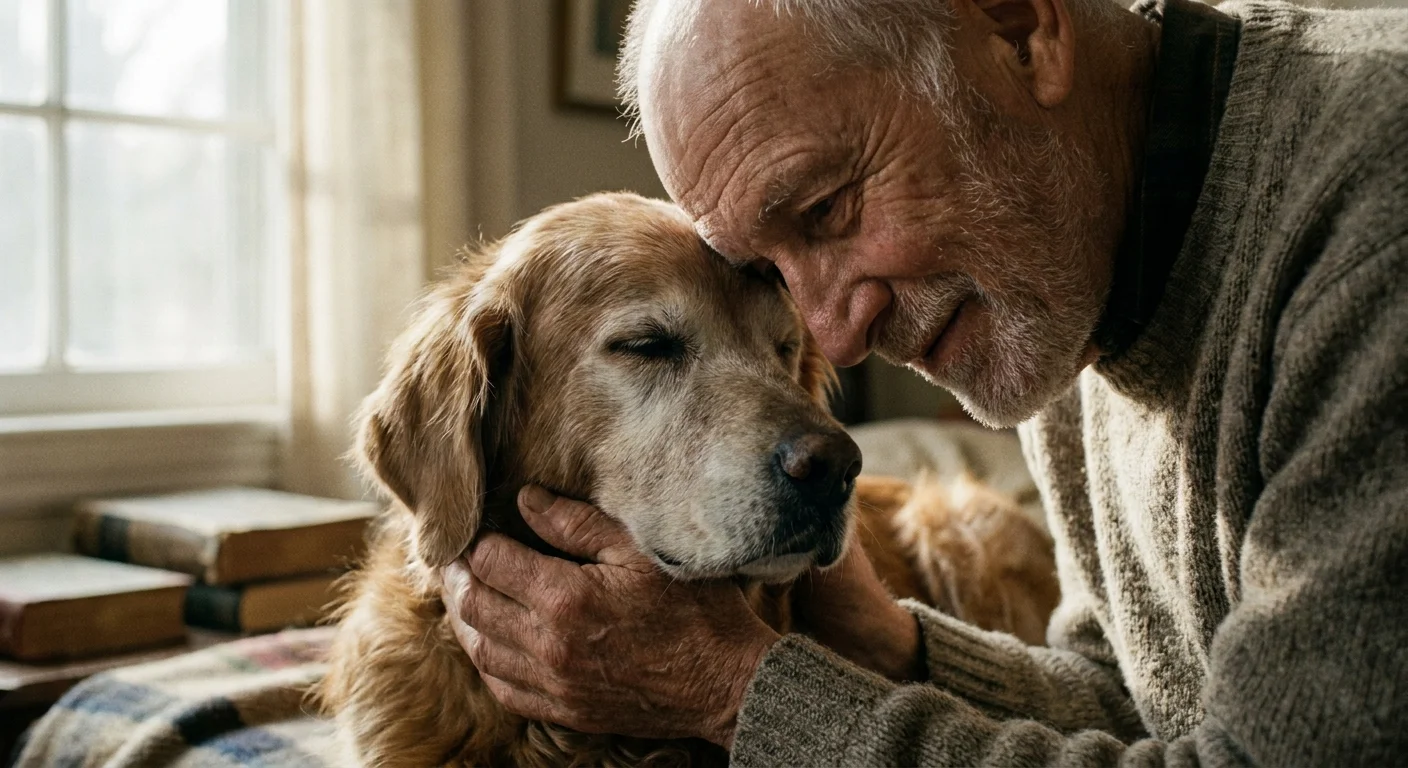
Many senior dogs end up in shelters through no fault of their own. They arrive because previous owners passed away, moved into assisted living, or faced severe financial hardship. Accustomed to the comforts of a home, older dogs often find the noisy, concrete environment of a shelter deeply disorienting and stressful. When someone steps forward to offer them a soft bed and a quiet home, the transformation is frequently instantaneous.
Providing proper nutrition is also crucial, so learning how to choose the right dog food for their specific age will support their ongoing vitality.
Rescue workers and seasoned adopters frequently describe the “rescue bond”—a palpable sense of relief and profound gratitude exhibited by senior dogs once they realize they are safe. Because they have life experience, older dogs quickly recognize the value of a loving environment. They tend to settle into new routines remarkably fast, often attaching themselves closely to their new caretakers within a matter of days. This deep, immediate emotional connection is exceptionally rewarding. You are not just acquiring a pet; you are actively saving a life and granting a dignified, joyful retirement to a deserving animal.
Established Social Manners and Commands
Teaching a young dog basic manners from scratch is a labor-intensive process requiring consistency, timing, and often, professional obedience classes. Older dogs typically arrive with an impressive repertoire of fundamental life skills. Having lived in homes before, they generally understand the rhythm of human life. They know that the kitchen is where food happens, the bedroom is for sleeping, and jumping on guests is impolite.
Once they know the basics, introducing a few fun tricks to teach your dog can provide great mental stimulation and strengthen your bond.
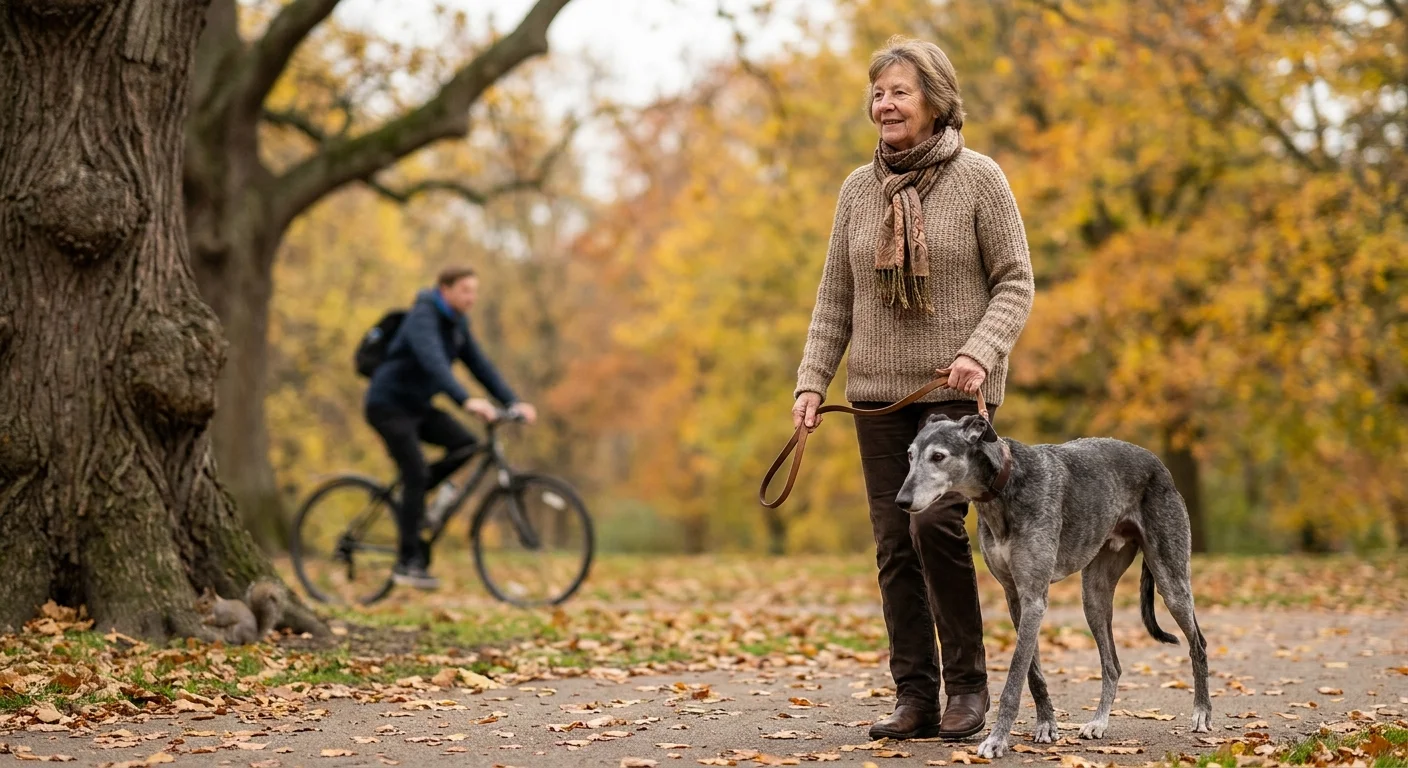
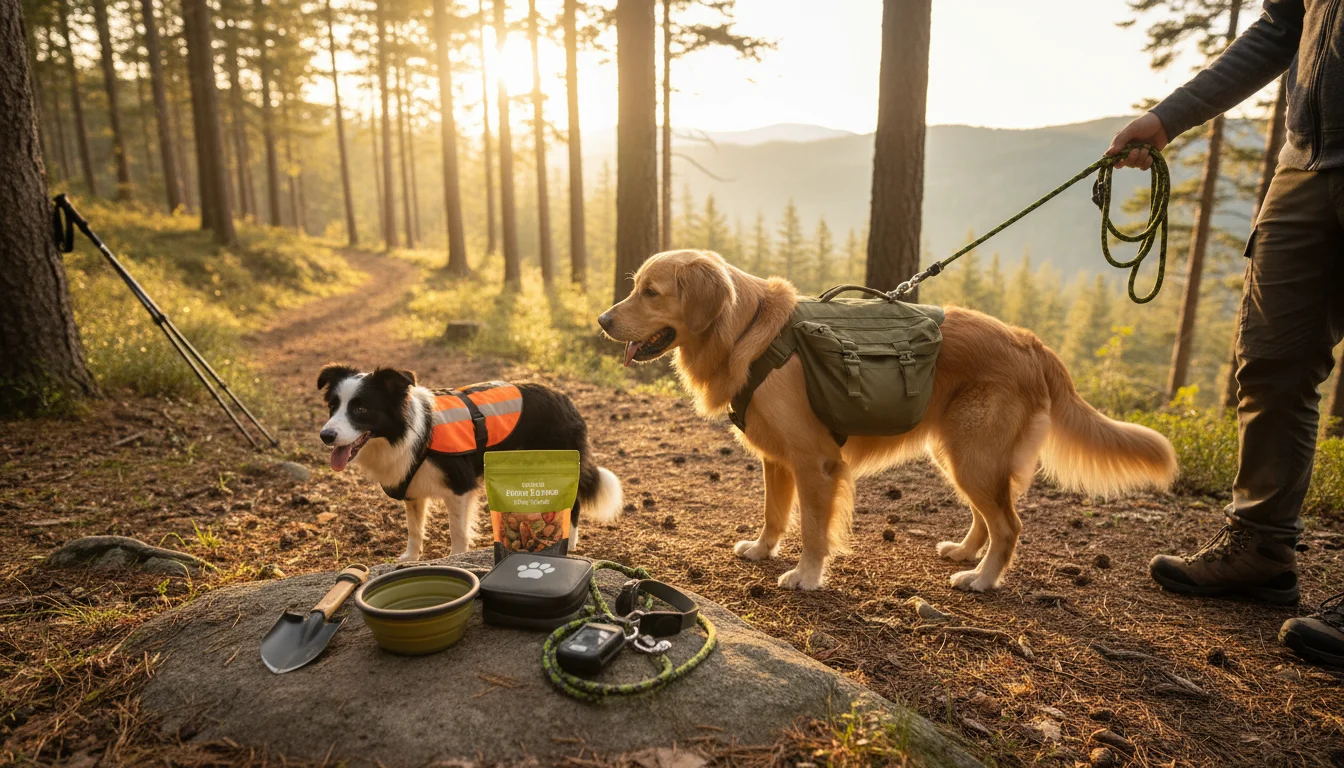
Most senior dogs already respond to basic commands such as sit, stay, down, and come. More importantly, they typically know how to walk reasonably well on a leash. For an older adult, a dog that walks calmly by your side—rather than lunging at every passing squirrel and pulling forcefully on the leash—is a significant safety benefit. Preventing falls is paramount in retirement, and a well-mannered older dog dramatically reduces the physical risk associated with daily walks. If an older dog does need a behavioral refresher, their mature attention spans make positive reinforcement training highly effective and straightforward.

Financial Incentives for Senior Pet Adoption
Living on a fixed income requires careful financial planning, and the pet rescue community actively supports older adults willing to open their homes to mature animals. Recognizing the perfect pairing between retirees and older dogs, numerous animal shelters operate “Seniors for Seniors” adoption programs. These initiatives specifically match adopters over a certain age—typically 60 or 65—with senior dogs, often completely waiving the standard adoption fees.
Beyond waiving upfront costs, some municipal shelters and private rescues provide starter kits featuring leashes, collars, and premium dog food. While you save significantly on adoption fees, puppy vaccinations, and spay/neuter surgeries, it remains essential to budget for ongoing senior care. The American Veterinary Medical Association (AVMA) recommends twice-yearly wellness exams for older pets to catch and manage age-related conditions early. The money saved through specialized adoption programs can be strategically allocated into a veterinary savings fund, ensuring you are well-prepared to manage the routine bloodwork and joint supplements that maintain a senior dog’s quality of life.
Companionship Combats Isolation and Promotes Health
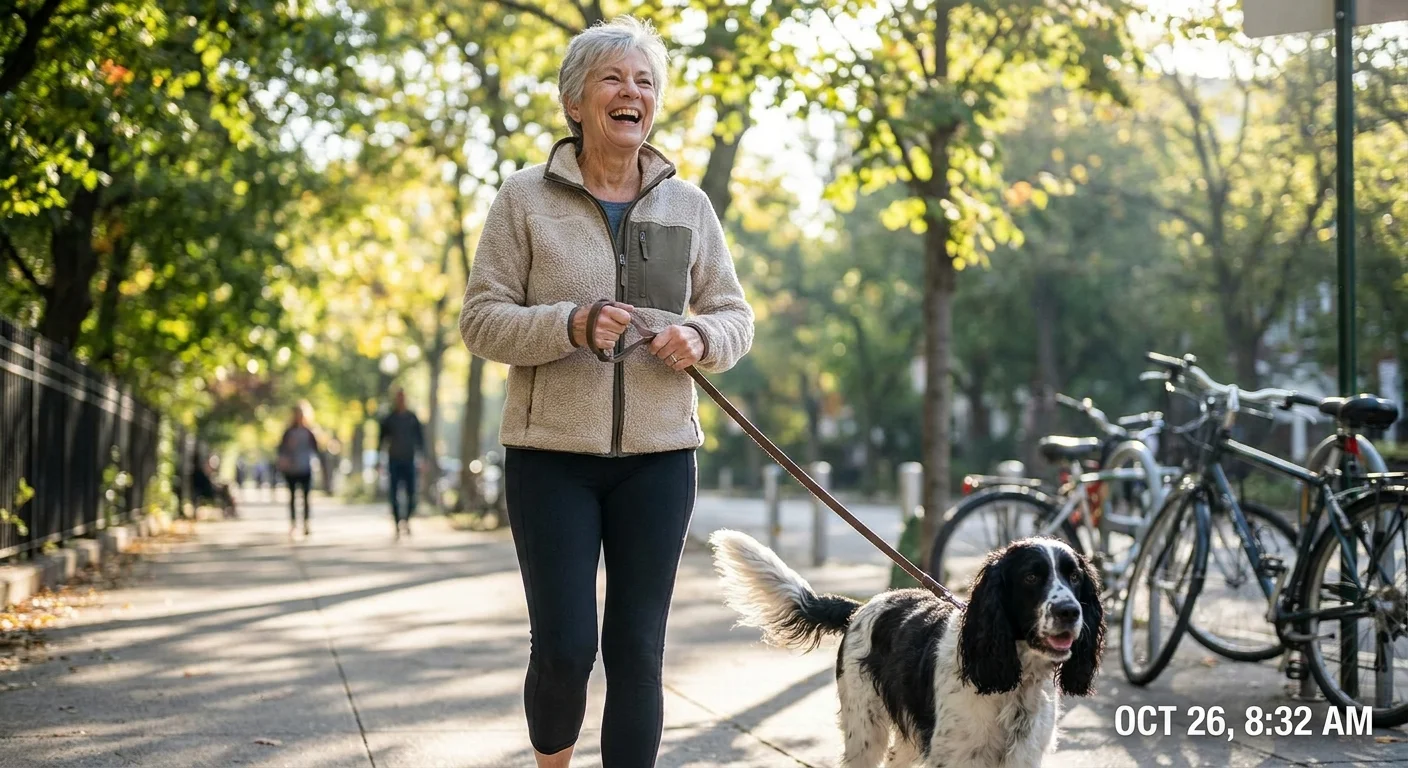
The transition into retirement occasionally brings an unexpected sense of isolation, particularly if mobility decreases or social circles shift. A senior dog fundamentally alters the atmosphere of an empty house, providing a comforting, steady presence that alleviates loneliness. The responsibility of caring for a dog instills a sense of purpose and establishes a healthy, predictable daily routine. You have a compelling reason to wake up at a specific time, venture outside for fresh air, and engage with your surroundings.
While dogs are a popular choice, exploring all the best pets for seniors living alone can help you select the ideal companion for your living space.
The physical and mental health benefits are thoroughly documented. Petting a dog releases oxytocin—often referred to as the bonding hormone—which naturally lowers stress and reduces blood pressure. Furthermore, a dog serves as an exceptional social bridge. Walking a dog around your neighborhood or visiting a local park naturally invites conversation with neighbors and fellow pet owners. These brief, positive social interactions significantly boost mental well-being, proving that a senior dog nourishes your soul just as much as you nourish theirs.
Preparing Your Home for a Senior Dog
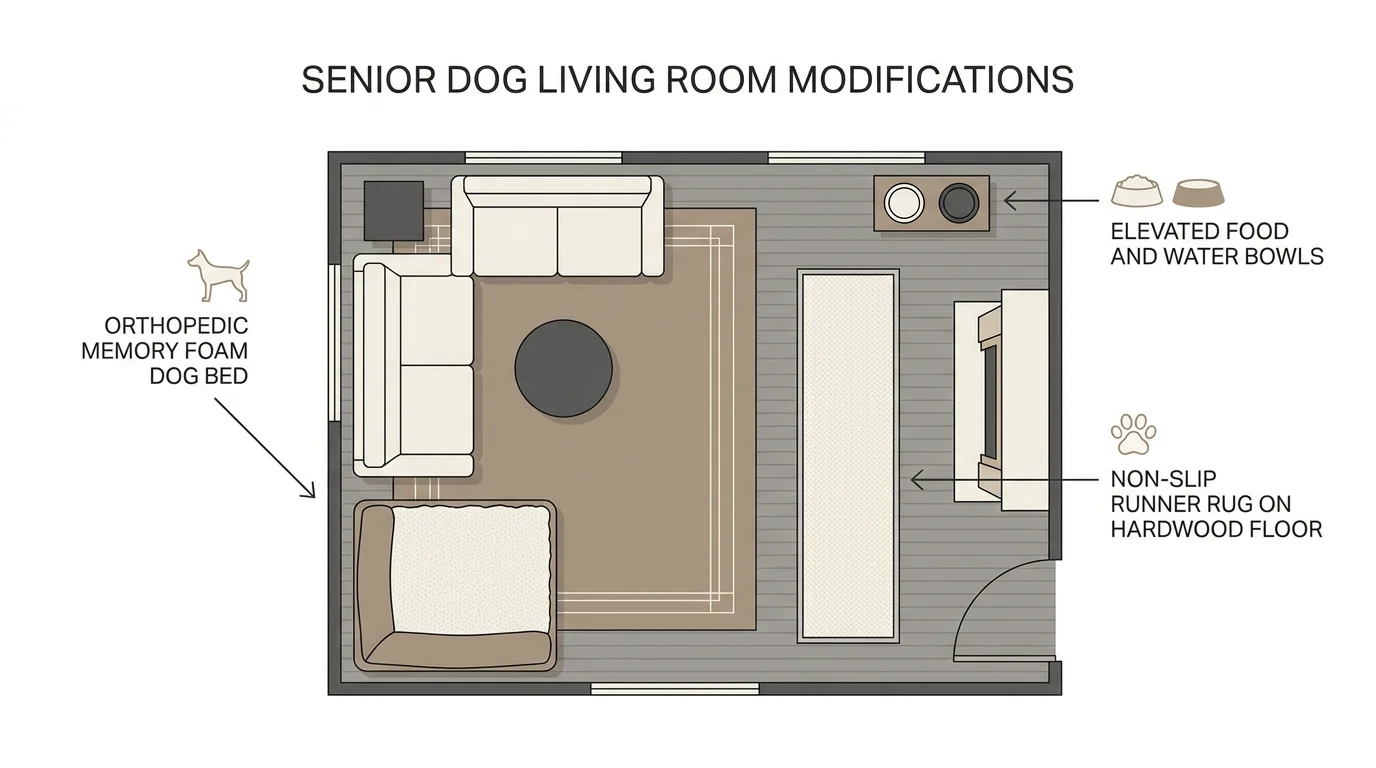
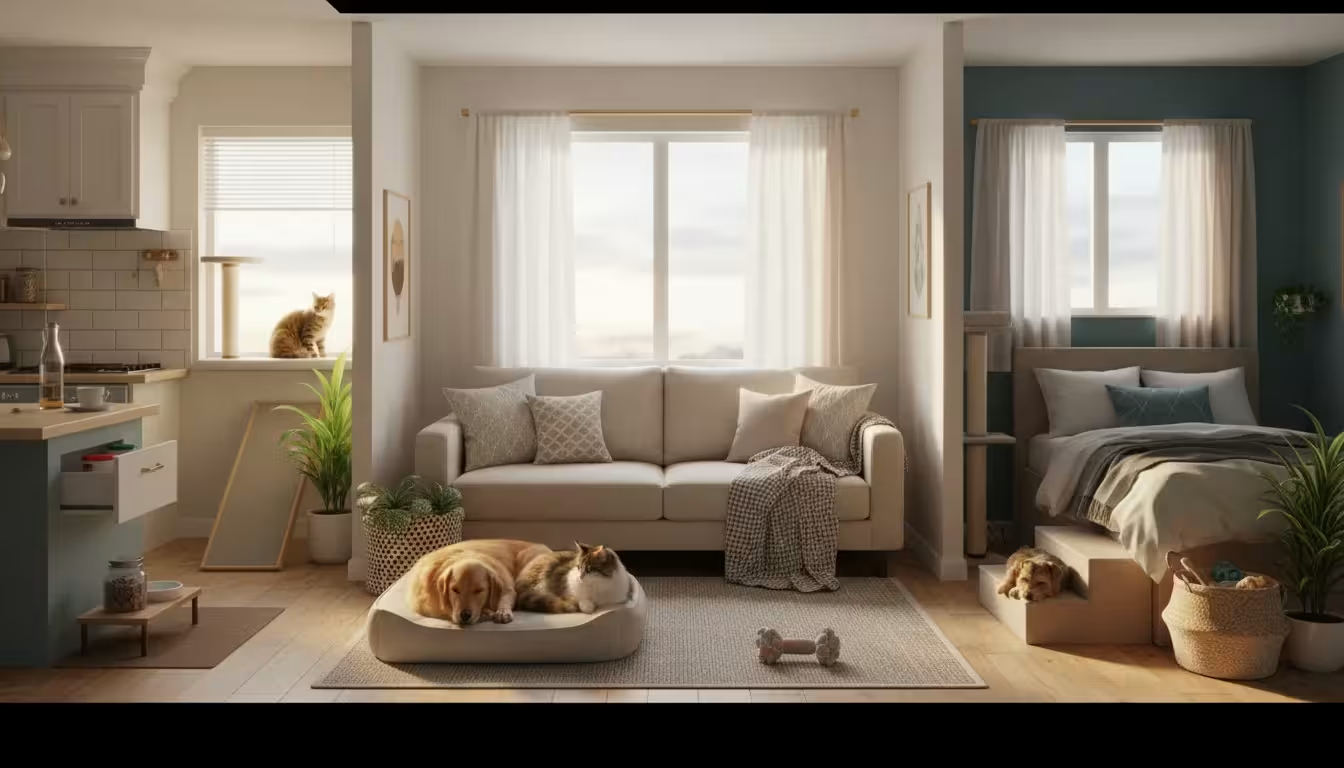
Senior dogs occasionally face age-related physical challenges, such as osteoarthritis or diminished vision. Preparing your home prior to their arrival ensures they feel secure and prevents unnecessary strain on aging joints. A few simple environmental modifications make a massive difference in a senior dog’s daily comfort.
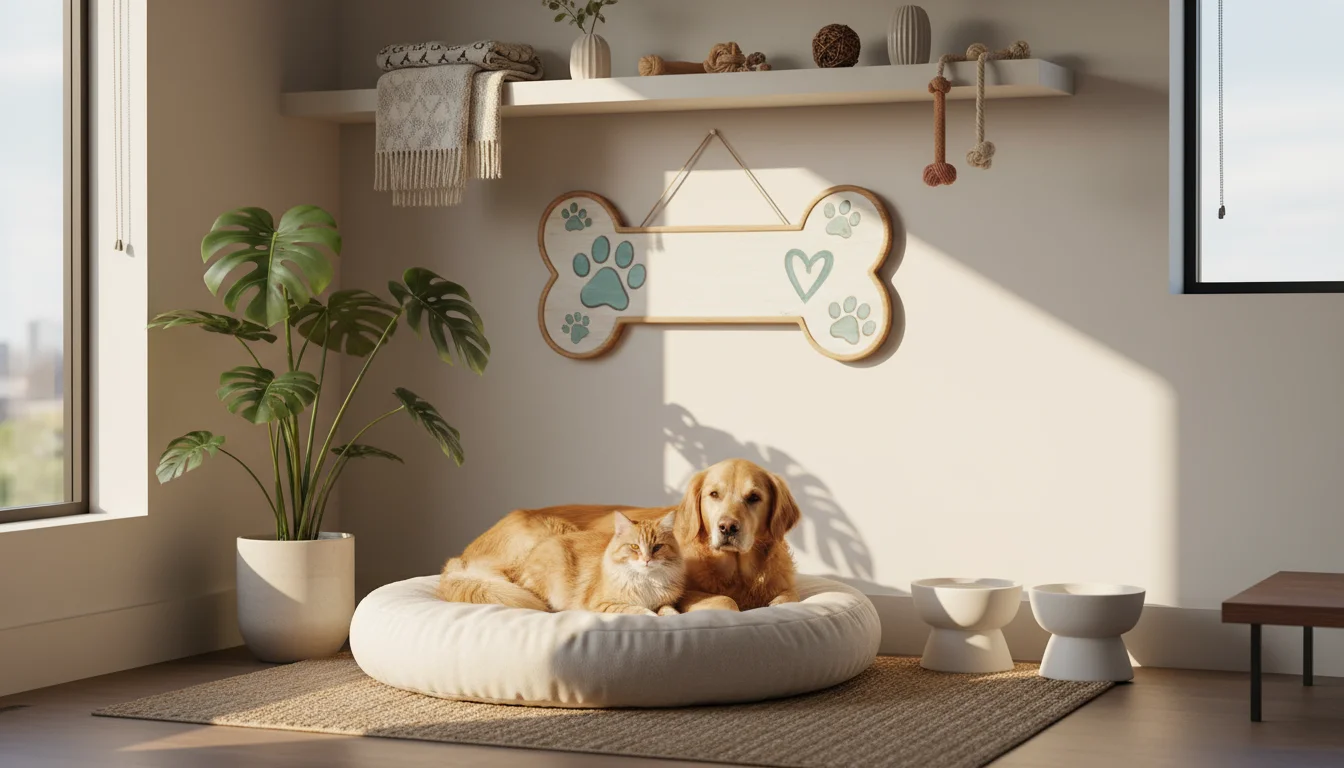
Focus on accessibility and traction. Slipping on hardwood or tile floors is stressful for older dogs and can cause soft tissue injuries. Implementing strategic upgrades around your living space helps them navigate your home with confidence.
| Home Upgrade | Purpose and Benefit for Senior Dogs | Estimated Cost Impact |
|---|---|---|
| Orthopedic Memory Foam Bed | Provides crucial support for arthritic joints, distributing weight evenly to prevent pressure sores and stiffness. | Moderate (A high-quality bed is a long-term investment in their health) |
| Non-Slip Rugs or Yoga Mats | Placed in high-traffic areas (like hallways or near the food bowl) to provide necessary traction for aging paws. | Low to Moderate (Can utilize existing rugs or purchase inexpensive runners) |
| Pet Ramps or Carpeted Stairs | Allows easy, impact-free access to couches, beds, or vehicles without requiring the dog to jump. | Moderate |
| Elevated Food and Water Bowls | Reduces strain on the neck, shoulders, and spine during meal times, aiding digestion and comfort. | Low |
| Nightlights | Helps dogs with developing cataracts or diminished vision navigate the house safely during the night. | Very Low |
Beyond physical setup, establish a relationship with a local veterinarian before bringing your new companion home. Schedule a comprehensive baseline exam within the first week to discuss tailored nutrition, appropriate joint supplements like glucosamine and chondroitin, and a realistic exercise regimen tailored specifically to your dog’s current health status.
Frequently Asked Questions
What age classifies a dog as a “senior”?
The classification of a senior dog depends heavily on their size and breed. Generally, small breeds (like Chihuahuas or Poodles) are considered seniors around ten to eleven years of age because they have longer lifespans. Giant breeds (like Great Danes) reach senior status much earlier, typically around five to six years of age. For medium to large mixed breeds, seven years old is the widely accepted benchmark for entering the senior life stage.
Will an older dog bond with me as strongly as a puppy would?
Absolutely. In many cases, the bond forms faster and deeper. Older dogs possess a maturity that allows them to quickly understand who is providing their care and affection. Because they have a lower energy level, they spend more time quietly observing and engaging with you, which facilitates a profound, devoted connection without the distractions of youthful hyper-independence.
Are older dogs significantly more expensive to care for?
While you save money on upfront adoption fees, puppy vaccinations, and obedience training, senior dogs do require consistent medical maintenance. You must budget for bi-annual veterinary wellness checks, potential dental cleanings, and supportive medications for common aging issues like arthritis. However, because these costs are predictable and manageable through pet insurance or savings, many retirees find the financial structure of owning an older dog highly manageable.
How much daily exercise does a senior dog actually need?
Exercise needs vary based on the dog’s specific health and breed, but most senior dogs thrive on low-impact activity. Two gentle, slow-paced walks of fifteen to twenty minutes per day are often sufficient to keep their joints mobile and their minds stimulated. Mental enrichment—such as offering a food puzzle toy or practicing low-stress training commands—is just as important as physical exercise for keeping an aging dog sharp and content.
For expert pet care guidance, visit
Fear Free Pets, The Spruce Pets, Rover — Pet Care Blog, Preventive Vet and American Veterinary Medical Association (AVMA).
Disclaimer: This article is for informational purposes only and is not a substitute for professional veterinary advice, diagnosis, or treatment. Always consult with a licensed veterinarian for medical concerns about your pet.

Leave a Reply