
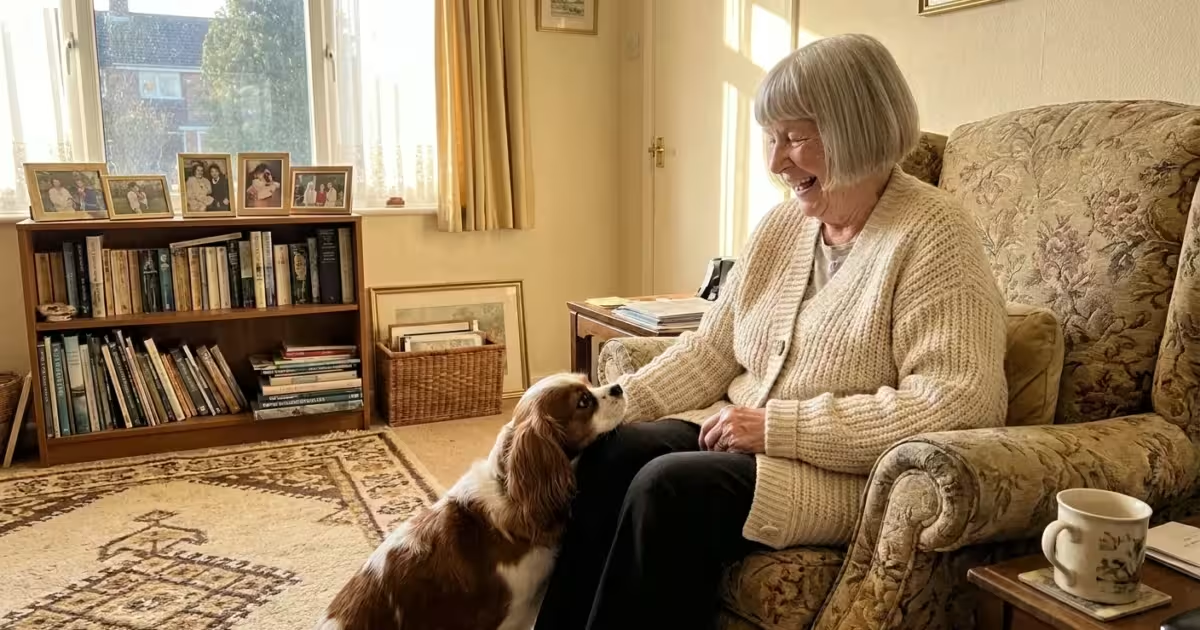
Finding the perfect canine companion during retirement brings immense joy, purpose, and daily comfort without demanding exhausting exercise routines. Your golden years are the ideal time to share your home with a loyal friend, provided you choose a dog whose energy levels naturally align with your lifestyle. While puppies require constant supervision and vigorous training, many dog breeds naturally possess calm temperaments, moderate exercise needs, and affectionate personalities that make them surprisingly effortless to care for. By focusing on dogs bred for companionship rather than high-intensity work, you protect your peace of mind while enjoying the profound emotional and physical health benefits that a loving canine relationship offers.
If you are looking for an even slower pace, you may want to consider adjusting your routine for a senior dog rather than bringing home a young puppy.
If you live independently, you may also want to research breeds specifically suited for independent retirees to ensure a perfect match for your home environment.
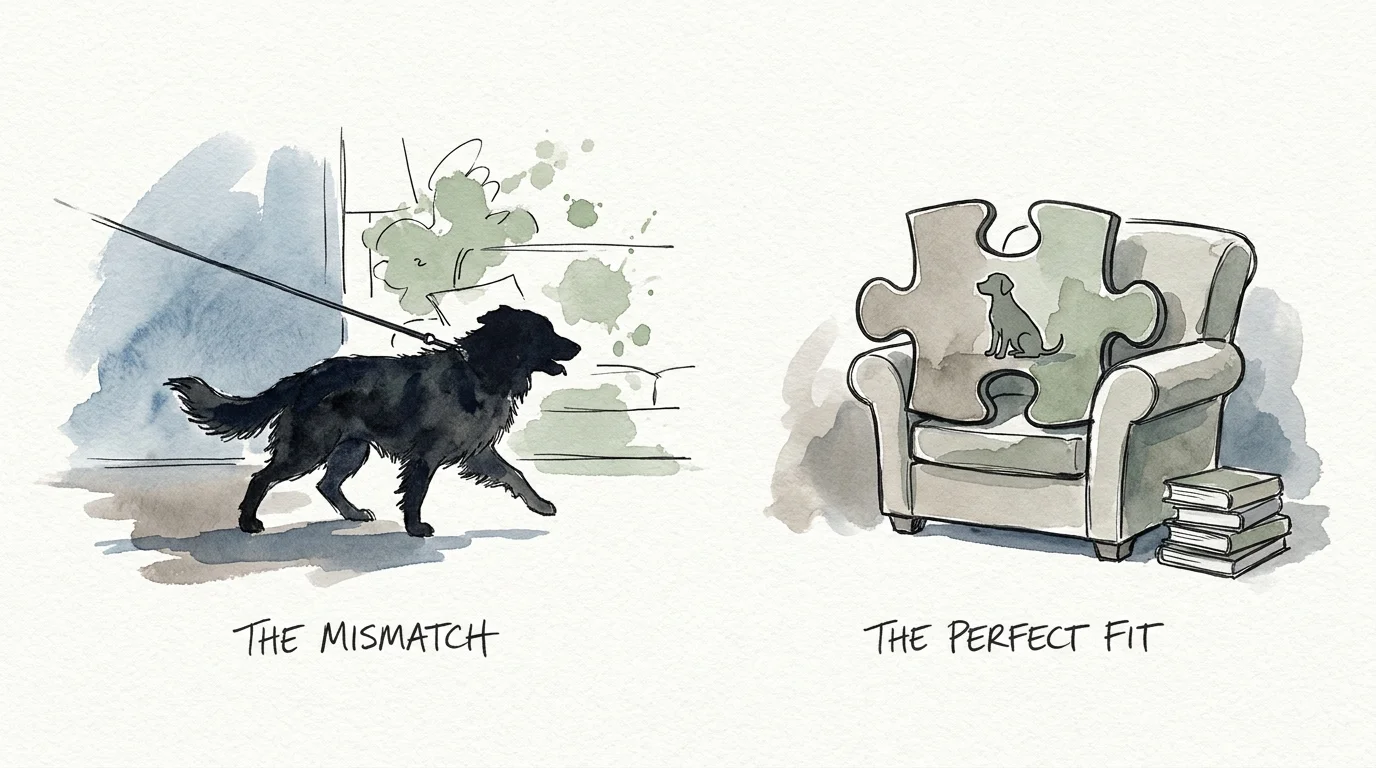
Why Proper Breed Selection Matters
Adding a dog to your household dramatically improves your daily routine, encouraging gentle exercise and reducing feelings of isolation. However, adopting a high-drive working dog when you prefer quiet afternoons reading on the porch usually leads to frustration for both you and the animal. Physical safety remains a primary concern for older adults; a large, untrained dog that pulls on a leash presents a serious fall risk, while an overly fragile toy breed might become an unintentional tripping hazard underfoot.
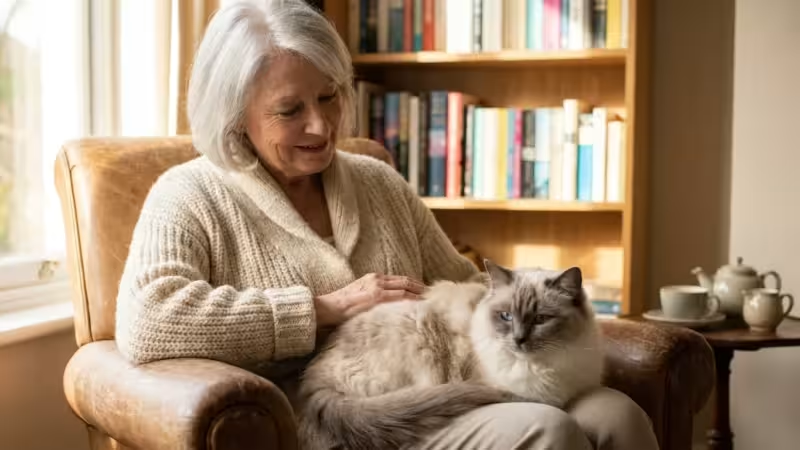
For those who prefer a companion that doesn’t require outdoor walks, there are also several cat breeds suited for quiet households that offer similar levels of affection.
According to the American Kennel Club (AKC), matching a breed’s original purpose and innate temperament to your living situation ensures a harmonious relationship. Dogs originally bred for long days of herding or hunting require intense physical and mental stimulation. Conversely, dogs bred specifically for companionship instinctively seek out laps, gentle interaction, and quiet indoor environments. By consciously selecting a low-maintenance breed, you guarantee that the dog’s needs comfortably meet your physical capabilities and financial resources.
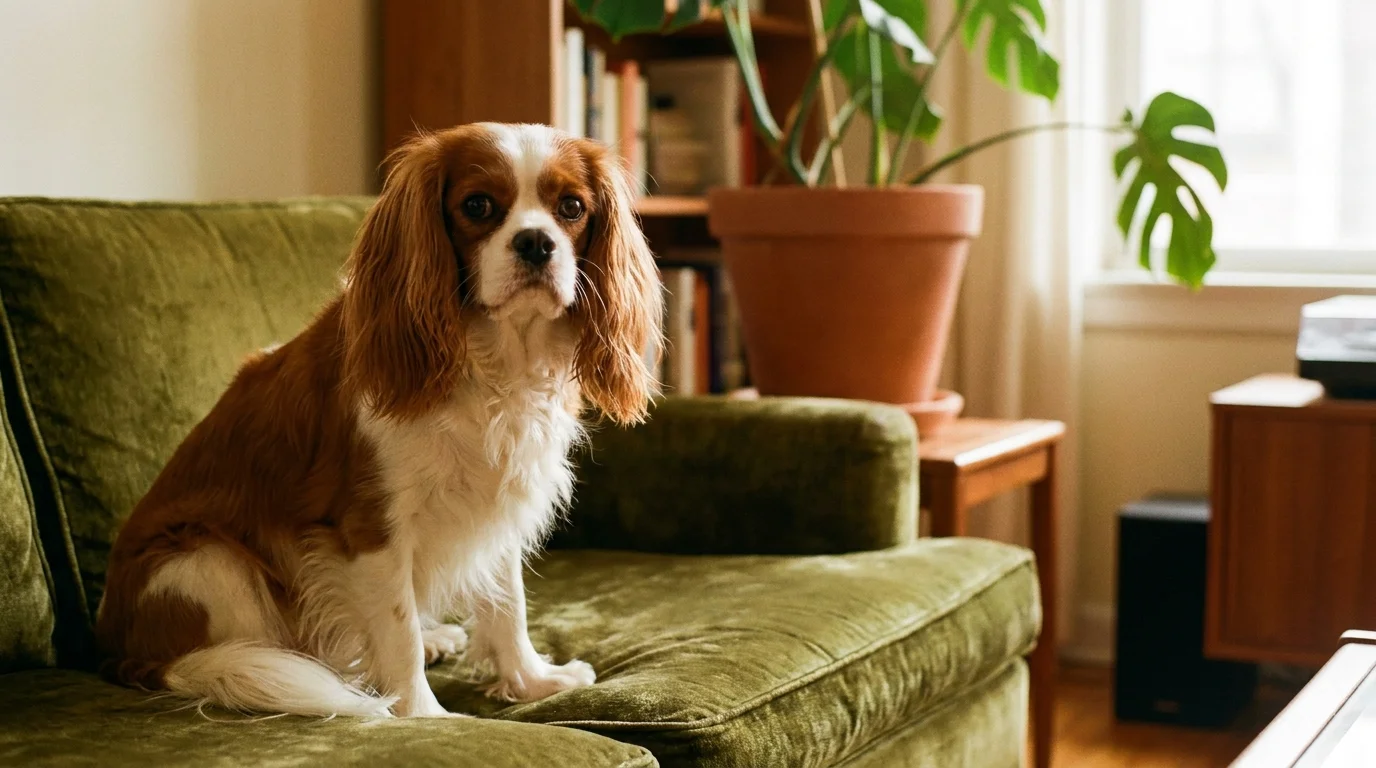
1. The Affectionate Cavalier King Charles Spaniel
The Cavalier King Charles Spaniel excels at being exactly what it was bred to be: a dedicated, loving companion. Weighing roughly 13 to 18 pounds, these elegant dogs fit perfectly into apartments, condos, and smaller homes. Their large, expressive eyes and gentle demeanor make them incredible emotional support animals, as they intuitively tune into your moods and offer comfort when you feel down.
Cavaliers require minimal exercise. A leisurely daily walk around the neighborhood satisfies their need for outdoor stimulation, and they happily spend the remainder of the day snuggled beside you. Their silky coats do require regular brushing to prevent tangles—especially behind the ears and on the chest—but they lack the demanding grooming requirements of heavier-coated breeds. Because this breed is prone to mitral valve disease, establishing a relationship with a trusted veterinarian for regular heart checkups will keep your Cavalier healthy and comfortable.
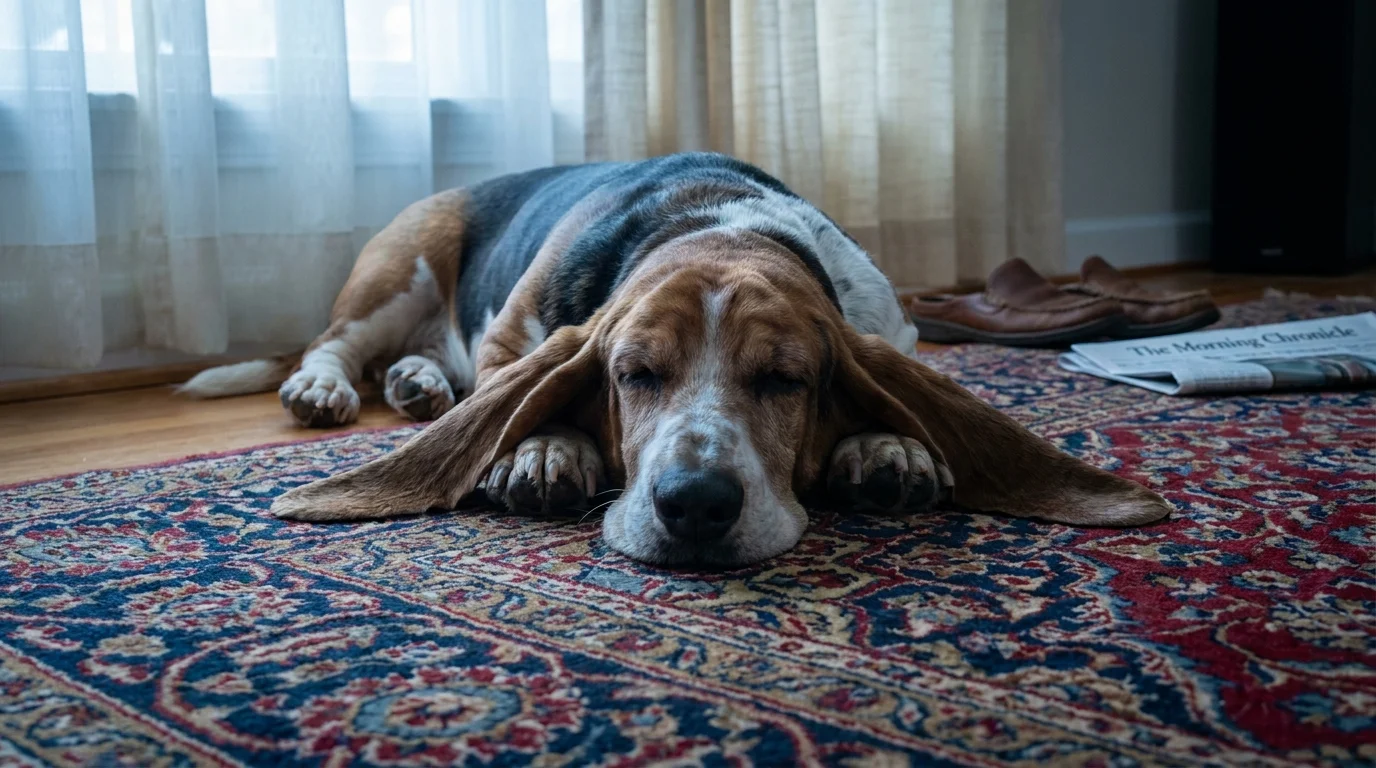
2. The Low-Key Basset Hound
If you prefer a sturdier dog but still want a low-energy companion, the Basset Hound offers a wonderfully grounded option. While they weigh more than typical lap dogs—usually between 40 and 65 pounds—they carry their weight low to the ground and move at a relaxed, unhurried pace. You rarely have to worry about a Basset Hound yanking you down the street or jumping frantically onto houseguests.
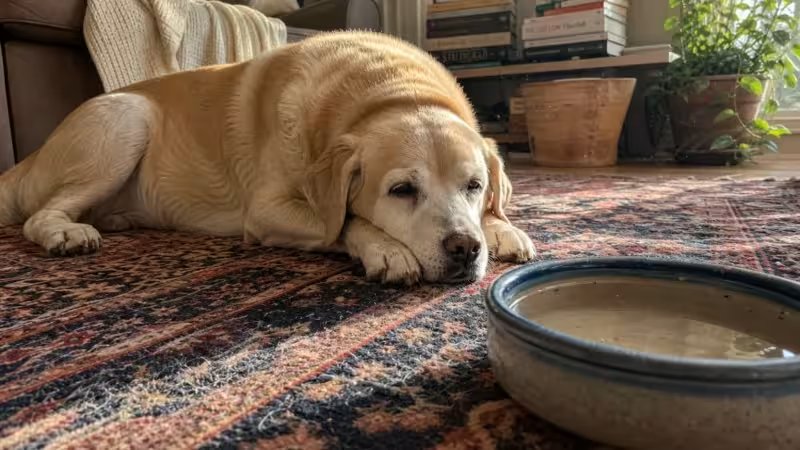
Basset Hounds possess a notoriously laid-back attitude toward life. They appreciate moderate daily walks to engage their powerful sense of smell, but they happily dedicate most of their afternoon to napping on a comfortable rug. You will need to clean their long, drooping ears weekly to prevent infections and wipe their facial folds, but their short coat requires only basic brushing. Their charming, slightly stubborn personality brings immense joy and laughter to a quiet household.
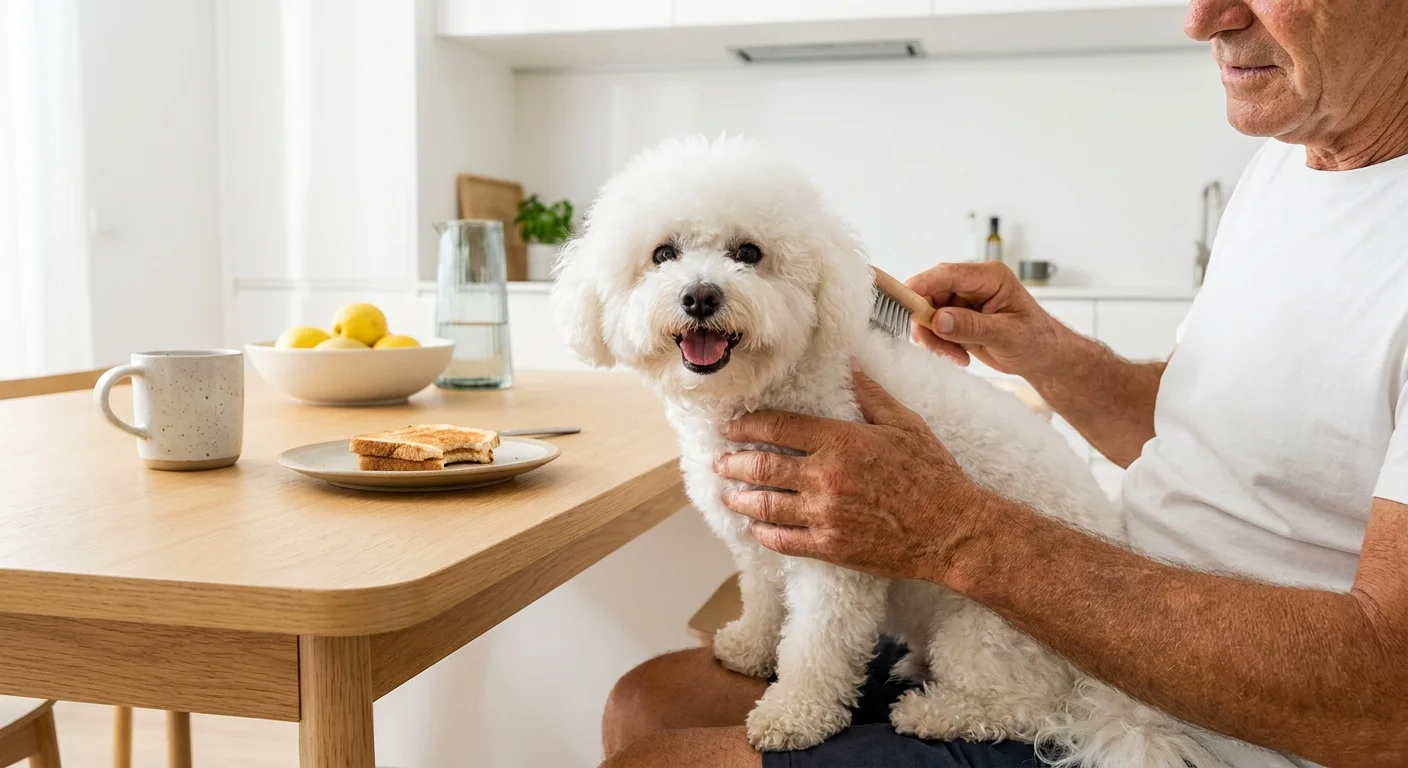
3. The Cheerful Bichon Frise
The Bichon Frise brings an infectious, joyful energy into any home without demanding strenuous physical activity. Weighing around 12 to 18 pounds, these sturdy little dogs bounce through life with a perpetually happy attitude. They make phenomenal companions for seniors who host frequent family visits, as the Bichon genuinely loves meeting new people and gently playing with respectful grandchildren.
One of the greatest advantages of the Bichon Frise is its hypoallergenic coat. If you or your family members suffer from allergies, this breed produces significantly less dander than others. However, this beautiful, cloud-like coat requires commitment. You must brush them daily to prevent painful matting, and you will need to schedule professional grooming appointments every four to six weeks. If you budget for professional grooming, the Bichon’s cheerful loyalty makes them an incredibly rewarding pet.
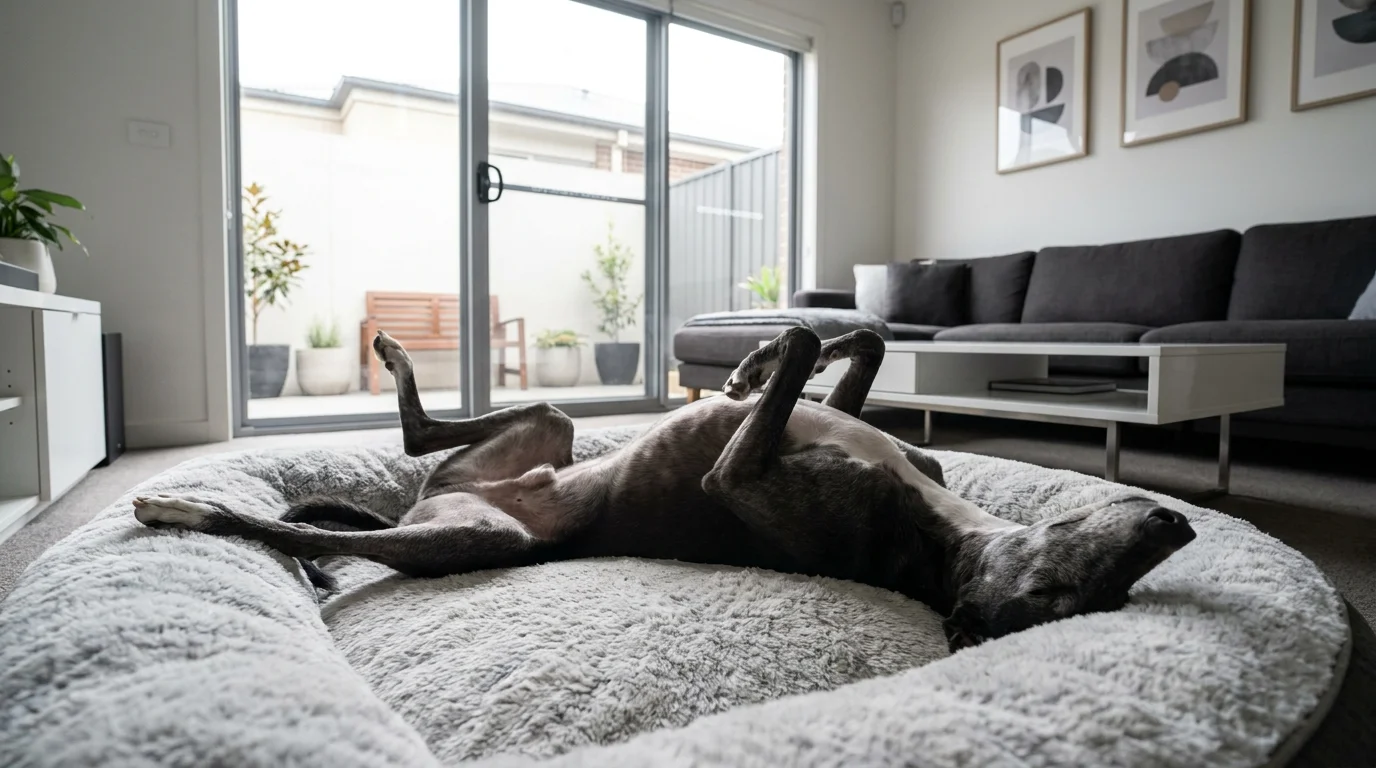
4. The Gentle Greyhound
Greyhounds often surprise people when they appear on lists of low-maintenance dogs. You might associate them with high-speed track racing, but retired greyhounds are famously known as “forty-five-mile-per-hour couch potatoes.” Once they retire from racing, these incredibly gentle, sensitive dogs remain perfectly content to spend the vast majority of their day lounging on a soft bed. They rarely bark and move through the house with surprising grace.
Because of their slender build and lack of body fat, greyhounds require soft resting places to prevent pressure sores; investing in a high-quality orthopedic dog bed provides essential comfort. During the winter months, their thin coats mean they will need a warm sweater or fleece jacket for walks. Their exercise needs remain remarkably low. A daily walk to sniff the neighborhood, coupled with occasional access to a fully fenced area where they can stretch their legs for just five minutes, satisfies their physical requirements entirely.
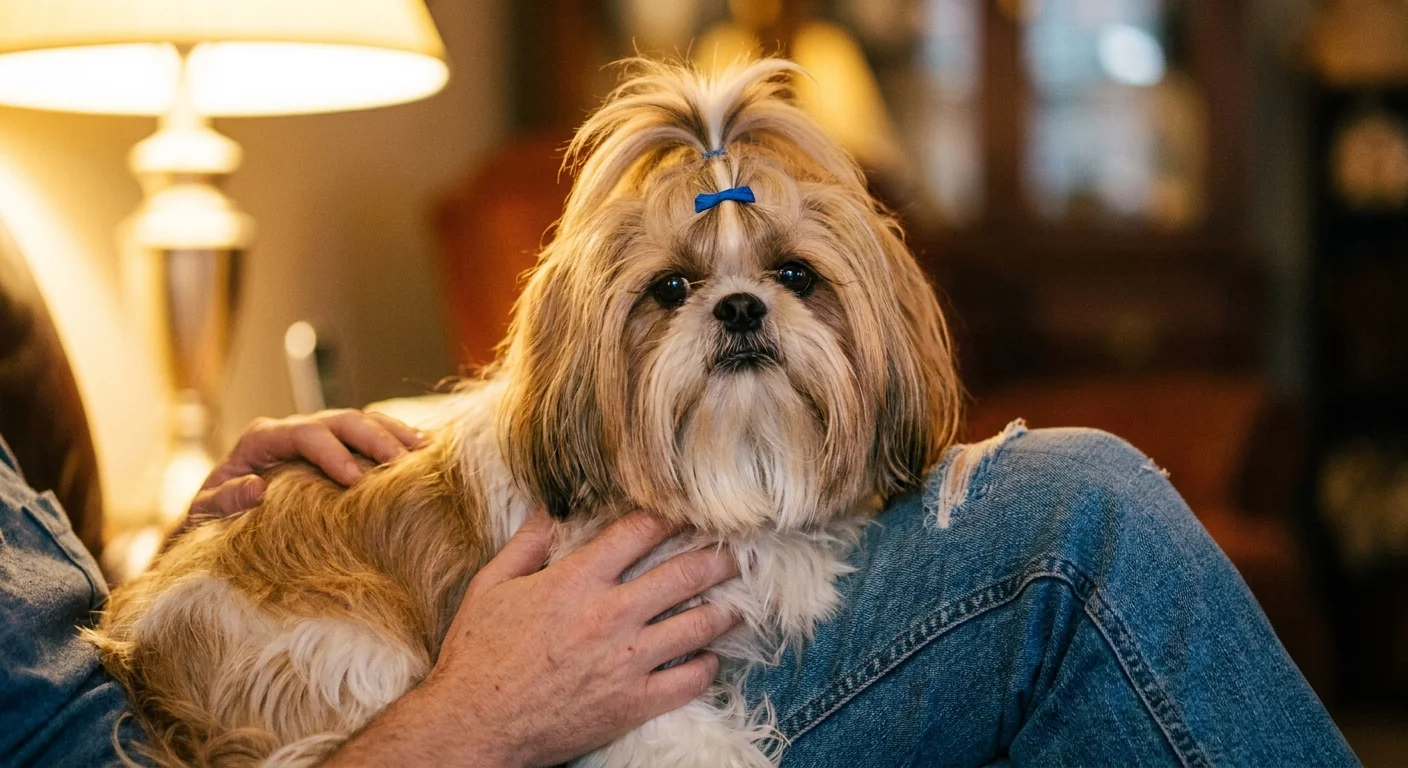
5. The Devoted Shih Tzu
Historically bred to warm the laps of Chinese nobility, the Shih Tzu carries its royal legacy into modern living rooms. These dogs view companionship as their full-time job. Weighing between 9 and 16 pounds, they fit comfortably in your arms and easily adapt to living in spaces of any size. The Shih Tzu does not require a backyard and completely satisfies its exercise needs through short indoor play sessions and brief strolls.
While their long, flowing show coats require immense daily upkeep, most senior owners opt to keep their Shih Tzu in a “puppy cut.” This short, sporty trim reduces grooming time to a quick brush a few times a week and a monthly visit to the groomer. Because they are a brachycephalic (flat-faced) breed, you must protect them from extreme heat and avoid strenuous exercise, making them the perfect companion for climate-controlled indoor living.
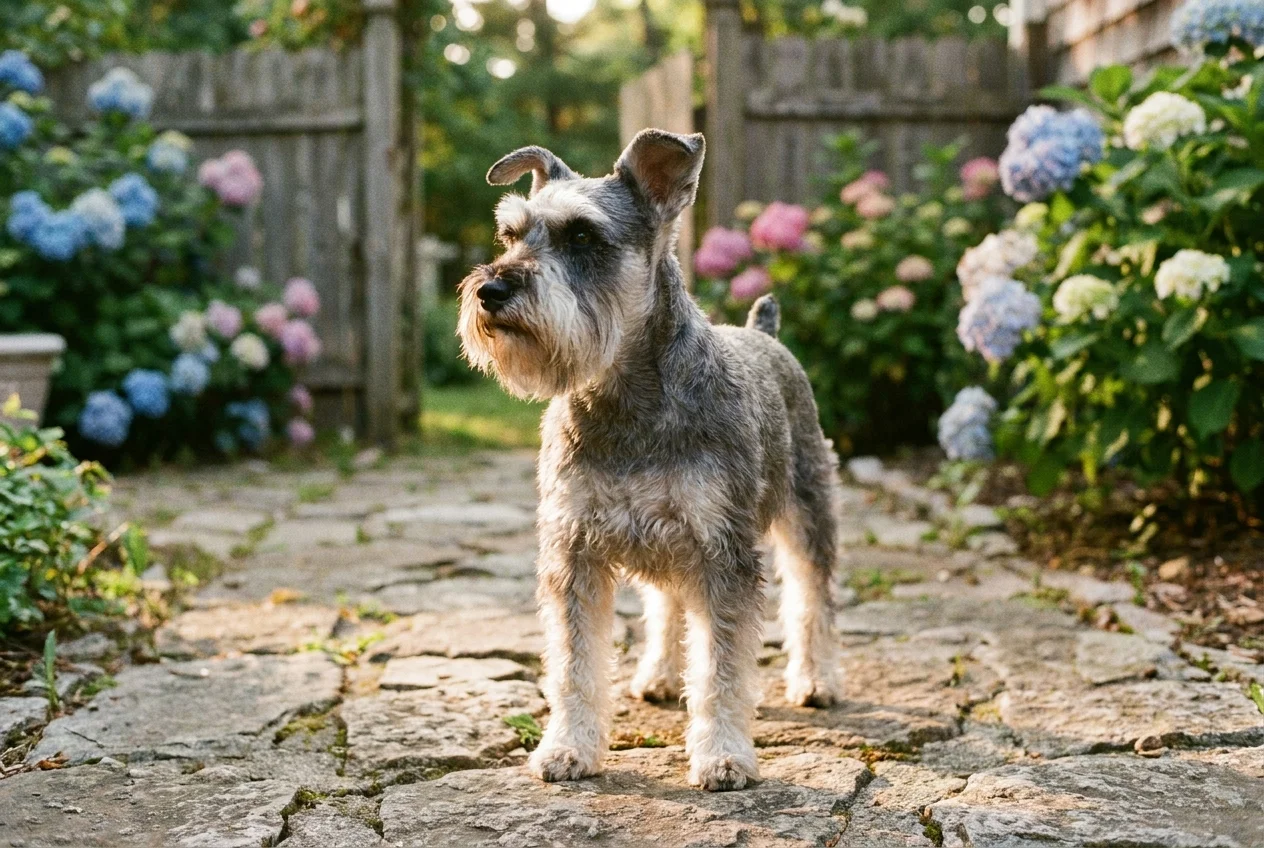
6. The Smart and Sturdy Miniature Schnauzer
For older adults who want a dog with a bit more robust presence and alertness, the Miniature Schnauzer fits the bill beautifully. Weighing 11 to 20 pounds, they are solidly built and less fragile than many toy breeds. They serve as excellent little watchdogs, alerting you to visitors at the door without displaying unwarranted aggression.
Miniature Schnauzers possess sharp intelligence and respond beautifully to positive reinforcement training. They enjoy learning new tricks and participating in interactive games, which provides excellent mental stimulation for both dog and owner. Like the Bichon, they shed very little, keeping your home clean and free of dog hair. You will need to take them to a professional groomer every few months to maintain their signature bearded appearance, but their daily upkeep remains quite simple.
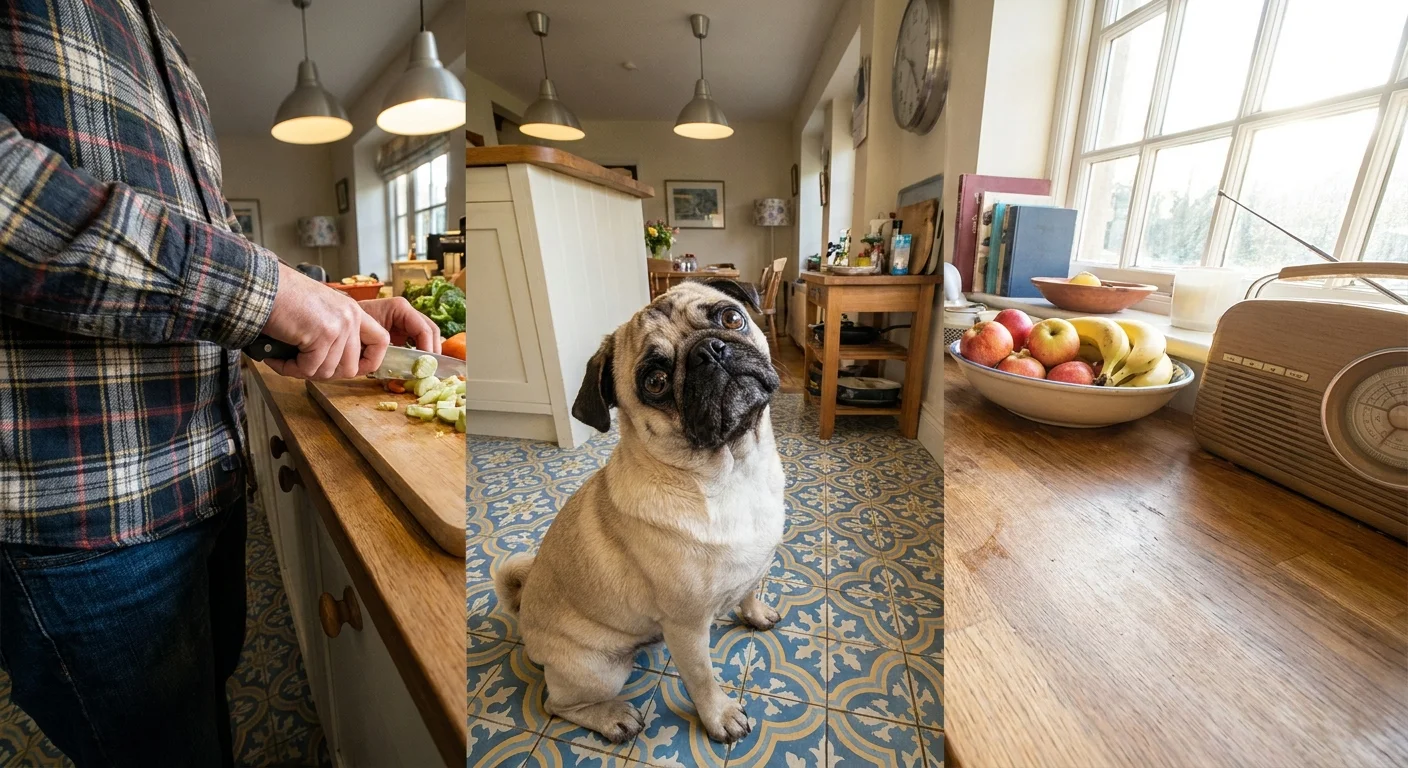
7. The Adaptable Pug
The Pug offers a masterclass in charm and comedy. These solid, muscular little dogs pack a massive personality into a 14 to 18-pound frame. Pugs thrive on human contact and prefer to shadow their owners from room to room, offering soft snores and gentle grunts of affection along the way.
Pugs are highly food-motivated, making them incredibly easy to train with small, healthy treats. Because they are prone to obesity, you must strictly measure their meals rather than free-feeding them. Their flat faces mean they overheat easily, so exercise should remain light and confined to the cooler parts of the day. A simple, slow walk around the block keeps their joints healthy. You will need to wipe the deep wrinkles on their face regularly to prevent skin infections, but their short coat requires almost no brushing.
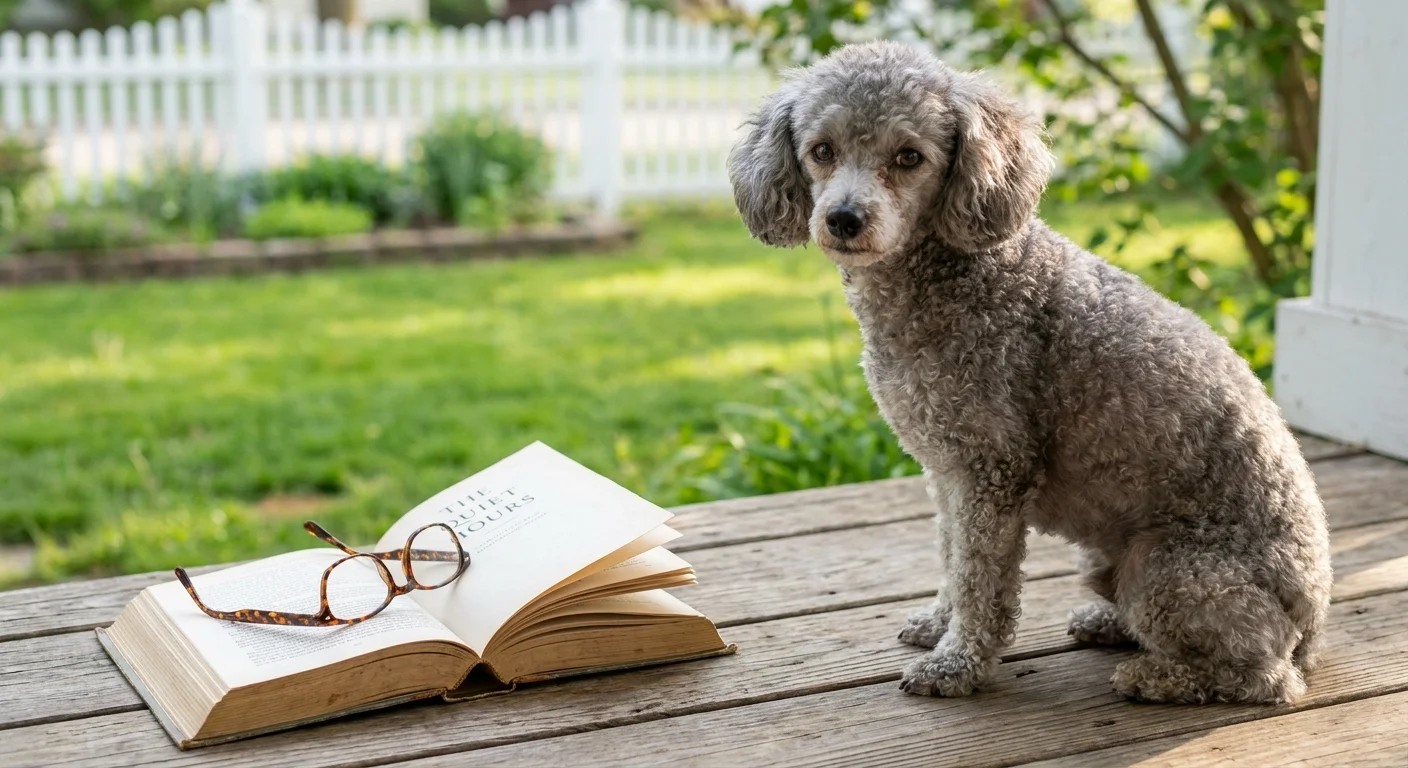
8. The Calm and Clever Poodle (Toy or Miniature)
Poodles consistently rank among the most intelligent dog breeds in the world, which translates to a highly trainable and cooperative companion. Toy Poodles (under 10 pounds) and Miniature Poodles (10 to 15 pounds) offer the brilliance of the Standard Poodle in a much more manageable size. They quickly learn household routines, adapt effortlessly to your schedule, and possess a keen emotional intelligence that makes them wonderful companions.
Because Poodles are so cooperative, they are often the fastest to learn essential training commands that make daily life easier.
Their curly coats do not shed, ensuring your furniture and clothes stay immaculate. However, this hair grows continuously. To minimize maintenance, ask your groomer for a short “sporting clip,” which eliminates the need for daily, intense line-brushing. Poodles enjoy engaging their minds, so simple puzzle toys or teaching them to fetch specific items will keep them remarkably happy without requiring you to walk for miles.
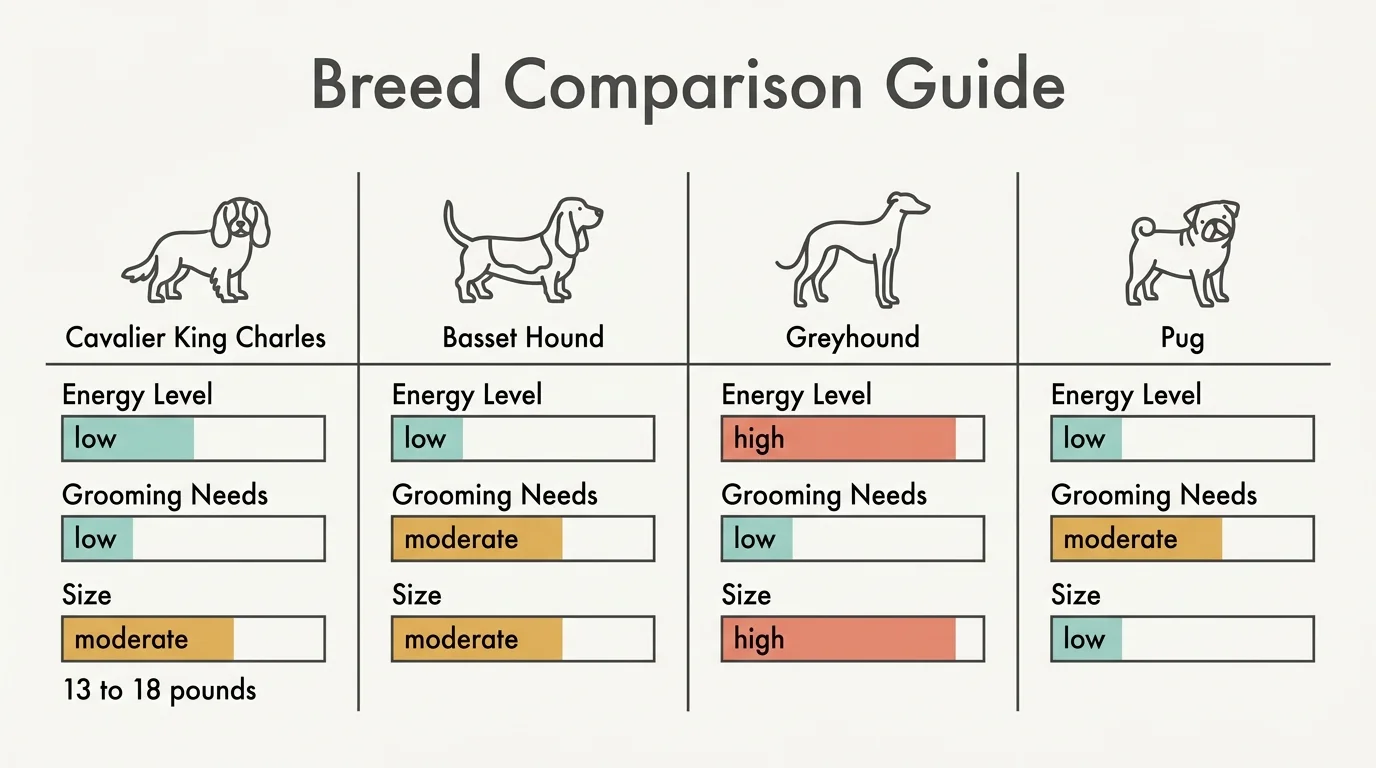
Breed Comparison Guide
To help you narrow down the best choice for your specific lifestyle, use this quick reference guide to compare the physical and care traits of these eight companion breeds.
| Breed | Average Weight | Grooming Needs | Daily Exercise Level |
|---|---|---|---|
| Cavalier King Charles | 13 – 18 lbs | Moderate (Regular brushing) | Low (1 short walk) |
| Basset Hound | 40 – 65 lbs | Low (Ear cleaning vital) | Low to Moderate |
| Bichon Frise | 12 – 18 lbs | High (Professional grooming) | Moderate |
| Greyhound | 60 – 70 lbs | Low (Occasional brushing) | Low (Short walk + brief sprint) |
| Shih Tzu | 9 – 16 lbs | Moderate (If kept in puppy cut) | Very Low |
| Miniature Schnauzer | 11 – 20 lbs | Moderate (Professional clipping) | Moderate |
| Pug | 14 – 18 lbs | Low (Facial fold wiping) | Low |
| Poodle (Toy/Mini) | 6 – 15 lbs | Moderate to High (Clipping needed) | Low to Moderate |
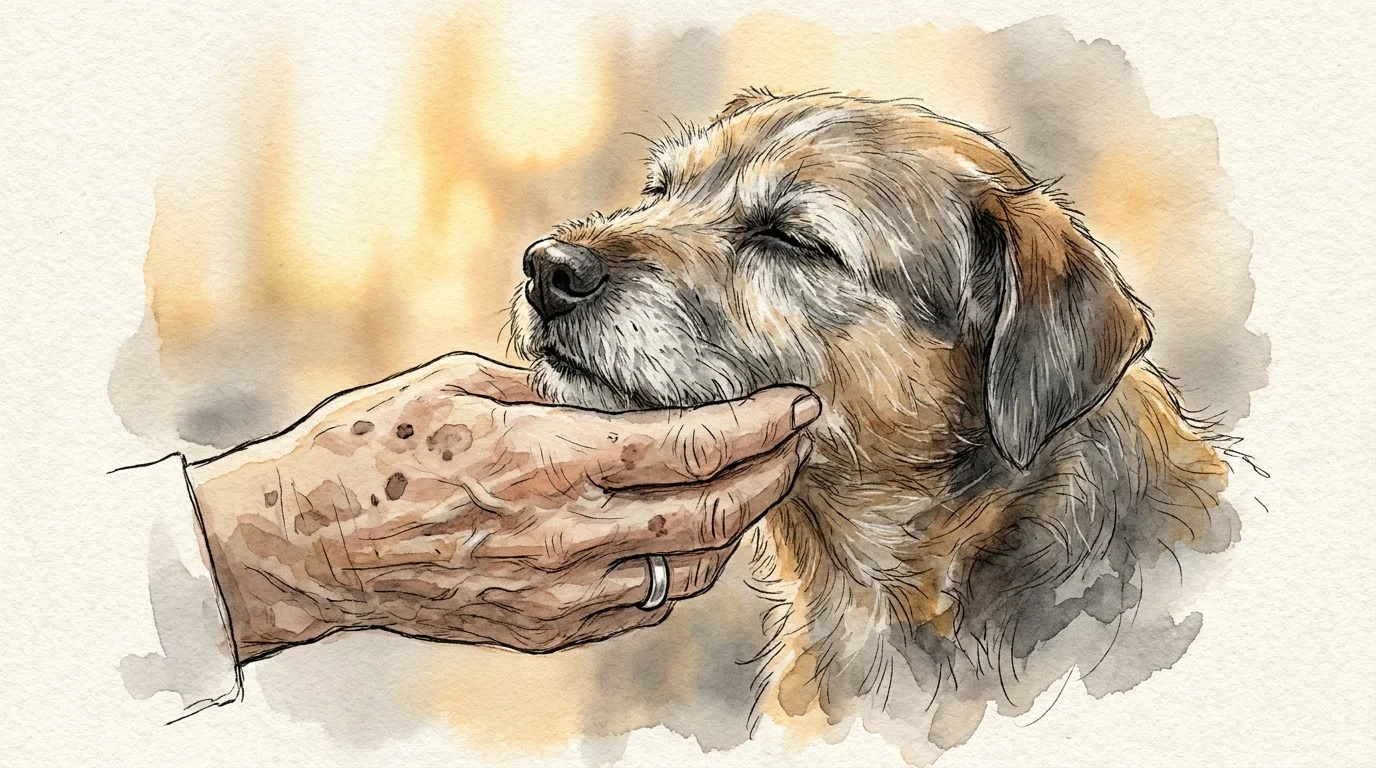
The Undeniable Benefits of Adopting a Senior Dog
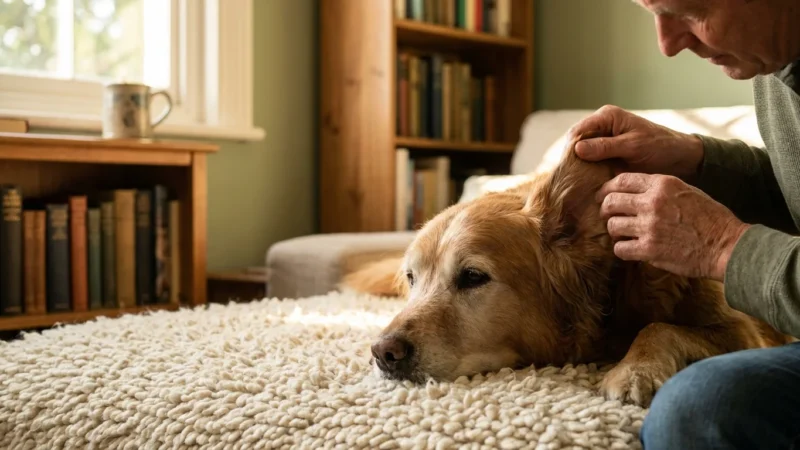
While discussing specific breeds helps narrow down physical traits, age often proves more important than breed when seeking an easy-to-care-for companion. Puppies demand immense reserves of energy, patience, and physical mobility. They wake up in the middle of the night, chew on furniture, require rigorous house-training, and need constant supervision to stay safe.
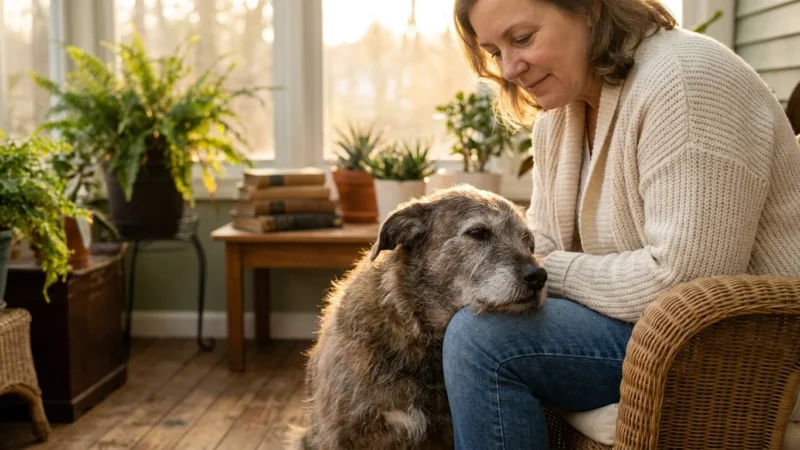
As noted by experts at the ASPCA, adopting an older animal allows you to bypass the destructive teething and exhausting house-training phases entirely. Senior dogs usually enter your home fully house-trained, familiar with basic obedience commands, and perfectly content to spend the day resting by your feet. Their personalities are fully formed, meaning shelter staff can accurately match their calm temperament to your quiet lifestyle.
“The bond between an older adult and a senior dog represents a beautiful alignment of pacing. Together, they appreciate the quiet moments, the slow afternoon strolls, and the profound comfort of simply sharing space.” — Canine Behavior Specialist
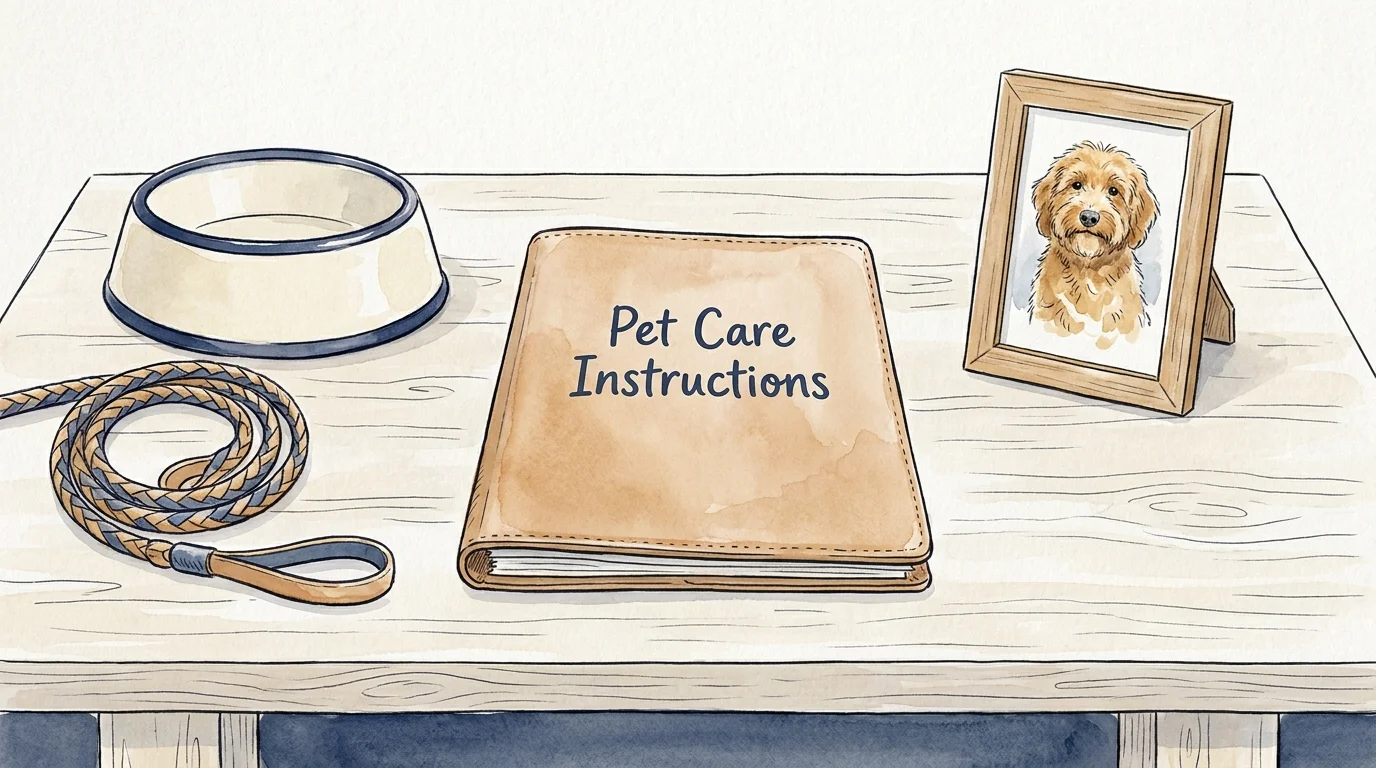
Wait, “pregătite” (feminine plural) refers to “manual” (masculine), “lesă” (feminine), “bol” (masculine). In Romanian, if there’s a mix, it usually defaults to masculine plural “pregătite” is
Planning for Your Dog’s Future
Caring for a dog during retirement requires a realistic assessment of both your current capabilities and your future circumstances. Veterinary costs can fluctuate, so securing pet insurance or establishing a dedicated savings account for emergency health issues provides invaluable peace of mind. The American Veterinary Medical Association (AVMA) strongly recommends bi-annual wellness exams for senior pets to catch age-related conditions early, ensuring your dog remains pain-free and mobile.
Furthermore, it remains essential to create a contingency plan for your pet. Discuss your dog’s future with family members, friends, or a trusted local rescue organization. Determine who will assume ownership and financial responsibility of your dog if your health declines or you transition into an assisted living facility that does not permit pets. Setting up a formal pet trust or a legally binding agreement ensures that your loyal companion will always receive the love and care they deserve.
Frequently Asked Questions
Are small dogs always better for seniors?
Not necessarily. While small dogs are easier to lift and generally cost less to feed, some toy breeds possess high energy levels and a tendency to bark excessively. Additionally, tiny dogs can easily get underfoot, posing a tripping hazard for older adults with balance issues. Sometimes, a medium-to-large, low-energy breed like a Greyhound or a Basset Hound makes a better, more stable companion.
How do I manage dog walking if I have limited mobility?
If walking becomes difficult, focus on hiring a reliable local dog walker for daily outings. You can also engage your dog’s mind indoors using puzzle feeders, snuffle mats, and basic trick training, which tires them out mentally. Ensure you have a securely fenced yard where your dog can relieve themselves safely without requiring you to navigate icy or uneven sidewalks.
Is it better to get a mixed breed or a purebred dog?
Both offer wonderful benefits. Purebred dogs provide predictability regarding size, grooming needs, and general energy levels, which helps you plan your care routine accurately. Mixed breeds, often found in local shelters, frequently benefit from “hybrid vigor,” potentially experiencing fewer genetic health problems. When adopting a mature mixed breed, shelter staff can clearly describe the dog’s established personality, removing the guesswork.
How can I prepare my home to be safe for a new dog?
Remove small choking hazards from the floor and secure loose electrical cords out of reach. Place non-slip rugs on slick hardwood floors to help your dog maintain traction, which prevents joint injuries as they age. Finally, elevate their food and water bowls slightly to reduce strain on their neck and shoulders, and invest in a thick, supportive orthopedic bed to protect their joints.
For expert pet care guidance, visit
ASPCA, The Humane Society of the United States, Cornell University College of Veterinary Medicine and UC Davis School of Veterinary Medicine.
Disclaimer: This article is for informational purposes only and is not a substitute for professional veterinary advice, diagnosis, or treatment. Always consult with a licensed veterinarian for medical concerns about your pet.




Leave a Reply