
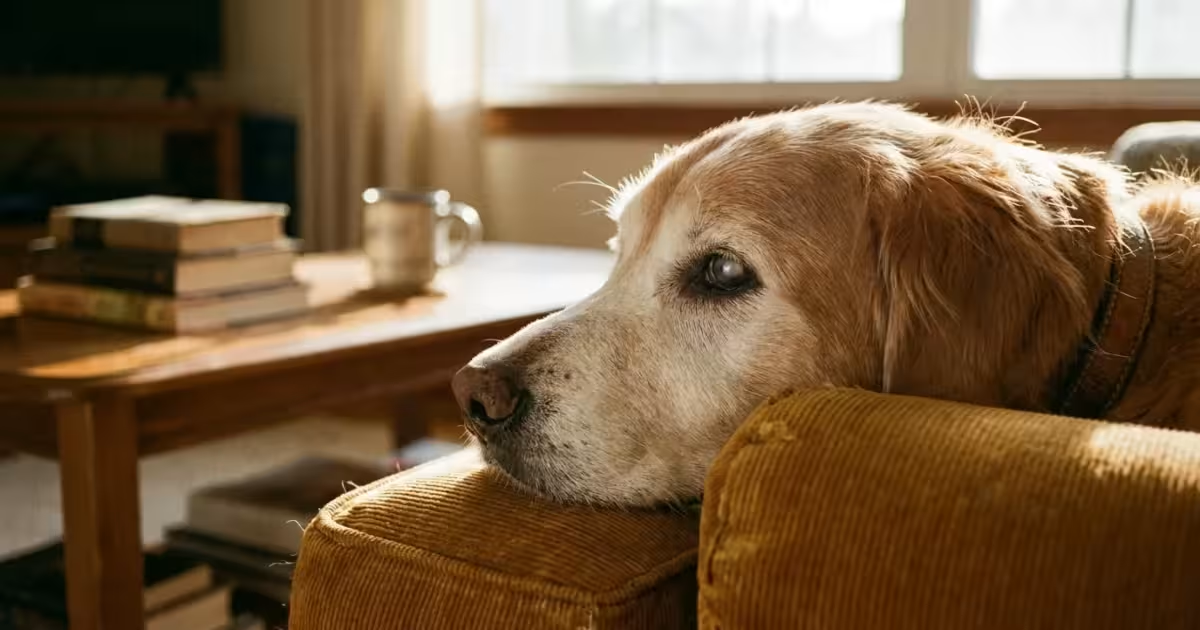
Watching your beloved companion enter their golden years brings a profound shift in your daily routine and their evolving care needs. Aging transforms your pet’s physical capabilities, dietary requirements, and behavioral patterns, requiring proactive adjustments to keep them comfortable and thriving. Recognizing these subtle transitions early allows you to manage age-related conditions before they escalate into serious health emergencies. From modified exercise routines and orthopedic support to specialized diets and cognitive enrichment, understanding exactly what happens to an aging dog or cat empowers you to provide the compassionate support they deserve. Armed with veterinary insights and practical home modifications, you can confidently navigate this poignant, rewarding chapter of your pet’s life while preserving their dignity and joy.
1. Slowing Down and Changes in Mobility
One of the most immediate signs of aging in companion animals is a gradual decrease in mobility. Just like humans, older dogs and cats frequently develop osteoarthritis, a degenerative joint disease that causes stiffness, inflammation, and chronic discomfort. You will likely notice your dog taking longer to stand up after a nap, hesitating at the bottom of a staircase, or refusing to jump into the back of your car. Cats, masters of hiding pain, might simply stop sleeping on their favorite high perches, miss the litter box because the sides are too high to climb comfortably, or show a sudden reluctance to jump onto the countertop.
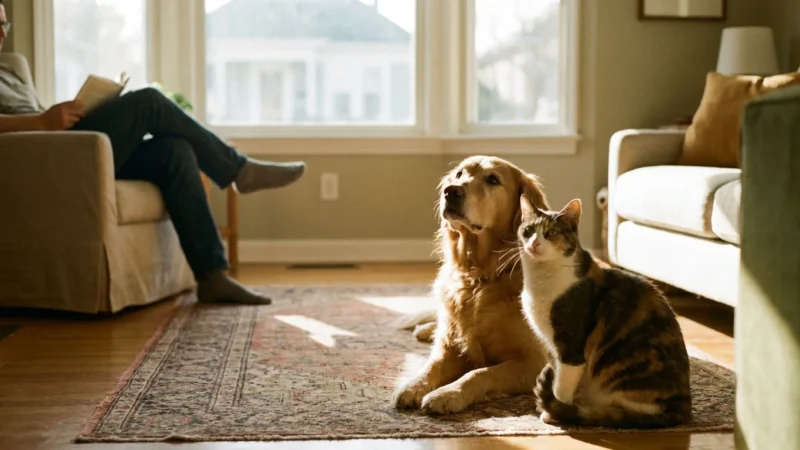
Proactively adjusting your routine for older pups helps maintain their quality of life while navigating these physical limitations.
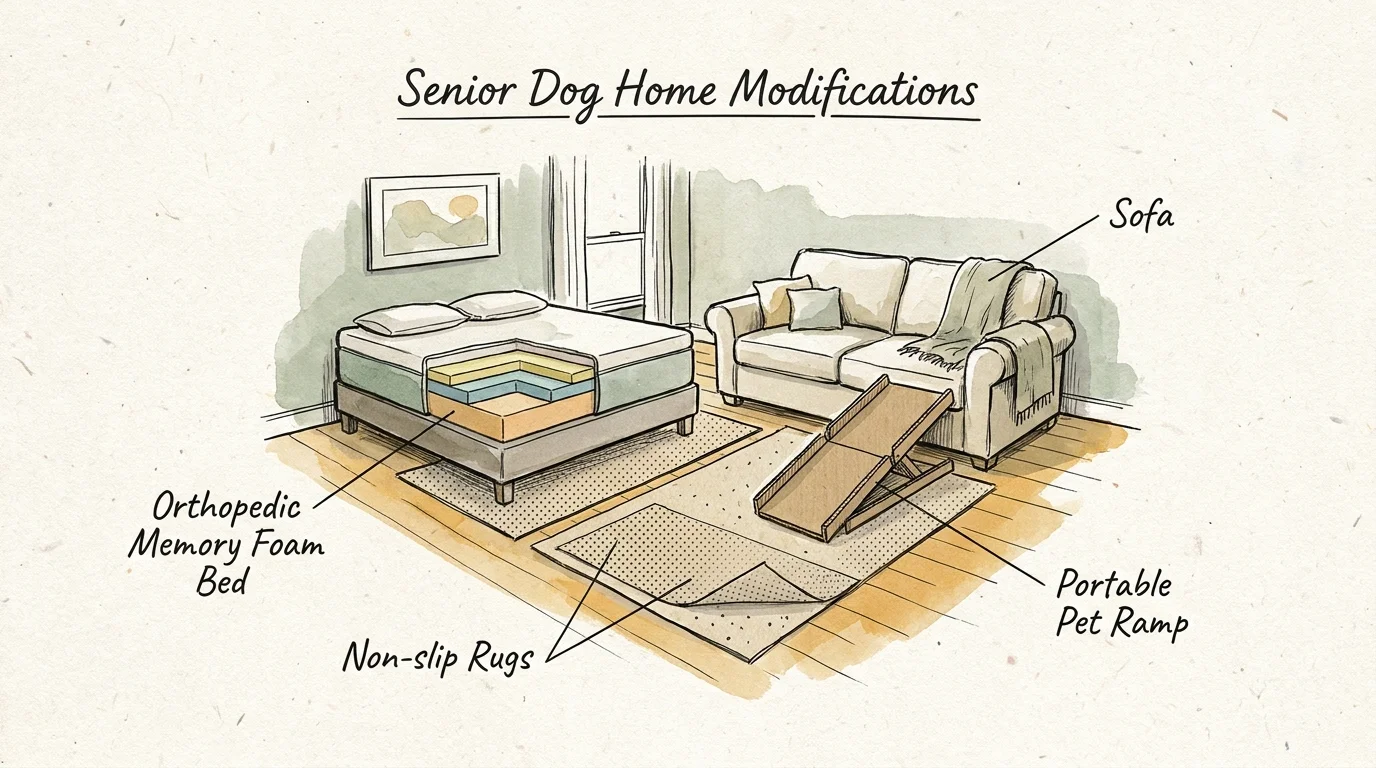
Addressing these mobility shifts requires thoughtful modifications to your home environment. Small adjustments make a monumental difference in your pet’s daily comfort and confidence.
- Provide traction: Lay down non-slip rugs or yoga mats on hardwood and tile floors to prevent slipping, which strains vulnerable joints.
- Use ramps and stairs: Introduce pet steps next to beds and couches, or use a portable ramp to help your dog get into your vehicle safely.
- Upgrade their bed: Swap out thin blankets for high-quality orthopedic memory foam beds. These beds distribute weight evenly and relieve pressure on aching joints.
- Adapt exercise routines: Do not stop walking your dog. Instead, transition from long, strenuous hikes to shorter, more frequent walks on flat surfaces. Continuous low-impact movement keeps joints lubricated and preserves muscle mass.
2. Shifts in Sleep Patterns
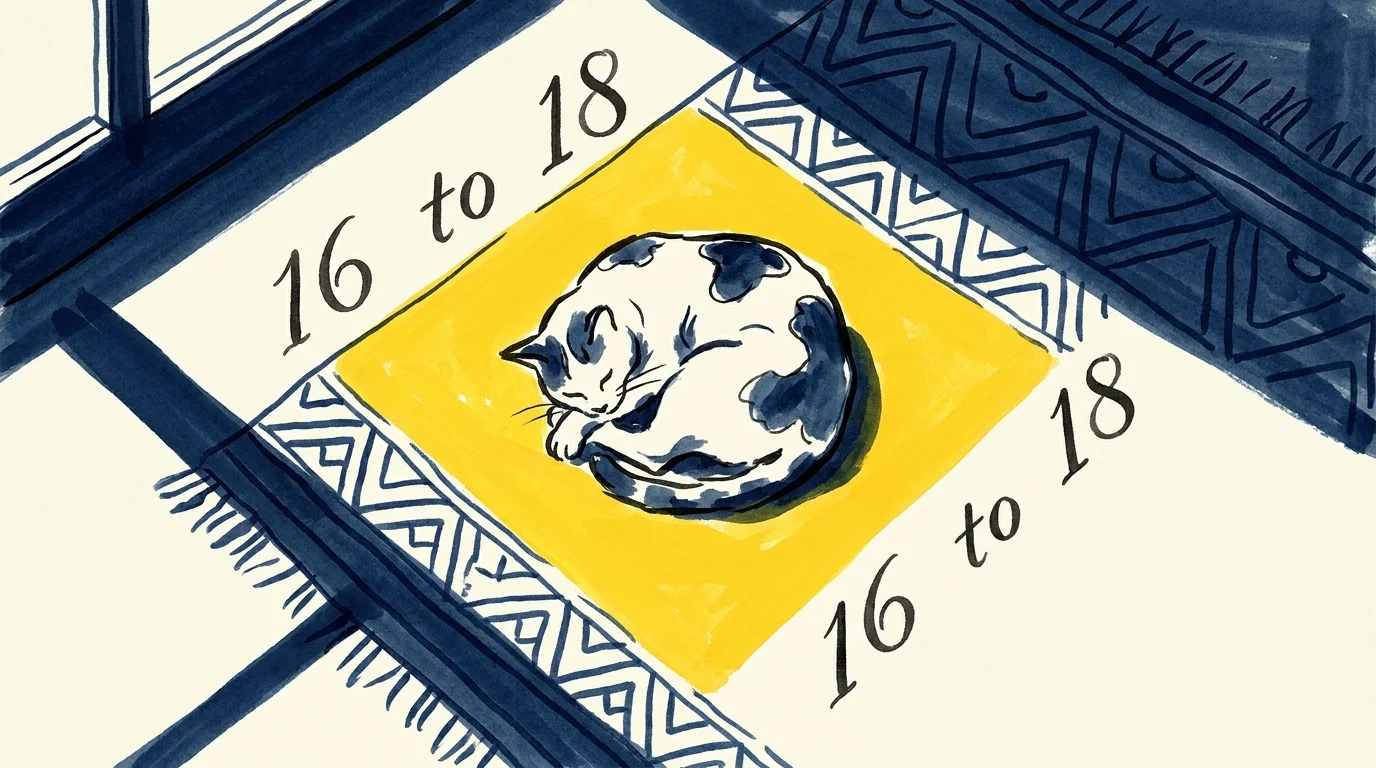
Senior pets dedicate a significant portion of their day to resting. While a healthy adult dog might sleep for 12 to 14 hours, a senior dog easily sleeps 16 to 18 hours daily. Older cats are equally prone to extended napping sessions. However, the quality of this sleep often changes. You might observe your pet sleeping incredibly deeply during the day—sometimes to the point where they do not hear you enter the room—yet pacing restlessly throughout the night.
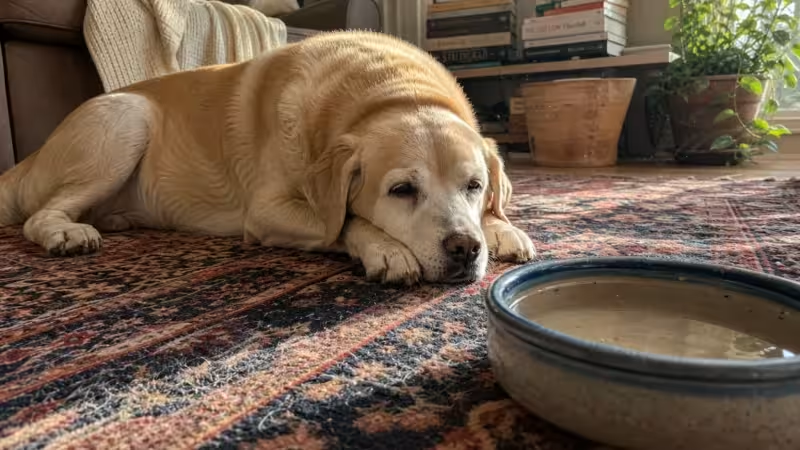
Monitoring their comfort levels by checking vital signs at home can help you identify if nighttime restlessness is related to pain or temperature shifts.
This disruption in their natural circadian rhythm happens for several reasons. Aching joints make it difficult to find a comfortable position, forcing them to wake up and readjust constantly. Additionally, aging pets struggle with temperature regulation, making them more sensitive to cold drafts or excessive heat.
To support healthy sleep patterns, create a designated, quiet resting sanctuary. Position their bed away from drafty doors, bustling family areas, and loud televisions. If your pet runs cold, consider adding a pet-safe heated pad with an automatic shut-off feature. Keep in mind that startling a deeply sleeping senior pet can cause disorientation or a defensive reaction; always use a gentle voice to wake them before initiating physical contact.
3. Vision and Hearing Loss
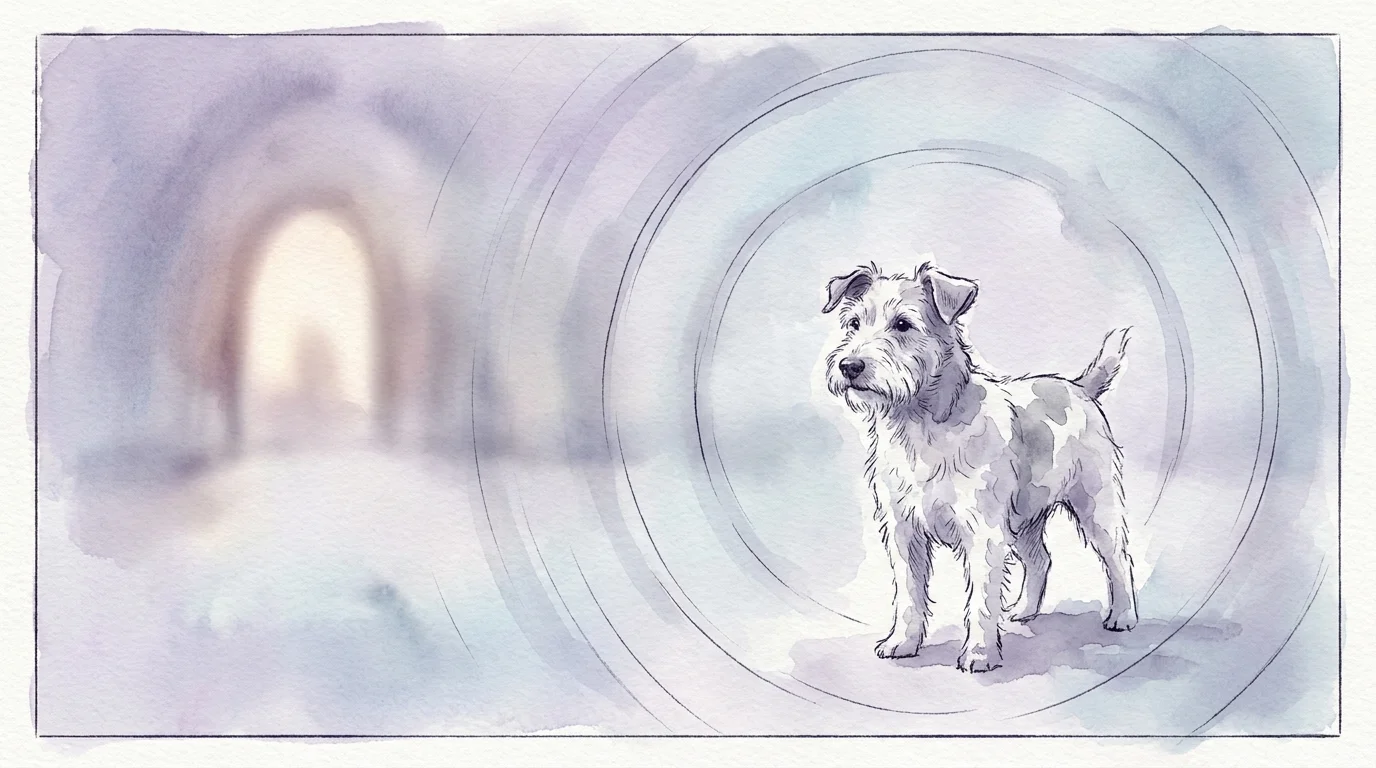
Sensory decline is a hallmark of the aging process. Many senior dogs develop a cloudy, bluish haze in the center of their eyes known as lenticular sclerosis. While this condition causes poor depth perception, it rarely causes total blindness. Conversely, actual cataracts—which appear completely opaque—will severely limit your pet’s vision and require veterinary intervention. Hearing loss also develops progressively. You might assume your pet is stubbornly ignoring your commands, only to realize they simply cannot hear your voice or the rattle of their food bowl anymore.
Veterinary experts at the ASPCA suggest making deliberate environmental adaptations to support pets experiencing sensory loss. Keeping their surroundings predictable prevents anxiety and potential injuries.
Practical strategies for sensory decline include:
- Maintain a static layout: Avoid rearranging your furniture. Blind or visually impaired pets memorize the floor plan of your home and navigate using spatial memory.
- Block hazards: Use baby gates to block access to steep staircases, swimming pools, or sharp drop-offs in the yard.
- Use sensory cues: If your pet is losing their hearing, stomp heavily on the floor before entering their line of sight; they will feel the vibrations and avoid being startled.
- Transition to hand signals: Pair your verbal cues with distinct hand signals while your pet still has some hearing. This ensures you can still communicate effectively if they become completely deaf.
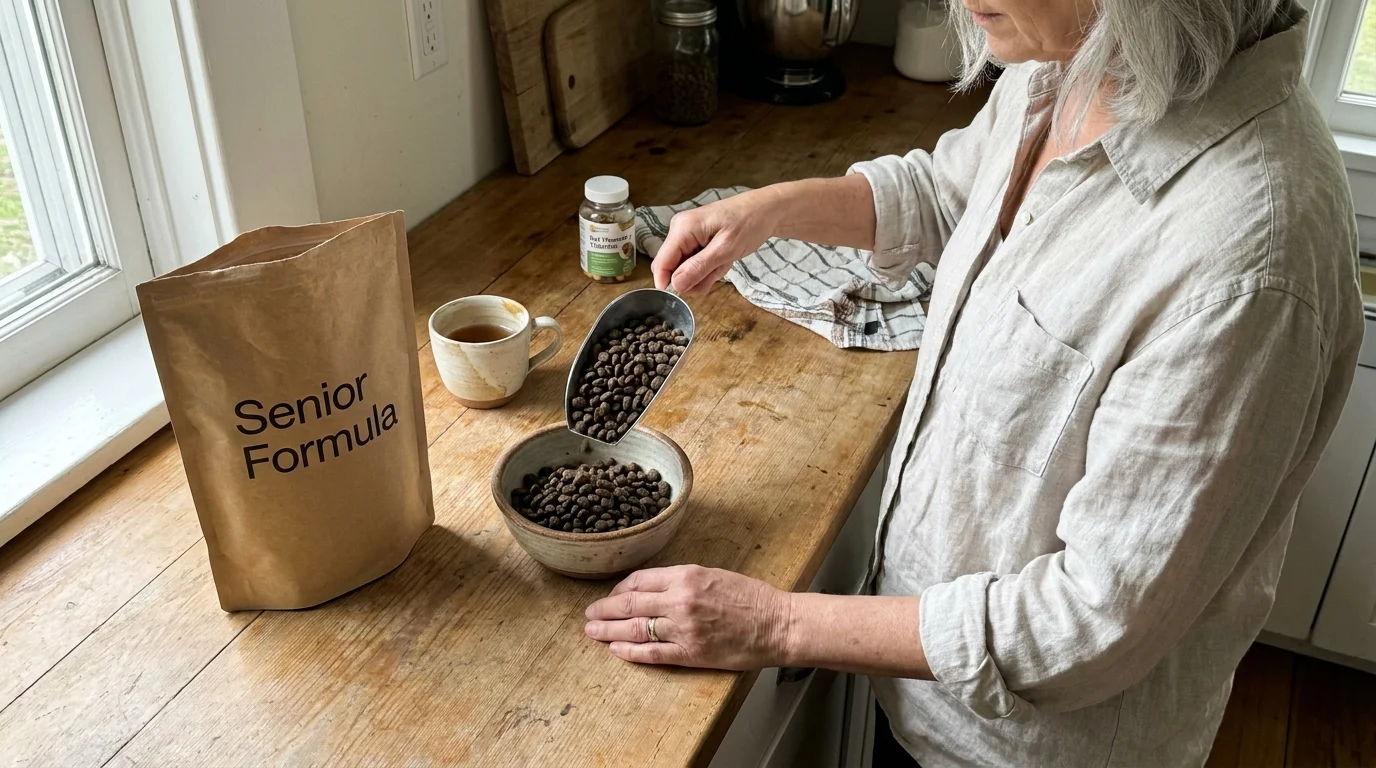
4. Weight Fluctuations and Dietary Needs
A pet’s metabolism slows down considerably as they age, triggering noticeable fluctuations in their weight. Without adjustments to their daily caloric intake, older dogs frequently gain excess weight. Obesity is incredibly dangerous for senior dogs, as carrying extra pounds exacerbates joint pain, increases the risk of diabetes, and forces the heart to work harder. In stark contrast, senior cats frequently lose weight and muscle mass due to diminished nutrient absorption, undiagnosed kidney disease, or hyperthyroidism.
Tracking appetite and weight changes is one of the most essential daily care tasks for ensuring your senior pet remains stable.
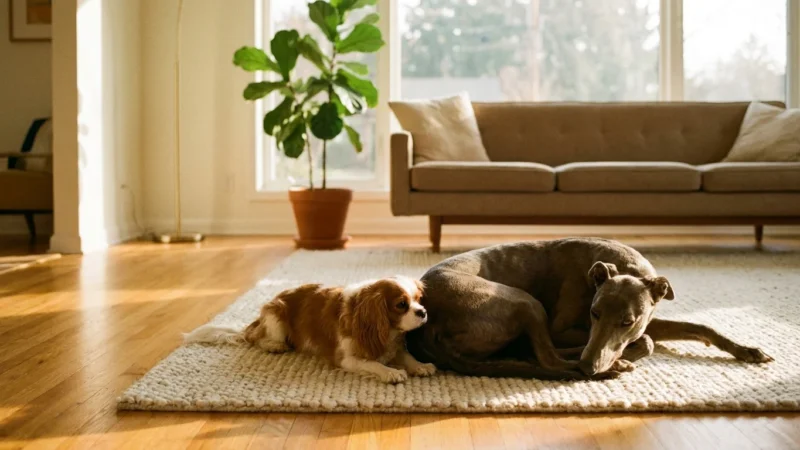
It is also essential to understand how senior cat care needs differ from those of dogs when it comes to metabolic changes.
Because nutritional requirements shift dramatically, transitioning your companion to a life-stage-appropriate diet is critical. Always consult your veterinarian before changing your pet’s food to rule out underlying illnesses that might be causing weight changes.
| Dietary Focus | Senior Dogs | Senior Cats |
|---|---|---|
| Caloric Needs | Generally require fewer calories to prevent obesity as activity levels decrease. | Often require highly digestible, calorie-dense foods to combat age-related weight loss. |
| Protein Levels | Moderate, high-quality protein to maintain muscle mass without overtaxing kidneys. | High-quality, easily digestible protein; cats are obligate carnivores and need robust protein support. |
| Supplements | Omega-3 fatty acids, glucosamine, and chondroitin for joint and cognitive health. | Moisture-rich diets (canned food) to support kidney function and hydration. |
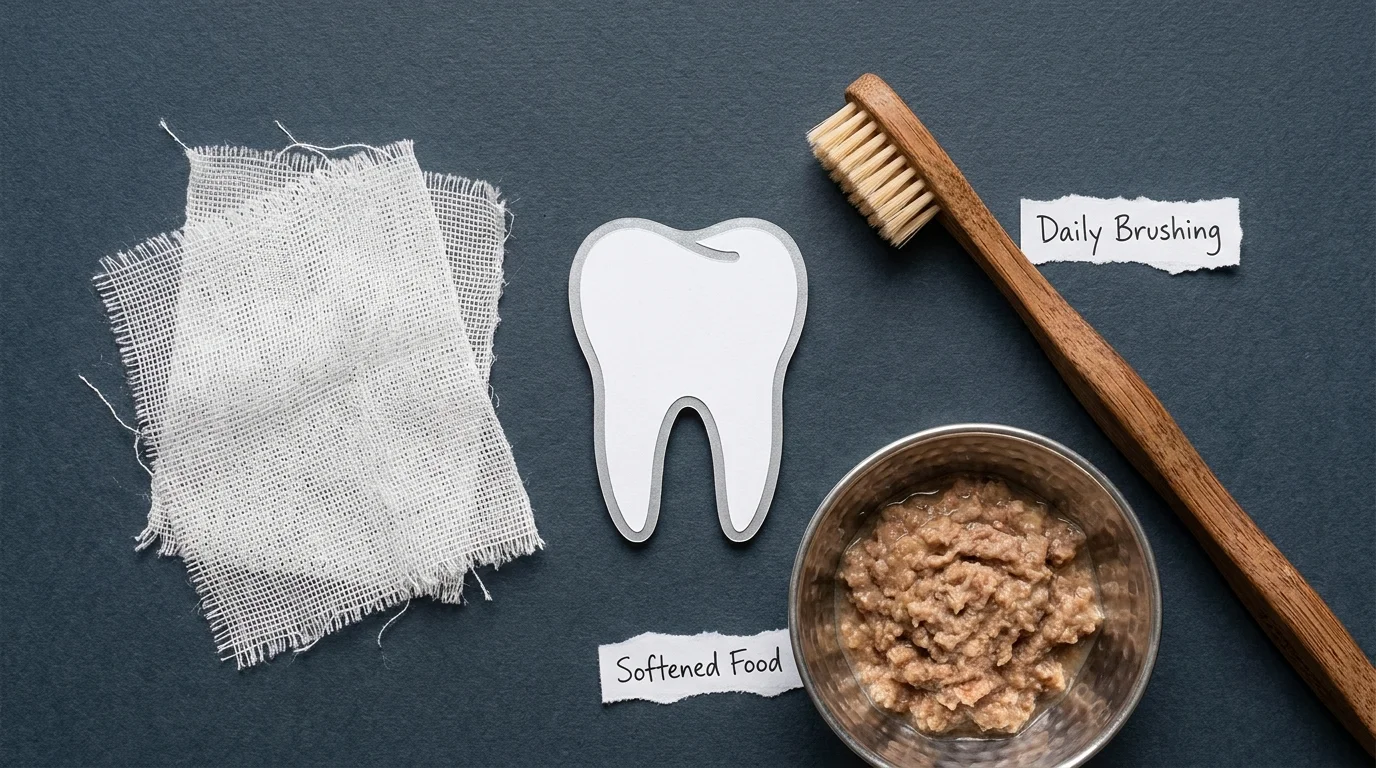
5. Dental Decay and Oral Health Issues
Oral health problems are overwhelmingly common in aging pets. Years of chewing, combined with gradual plaque and tartar buildup, frequently lead to periodontal disease. If you notice your pet dropping food from their mouth, drooling excessively, refusing to chew hard kibble, or exhibiting exceptionally foul breath, they are likely suffering from severe dental pain. Cats may also suffer from tooth resorption, a highly painful condition where the tooth structure breaks down from the inside out.
If your pet requires specialized oral surgery, finding a veterinarian you trust is paramount for their safety during anesthesia.
“Dental health is directly linked to systemic health. Chronic oral infections shower bacteria into the bloodstream, putting significant strain on a senior pet’s heart, liver, and kidneys.”
Routine veterinary dental cleanings remain necessary even in old age. However, you can manage day-to-day feeding by softening their dry kibble with warm water or sodium-free chicken broth. Switching entirely to canned, wet food also eliminates the painful pressure required to crack hard biscuits. Establish a gentle brushing routine at home using pet-safe toothpaste, focusing strictly on the outside surfaces of the teeth to remove daily plaque.
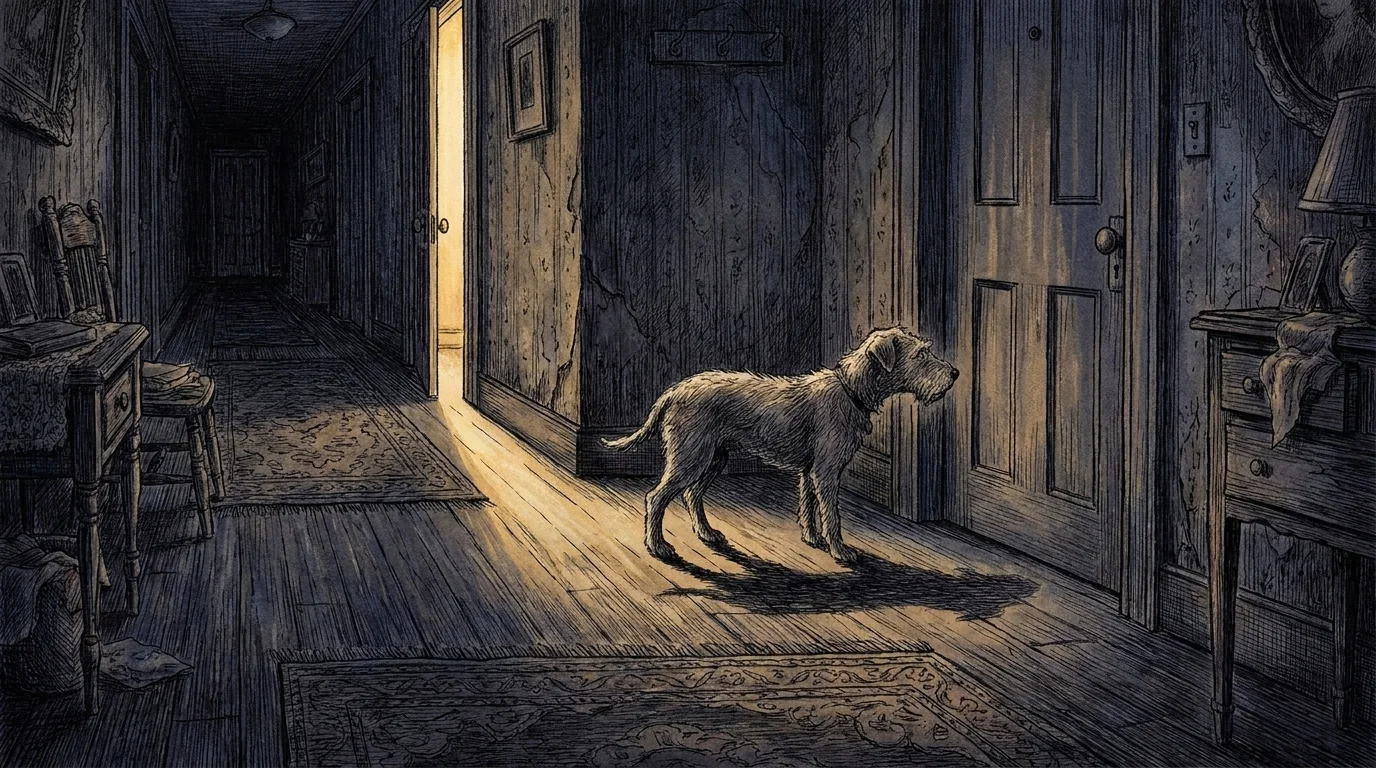
6. Cognitive Decline and Behavioral Shifts
Just as humans suffer from Alzheimer’s disease, older dogs and cats can develop Cognitive Dysfunction Syndrome (CDS). This neurobehavioral disorder causes a decline in cognitive function, memory, and learning. The symptoms manifest in ways that are deeply confusing for pet owners. Your once-spry companion might pace aimlessly, stare blankly at walls, get trapped behind furniture, or suddenly forget their house training.
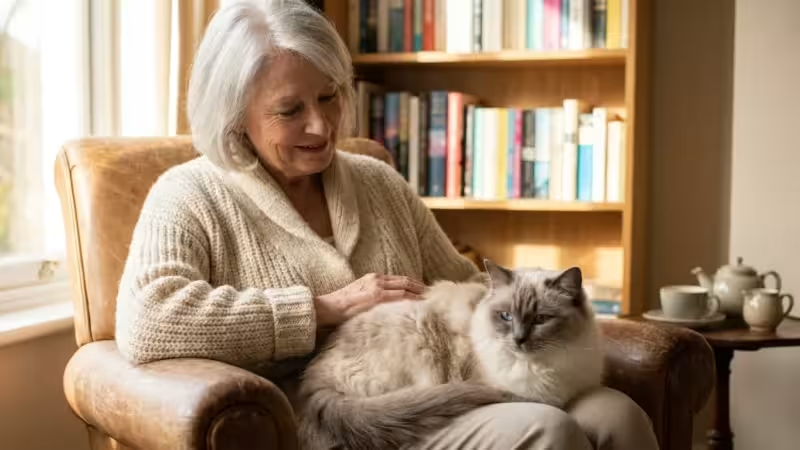
Despite these cognitive shifts, observing how your cat stays happy and healthy through play and affection can guide your care choices.
Nighttime vocalization is especially common in cats with CDS, leading to loud, mournful yowling in the early hours of the morning. Dogs might develop intense separation anxiety despite being independent their entire lives.
While there is no cure for CDS, you can slow its progression through structured mental enrichment and a predictable daily routine. Introduce interactive puzzle feeders to keep their brain engaged during meal times. Practice basic obedience cues for brief, five-minute sessions using high-value treats to build their confidence. Discuss therapeutic options with your veterinarian; specific diets fortified with antioxidants and prescription medications can significantly improve your pet’s cognitive clarity and quality of life.
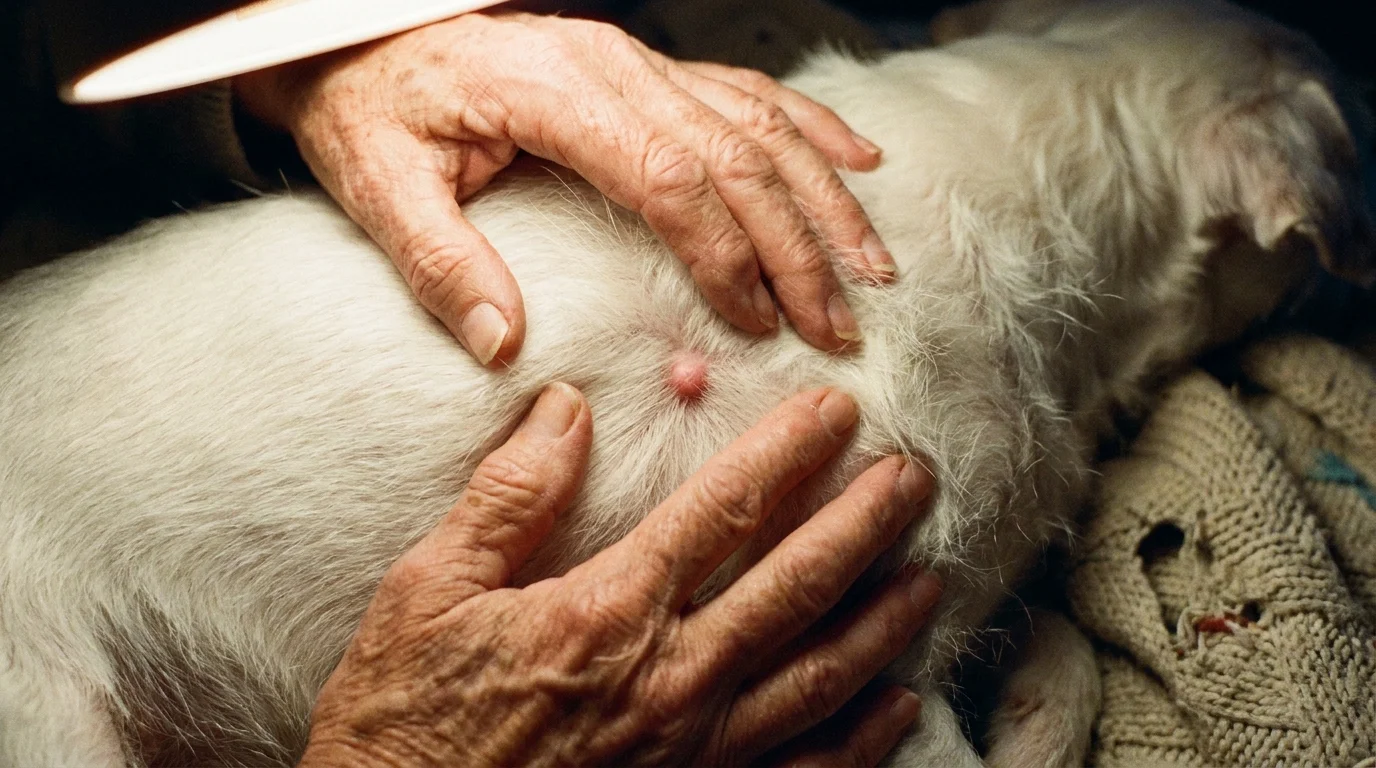
7. Lumps, Bumps, and Skin Changes
As you pet your senior companion, your hands will likely discover new lumps and bumps hiding beneath their fur. The skin naturally loses elasticity, and the coat may thin out, become dry, or turn gray, particularly around the muzzle and eyes. The most common growths are lipomas—harmless, fatty tumors that feel soft and move freely under the skin. Sebaceous cysts and harmless aging warts are also frequent discoveries.
However, it is impossible to distinguish between a benign cyst and a malignant tumor simply by touching it. According to the American Veterinary Medical Association (AVMA), any new mass should be evaluated by a veterinarian, as early detection of skin cancer vastly improves the prognosis.
Implement a monthly at-home massage routine to monitor their skin. Keep a small journal or a body map diagram noting the location, size, and texture of each bump. If a mass grows rapidly, changes color, feels hard and immovable, or begins to weep fluid, schedule a veterinary appointment immediately.
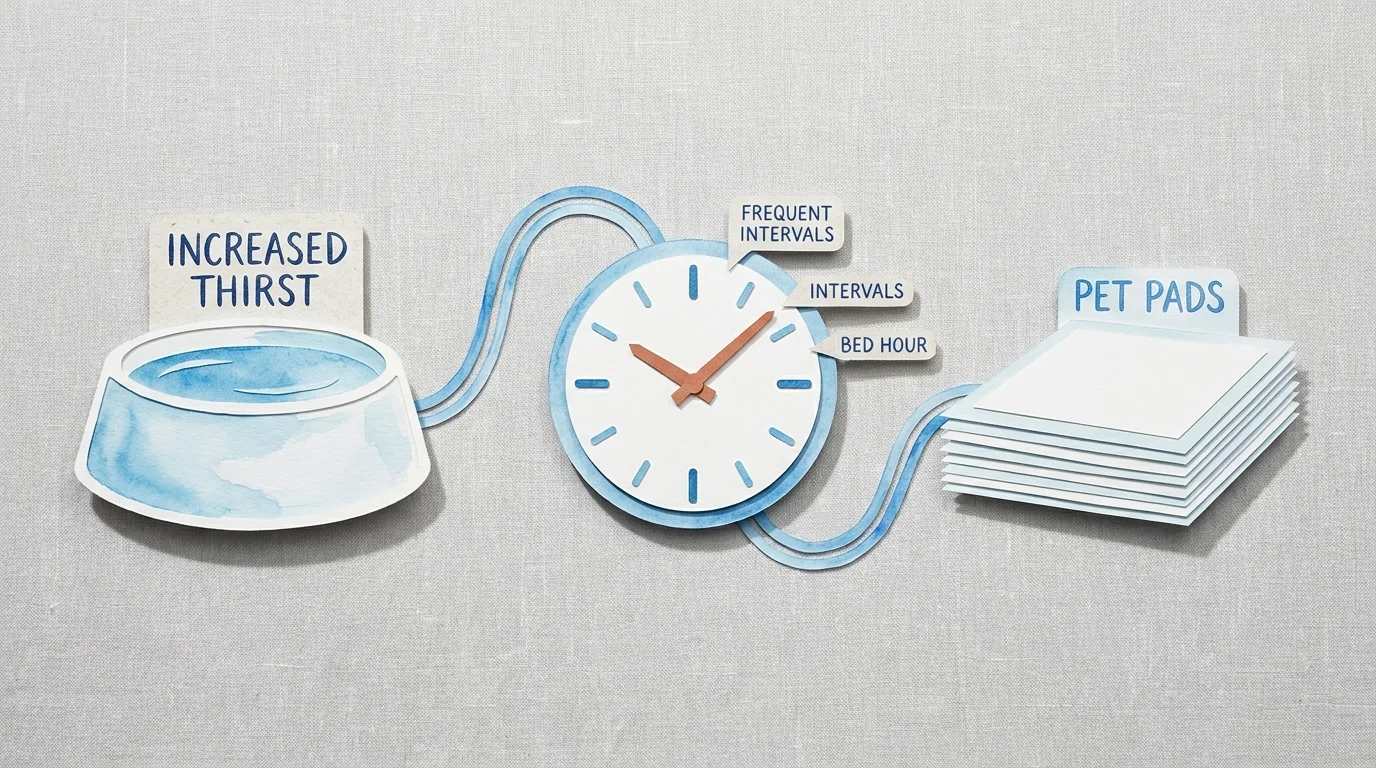
8. Increased Thirst and Bathroom Accidents
Finding a puddle on the floor from a previously perfectly house-trained pet triggers frustration, but punishment is never the answer. Bathroom accidents in senior pets stem entirely from physical failure or underlying disease, never from spite.
Increased thirst (polydipsia) and increased urination (polyuria) are classic indicators of systemic issues. In cats, this is frequently the first sign of chronic kidney disease or hyperthyroidism. In dogs, excessive drinking points toward diabetes, kidney failure, or Cushing’s disease. Additionally, spayed female dogs often develop urethral sphincter incontinence, causing them to leak urine involuntarily while they sleep.
Never restrict your pet’s access to fresh water in an attempt to prevent accidents; doing so leads to severe dehydration. Instead, adapt your home to support their changing bladder capacity. Take your dog outside for potty breaks more frequently, especially right before bedtime and immediately upon waking. Place washable, waterproof pee pads near the doors. For senior cats, provide multiple low-entry litter boxes on every floor of the house so they do not have to climb stairs when the urge strikes.
9. Changing Grooming Habits and Coat Condition
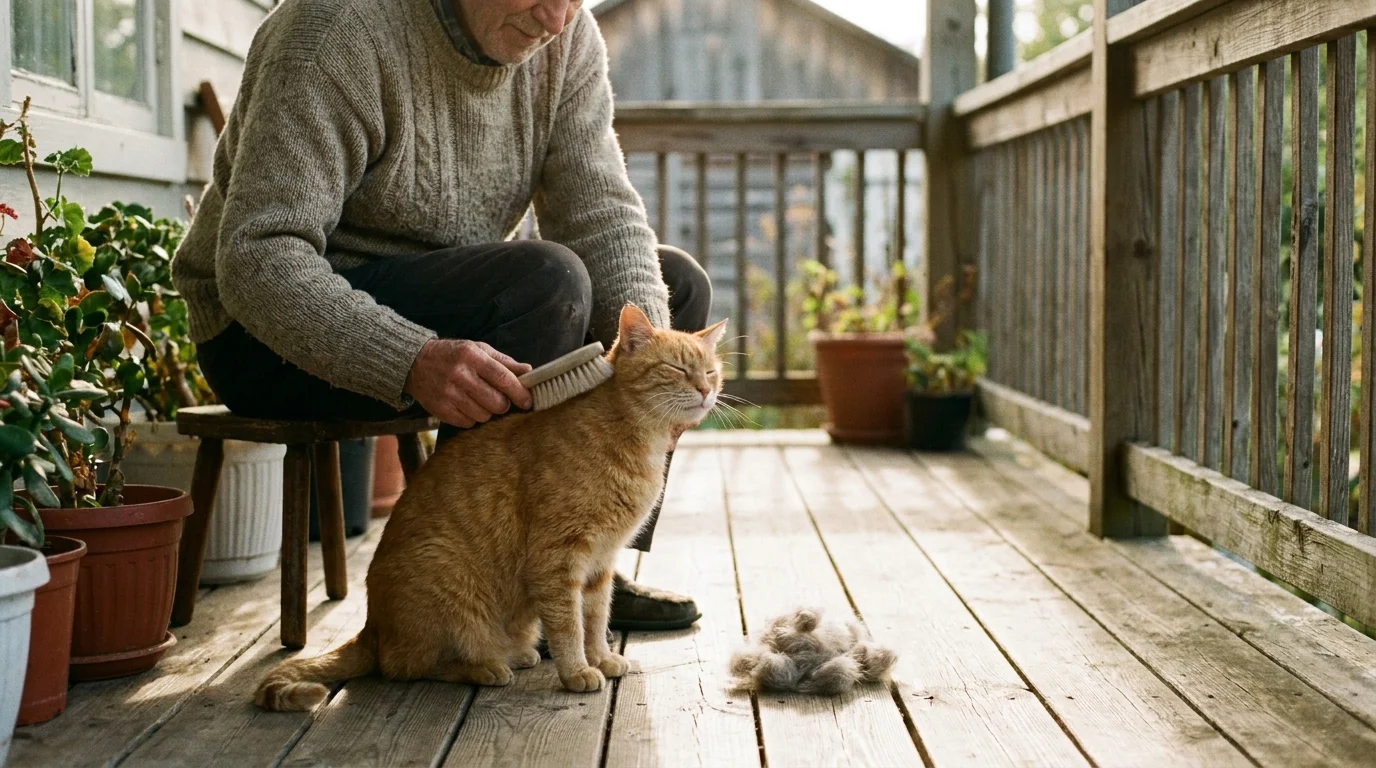
Cats are notoriously fastidious groomers, but aging changes this dynamic completely. Spinal arthritis makes it incredibly painful for an older cat to twist and reach their mid-back or hindquarters. Consequently, you will begin to notice thick mats of fur developing along their spine or back legs. Their coat may lose its natural shine, appearing greasy or unkempt.
Dogs, meanwhile, experience changes in their paws. Because they walk less and spend more time on soft surfaces, their nails do not wear down naturally. Overgrown, brittle nails alter the angle of your dog’s foot, causing immense pain when walking and exacerbating arthritis symptoms.
You must step in and assist with their grooming routine. Brush your senior pet daily using a soft-bristled brush or a grooming mitt. This gentle contact not only prevents painful matting but also stimulates blood flow to the skin and distributes natural oils. Check their paws weekly. If you hear their nails clicking on the hardwood floor, it is time for a trim. If you feel uncomfortable clipping the nails yourself, schedule frequent, short appointments with a professional groomer or veterinary technician.
Frequently Asked Questions
At what age is my pet considered a senior?
The transition to senior status depends heavily on species and breed size. Giant dog breeds (like Great Danes) age faster and are generally considered seniors by age 5 or 6. Medium dogs enter their senior years around age 7 or 8. Small dog breeds and cats tend to live longer, usually earning their senior title between 9 and 10 years of age.
How often should a senior pet visit the veterinarian?
Once your pet becomes a senior, you should shift from annual check-ups to bi-annual (twice a year) veterinary visits. Health conditions escalate rapidly in older animals. According to Cornell University College of Veterinary Medicine, routine senior blood panels and urinalysis help catch diseases like kidney failure or diabetes in their earliest, most manageable stages.
Is it safe to put a senior pet under anesthesia for dental work?
Age itself is not a disease, and anesthesia can be remarkably safe for older pets when proper protocols are followed. Before any procedure, your veterinarian will run comprehensive bloodwork and potentially chest X-rays to evaluate liver, kidney, and heart function. If their organs are healthy, the immense benefits of removing painful, infected teeth far outweigh the carefully managed risks of anesthesia.
How can I tell if my senior pet is in pain?
Animals mask pain instinctively to avoid appearing vulnerable. Look for subtle behavioral changes rather than overt crying. Signs of pain include panting while resting, sudden aggression when touched, lip-licking, hiding under furniture, a hunched posture, loss of appetite, or an absolute refusal to engage in activities they previously loved.
For expert pet care guidance, visit
American Animal Hospital Association (AAHA), Association of Professional Dog Trainers (APDT) and Certification Council for Professional Dog Trainers (CCPDT).
Disclaimer: This article is for informational purposes only and is not a substitute for professional veterinary advice, diagnosis, or treatment. Always consult with a licensed veterinarian for medical concerns about your pet.


Leave a Reply