
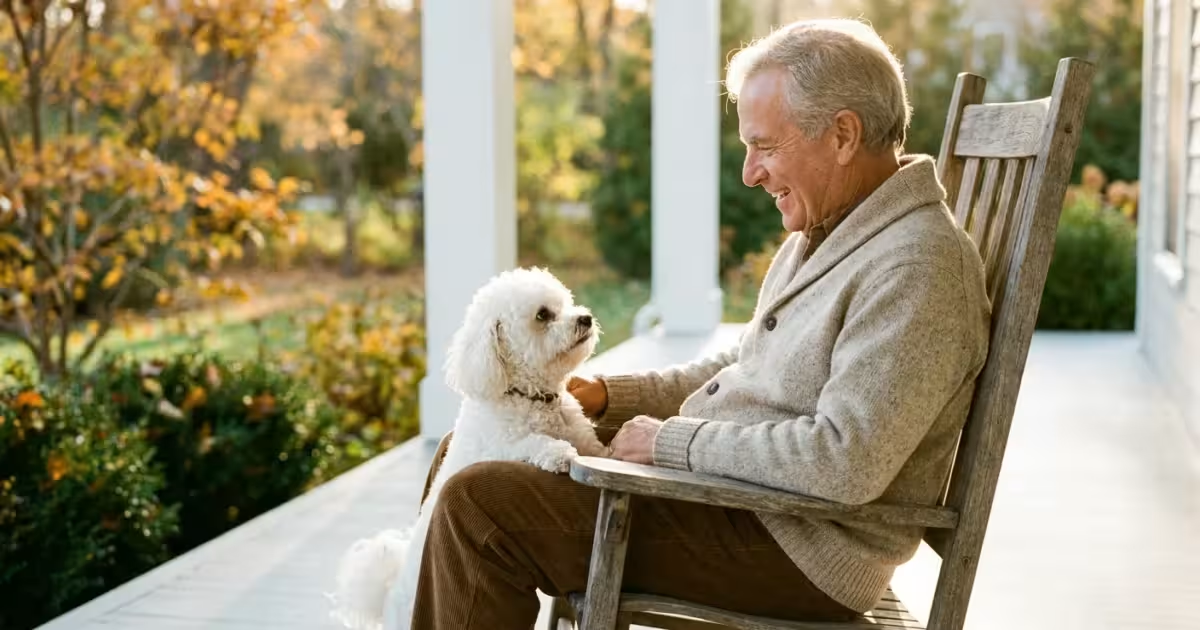
Finding the right canine companion during your retirement years brings profound joy, but constant vacuuming and intense exercise demands quickly turn that joy into a chore. If you want the physical and emotional benefits of dog ownership without dealing with tumbleweeds of fur rolling across your living room, selecting a low-shedding breed with a manageable energy level changes everything. These highly adaptable, low-dander companions protect your indoor air quality while reducing your daily household workload. Choosing a dog that matches your current lifestyle and mobility ensures a peaceful, loving partnership. Here is a curated list of eight wonderful low-shedding breeds perfectly suited for seniors, alongside practical advice on grooming, temperament, and integrating a new furry friend into your home.
Additionally, staying informed about senior pet health will help you recognize subtle changes in your new companion as they age.
Many retirees find that choosing the best pets for seniors living alone helps combat isolation and provides a renewed sense of purpose.
The Health And Lifestyle Benefits Of Low-Shedding Companions
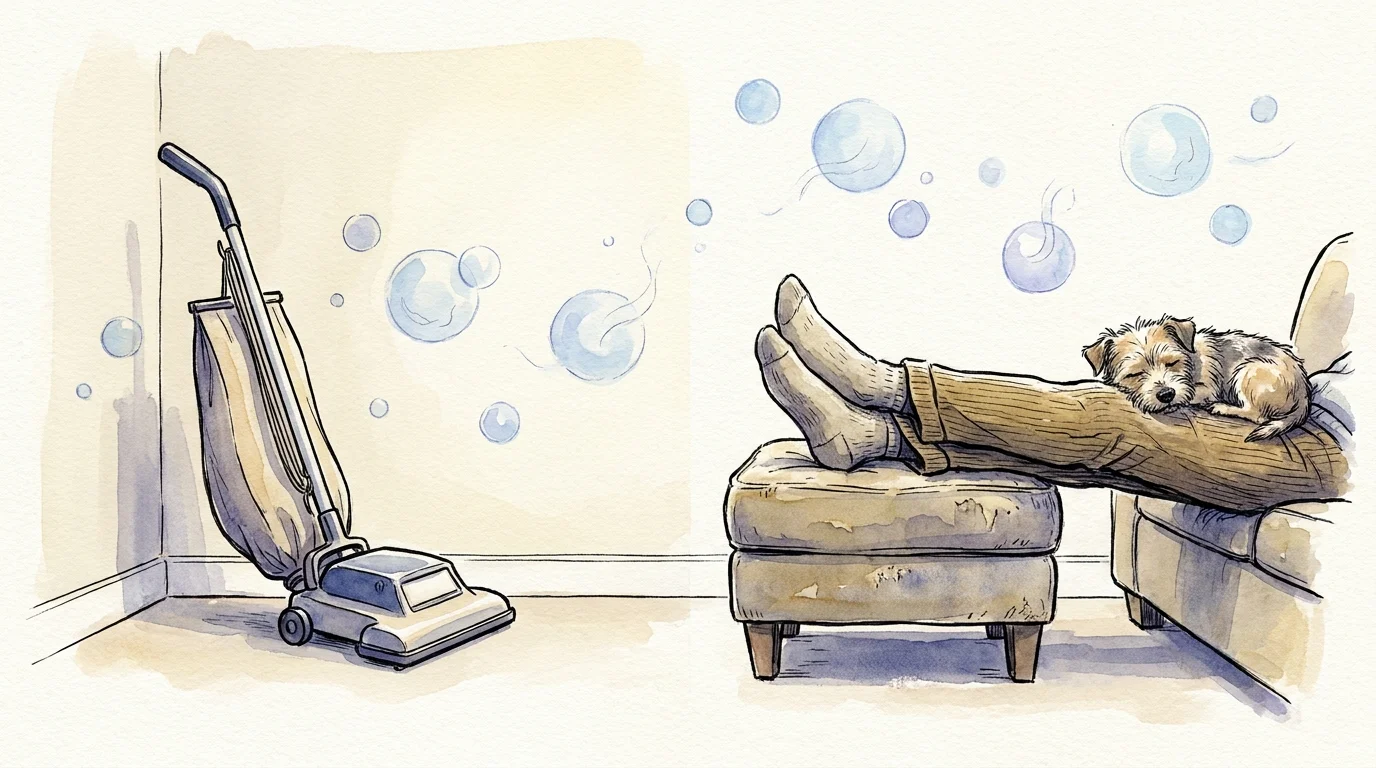
Bringing a dog into your life offers tremendous emotional and physical rewards, especially during retirement when your daily routine allows for dedicated companionship. However, managing pet hair is a significant concern for many prospective dog owners. Dogs that shed heavily leave fur on furniture, clothing, and floors, requiring daily sweeping and vacuuming. For older adults, this constant physical labor can become exhausting and increase the risk of overexertion or falls.
Understanding how to maintain these unique coats is essential to avoid common dog grooming mistakes that can lead to skin irritation.
Low-shedding dogs possess a different coat structure than their heavy-shedding counterparts; instead of fur that falls out and replenishes constantly, they have hair that grows continuously, much like human hair. This dramatically reduces the amount of loose hair floating around your home. Beyond minimizing household chores, low-shedding breeds are often an excellent choice for individuals with mild to moderate allergies. While no dog is entirely hypoallergenic—all dogs produce dander, saliva, and urine, which carry allergens—dogs that shed less release fewer of these irritants into the environment.
Furthermore, maintaining a clean environment supports your own respiratory health. According to the American Veterinary Medical Association (AVMA), the human-animal bond provides scientifically proven health benefits, including lowered blood pressure, reduced stress levels, and decreased feelings of loneliness. By choosing a breed that does not blanket your home in fur, you ensure that the joys of pet ownership easily outweigh the physical demands of household maintenance, allowing you to focus entirely on the loving relationship you share with your dog.
What Makes A Dog Breed Ideal For Older Adults?
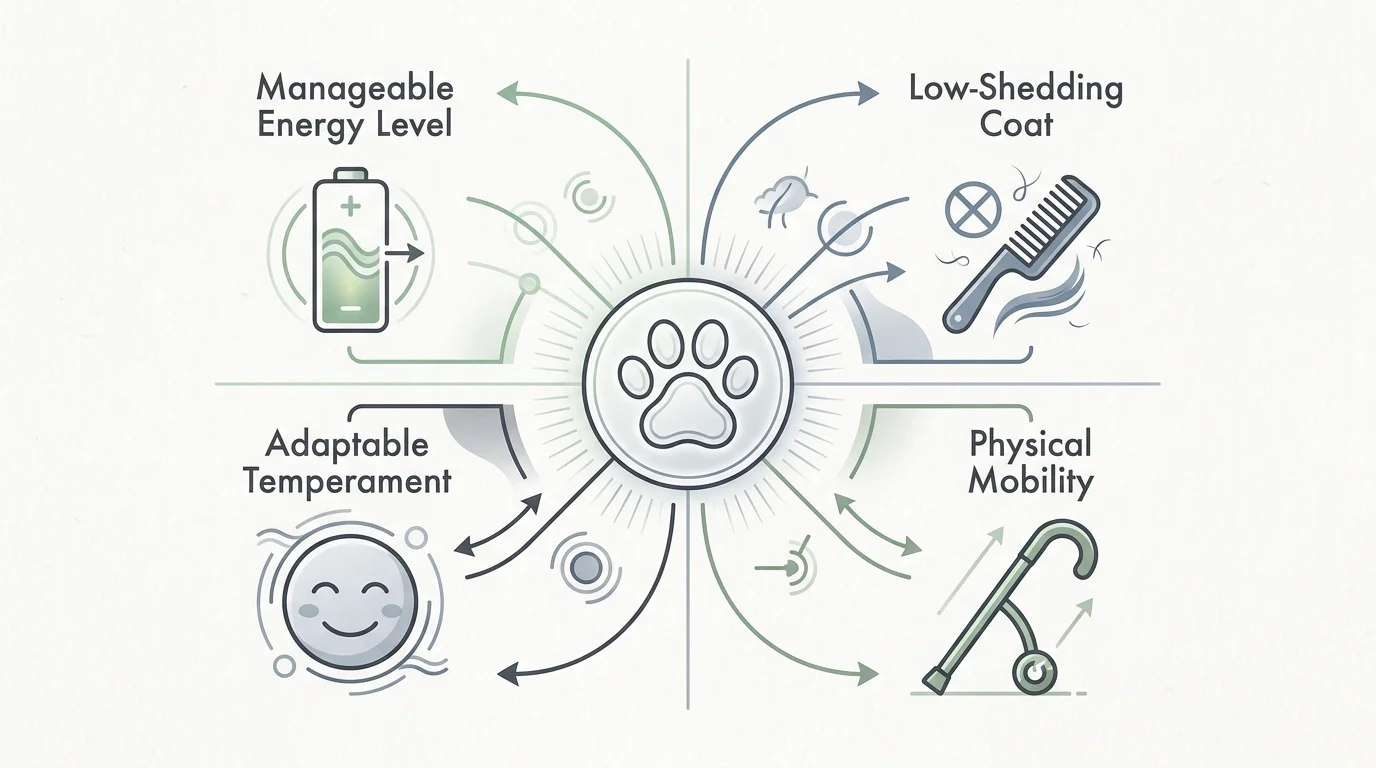
While low shedding is an excellent starting point, not every low-shedding dog fits comfortably into a senior’s lifestyle. When evaluating potential breeds, you must look beyond the coat and consider size, energy level, and natural temperament.
Many of these manageable dogs are also ranked among the best dog breeds for first-time owners due to their gentle dispositions.
As your new companion ages, you should also be prepared for adjusting your routine for senior dogs to ensure they remain comfortable and healthy.
Size is often the most critical factor. Large dogs, even well-trained ones, can accidentally knock an adult over during an enthusiastic greeting or cause a serious fall if they pull unexpectedly on a leash. Smaller dogs, typically weighing under 25 pounds, are much easier to manage physically. You can pick them up when necessary, transport them easily to the veterinarian in a standard carrier, and comfortably hold them on your lap. They also require less living space, making them ideal for condos, apartments, or smaller retirement homes.
Energy levels must also align with your physical mobility. While working breeds demand rigorous runs and intense mental stimulation to prevent destructive behavior, companion breeds usually thrive on a few short, leisurely daily walks paired with interactive indoor playtime. According to the American Kennel Club (AKC), matching a dog’s natural energy level and purpose to your daily routine is the single most important factor in a successful adoption. If you enjoy relaxed afternoons reading or watching television, a breed designed for companionship will happily join you, whereas an active terrier might pace the floor.
Finally, consider the financial aspect of pet ownership. Small, low-shedding dogs eat less food, which lowers your monthly grocery bill. However, what you save on food and lint rollers, you will likely spend on professional grooming. Factoring these predictable costs into a fixed retirement budget ensures your pet receives excellent care without causing financial strain.
1. The Poodle: Intelligent And Highly Trainable
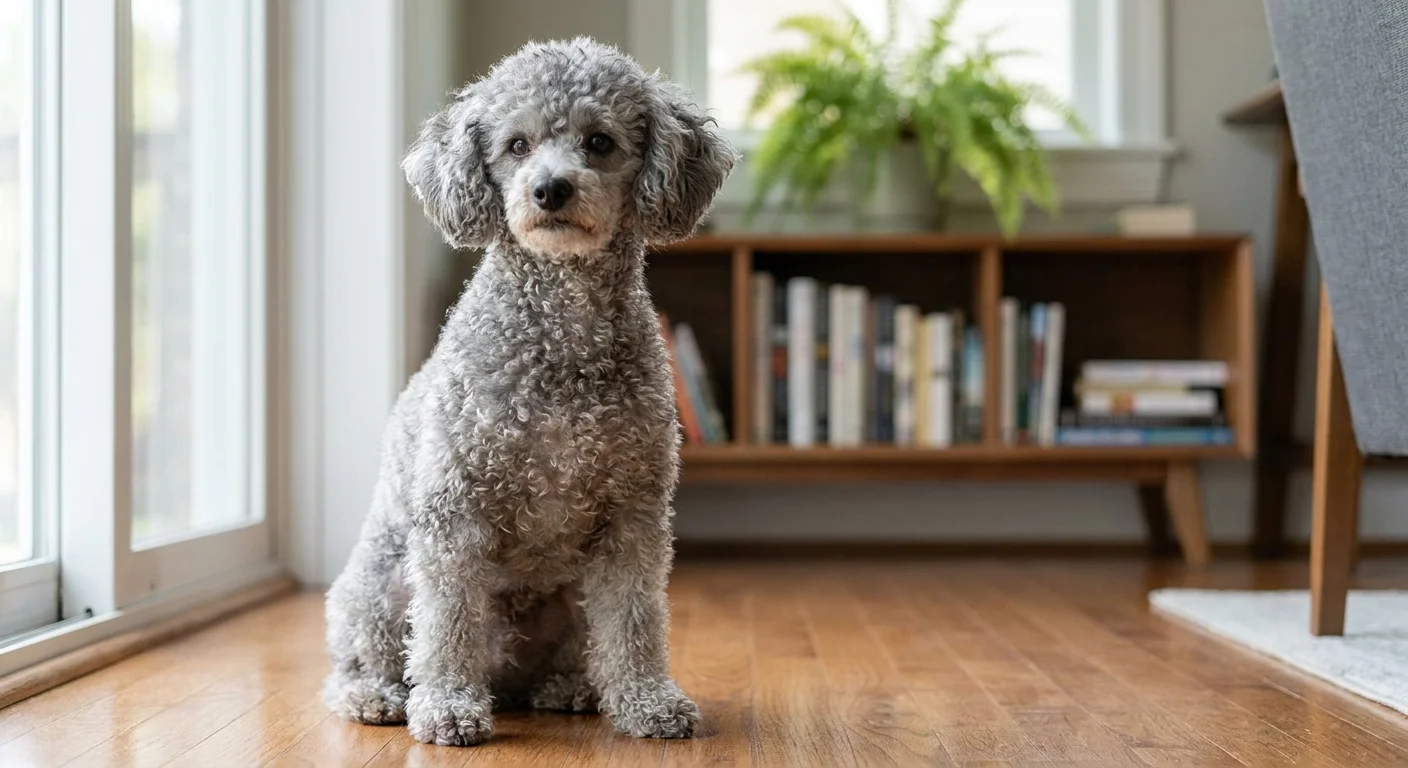
The Poodle consistently ranks as one of the best low-shedding breeds available, and for good reason. Available in three sizes—Toy, Miniature, and Standard—the Toy and Miniature varieties are particularly well-suited for older adults due to their manageable size. Poodles possess a single layer of dense, curly hair that traps dander and dead hair rather than dropping it on your floor.
Incorporating essential daily dog care tasks into your routine will help keep your Poodle healthy and engaged.
Beyond their physical traits, Poodles are fiercely intelligent and deeply devoted to their owners. They learn commands rapidly and are highly sensitive to their owner’s moods and routines. This intelligence makes them incredibly easy to train, reducing the frustration often associated with teaching house manners or leash walking. Because they form strong attachments, they make excellent emotional support animals.
However, that sharp mind requires regular engagement. A bored Poodle will find ways to entertain itself, which might include nuisance barking. Providing interactive puzzle toys and teaching them simple tricks will keep their minds sharp and their behavior calm. Because their hair continuously grows and mats easily, they require daily brushing and professional clipping every four to six weeks to keep their coat manageable.
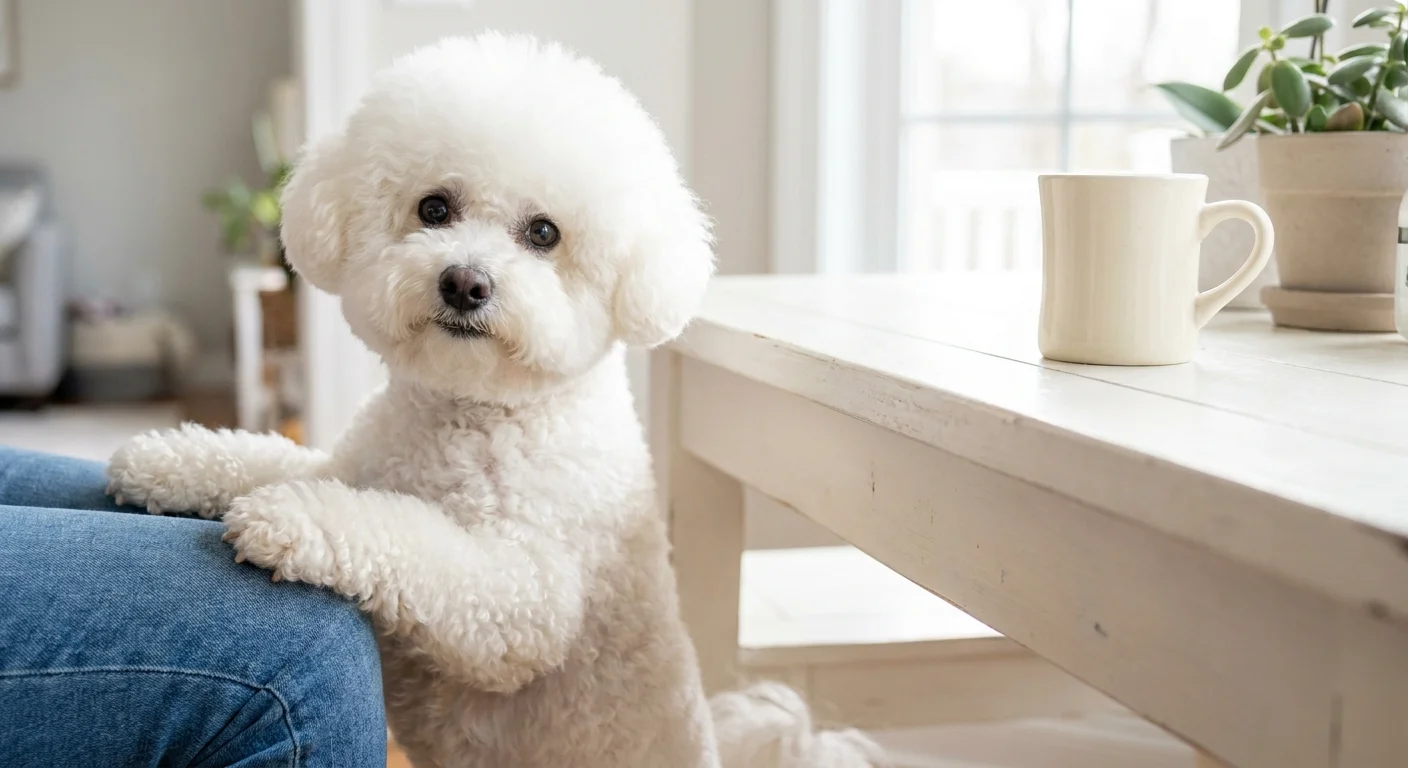
2. The Bichon Frise: Cheerful And Affectionate
With their powder-puff appearance and perpetually cheerful disposition, the Bichon Frise is an outstanding companion for seniors. Weighing between 12 and 18 pounds, they are sturdy enough to handle daily walks but small enough to lift easily. The Bichon possesses a plush, velvety double coat that barely sheds, making them a top recommendation for allergy sufferers.
Since their coats require diligent care, learning how to create a dog grooming schedule can make the process more manageable.
The defining characteristic of the Bichon Frise is their unshakeable affection. They were bred specifically to be companions and entertainers, meaning they are happiest when they are the center of your attention. They are typically polite with strangers and adaptable to various living situations, thriving equally well in a bustling neighborhood or a quiet apartment.
Their exercise needs are quite modest; a short daily walk and a brief indoor play session are usually sufficient to burn off their energy. However, like the Poodle, their coat requires intense maintenance. Without daily brushing, their fine hair quickly tangles into painful mats. They are also prone to tear staining, so their eyes must be wiped gently each day to keep their faces clean and free from infection.
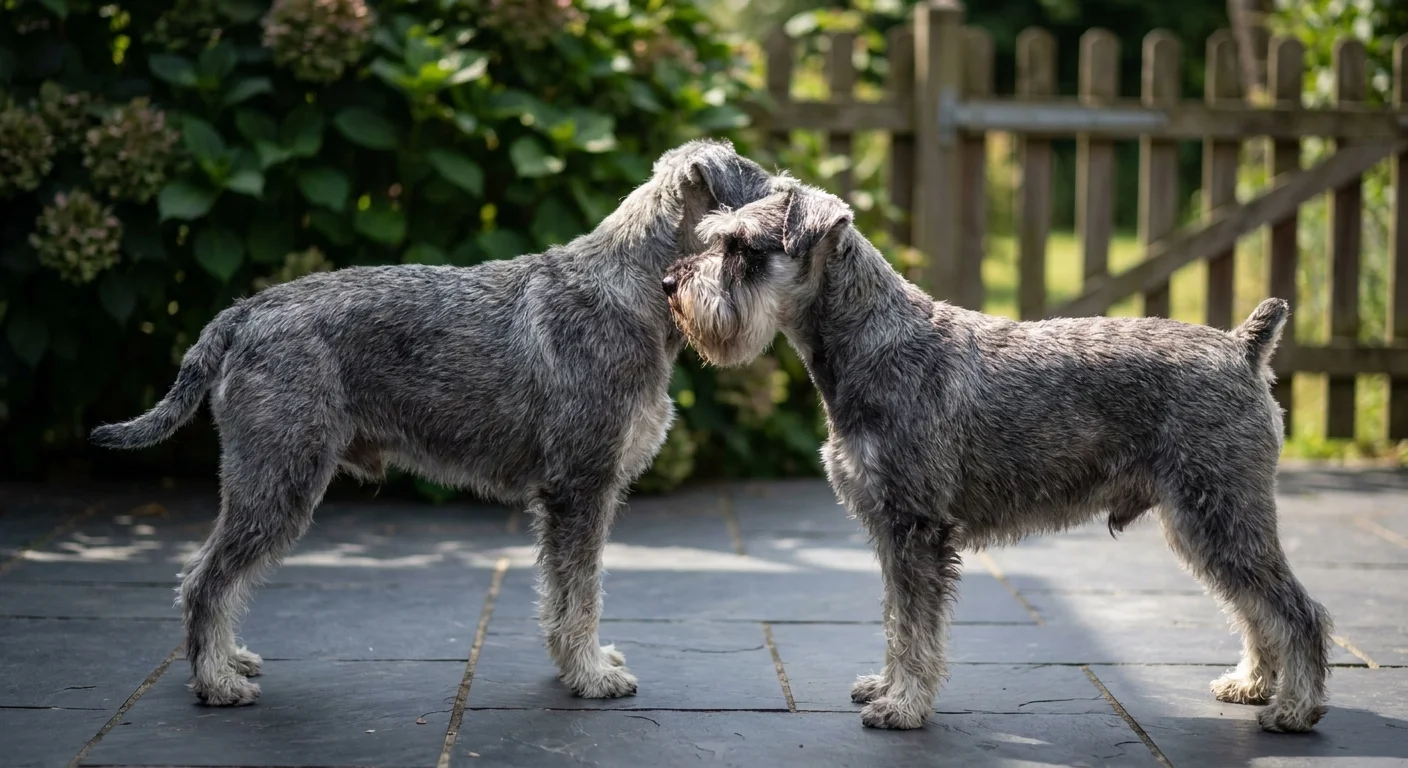
3. The Miniature Schnauzer: Loyal And Sturdy
If you prefer a dog with a more robust build and a distinctly spirited personality, the Miniature Schnauzer is an excellent candidate. Unlike delicate toy breeds, the Miniature Schnauzer feels solid and hardy, weighing between 11 and 20 pounds. They sport a wiry topcoat and a soft undercoat; when properly clipped or hand-stripped, they shed very little.
For active breeds like the Schnauzer, reviewing winter dog care essentials ensures they stay safe and warm during cold-weather walks.
Miniature Schnauzers are incredibly loyal and protective of their families. They make excellent, alert watchdogs, always ready to notify you when someone is at the door. While they are terriers, they generally lack the aggressive edge seen in some other terrier breeds, making them highly trainable and deeply loving with their owners. They do possess a strong prey drive, meaning they might chase squirrels on walks, so a sturdy leash is a necessity.
Because they are slightly more active than a pure lap dog, they are best suited for seniors who enjoy daily, moderate-paced walks. Their intelligence means they enjoy learning, and they respond exceptionally well to positive reinforcement. Their signature beard and leg furnishings require regular combing to prevent food and debris from getting tangled in the hair.
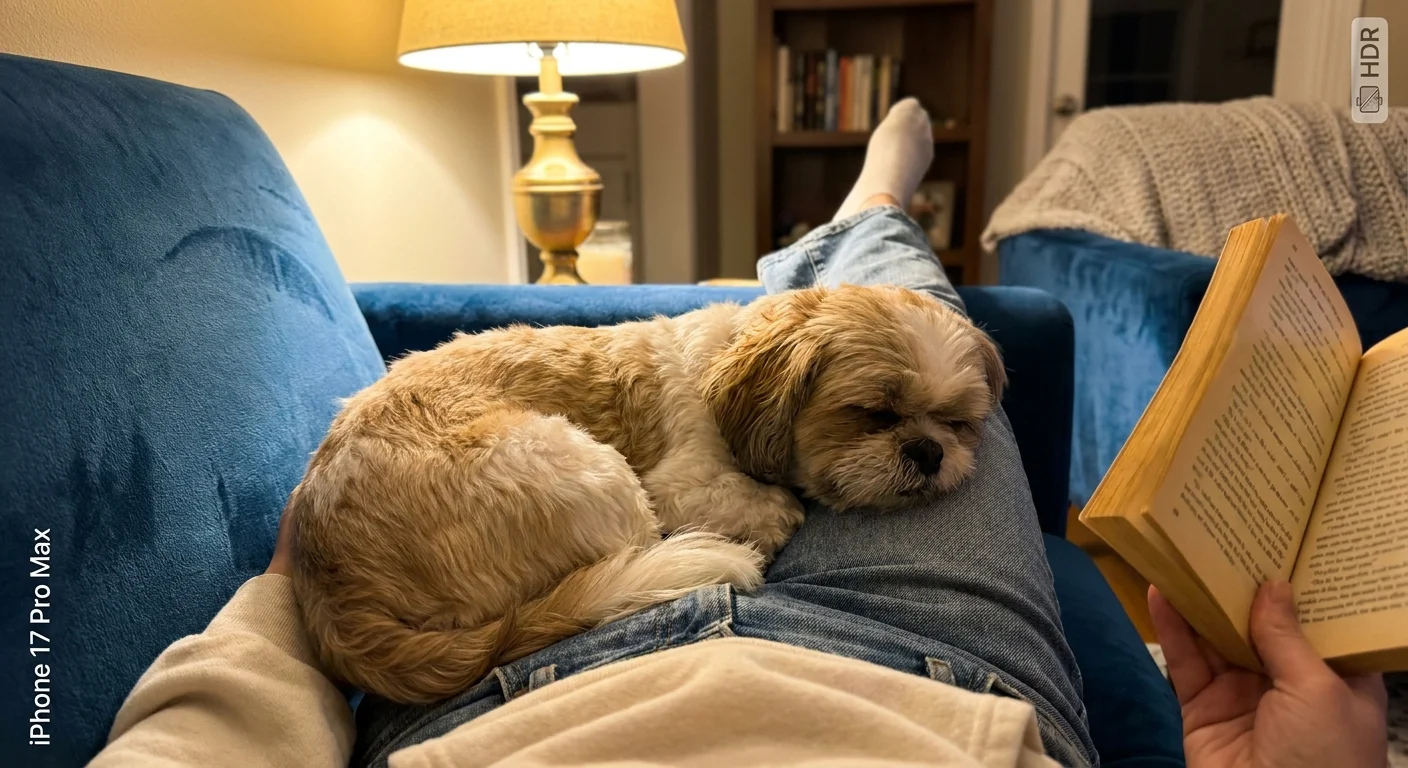
4. The Shih Tzu: The Ultimate Lap Companion
The Shih Tzu was bred centuries ago for one specific purpose: to sit on the laps of Chinese royalty. Today, they remain true to their heritage. If your ideal retirement involves a warm, affectionate dog resting beside you on the sofa for hours, the Shih Tzu is a near-perfect match. They typically weigh between 9 and 16 pounds, making them an ideal size for any living space.
Because they are such dedicated lap dogs, providing a selection of the best dog beds throughout your home gives them a comfortable place to nap nearby.
Beyond hair maintenance, knowing how often you should bathe your dog will help keep their low-shedding coat clean and odor-free.
Their long, flowing double coat sheds very little, but it requires substantial upkeep if kept in a traditional show cut. Most pet owners opt for a “puppy cut”—trimming the hair short all over the body—which dramatically reduces brushing time and keeps the dog comfortable. Even with a short cut, they require regular bathing and facial trims to keep hair out of their large, expressive eyes.
Because they are a brachycephalic (flat-faced) breed, they have a very low tolerance for heat and strenuous exercise. Short, slow walks in the cool hours of the morning or evening are sufficient. They are not suited for long hikes or hot climates. Their easygoing, deeply loving nature makes them a comforting presence for those seeking a tranquil, undemanding friend.
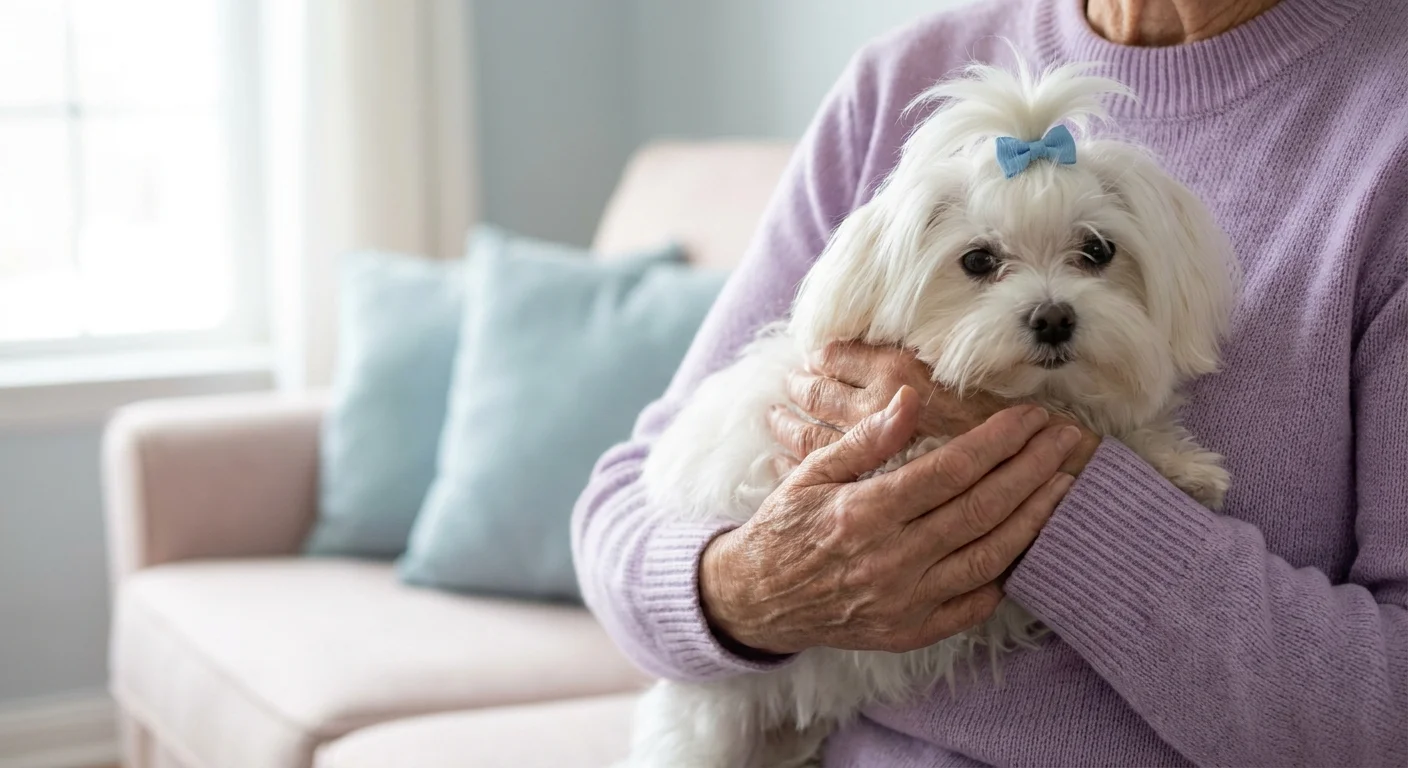
5. The Maltese: Gentle And Highly Portable
Weighing in at a mere 4 to 7 pounds, the Maltese is one of the smallest and most portable breeds available. Their pure white, silky, single-layer coat is practically shed-free. For older adults with severe mobility constraints or those who lack the physical strength to manage a larger dog, the tiny Maltese offers all the love of a dog in a very manageable package.
The Maltese is exceptionally gentle, trusting, and responsive. They form intense, devoted bonds with their owners and are perfectly content spending their days indoors as long as they are near you. Because of their fragile bone structure, they must be handled with care; they are best suited for quiet homes without boisterous young grandchildren running around.
Their exercise needs can often be met entirely through indoor play or a brief stroll around the block. The primary trade-off for their small size and low shedding is their grooming requirement. Their fine hair mats easily and requires gentle daily brushing. Additionally, they are prone to dental disease, meaning regular tooth brushing and professional veterinary dental cleanings are mandatory to maintain their health.
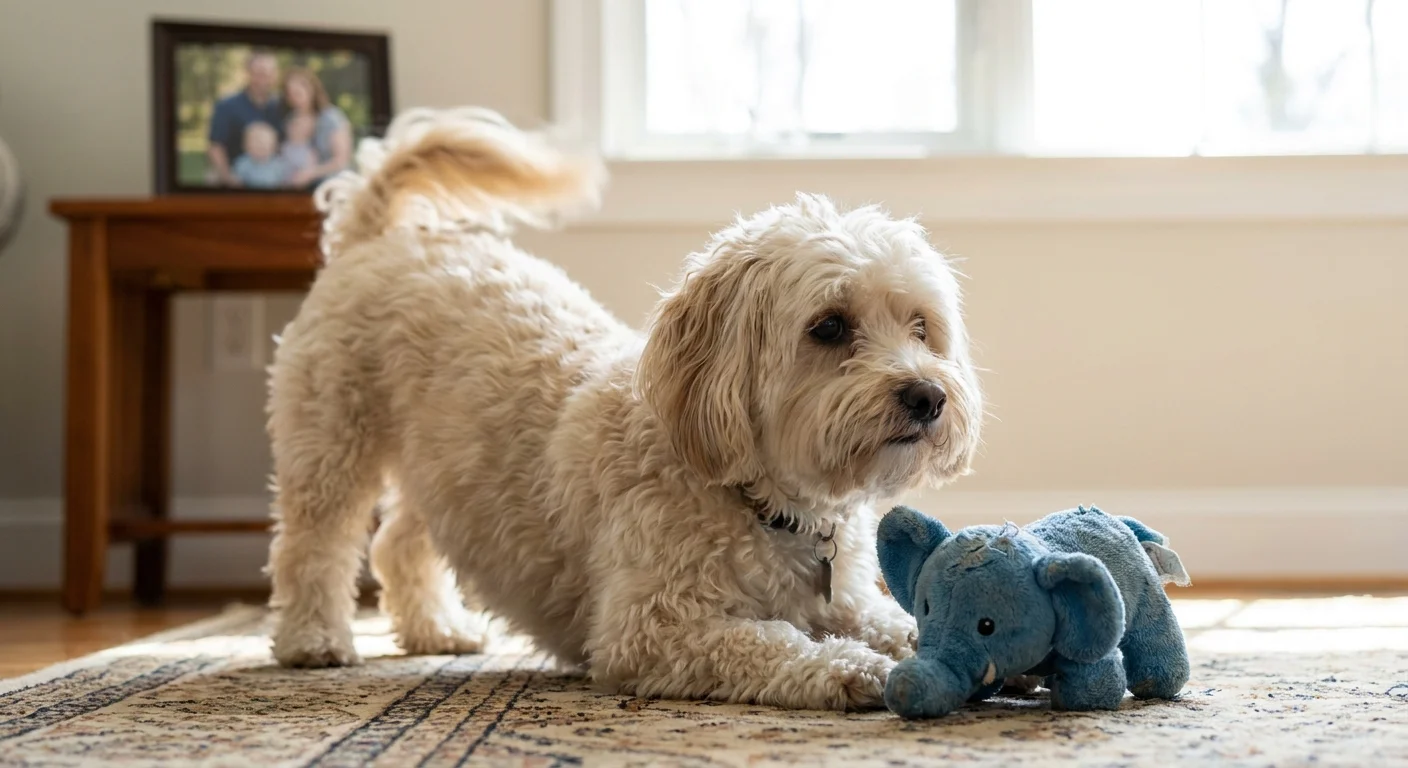
6. The Havanese: Playful And Deeply Attached
The Havanese, the national dog of Cuba, is a brilliant and cheerful companion that naturally adjusts to the rhythm of its owner’s life. Weighing between 7 and 13 pounds, they feature a soft, silky coat that requires regular maintenance but leaves almost zero hair on your furniture. They are renowned for their playful, clownish antics and their remarkable ability to make their owners smile.
Often referred to as “Velcro dogs,” the Havanese insists on being exactly where you are, following you from room to room. This deep attachment is wonderful for companionship, but it means they do not tolerate being left alone for long hours. They thrive in homes where their owner is present most of the day, making them a spectacular choice for retirees.
The Havanese is highly adaptable regarding exercise. They enjoy a daily walk but are equally happy playing interactive games in the living room. Like the Shih Tzu, keeping their coat trimmed in a short puppy clip makes daily maintenance much easier, requiring only a quick daily brush and a monthly trip to the groomer to keep them looking pristine.
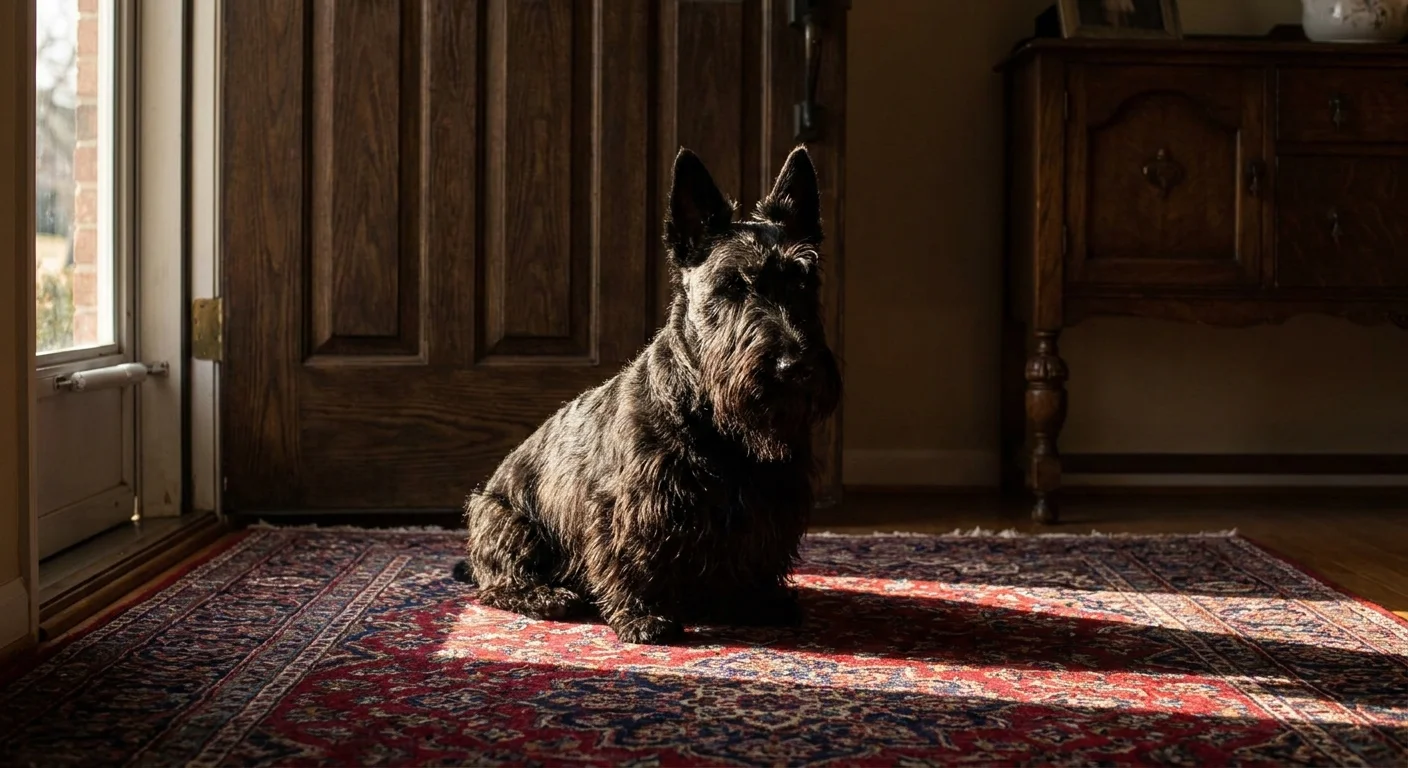
7. The Scottish Terrier: Independent And Dignified
Not everyone wants a dog that constantly demands lap time. If you prefer a companion with a dignified, slightly independent streak, the Scottish Terrier (Scottie) is a fascinating choice. Weighing between 18 and 22 pounds, they are compact but incredibly solid, featuring a hard, wiry outer coat that sheds very little when properly maintained.
Scotties possess a bold, confident personality. They are fiercely loyal to their families but tend to be aloof with strangers. They appreciate a structured routine and respect an owner who treats them with quiet authority rather than overwhelming affection. They are content to lie near your feet rather than directly on your lap, providing steadfast companionship without being excessively needy.
Because they are robust terriers, they enjoy exploring their environment. A daily walk to sniff the neighborhood satisfies their mental and physical needs. Grooming a Scottie is a specialized process; their coat requires periodic “stripping” or regular clipping to maintain its texture and minimize shedding. Their distinct appearance and steady temperament make them a classic, reliable companion.
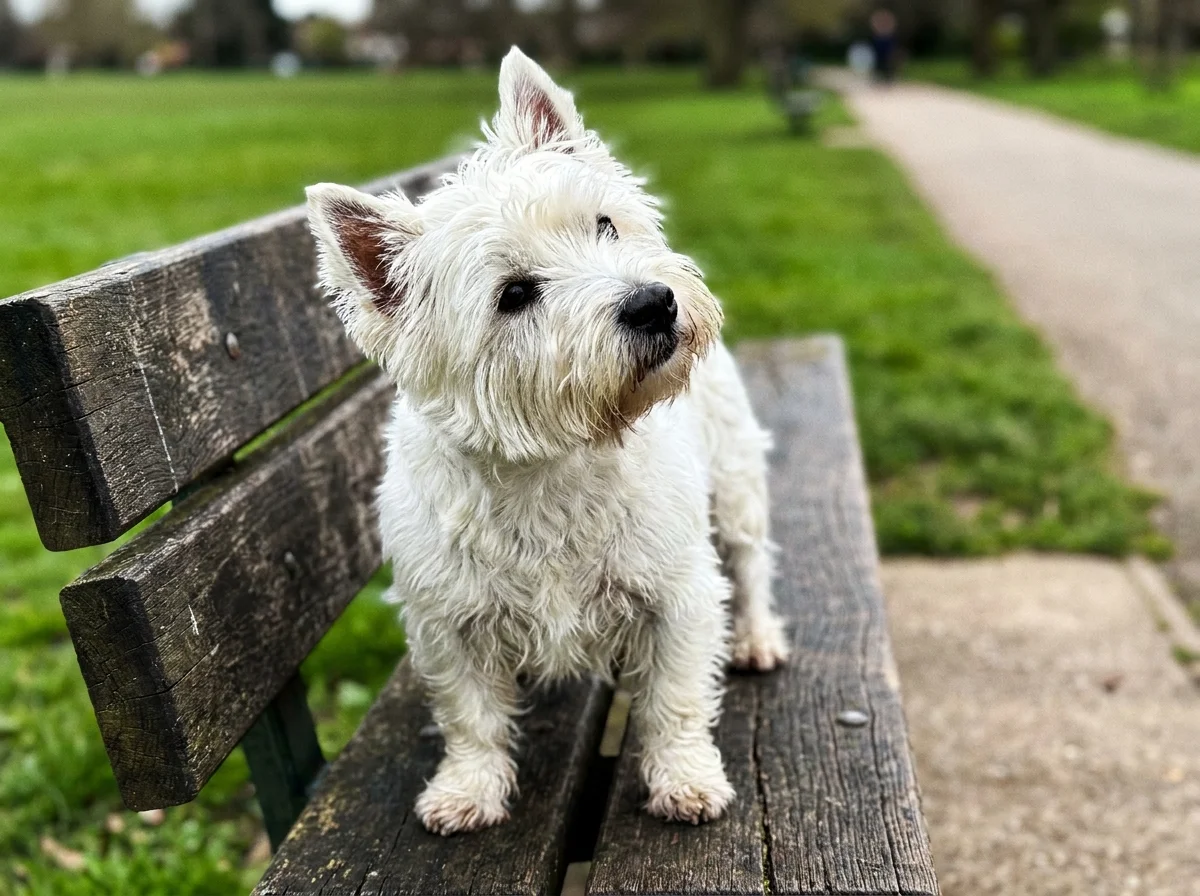
8. The West Highland White Terrier: Friendly And Spirited
The West Highland White Terrier, affectionately known as the Westie, combines the sturdy resilience of a terrier with a remarkably bright and friendly disposition. Weighing between 15 and 20 pounds, they are small enough to be easily managed but sturdy enough to endure a good, brisk walk. Their harsh white coat sheds minimally, making household cleanup simple.
Westies are notably happier and more outgoing than some of their terrier cousins. They approach life with a curious, spirited attitude that brings a lively energy to any home. They are highly intelligent but can be slightly stubborn during training; patience, consistency, and a pocket full of high-value treats will win their cooperation.
To keep their crisp white coat looking its best, Westies require regular brushing and professional grooming every four to six weeks. They do have a strong instinct to chase small animals, so keeping them on a leash during walks is essential. For an active senior who wants a dog that acts much larger than its physical size, the Westie is a joyful and enduring friend.
Comparing Our Top Low-Shedding Breeds
Choosing the right dog involves balancing their natural traits against your daily routine. Use the table below to quickly compare the size, energy level, and grooming requirements of these eight wonderful breeds to see which best aligns with your lifestyle.
| Breed | Average Weight | Energy Level | Grooming Frequency | Best For… |
|---|---|---|---|---|
| Poodle (Toy/Mini) | 4–15 lbs | Moderate | Daily brushing, monthly clipping | Highly trainable companions, emotional support |
| Bichon Frise | 12–18 lbs | Low to Moderate | Daily brushing, frequent trimming | Cheerful, allergy-friendly affection |
| Miniature Schnauzer | 11–20 lbs | Moderate | Weekly brushing, monthly clipping | Alert watchdogs, sturdy walking partners |
| Shih Tzu | 9–16 lbs | Low | Daily brushing (if long), simple if clipped | Quiet, relaxing lap time |
| Maltese | 4–7 lbs | Low | Daily gentle brushing | Seniors with very limited mobility |
| Havanese | 7–13 lbs | Low to Moderate | Daily brushing, frequent trimming | Owners who are home all day |
| Scottish Terrier | 18–22 lbs | Moderate | Weekly brushing, specialized clipping | Independent, dignified companionship |
| Westie | 15–20 lbs | Moderate to High | Weekly brushing, monthly clipping | Active seniors seeking a lively friend |
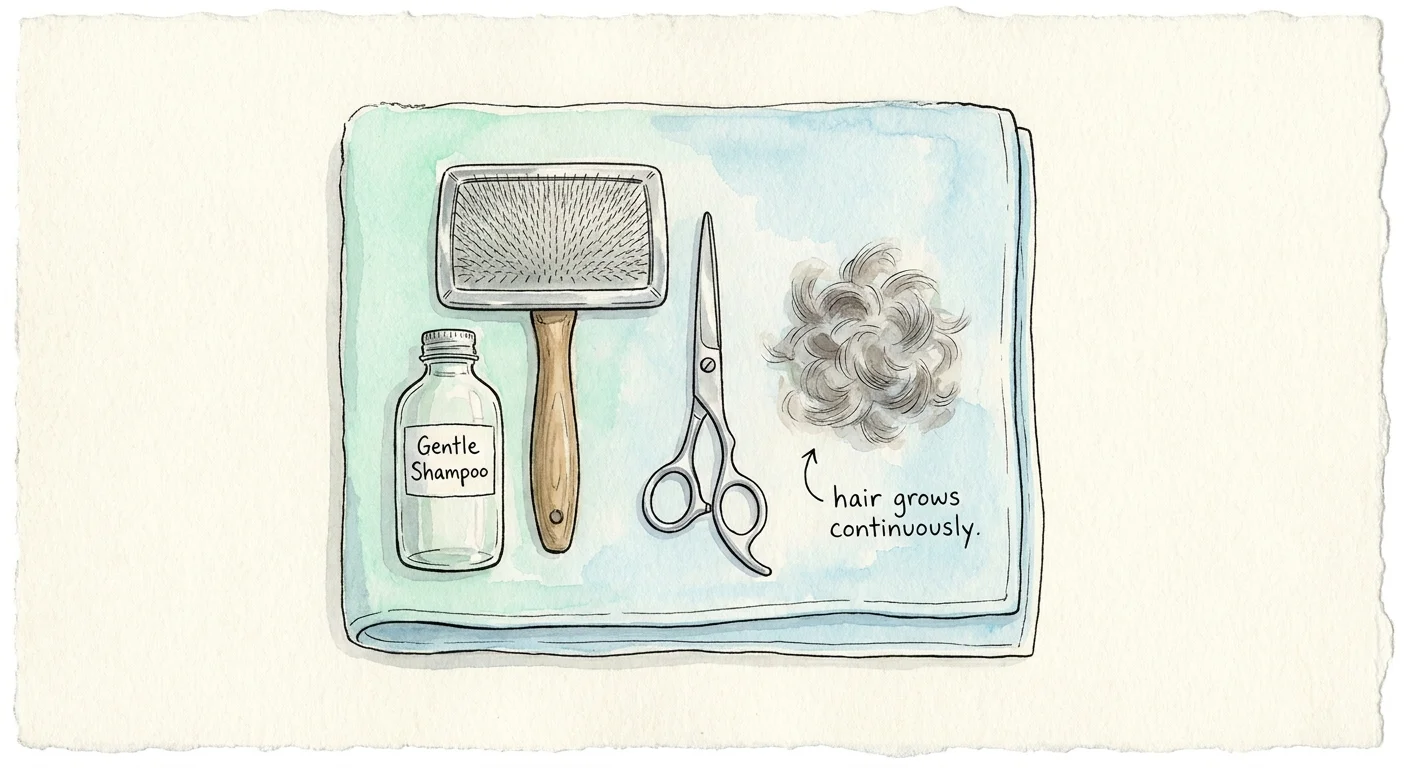
Essential Grooming Strategies For Low-Shedding Coats
The golden rule of low-shedding breeds is that a lack of shedding equates to a need for grooming. Because the hair does not naturally fall out in large quantities, it continues to grow. If left unbrushed, loose hairs and natural oils tangle together, forming tight, painful mats close to the dog’s skin. These mats pull on the skin with every movement and can hide serious skin infections.
To maintain a healthy coat, you must master the “line brushing” technique. Instead of just brushing the top layer of hair, line brushing involves pushing the hair up with one hand and brushing down layer by layer, ensuring you reach all the way to the skin. Utilizing a high-quality slicker brush and a metal greyhound comb makes this process smooth and comfortable for your dog.
Beyond brushing, these breeds typically require professional grooming every four to six weeks. A professional groomer will clip the coat to a manageable length, clean the ears, express anal glands if necessary, and trim the nails. Establish a grooming budget before bringing your dog home, as this is a recurring, non-negotiable expense for these specific breeds.
Furthermore, maintaining overall hygiene extends past the coat. Many small, low-shedding breeds are notoriously prone to dental disease. According to Cornell University College of Veterinary Medicine, routine preventative care, including proper dental hygiene, is crucial for your pet’s overall well-being. Establishing a habit of brushing your dog’s teeth with pet-safe toothpaste a few times a week can prevent painful tooth extractions down the line.
“Consistent at-home grooming and veterinary dental care do not just make your pet look better; they prevent systemic infections and can add comfortable, healthy years to your dog’s life.” — Cornell University Veterinary Experts
Preparing Your Home And Navigating Dog Training
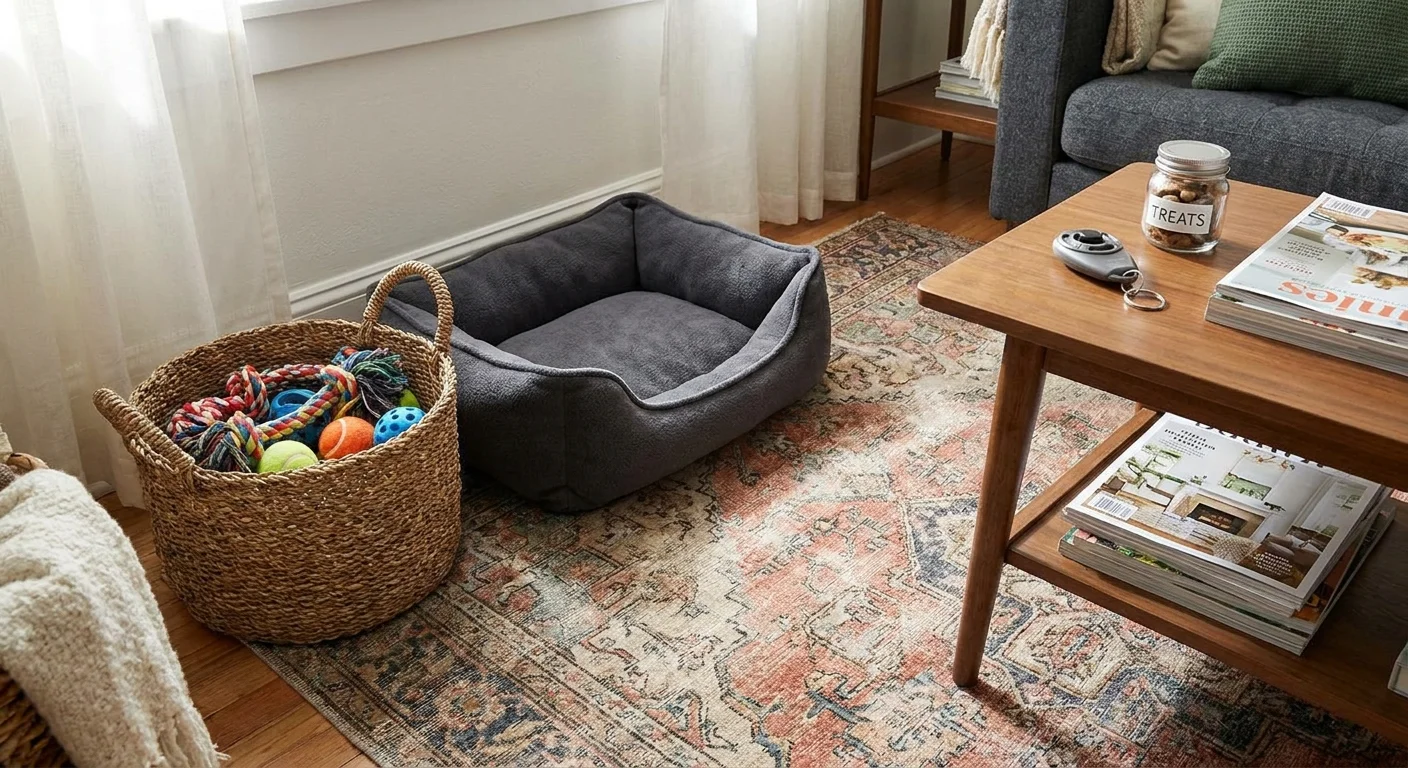
Bringing a new dog into your home requires a bit of environmental preparation, particularly for seniors. The primary goal is to create a safe space for the dog while minimizing fall risks for yourself. Small dogs can easily get underfoot, and dog toys or long leashes left on the floor present significant tripping hazards. Invest in a dedicated toy basket and train your dog to leave their toys in a specific area. When navigating stairs or unlit hallways, always look down and proceed cautiously until you are accustomed to your new dog’s movements.
When it comes to training, kindness and consistency are your greatest tools. Physical corrections or harsh scolding damage the bond of trust between you and your companion. Instead, focus entirely on rewarding good behavior. According to the Association of Professional Dog Trainers (APDT), positive reinforcement—rewarding a dog with treats, praise, or play when they perform a desired behavior—is the most effective, humane, and science-backed method for teaching dogs of all ages.
If you are adopting, consider bringing home an adult or senior dog rather than a young puppy. Puppies demand immense amounts of time, energy, and physical stamina to potty train and socialize properly. An older rescue dog typically arrives already house-trained, understands basic commands, and has settled into a calm energy level. Local rescues often have wonderful, low-shedding adult dogs looking for a quiet retirement home to match yours.
Frequently Asked Questions
Are low-shedding dogs completely hypoallergenic?
No dog is 100% hypoallergenic. Allergies are typically triggered by a protein found in a dog’s dander (dead skin cells), saliva, and urine, not just the hair itself. However, low-shedding dogs produce less dander and do not leave hair coated in saliva all over your house. This makes them significantly easier to tolerate for individuals with mild to moderate pet allergies. If you have severe allergies, it is recommended to spend time with the specific breed—or the specific adult dog—before committing to adoption.
Do low-shedding dogs cost more to maintain?
Generally, yes, due to professional grooming costs. While their smaller size means they eat less food and require smaller doses of monthly flea and heartworm preventatives, the cost of a professional groomer every four to six weeks adds up. Depending on your location, grooming a small dog can cost anywhere from $50 to over $100 per visit. You must factor this recurring expense into your budget when deciding to adopt a low-shedding breed.
Should a senior adopt a puppy or an older adult dog?
For the vast majority of older adults, adopting an adult or senior dog is a far better choice than a puppy. Puppies are essentially babies; they require house-training, chew on furniture, nip during play, and have unpredictable bursts of high energy. An adult dog (aged 3 to 7) or a senior dog (aged 7 and up) has usually outgrown destructive phases. They are typically house-trained, have established, calm personalities, and are perfectly content to adopt a relaxed, peaceful lifestyle alongside you.
For expert pet care guidance, visit
The Spruce Pets, Rover — Pet Care Blog, Preventive Vet, American Veterinary Medical Association (AVMA) and American Kennel Club (AKC).
Disclaimer: This article is for informational purposes only and is not a substitute for professional veterinary advice, diagnosis, or treatment. Always consult with a licensed veterinarian for medical concerns about your pet.


Leave a Reply