
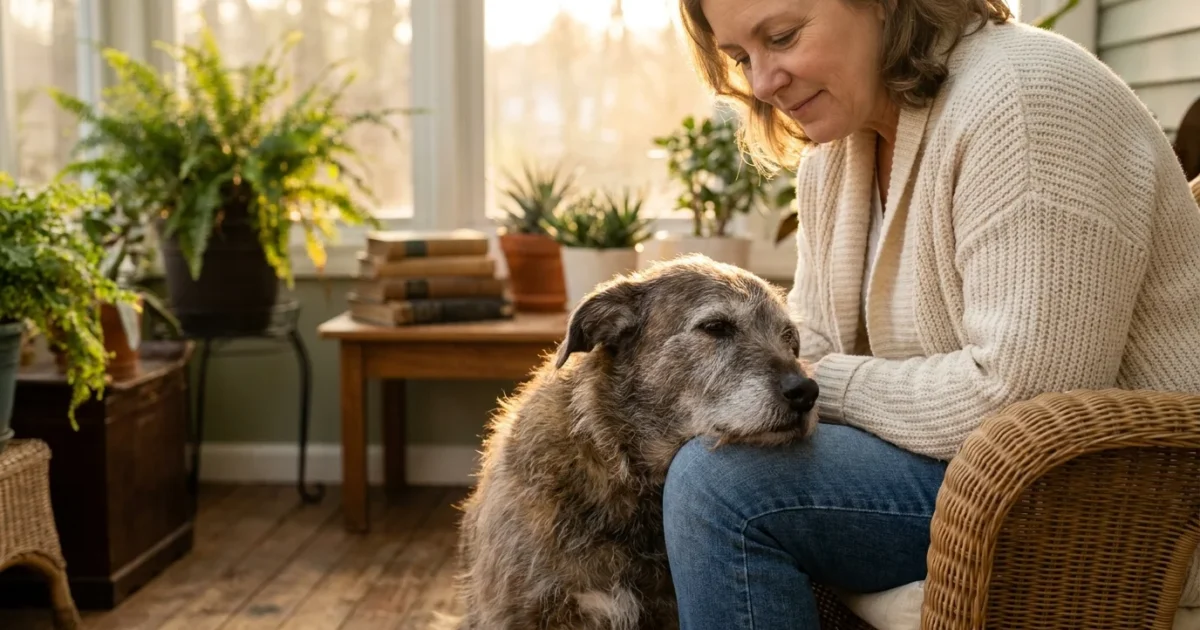
Recognizing the depth of your relationship with your dog or cat goes beyond watching them eat the food you provide or accept a passing scratch behind the ears. True connection manifests in subtle, scientifically backed behavioral cues that indicate profound trust, comfort, and emotional attachment. While every animal expresses affection uniquely based on their species, breed, and past experiences, certain universal behaviors serve as clear indicators of a secure attachment. By learning to read these specific body language signals and daily routines, you can assess the strength of your bond and identify areas where you might build even more mutual understanding. Here are the defining behaviors that prove your pet views you as their ultimate safe haven.
Understanding Pet Attachment Styles
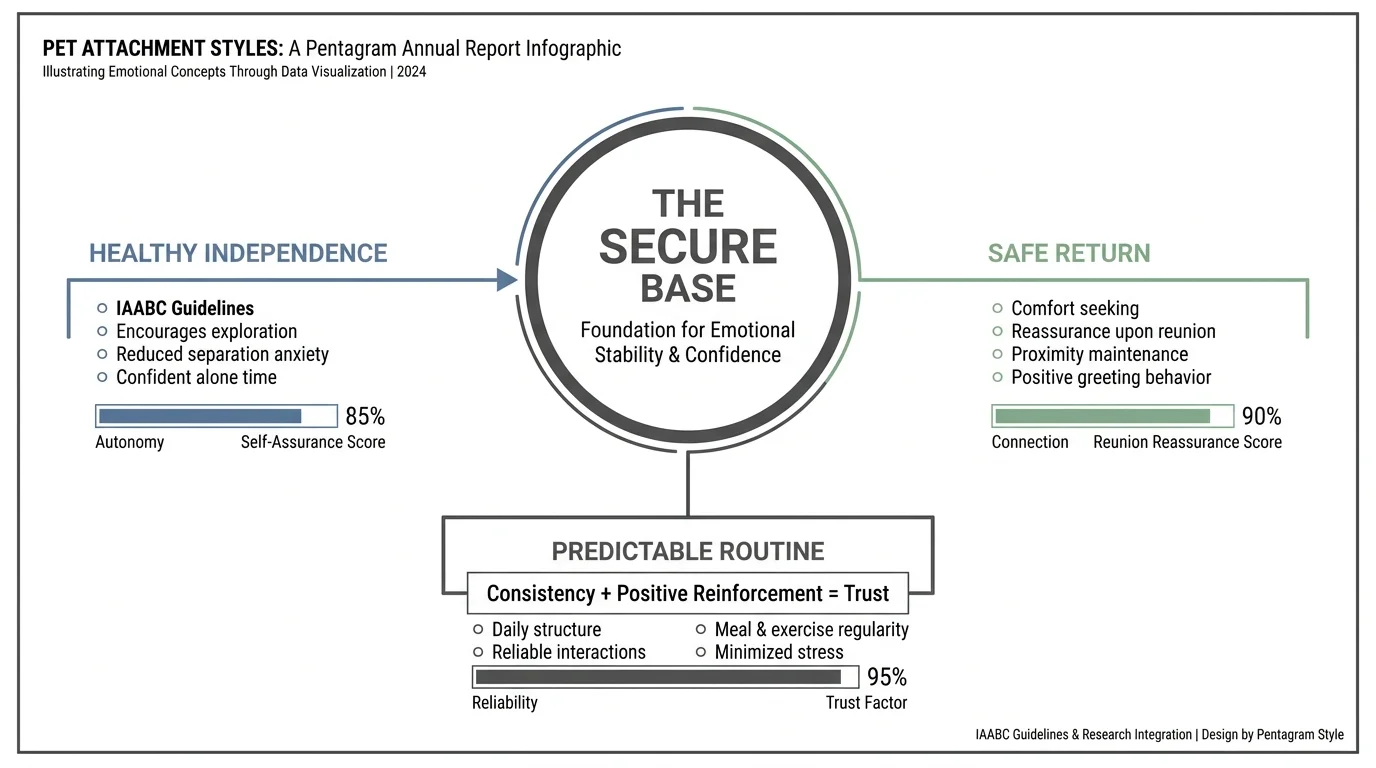
Just like humans, animals develop specific attachment styles based on their early socialization, past traumas, and current living environments. A secure attachment means your pet feels safe exploring the world because they know you provide a reliable safety net. They do not need to guard their resources anxiously, nor do they panic excessively when you step out of sight. Instead, a securely attached companion exhibits a healthy balance of independence and affection.
Establishing a predictable schedule by creating a pet care routine helps foster this sense of security and long-term stability.
Guidelines from the International Association of Animal Behavior Consultants (IAABC) emphasize that building this secure base requires consistency, predictable routines, and positive reinforcement. When you respond to your pet’s needs with calm, reliable care, you establish a foundation of mutual trust. This trust allows them to drop their natural defensive instincts and show you their authentic personality.
You cannot force a bond through sheer willpower or endless treats. True connection requires patience, especially with rescued animals who may carry the baggage of previous unstable homes. By observing the following nine behaviors, you can gauge exactly where your relationship stands and celebrate the milestones of trust you have achieved together.
Physical Clues: Body Language and Eye Contact
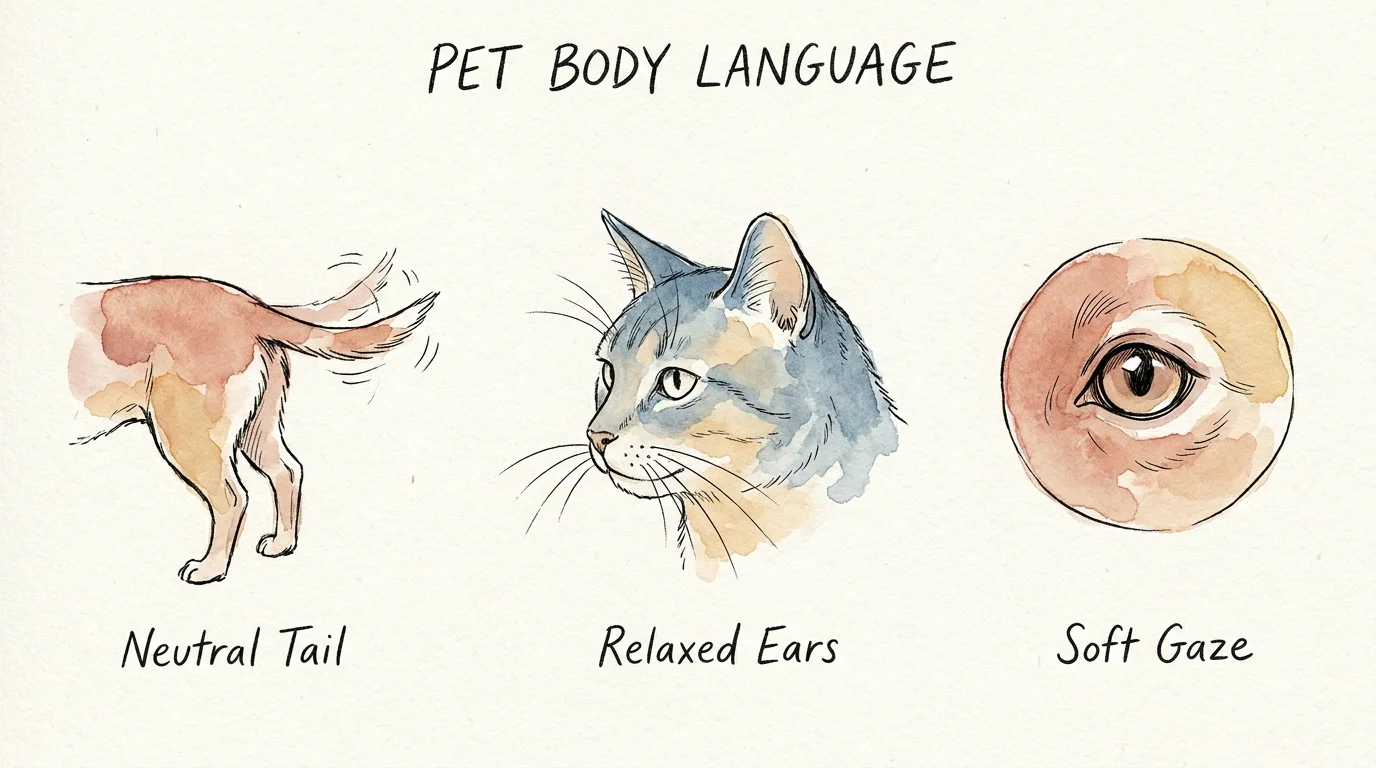
Animals communicate primarily through nonverbal cues. When a pet feels completely secure in your presence, their body language shifts from alert and defensive to relaxed and vulnerable.
Monitoring these cues is vital, as a sudden change in interaction might indicate cat behavior problems that require expert advice.
Exploring various ways to bond with your cat that respect their personal space will further deepen this non-verbal trust.
1. Exposing Vulnerable Areas
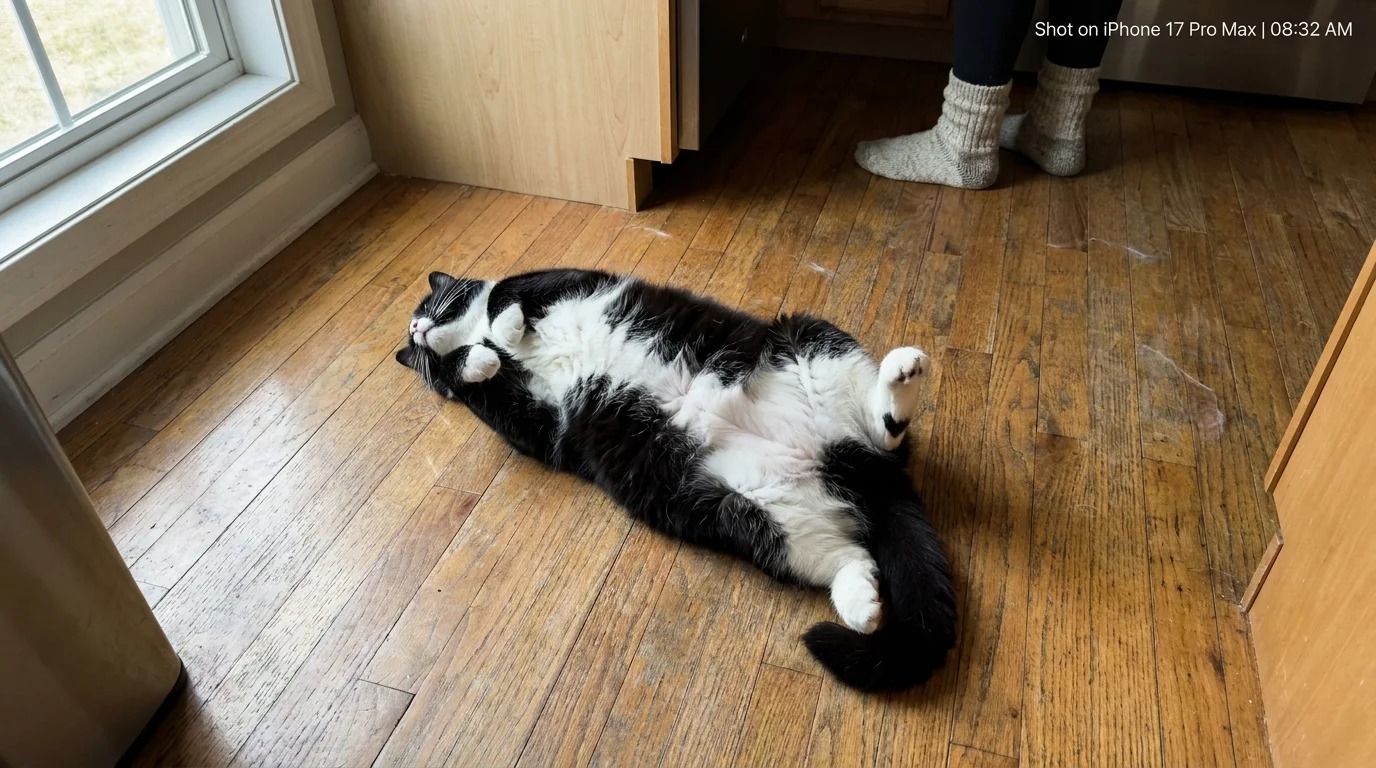
In the wild, an animal’s abdomen is their most vulnerable area, housing vital organs that must be protected from predators. When your dog rolls onto their back in the middle of the living room, or your cat stretches out to expose a fluffy belly, they actively demonstrate that they feel zero threat in your presence. They know you will not harm them, and they trust you to protect them from outside dangers.
“A pet exposing their abdomen is not always an invitation for belly rubs; often, it is simply the ultimate display of environmental comfort and trust in your protection.” — Dr. Sarah Mitchell, DVM
Always read the room before touching an exposed belly, especially with felines. Many cats expose their stomachs to show trust but will quickly become overstimulated if you try to pet that area. Respecting this boundary actually strengthens the bond, proving to your cat that you understand their communication.

2. Soft, Sustained Eye Contact
In the animal kingdom, prolonged eye contact usually signals a challenge or a threat. However, domestic pets have adapted this behavior to communicate affection with their chosen humans. According to the American Kennel Club (AKC), when a dog locks eyes with you using a soft, relaxed gaze, both of your brains release oxytocin—the exact same hormone responsible for the bonding between mothers and infants.
You can encourage this behavior by capturing natural moments of eye contact. When your pet looks up at you while relaxing on the couch, gently return the gaze and offer quiet verbal praise. Avoid staring contests, which can feel intimidating, and instead aim for brief, warm exchanges that reinforce your mutual affection.
3. The Feline Slow Blink
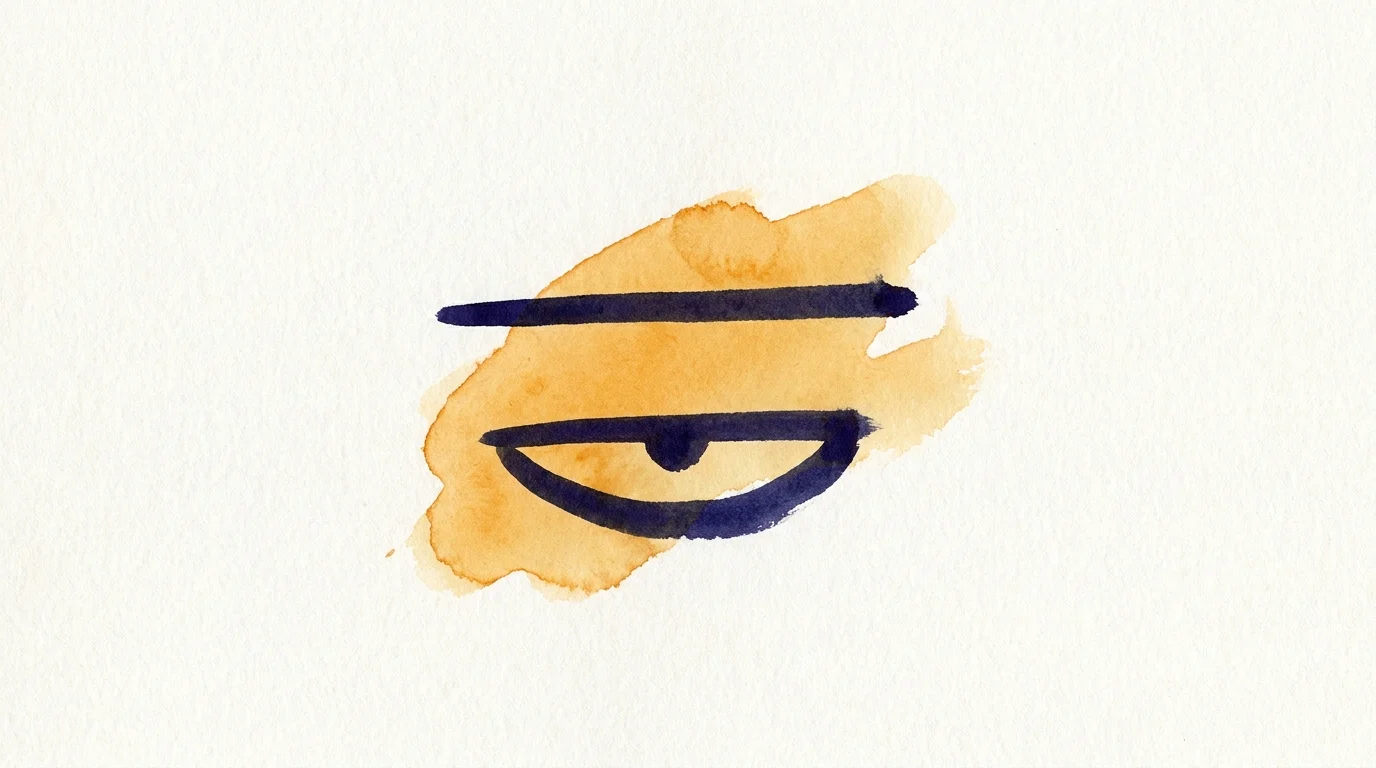
While dogs utilize soft eye contact, cats have perfected the “slow blink.” According to experts at the Cat Fanciers’ Association (CFA), a cat slowly closing and opening their eyes while looking at you is the feline equivalent of a warm smile or a kiss. It indicates that they are relaxed enough to lower their guard—literally closing their eyes to their environment.
You can actively participate in this bonding ritual. When your cat gives you a slow blink, softly blink back. This deliberate exchange of vulnerability speaks directly to their instincts and fosters a deeper emotional connection.
Proximity and Resting Habits
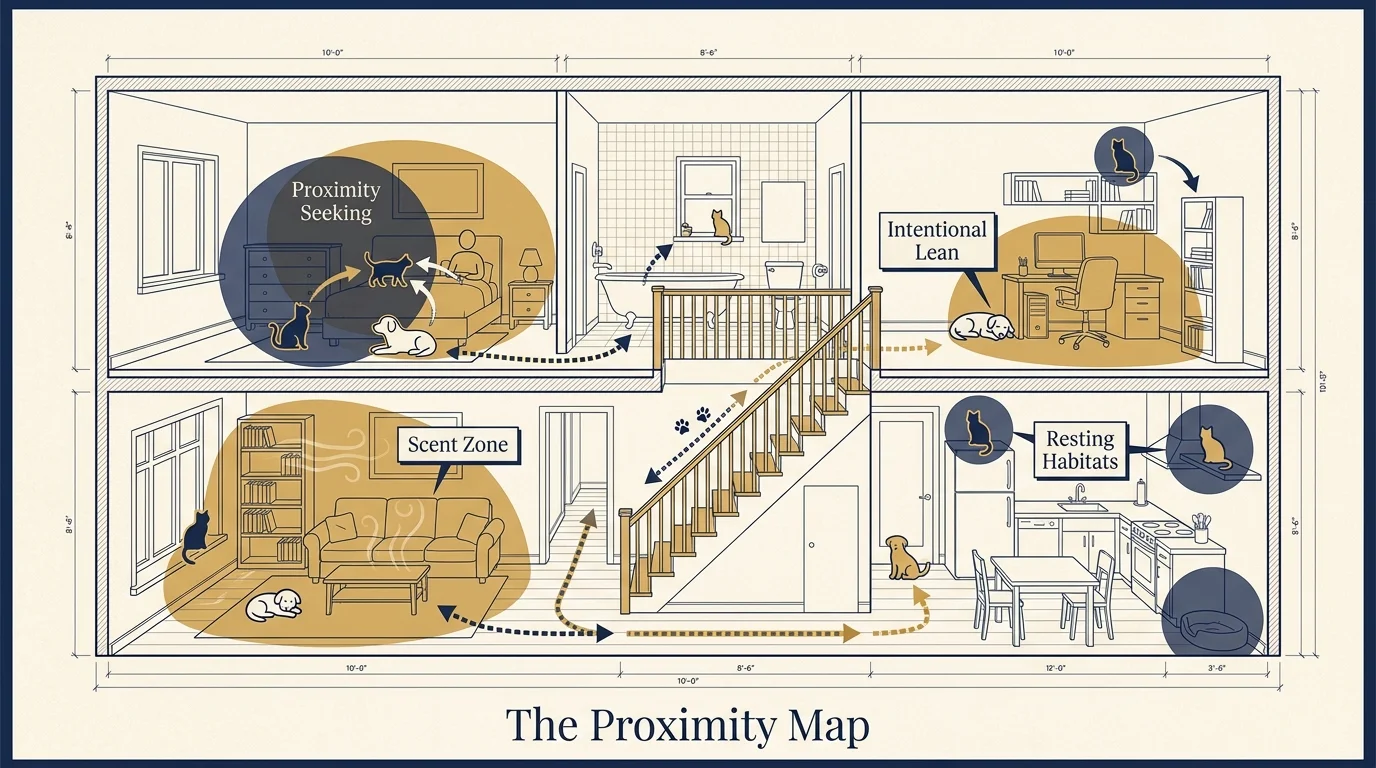
Where and how your pet chooses to rest provides incredible insight into their emotional attachment. Since sleep represents the most vulnerable state for any animal, their chosen sleeping arrangements speak volumes about who they trust.
If your pet’s proximity-seeking behavior changes abruptly, it could be one of the warning signs your pet needs a vet visit to check for underlying health issues.
Some pets express this bond by following their owners everywhere, acting as a constant, furry shadow throughout the day.
4. The Intentional “Lean” and Seeking Proximity
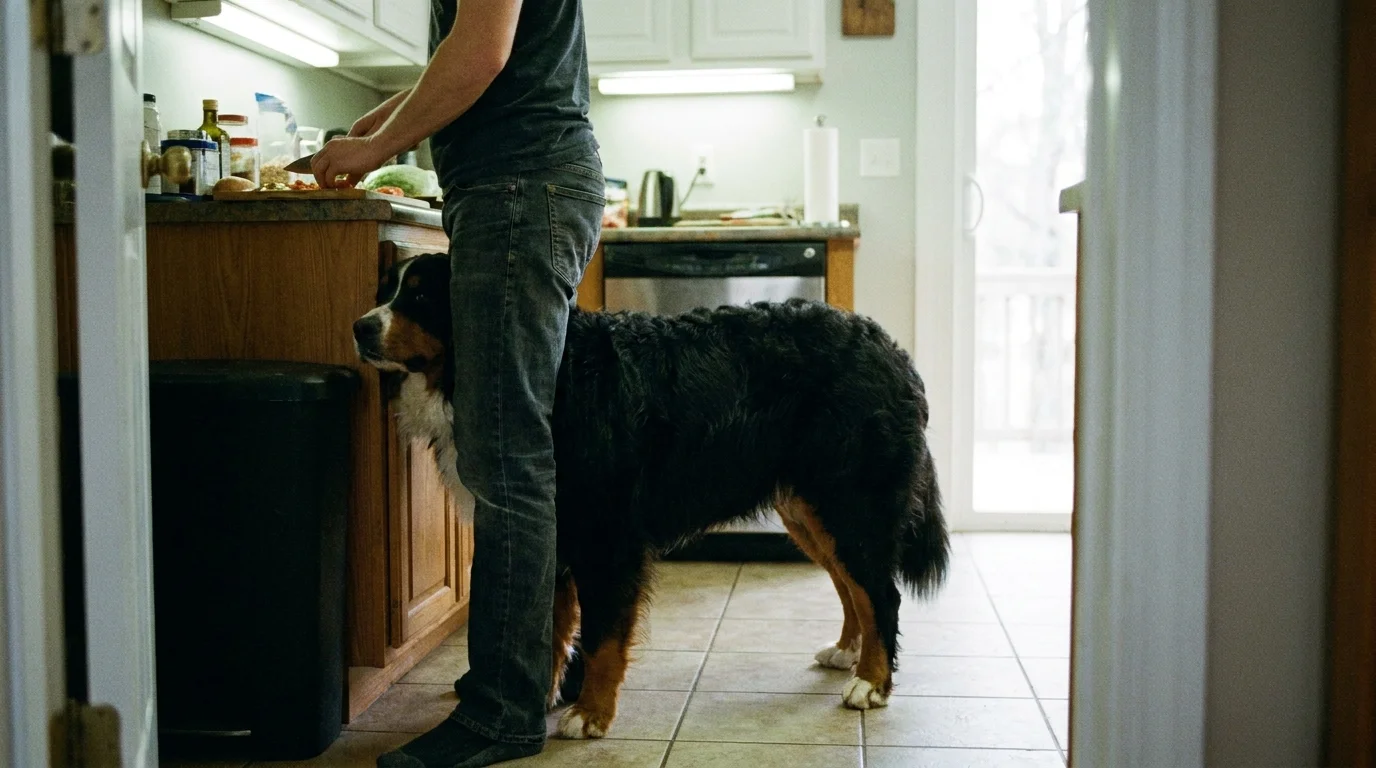
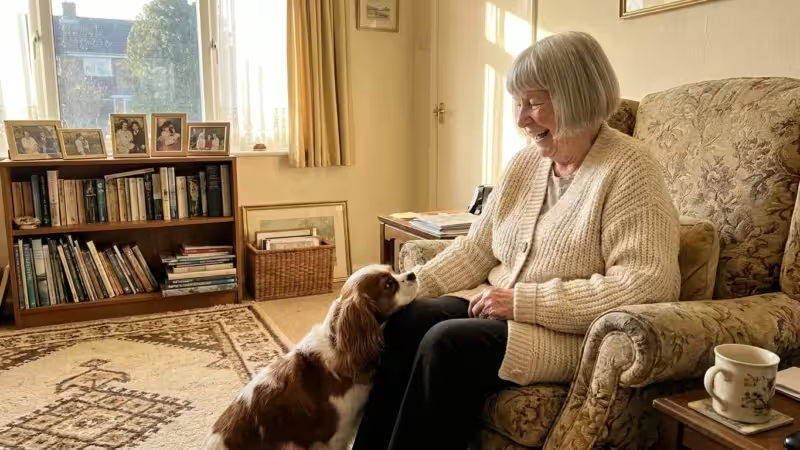
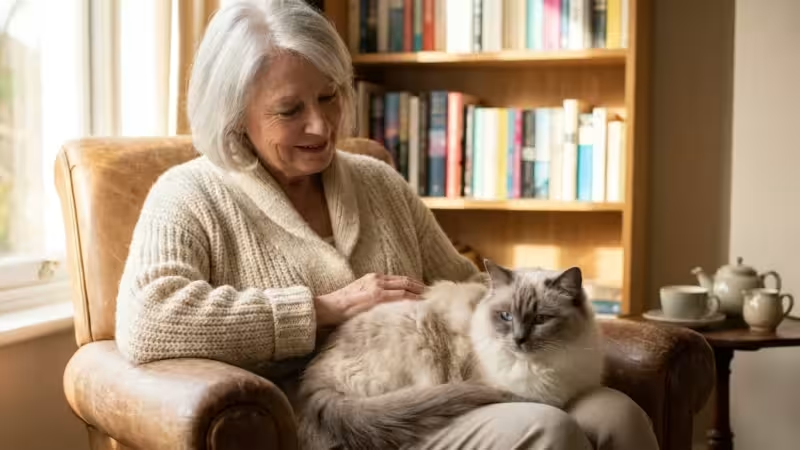
If your dog regularly backs up to sit on your feet or leans their entire body weight against your legs, they are seeking physical reassurance and connection. This “lean” is a profoundly affectionate gesture, indicating that they view you as their emotional anchor. Similarly, cats may curl up directly on your lap, your chest, or right beside your keyboard while you work.
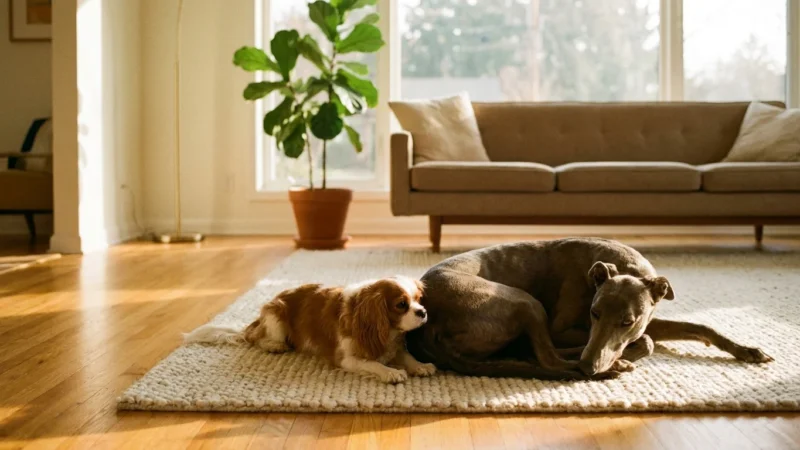
Not all pets are naturally cuddly; some breeds are highly independent. For these animals, simply choosing to sleep in the same room as you—even if they are on a dog bed across the floor—is a significant indicator of a strong bond. They want to be in your orbit, sharing your space without necessarily needing constant physical touch.
5. Sleeping in Your Scent Zone
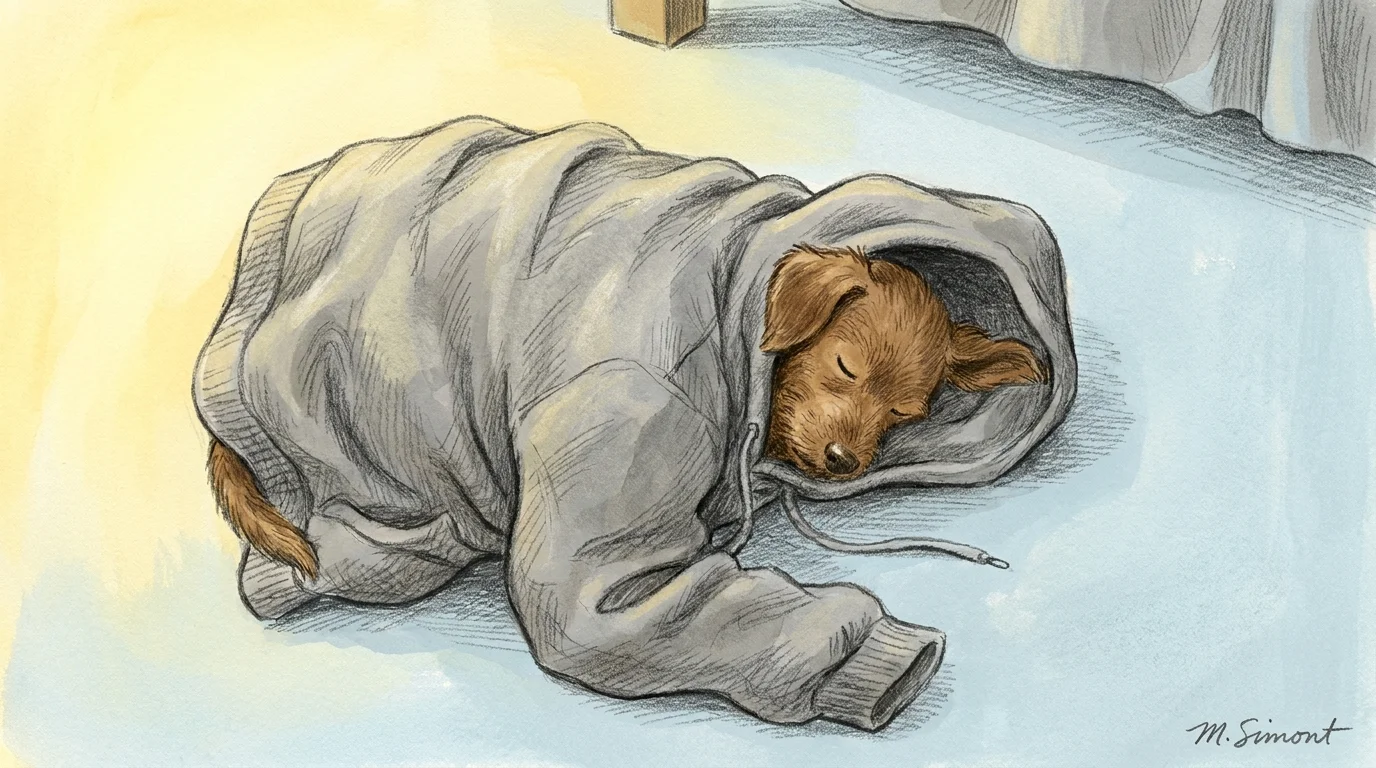
Have you ever found your dog curled up on your discarded sweatshirt, or your cat sleeping in your laundry basket? Because animals process the world primarily through smell, your specific scent provides them with a profound sense of comfort and security. Seeking out items that smell like you—especially when you are not home—is a clear coping mechanism that relies on your bond to soothe their anxiety.
You can use this to your advantage during stressful times. If you are crate training a new puppy or taking your pet to the vet, including a worn t-shirt in their carrier acts as a portable security blanket, reminding them of your protective presence.

Vocalizations and Greeting Rituals
Communication styles vary wildly between species and individuals, but pets reserve specific vocalizations and greeting routines exclusively for their favorite humans.
Vocalizations are a key component of recognizing if your cat is happy and well-adjusted within your home.
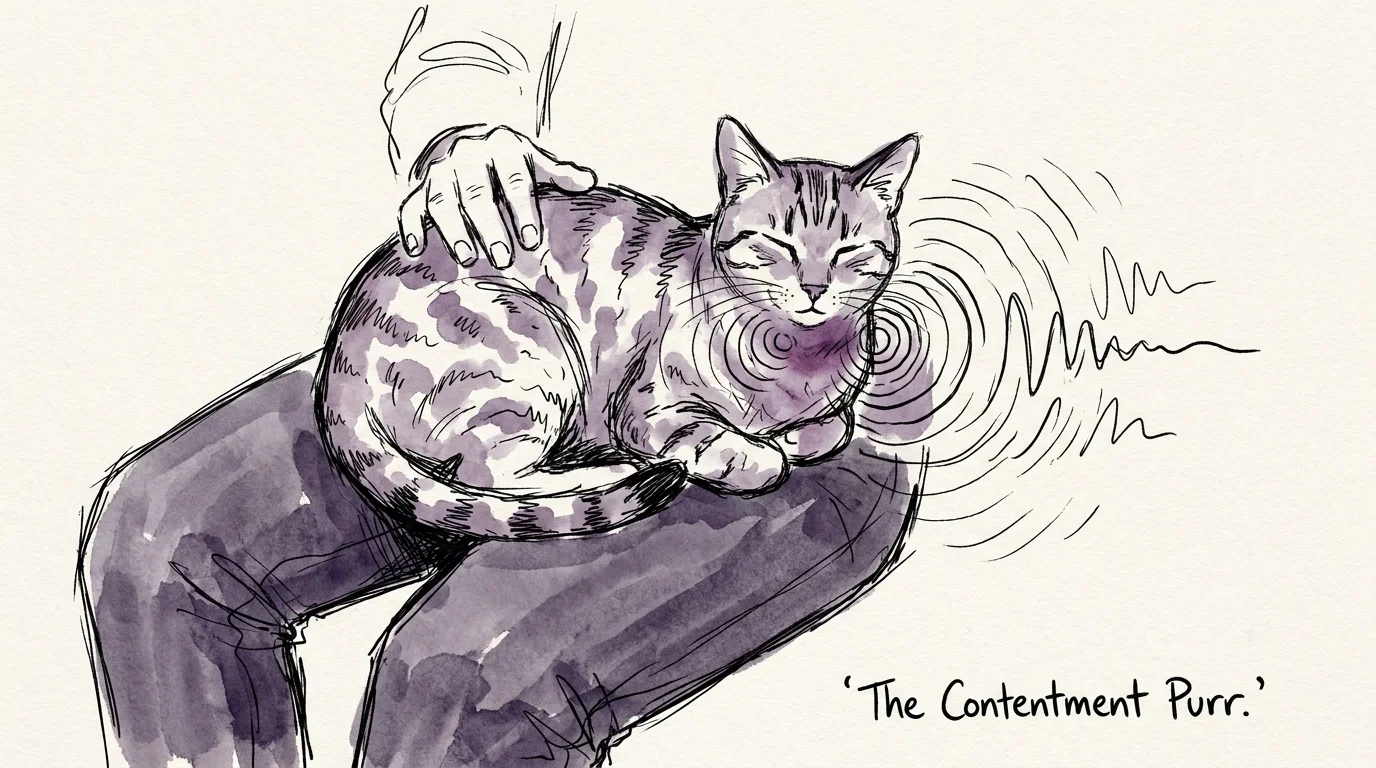
6. Distinct Contentment Vocalizations
Your pet talks to you, even if they do not use words. Dogs often emit long, deep sighs when they finally settle down beside you at the end of a busy day. This sigh indicates a transition from a state of alertness to total relaxation. Some dogs also engage in gentle grunting or “purring” sounds when receiving a highly enjoyable massage.
For cats, purring is the most famous indicator of contentment, though research highlighted by Cornell University College of Veterinary Medicine notes that cats also use distinct meows exclusively for their owners. Adult cats rarely meow at other cats; they developed this vocalization specifically to communicate with humans. If your cat greets you with a specific trill or chirp, they have created a personalized language just for you.
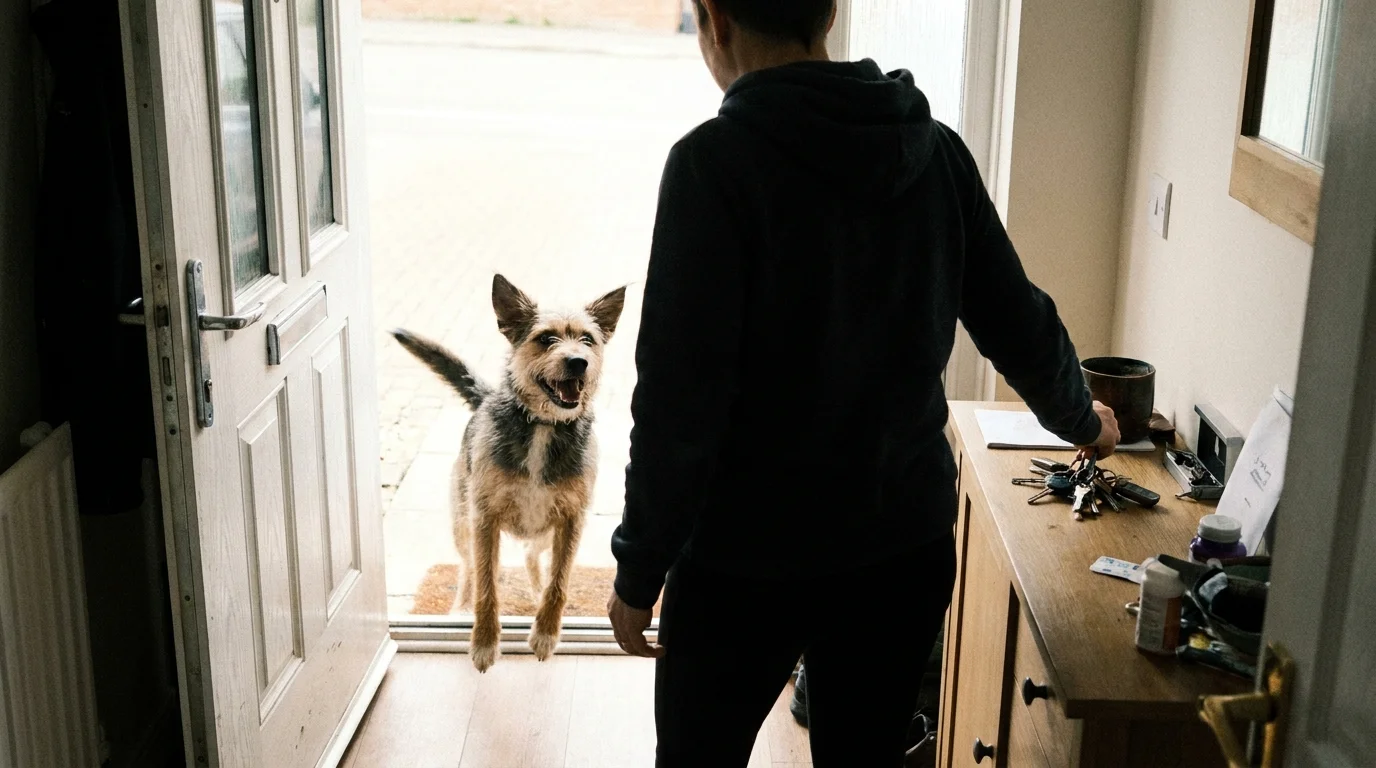
7. Enthusiastic, Full-Body Greetings
A secure pet shows undeniable joy when you return to them. This might manifest as the famous “full-body wag” in dogs, where their tail wags so hard their entire hindquarters sway, accompanied by happy vocalizations and a desire to bring you a favorite toy. Cats may greet you at the door with an upright, vibrating tail—a classic feline sign of absolute delight—and rub their cheeks against your shins to re-mark you with their scent.
To reinforce this bond, acknowledge their greetings without escalating their excitement to an unmanageable level. Offer calm, warm praise and gentle petting. This validates their joy while teaching them that home is a harmonious, stable environment.
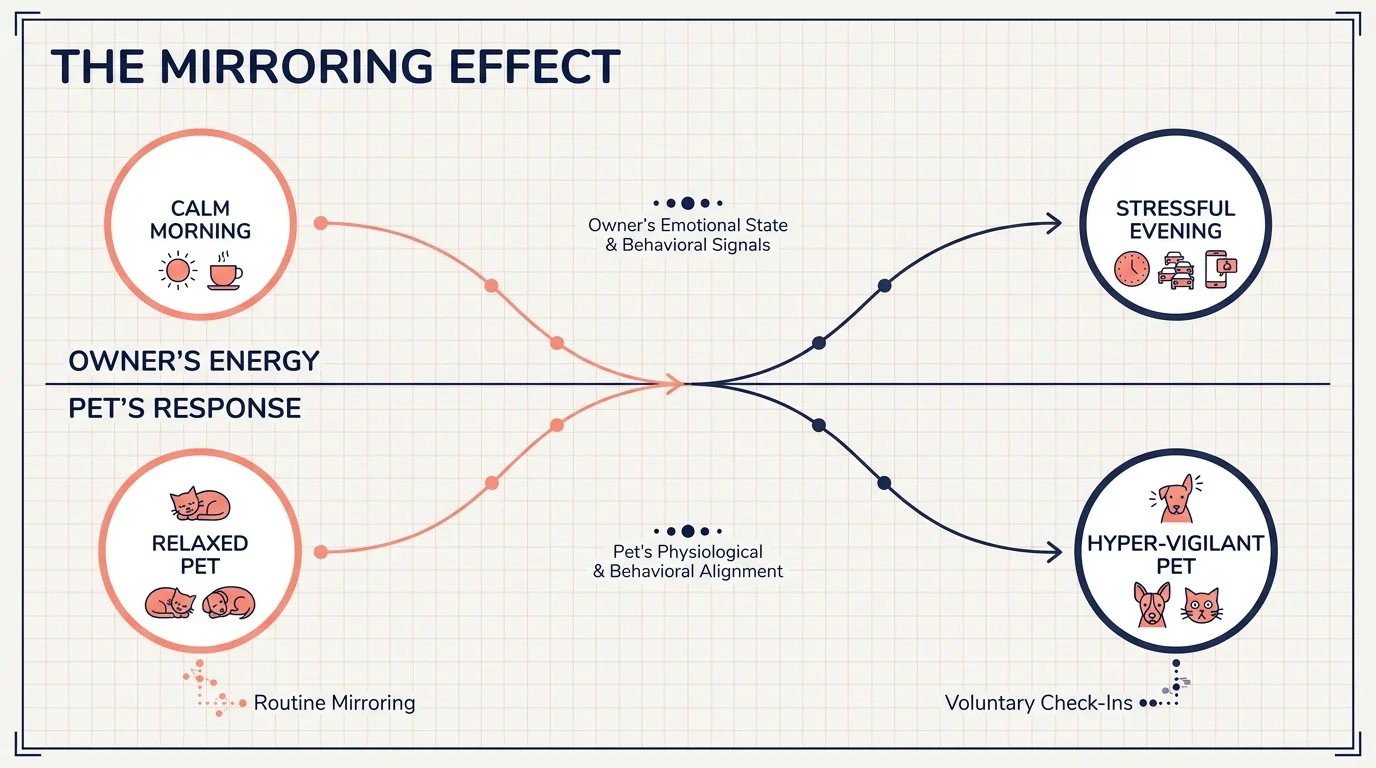
Stress Responses and Routine Mirroring
A pet’s behavior during a crisis, as well as their daily synchronization with your schedule, provides the final pieces of the attachment puzzle.
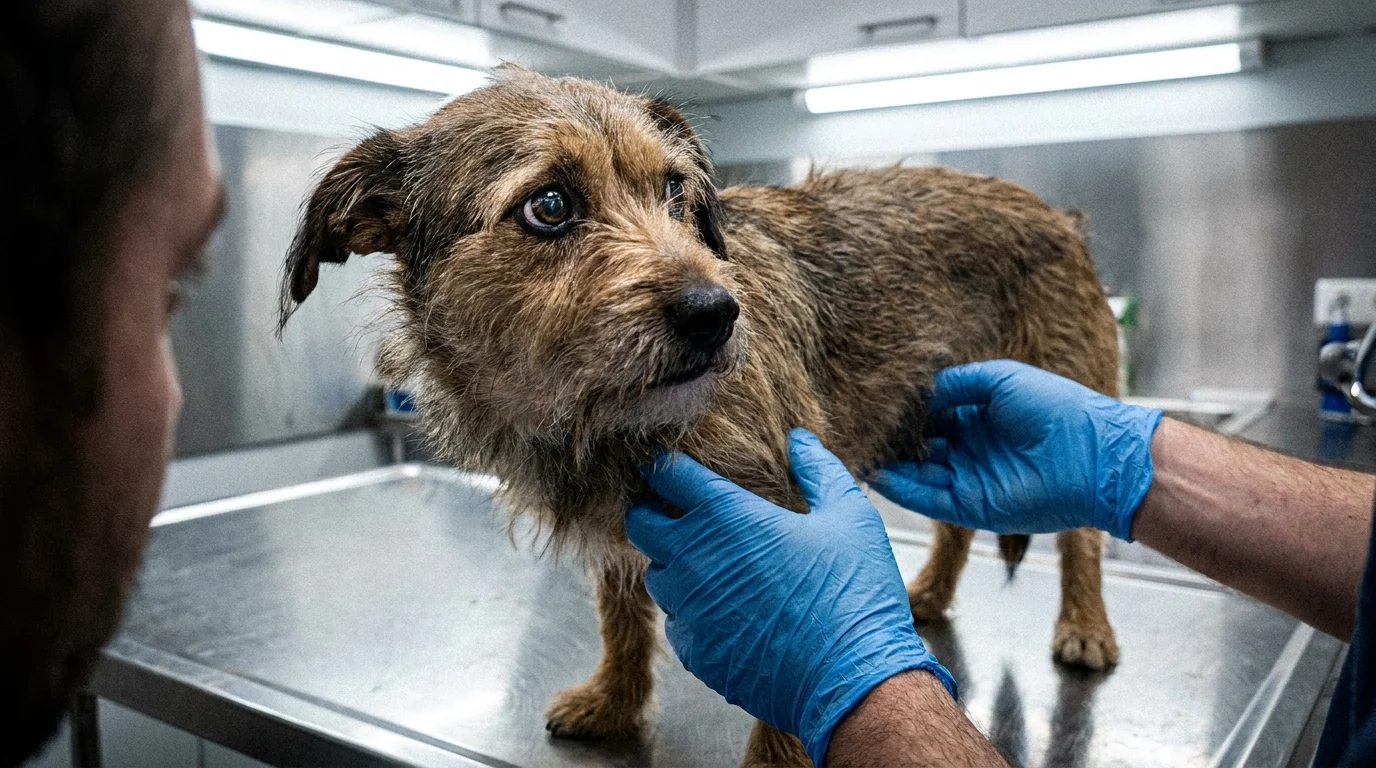
8. Voluntary Check-Ins During Stressful Events
One of the most reliable markers of a strong human-animal bond is the “check-in.” When confronted with a loud noise, a strange dog, or a confusing situation, a securely attached pet will immediately look back at you before reacting. They are checking your emotional state to determine how they should respond. If you are calm, they are more likely to remain calm.
If your pet attempts to hide behind your legs at the vet clinic or runs to your side during a thunderstorm, they recognize you as their ultimate protector. Never punish a pet for seeking comfort out of fear. Instead, provide steady, calm reassurance that reinforces your role as a safe haven.
9. Mirroring Your Energy and Routine
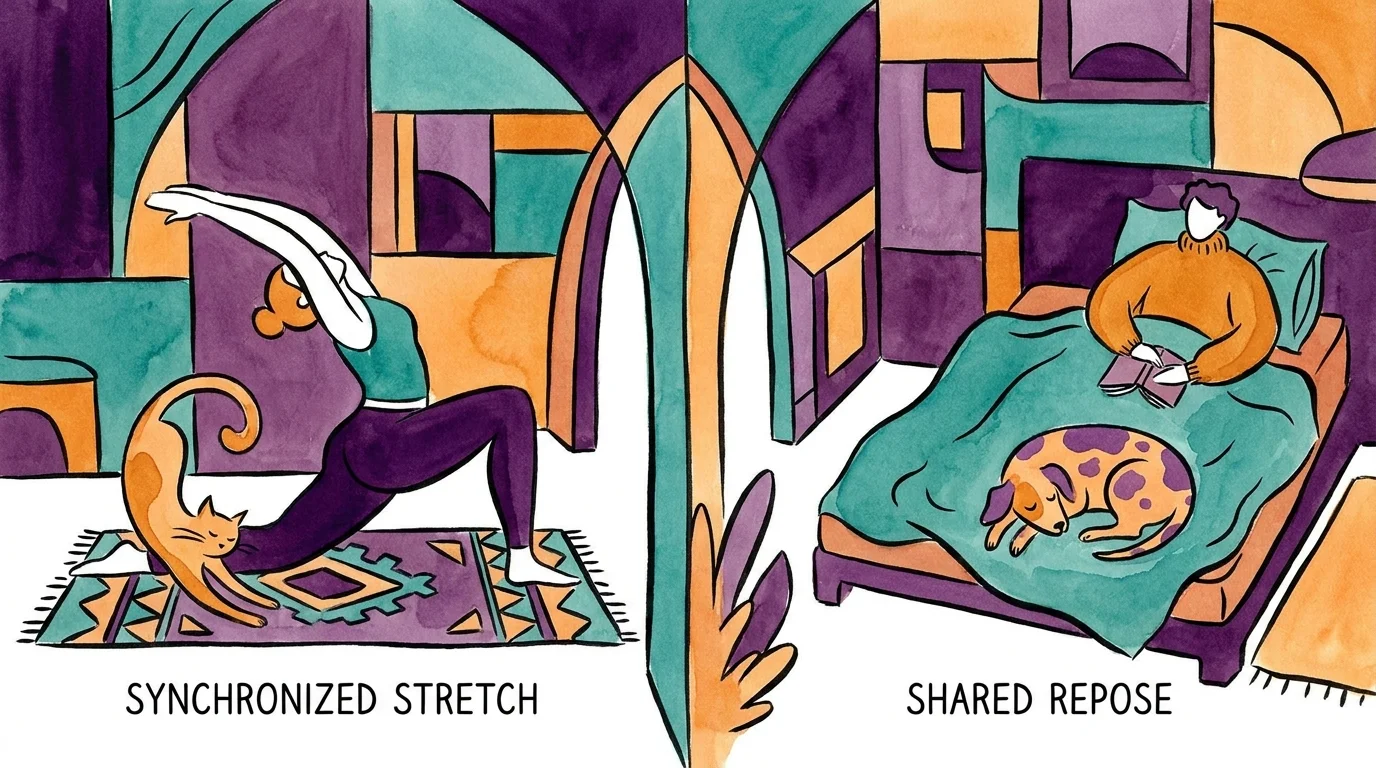
Over time, a bonded pet will synchronize their internal clock and energy levels with yours. They learn your morning routine, anticipating the alarm clock and waiting patiently by the coffee maker. They notice when you are feeling ill or depressed and will often adjust their own energy, choosing to lay quietly beside you rather than demanding a typical play session.
This emotional mirroring requires a deep level of empathy and observation on the pet’s part. It proves that they are constantly studying you, learning your habits, and adjusting their behavior to maintain a harmonious household.
To summarize how these behaviors differ between species, refer to the breakdown below:
| Bonding Behavior | Canine Expression (Dogs) | Feline Expression (Cats) |
|---|---|---|
| Vulnerable Posture | Rolling onto back; sleeping deeply in open areas. | Exposing the belly; sprawling out fully on the floor. |
| Eye Contact | Soft, relaxed gaze; seeking eye contact for cues. | The “slow blink”; soft eyes from across the room. |
| Proximity | The “lean” against legs; sleeping on your feet. | Sitting on your lap/chest; head-bunting your face. |
| Vocalizations | Deep contented sighs; playful grunts; soft whines. | Purring; unique chirps and trills reserved for you. |
| Greetings | Full-body tail wags; bringing a toy to the door. | Upright, vibrating tail; weaving intensely through legs. |

Troubleshooting Disconnected Behaviors
If you are reading through this list and realizing your pet rarely displays these behaviors, do not panic. Bond building is a marathon, not a sprint. This is especially true for newly adopted rescue animals, who operate under the “3-3-3 rule”: it takes three days to decompress, three weeks to learn your routine, and three months to truly feel at home.
To actively foster a deeper connection, implement the following strategies:
- Hand-Feed Meals: Ditch the food bowl for a few days. Hand-feeding your pet their daily kibble creates a powerful association between your presence and positive resources.
- Engage in Positive Reinforcement Training: Short, five-minute training sessions using high-value treats stimulate your pet’s mind and establish clear, rewarding communication channels.
- Respect Their Boundaries: Never force physical affection. Allow your pet to approach you on their own terms. When they realize they have autonomy and that you respect their space, their trust in you will skyrocket.
- Establish Predictable Routines: Anxiety blocks bonding. By keeping feeding, walking, and playing times relatively consistent, you remove environmental stress, allowing your pet’s true personality to emerge.
If your pet shows sudden behavioral changes—such as hiding, avoiding eye contact, or growling when approached—schedule a visit with your veterinarian. Sudden withdrawal is frequently a symptom of underlying pain or illness rather than a breakdown in your relationship.
Frequently Asked Questions
Why does my pet seem bonded to one person in the household more than others?
Pets often gravitate toward the individual who meets their specific needs most consistently. This isn’t always the person who feeds them; it may be the person who provides the most engaging playtime, the calmest energy, or the clearest communication. You can balance this by having other family members take over high-value activities, like walking or treat-based training.
Can a strong bond be formed with an older rescue pet?
Absolutely. While puppies and kittens form attachments quickly, older rescues can form incredibly profound bonds. Adult dogs and cats often display a deep sense of gratitude once they realize they are in a safe, permanent environment. It merely requires patience and a willingness to let them decompress at their own pace.
How do I know if my pet’s clinginess is a healthy bond or separation anxiety?
A healthy bond features a balance of affection and independence. A securely attached pet is happy to see you but can settle down comfortably when you leave the room. Separation anxiety involves panic—such as destructive chewing, relentless vocalization, or house soiling—when you depart. If your pet panics in your absence, consult a certified behaviorist to help them build confidence.
Do cats show affection differently than dogs?
Yes. While dogs have been selectively bred over thousands of years to work alongside humans, making their affection very overt, cats are descended from solitary hunters. Feline affection is much more subtle. A cat choosing to sit on the opposite end of the couch, or simply following you from room to room, is showing a level of trust equivalent to a dog giving you a full-body hug.
For expert pet care guidance, visit
Fear Free Pets, The Spruce Pets, Rover — Pet Care Blog and Preventive Vet.
Disclaimer: This article is for informational purposes only and is not a substitute for professional veterinary advice, diagnosis, or treatment. Always consult with a licensed veterinarian for medical concerns about your pet.



Leave a Reply