

Bringing a new pet into your home offers immense joy and companionship, but the financial realities of animal care are rapidly shifting beyond the initial adoption fee. Inflation, specialized veterinary treatments, and the rising cost of premium nutrition mean that some of our favorite companion animals now require surprisingly steep budgets. Whether you are dreaming of a flat-faced French Bulldog or a majestic saltwater aquarium, understanding the true lifetime costs of ownership prevents devastating financial surprises down the road. Uncovering these hidden expenses helps you prepare a realistic budget, ensuring your future best friend receives the high-quality care they deserve without compromising your financial stability.
Finding ways to save on supplies is easier when you know which budget-friendly pet products actually provide value for your money.
One way to protect your financial stability is by understanding pet insurance and knowing what is actually covered before a medical emergency occurs.
Before adding to your home, evaluating if you are ready to adopt a second pet can help you determine if your budget can handle another companion.
Brachycephalic Dogs: French and English Bulldogs
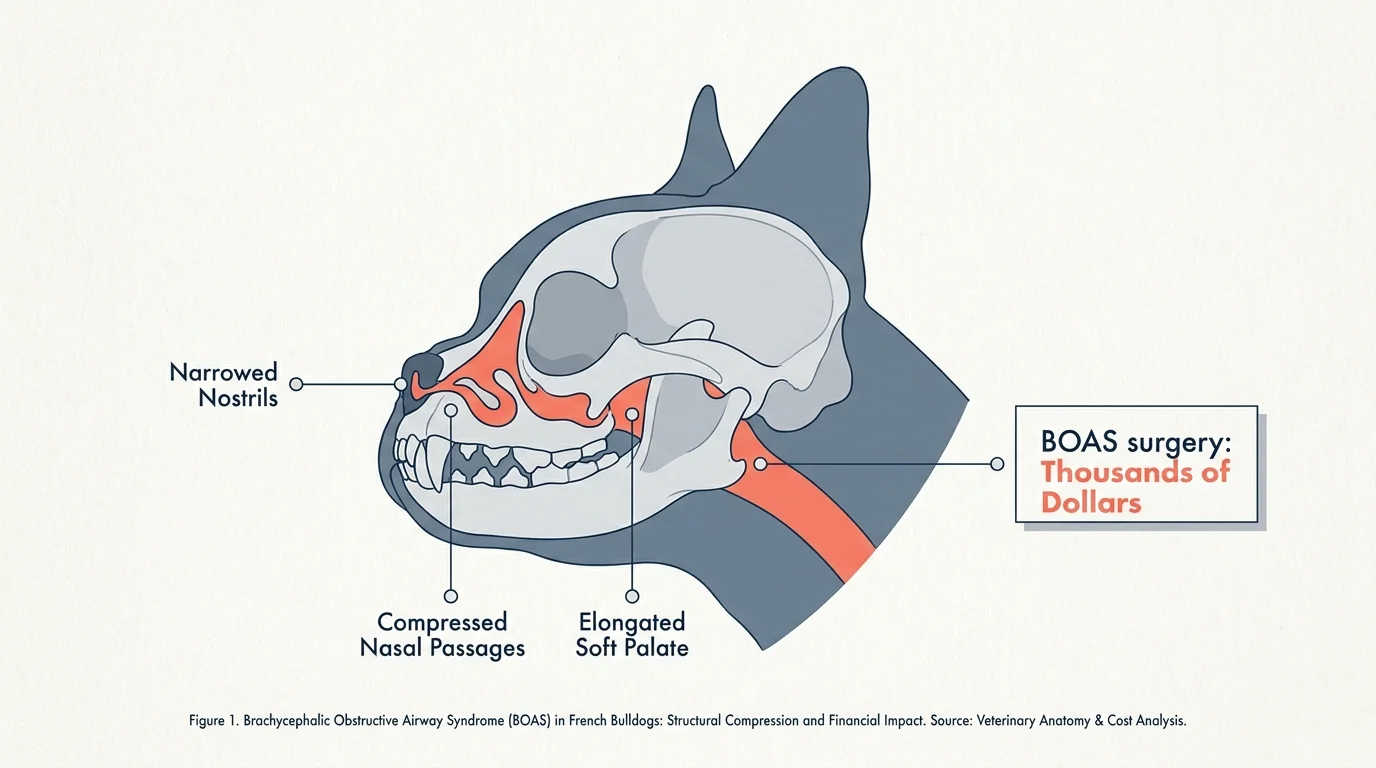
French and English Bulldogs consistently rank among the most popular dog breeds, prized for their affectionate personalities and distinctive, adorable wrinkles. However, their unique physical structure makes them incredibly expensive to maintain throughout their lives. These flat-faced breeds are categorized as brachycephalic, meaning their shortened skulls compress their nasal passages and airways. This anatomical quirk frequently leads to Brachycephalic Obstructive Airway Syndrome (BOAS).
Before committing to a bulldog, it may be helpful to compare their needs with those of the best dog breeds for first-time owners who are generally easier to manage.
To give your bulldog a comfortable life, you may need to invest in BOAS surgery, which involves widening the nostrils and shortening the elongated soft palate. This specialized procedure routinely costs thousands of dollars. According to the American Veterinary Medical Association (AVMA), brachycephalic breeds require diligent monitoring for respiratory distress, particularly in warm weather, as their compromised airways make them highly susceptible to heatstroke.
Beyond respiratory issues, bulldogs are notoriously prone to severe environmental and food allergies. You will likely find yourself purchasing expensive prescription diets or paying for monthly cytopoint injections to soothe their irritated skin. Furthermore, their adorable facial folds require daily cleaning with specialized wipes to prevent painful bacterial and fungal infections. When you combine the potential for emergency airway procedures, dermatology visits, and specialized diets, bulldogs easily become one of the most financially demanding dogs you can invite into your home.
Exotic Birds: Macaws and African Greys
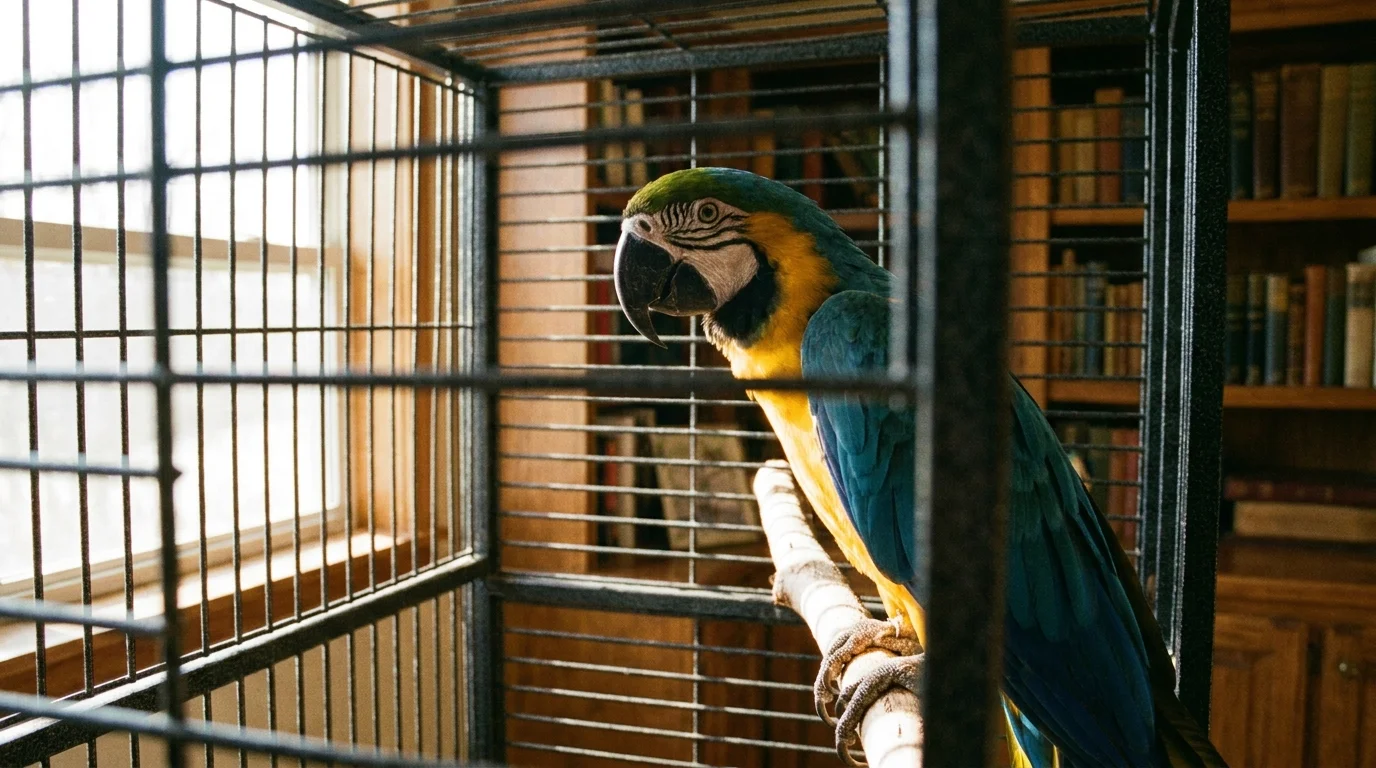
Large parrots like Macaws, Cockatoos, and African Greys captivate bird lovers with their brilliant plumage, incredible intelligence, and remarkable ability to mimic human speech. What many prospective owners fail to calculate is the sheer longevity of these beautiful creatures. A healthy Macaw can easily live between 50 and 80 years, effectively requiring a lifelong financial commitment—and in many cases, an estate plan.
These intelligent birds are known to be pets that love following their owners everywhere, demanding constant attention and engagement.
Housing a large bird requires a massive, heavy-duty powder-coated cage that can withstand the crushing power of a parrot’s beak. These enclosures often cost well over a thousand dollars and must be replaced if the coating begins to chip, as exposed metal can cause fatal heavy metal toxicity. Diet is another substantial ongoing expense. Gone are the days of feeding birds a simple, inexpensive seed mix; avian experts now know that seeds lead to fatty liver disease. Your parrot requires a daily diet of premium formulated pellets, fresh organic vegetables, complex carbohydrates, and safe fruits.
Perhaps the most surprising cost of owning a large parrot is their enrichment. Parrots possess the intelligence of a human toddler and require constant mental stimulation to prevent severe behavioral issues like feather plucking and screaming. You must provide a steady stream of destructible wooden toys. Because a Macaw can easily shred a thirty-dollar wooden toy in a single afternoon, your monthly toy budget can quickly rival your own grocery bill. Additionally, locating an exotic avian veterinarian for routine bloodwork and beak trims usually comes with a specialist price tag.

High-Maintenance Felines: Sphynx and Maine Coon Cats
While standard domestic shorthair cats are generally budget-friendly, specific purebred felines carry hidden costs that catch many owners off guard. Two distinct examples on opposite ends of the spectrum are the hairless Sphynx and the massive Maine Coon.
While certain breeds have expensive requirements, you can still find essential cat care products under $50 that provide high quality without the high price tag.
The Sphynx cat, famous for its lack of fur, requires an intense grooming routine. Because they lack a coat to absorb their natural body oils, you must bathe them regularly with specialized hypoallergenic shampoos to prevent severe acne and skin infections. Additionally, their lack of insulation means they burn calories at a highly accelerated rate just to stay warm. You will need to feed your Sphynx a larger quantity of premium, high-protein food than a standard cat requires. Furthermore, they are genetically predisposed to Hypertrophic Cardiomyopathy (HCM), a serious heart condition. Veterinary research from the Cornell University College of Veterinary Medicine emphasizes the importance of routine echocardiograms for breeds predisposed to HCM, adding a recurring specialist fee to your budget.
Conversely, the Maine Coon demands a high budget purely due to its immense size. These gentle giants frequently weigh between 15 and 25 pounds. Everything you purchase for a Maine Coon must be scaled up. Standard litter boxes are entirely too small; you will need to buy custom enclosures or utilize extra-large cement mixing tubs. Flimsy pet store cat trees will quickly collapse under their weight, requiring you to invest in heavy-duty, solid wood furniture. Furthermore, their large frames make them susceptible to hip dysplasia, often necessitating expensive joint supplements and orthopedic interventions as they age.
Giant Dog Breeds: Great Danes and Mastiffs
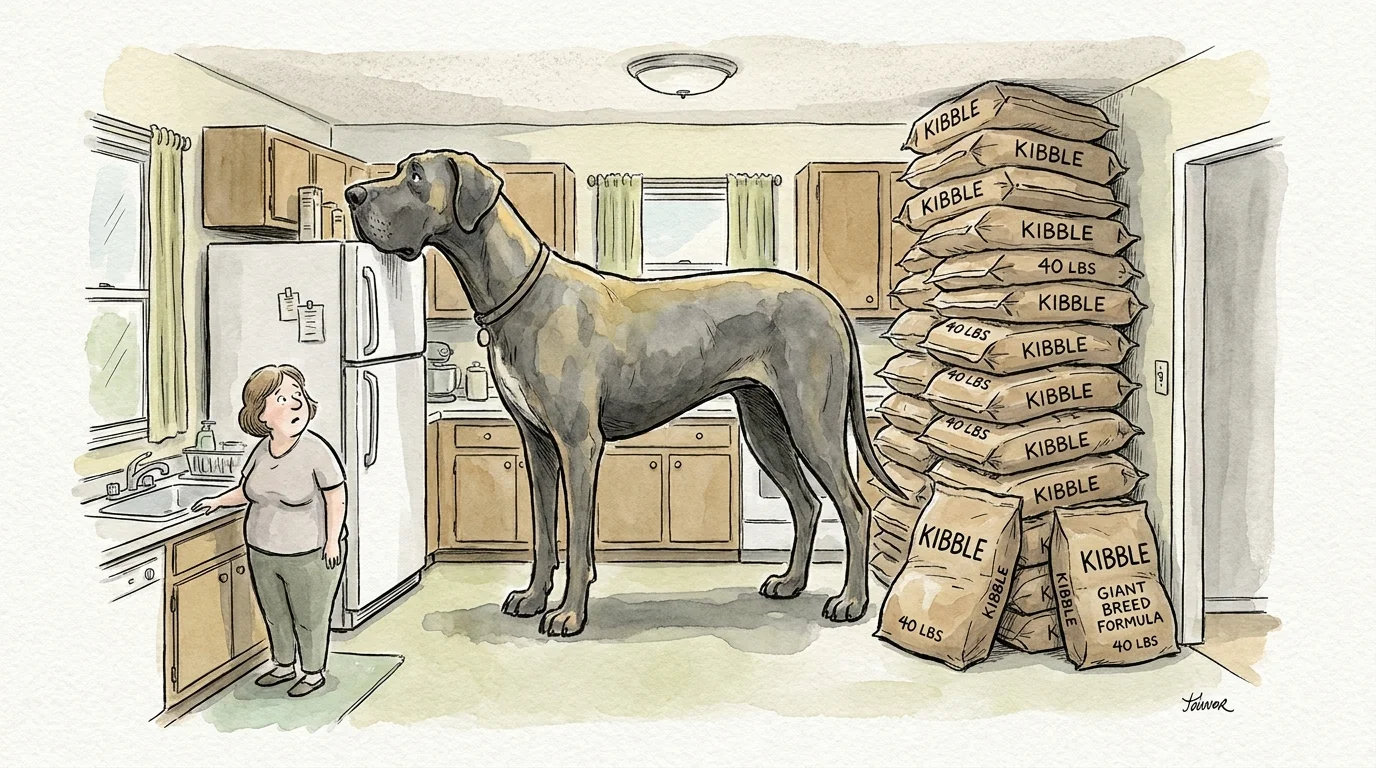
Owning a giant dog breed like a Great Dane, English Mastiff, or Saint Bernard is an incredibly rewarding experience. These dogs are fiercely loyal, surprisingly gentle, and wonderful family protectors. However, the basic laws of physics dictate that caring for a 150-pound animal costs significantly more than caring for a 30-pound animal.
Due to their high maintenance costs and physical strength, these giants are often contrasted with the best pets for seniors living alone who may prefer a smaller, more manageable companion.
Everything in the veterinary world is dosed by weight. When you purchase monthly flea, tick, and heartworm preventatives for a Mastiff, you often have to buy two different weight-class boxes and combine the doses just to cover their massive size. Antibiotics, pain medications, and surgical anesthesia are dramatically more expensive because your dog requires such a high volume of the medication.
Nutrition is another unavoidable daily expense. A growing giant breed puppy consumes incredible amounts of food, and an adult can easily eat six to eight cups of premium kibble daily. You must also budget for prophylactic gastropexy—a surgical procedure where the stomach is tacked to the abdominal wall to prevent Gastric Dilatation-Volvulus (bloat), a fatal condition prevalent in deep-chested giants.
| Expense Category | Standard Dog (30 lbs) | Giant Breed (150 lbs) |
|---|---|---|
| Premium Food (Monthly) | $40 – $60 | $120 – $200 |
| Heartworm/Flea Preventative (Monthly) | $20 – $30 | $60 – $80 |
| Orthopedic Bedding (Initial Cost) | $40 – $70 | $150 – $300 |
| Joint Supplements (Monthly) | $15 – $25 | $45 – $75 |
“Large and giant breed dogs age at an accelerated rate compared to their smaller counterparts. Investing in high-quality joint support and regular orthopedic evaluations early in life is critical to preserving their mobility and comfort.” — Dr. Jonathan Hayes, Veterinary Orthopedic Specialist
Specialized Reptiles: Iguanas and Tortoises
Reptiles are frequently marketed in pet stores as low-maintenance, inexpensive starter pets. You might see a tiny, bright green baby iguana or a silver-dollar-sized tortoise sitting in a ten-gallon tank with an affordable price tag. This deceptive marketing hides the massive, complex environments these animals require as they reach adulthood.
While they may not be as expressive as dogs, understanding the way these pets quietly communicate with owners through subtle shifts in posture is vital for identifying their needs.
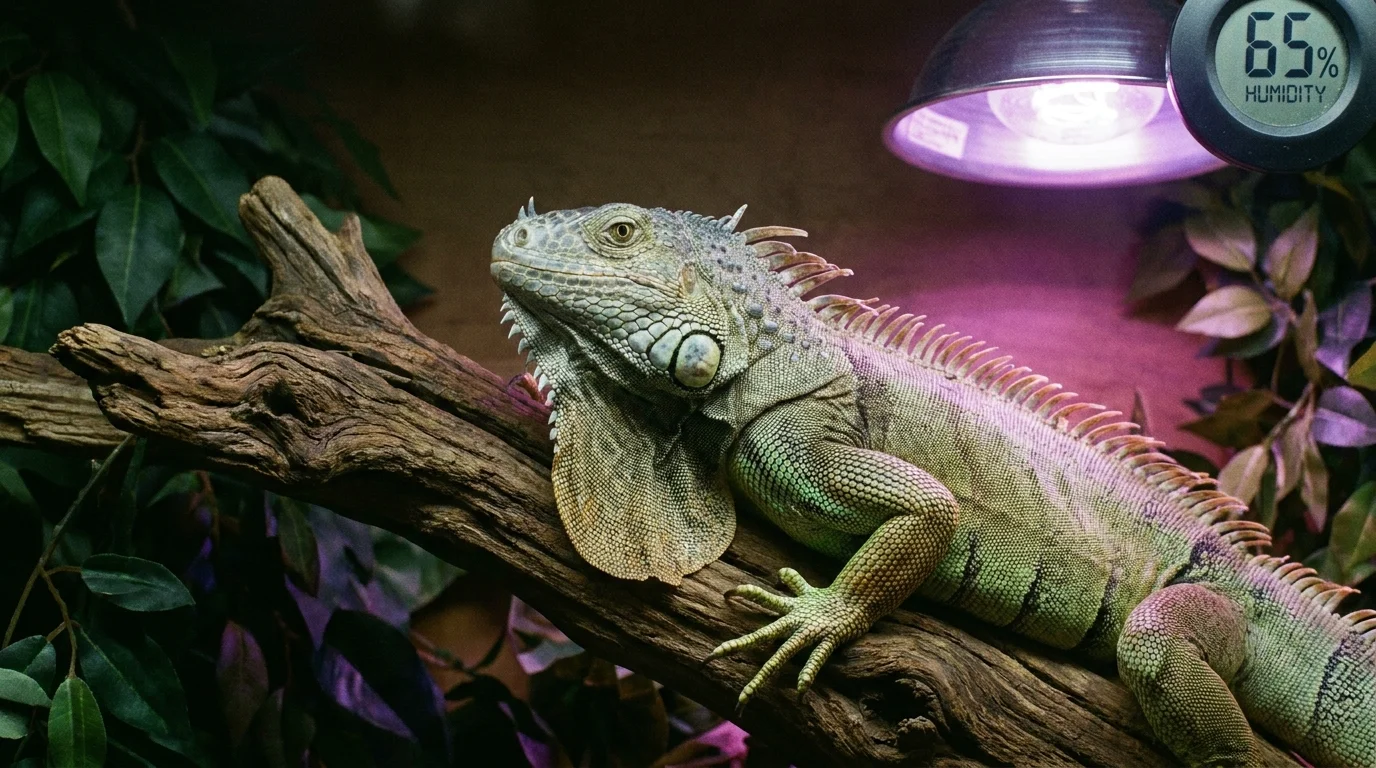
A Green Iguana can grow up to six feet long. They require custom-built, walk-in enclosures that allow for climbing and basking. Maintaining a tropical environment inside a large enclosure requires powerful ceramic heat emitters, humidifiers, and specific thermostat controllers, all of which substantially increase your monthly electricity bill. Tortoises, such as the popular Sulcata, grow remarkably fast and possess immense strength. They will quickly outgrow any indoor terrarium and require heavily fortified outdoor runs or heated, insulated sheds for the winter months.
Lighting is a hidden cost that catches many new reptile keepers off guard. Reptiles rely on specific ultraviolet (UVB) light spectrums to synthesize vitamin D3 and process calcium. Without proper UVB, they develop fatal Metabolic Bone Disease. These specialized bulbs must be replaced every six months without fail. Even if the bulb still emits visible light, the invisible UVB output degrades rapidly, rendering the bulb useless to your pet. Consistently replacing high-quality linear UVB bulbs across a massive enclosure is a strict, non-negotiable expense.
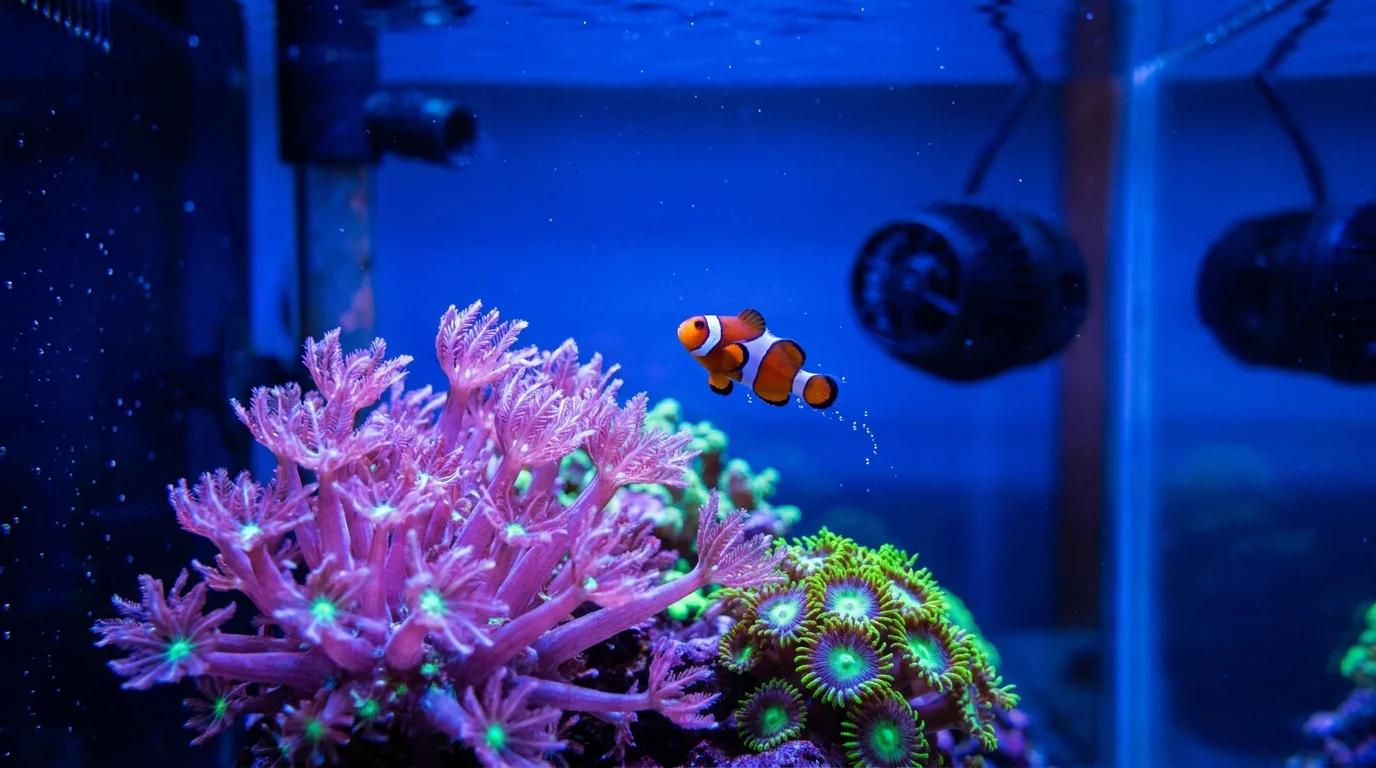
Saltwater Aquariums: Reef Fish and Corals
Maintaining a thriving saltwater reef tank is more akin to balancing a delicate chemical laboratory than keeping a traditional pet. While a freshwater betta fish can live happily in a simple, filtered tank, the marine environment demands intense precision, top-tier equipment, and considerable ongoing financial investment.
Before you even purchase a single fish, the setup costs are staggering. You will need a high-quality glass or acrylic aquarium, a specialized sump filtration system, protein skimmers to remove organic waste, wavemakers to simulate ocean currents, and a Reverse Osmosis Deionized (RODI) water filtration system to ensure your tap water is pure enough to use. If you plan to keep corals, you must invest in advanced LED lighting systems capable of mimicking specific ocean depths—lights that frequently cost several hundred dollars apiece.
The livestock itself is highly expensive. Saltwater fish are notoriously delicate; a sudden swing in salinity or temperature can easily wipe out hundreds of dollars worth of fish in a matter of hours. You must constantly purchase high-quality marine salt mixes, chemical testing kits for alkalinity, calcium, and magnesium, and specialized frozen diets. A saltwater aquarium is a stunning centerpiece for any home, but it requires a hefty monthly maintenance budget to sustain its delicate ecosystem.
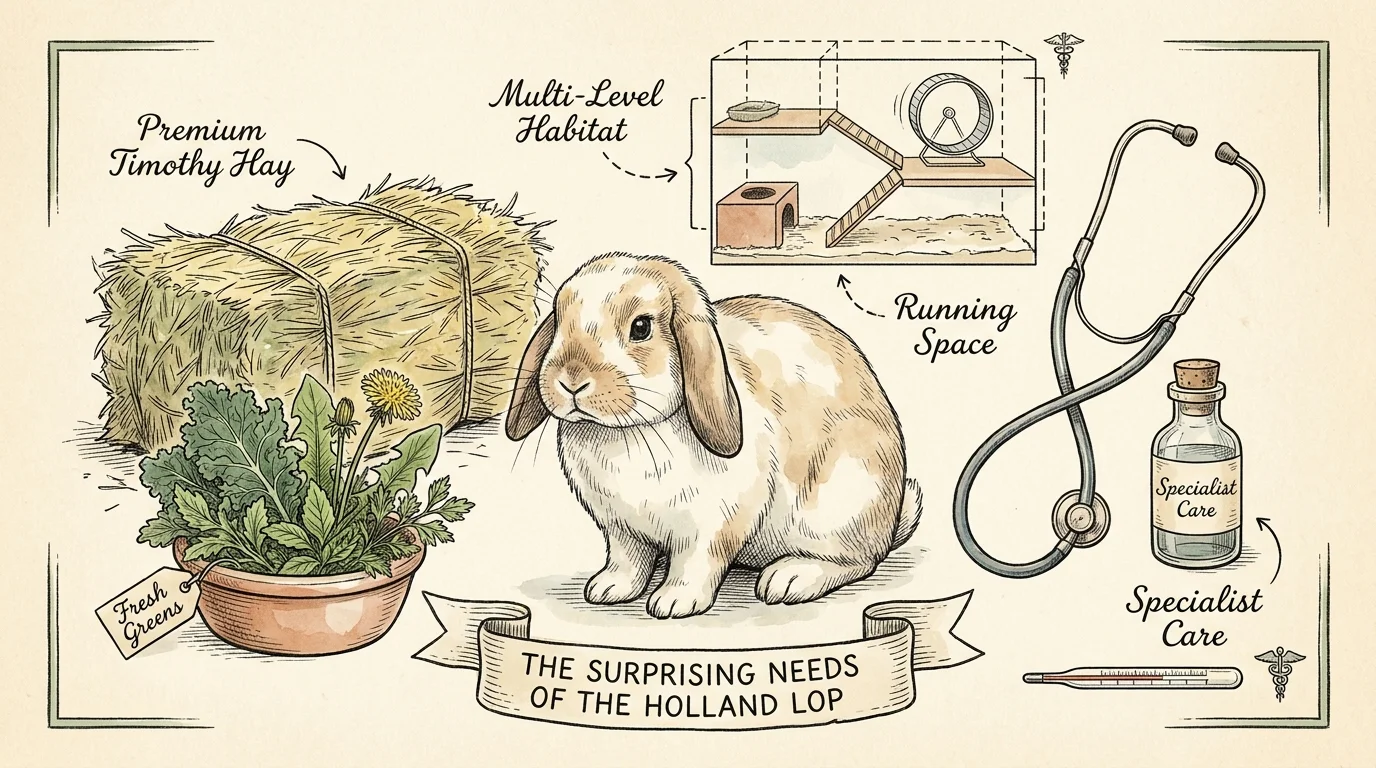
Small but Costly Mammals: Rabbits and Ferrets
Small mammals suffer from the misconception that their small size equates to a small budget. Rabbits and ferrets are highly intelligent, social animals that require specialized veterinary care and expansive, pet-proofed living quarters.
Rabbits are obligate herbivores with highly sensitive digestive tracts. They require an unlimited supply of fresh Timothy hay, a specific daily allowance of high-quality pellets, and a diverse salad of fresh leafy greens. Because their teeth grow continuously, they need a constant supply of safe chewing materials. If a rabbit stops eating for even twelve hours, it can develop Gastrointestinal (GI) Stasis—a life-threatening medical emergency requiring immediate, expensive exotic veterinary intervention. Furthermore, keeping a rabbit in a tiny wire cage is inhumane; they require large exercise pens or entirely free-roam access in a meticulously pet-proofed room.
Ferrets are notoriously mischievous—a trait that makes them highly entertaining but incredibly prone to swallowing household objects. This habit leads to a high rate of intestinal blockages, requiring emergency surgery. Ferrets are also genetically prone to several serious health conditions, particularly adrenal gland disease and insulinoma. Managing these conditions requires annual veterinary visits, specialized hormone implants, and ongoing medication. Because both rabbits and ferrets are considered exotic species, you must seek out a specialized exotic veterinarian, whose consultation fees are notably higher than a standard dog and cat clinic.

Budgeting for Unexpected Pet Expenses
Understanding the actual cost of your pet is the first step; actively preparing for those costs is the second. Financial preparedness ensures that when a medical emergency arises, you can make decisions based on your pet’s best interests rather than your bank account.
The most effective strategy for managing high veterinary costs is securing a comprehensive pet insurance policy while your pet is young and healthy. Pet insurance companies do not cover pre-existing conditions, so locking in a policy immediately after bringing your pet home is crucial. Look for plans that cover hereditary conditions, emergency surgeries, and prescription medications. According to the American Animal Hospital Association (AAHA), establishing a strong preventative care routine alongside good insurance coverage dramatically reduces the likelihood of catastrophic medical expenses later in your pet’s life.
In addition to insurance, establish a dedicated pet emergency sinking fund. Automatically transfer a set amount of money into a high-yield savings account each month. This fund covers the co-pays, deductibles, and routine care that insurance might not cover, such as dental cleanings or specialized grooming. Furthermore, look into third-party medical financing options like CareCredit, which offer interest-free promotional periods for veterinary expenses. By combining insurance, a sinking fund, and a backup credit line, you create a robust financial safety net for your companion.
“Proactive dental care is one of the most frequently overlooked budget items. Brushing your pet’s teeth at home and budgeting for routine professional cleanings can prevent systemic infections and extend your companion’s life significantly.” — Dr. Sarah Mitchell, DVM
Frequently Asked Questions
Is pet insurance worth the cost for expensive breeds?
Yes, pet insurance is highly recommended, especially for purebred dogs, giant breeds, and animals predisposed to genetic health issues. While the monthly premiums may seem high, a single emergency surgery for bloat or a chronic condition like allergies can cost thousands of dollars. Insurance provides peace of mind, allowing you to approve life-saving treatments without hesitation.
How much should I save in an emergency fund for my pet?
A safe baseline for a pet emergency fund is between $1,500 and $3,000, depending on the size and species of your pet. This amount typically covers the initial diagnostic tests, stabilization, and overnight observation at a 24-hour emergency veterinary clinic. If you own a giant breed or an exotic pet, aim for the higher end of that spectrum, as their medications and specialized care inherently cost more.
Are mixed breed dogs cheaper to own than purebreds?
Generally, mixed breed dogs benefit from “hybrid vigor,” meaning they have a wider gene pool and are less likely to inherit the specific genetic disorders prevalent in heavily inbred purebred lines. This often translates to lower lifetime veterinary costs. However, every dog is an individual; a mixed breed can still experience accidents, develop cancer, or require specialized behavioral training. Always budget for the unexpected, regardless of your dog’s pedigree.
Can I negotiate veterinary costs?
While you cannot typically haggle over the price of medical services, you can absolutely have an open, honest discussion with your veterinarian about your budget constraints. Veterinarians want to help your pet. If a gold-standard treatment plan is out of reach, ask your vet if there is a “Plan B” or alternative management strategy. They may be able to prioritize certain diagnostics, offer generic medication alternatives, or point you toward local veterinary assistance grants.
For expert pet care guidance, visit
ASPCA, The Humane Society of the United States, Cornell University College of Veterinary Medicine, UC Davis School of Veterinary Medicine and American Animal Hospital Association (AAHA).
Disclaimer: This article is for informational purposes only and is not a substitute for professional veterinary advice, diagnosis, or treatment. Always consult with a licensed veterinarian for medical concerns about your pet.








Leave a Reply