
Why Certain Dog Breeds Excel As Senior Companions
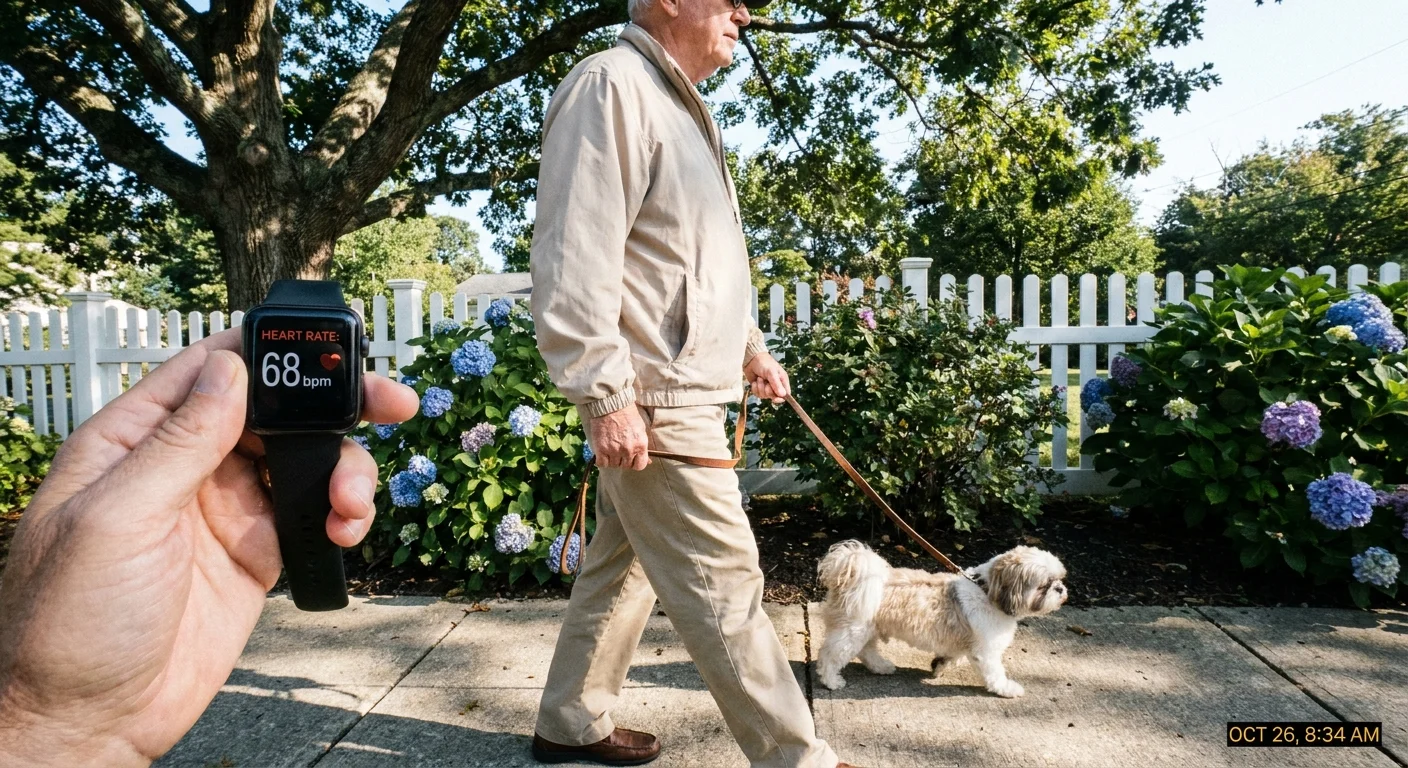
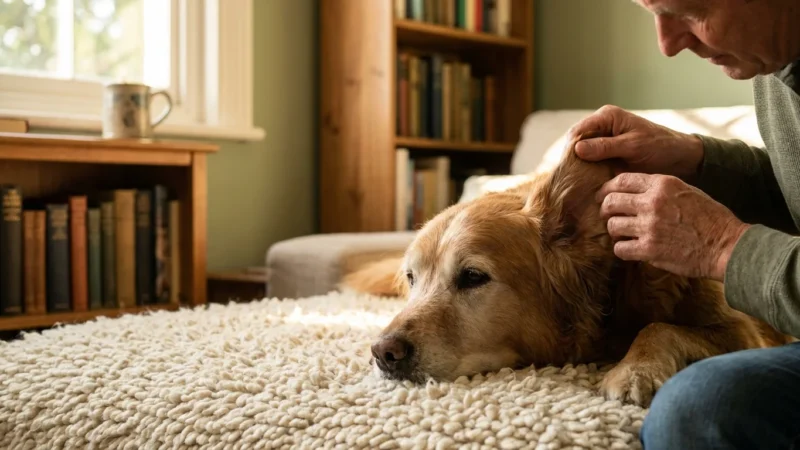
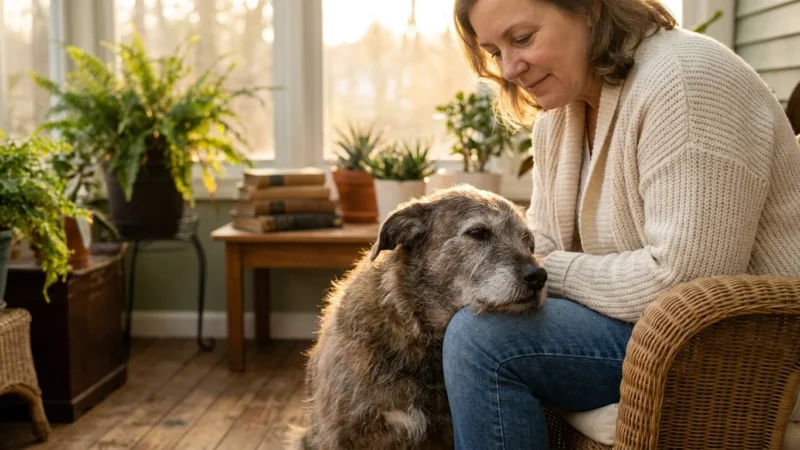
Living alone during retirement brings wonderful freedom, but it can occasionally lead to feelings of isolation. Sharing your home with a dog transforms the atmosphere, filling quiet rooms with quiet footfalls and warm companionship. Beyond the emotional comfort, dogs provide immense physical and psychological benefits. According to the American Veterinary Medical Association (AVMA), interacting with pets can lower your blood pressure, reduce your baseline stress levels, and encourage a heart-healthy daily routine.
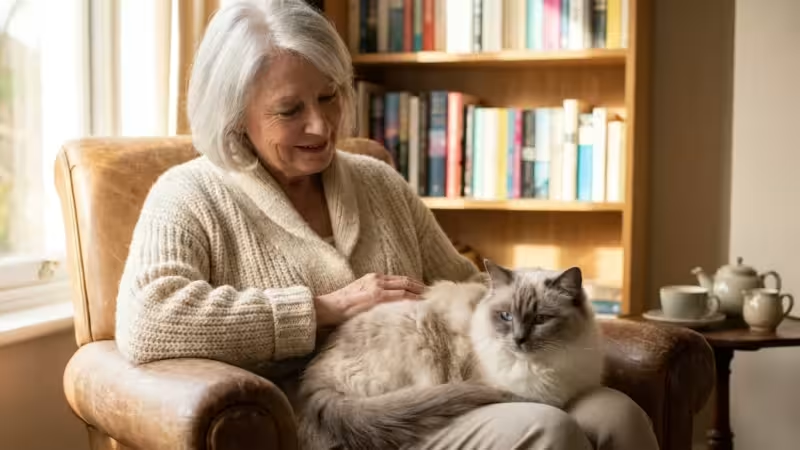
For those who are open to animals other than canines, there are several excellent pets for seniors living alone that offer similar comfort and joy.
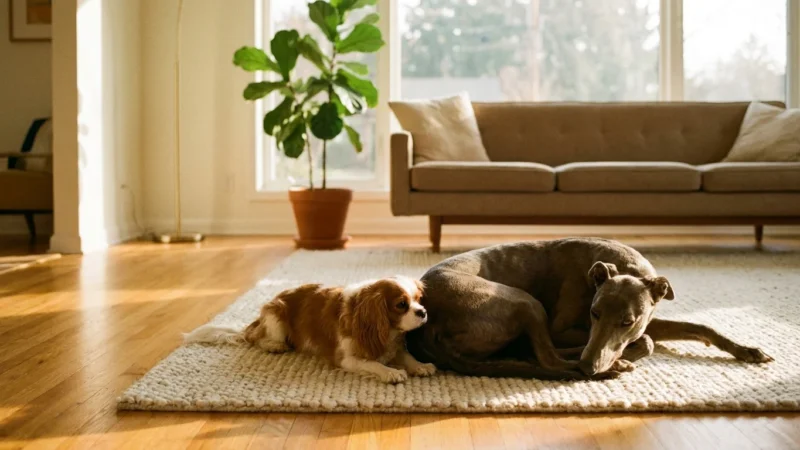
However, not every dog thrives in a quiet, single-person household. High-energy working breeds require rigorous daily running and complex mental tasks to prevent destructive behaviors. For a retiree living alone, a dog with a moderate to low energy level—often belonging to the toy or non-sporting groups—proves to be a much better fit. These breeds have been specifically cultivated over generations to sit on laps, offer affection, and shadow their owners from room to room.
Size also plays a vital role. Small to medium-sized dogs are physically easier to manage on a leash, lift into a vehicle for veterinary appointments, and bathe in a standard tub or sink. If a small dog pulls on the leash during a walk, the risk of a fall or injury is significantly lower than it would be with a large, powerful breed. By prioritizing traits like affectionate temperaments, manageable sizes, and lower exercise needs, you set yourself up for a deeply rewarding relationship.


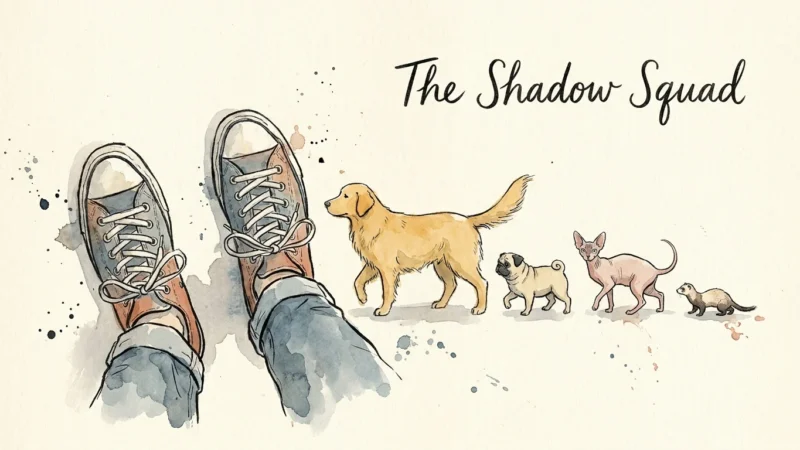
My daughter is an RN. She sees more injuries in elderly people caused by their little dogs. Evidently, seniors have more of a tendency to trip and fall over objects on the floor, resulting in broken hips, shoulders, wrists, etc. Smaller dogs are harder for them to see as they don’t always look down before walking.
especially if they’re dark furred,they’re invisable at nite!
I am a 73 year old womam who lost her 17 year old purebred pekingnese on Nov,30th, 2025. I miss her so much words cannot say. She was our 4th pekingnese, and our baby girl. A friend asked me too soon afterwards if I would consider getting another dog and I emphaticaally replied “no”, but I have changed my mind. Belle was a wonderful companion her whole life, and my husband adored her. Because of their grooming needs, and abounding energy, I am more interested at this time in my life for a small, loving, low energy dog who would fit my lifestyle. I would love another little girl. already potty trained and does not have to be a purebreed. I live all alone and do not drive.