
Meet The Best Companion Breeds For Retirees
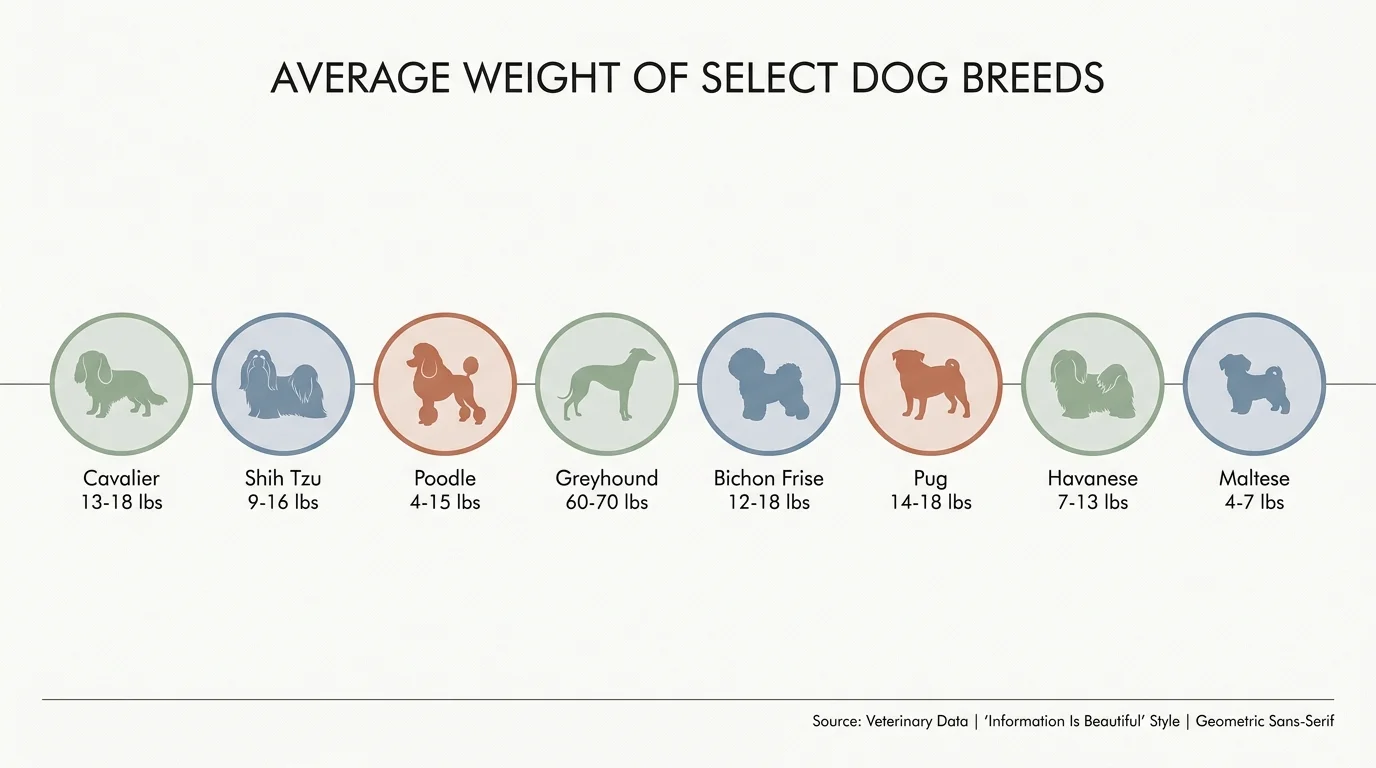
To help you narrow down your search, we have compiled a list of the eight best dog breeds for retirees living solo. The table below offers a quick comparison, followed by an in-depth look at what makes each breed special.
Many of these gentle animals are also featured in our guide to the best dog breeds for first-time owners, as they prioritize ease of care and a friendly nature.
| Breed | Average Weight | Grooming Needs | Energy Level |
|---|---|---|---|
| Cavalier King Charles Spaniel | 13-18 lbs | Moderate | Low-Moderate |
| Shih Tzu | 9-16 lbs | High (or frequent clipping) | Low |
| Poodle (Toy/Miniature) | 4-15 lbs | High | Moderate |
| Greyhound | 60-70 lbs | Low | Low (Couch potato) |
| Bichon Frise | 12-18 lbs | High | Moderate |
| Pug | 14-18 lbs | Low (Daily wrinkle cleaning) | Low |
| Havanese | 7-13 lbs | High (or frequent clipping) | Moderate |
| Maltese | 4-7 lbs | High (or frequent clipping) | Low |

1. Cavalier King Charles Spaniel
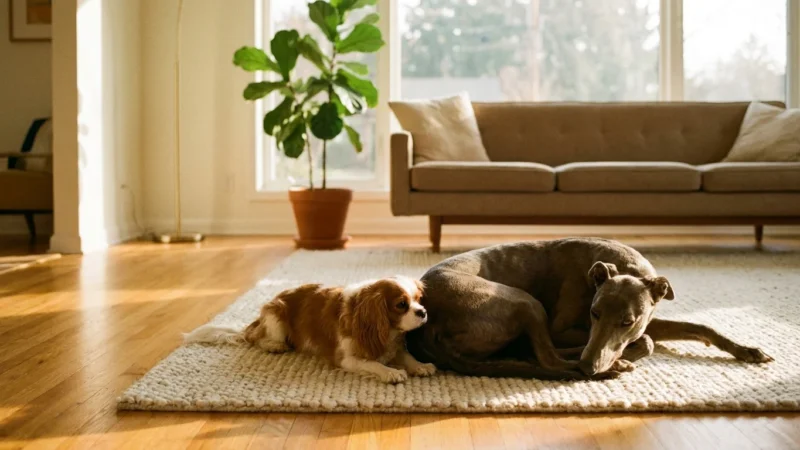
The Cavalier King Charles Spaniel is often considered the ultimate lap dog. With their soulful eyes, soft, floppy ears, and incredibly gentle disposition, these dogs thrive on human connection. They are famously adaptable, happily adjusting their activity levels to match your daily rhythm. If you want to take a leisurely stroll through the park, your Cavalier will be thrilled to sniff along the path. If you prefer an afternoon reading in your favorite armchair, they will gladly curl up by your side.
Their grooming routine requires regular brushing to prevent tangles in their silky, feathered coats, but they do not need the rigorous, expensive haircuts that poodle mixes demand. Cavaliers are eager to please, making them exceptionally easy to train using gentle, positive reinforcement.
When considering this breed, you must keep their health in mind. Cavaliers are prone to a heart condition called Mitral Valve Disease (MVD). Regular veterinary checkups and keeping them at a healthy weight are essential steps for managing their long-term health and ensuring they remain comfortable throughout their lives.

My daughter is an RN. She sees more injuries in elderly people caused by their little dogs. Evidently, seniors have more of a tendency to trip and fall over objects on the floor, resulting in broken hips, shoulders, wrists, etc. Smaller dogs are harder for them to see as they don’t always look down before walking.
especially if they’re dark furred,they’re invisable at nite!
I am a 73 year old womam who lost her 17 year old purebred pekingnese on Nov,30th, 2025. I miss her so much words cannot say. She was our 4th pekingnese, and our baby girl. A friend asked me too soon afterwards if I would consider getting another dog and I emphaticaally replied “no”, but I have changed my mind. Belle was a wonderful companion her whole life, and my husband adored her. Because of their grooming needs, and abounding energy, I am more interested at this time in my life for a small, loving, low energy dog who would fit my lifestyle. I would love another little girl. already potty trained and does not have to be a purebreed. I live all alone and do not drive.