
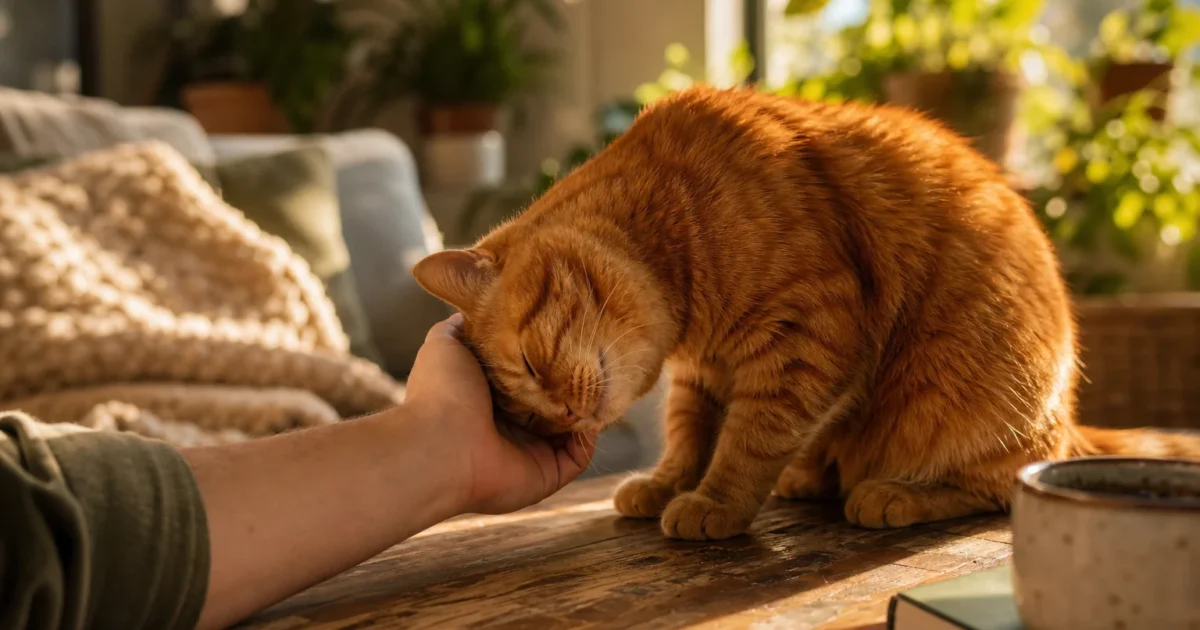
Decoding your companion’s behavior completely transforms the relationship you share, turning confusing moments into profound connection. Dogs and cats communicate constantly through subtle physical cues, yet these signals often get lost in translation. Recognizing the difference between a stressed yawn and a relaxed stretch allows you to advocate for your animal’s well-being before a situation escalates. Whether your dog leans heavily against your leg or your cat slowly blinks from across the room, these actions offer a direct window into their emotional state. By learning to accurately interpret these ten distinct habits, you can build unshakeable trust, prevent behavioral issues, and provide the exact support your furry friend needs at exactly the right time.
It is also worth noting that as your companion grows older, you may observe new changes in your senior pet’s behavior and physical capabilities.
Decoding Subtle Signs of Stress and Anxiety
Many pet owners easily recognize obvious signs of fear, such as a tucked tail, hissing, or growling. However, companion animals display a wide spectrum of much subtler anxiety signals long before they resort to drastic measures. Catching these early warning signs empowers you to remove your pet from an overwhelming environment before they feel forced to defend themselves.
Keep in mind that some sudden behavioral shifts can also stem from physical discomfort, making it crucial to recognize the signs your pet is in pain.
To better interpret your canine’s non-verbal signals, consider referring to our visual guide to dog body language.
1. Suddenly Yawning When Not Tired
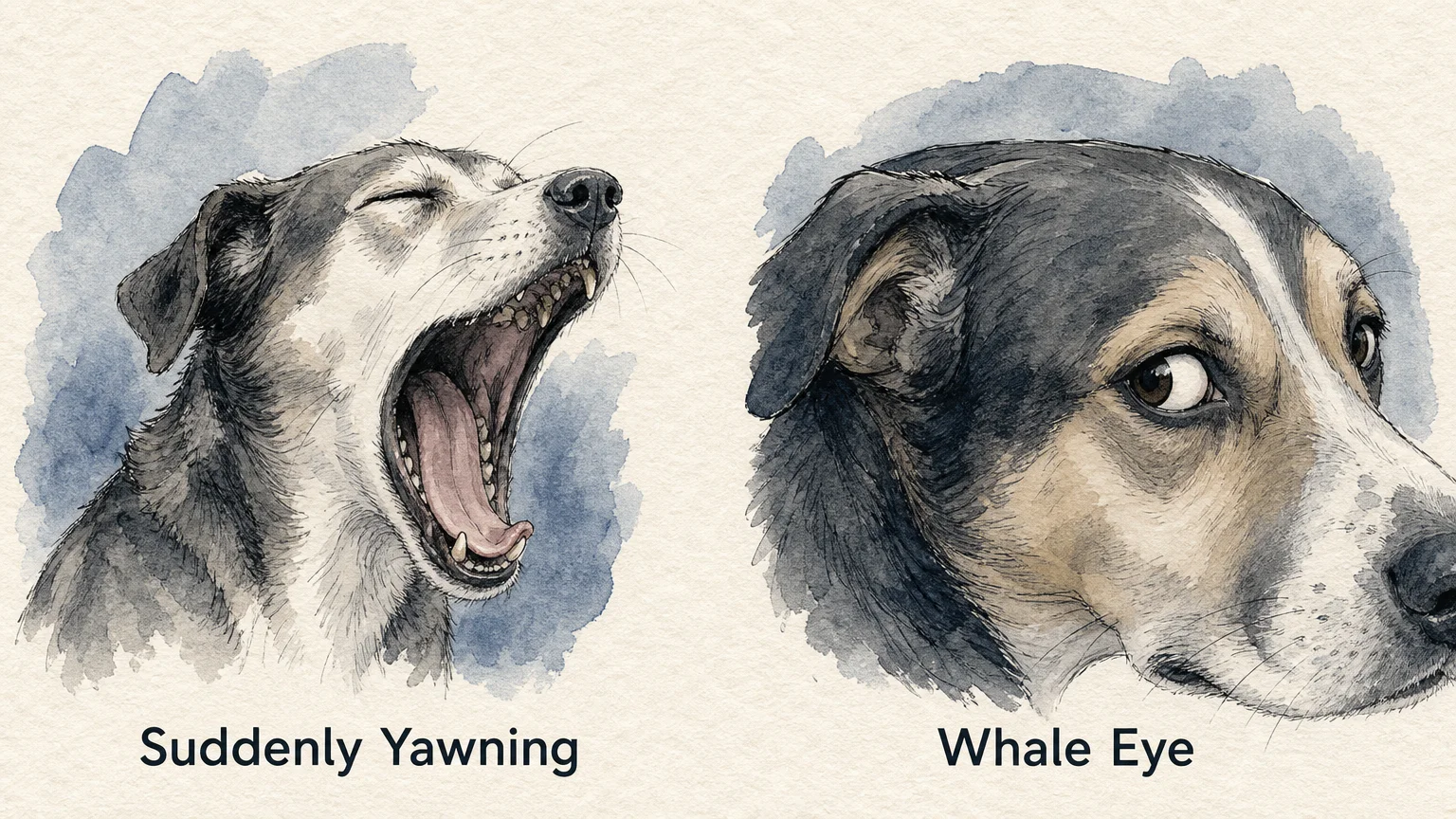
You probably associate yawning with bedtime, a boring movie, or waking up from a long nap. When your dog or cat yawns in the middle of a lively gathering, a training session, or an encounter with a stranger, they are not communicating fatigue. In the animal kingdom, an out-of-context yawn serves as a classic displacement behavior. Animals use displacement behaviors to cope with conflicting emotional states or mild anxiety.
When your dog yawns while being hugged by a child or examined by the veterinarian, they are attempting to defuse tension and calm themselves down. The yawn physically releases jaw tension while signaling to others that they mean no harm. When you observe a context-free yawn, immediately assess the environment. Give your pet physical space, ask strangers to step back, and allow your companion to approach new situations at their own pace.
2. The Infamous “Whale Eye”
The term “whale eye” refers to a specific facial expression where an animal turns their head slightly away but keeps their eyes fixed on a perceived threat, exposing the white portion (the sclera) of their eyes in a half-moon shape. You will frequently see this behavior in dogs who feel possessive over a high-value chew bone or when a feline feels cornered by an overly enthusiastic houseguest.
Whale eye indicates severe discomfort and acts as a clear warning sign that a bite or a scratch could follow if the pressure continues. Never punish a pet for displaying whale eye; doing so suppresses their warning system, leading to animals who bite without any prior notice. Instead, respect the boundary immediately. If your dog exhibits whale eye while guarding a toy, cheerfully call them away to another room and offer a high-value treat exchange rather than forcefully taking the item from their mouth.
3. Excessive Lip Licking and Nose Flicking
Unless you just offered your pet a spoonful of peanut butter or a plate of wet food, excessive lip licking reveals underlying emotional turbulence. According to the Association of Professional Dog Trainers (APDT), lip licking outside of mealtimes acts as a displacement behavior designed to self-soothe during moments of perceived pressure. You will often spot this rapid, repetitive tongue flicking when you scold your pet, when they encounter a dominant animal, or when they hear loud, unpredictable noises like fireworks.
Understanding these subtle indicators is key, as there are several other body changes in dogs that warrant close attention from owners.
Many owners mistakenly interpret this habit as hunger or anticipation. Looking closely at the accompanying body language—such as pinned back ears, a tightly closed mouth, and a furrowed brow—clarifies the animal’s true feelings. To help a nervous pet exhibiting this behavior, lower your tone of voice, avert direct eye contact, and redirect them to a simple, familiar task like a “sit” or “touch” command to rebuild their confidence.
Unmistakable Expressions of Trust and Affection
Just as pets display subtle signs of distress, they also possess a rich vocabulary for communicating love, security, and absolute trust. Because animals operate largely on instinct, choosing to let down their guard in your presence serves as the highest compliment they can pay.
In addition to reading their cues, you can explore several ways to bond with your cat beyond playtime to enhance your relationship.
4. Slow Blinking: A Feline Kiss
If you share your home with a cat, you have likely noticed them staring at you from across the room, only to slowly lower their eyelids and smoothly open them again. Feline behaviorists frequently refer to this gesture as a “cat kiss.” In the wild, closing the eyes in the presence of another predator represents extreme vulnerability. By offering a slow blink, your cat explicitly tells you that they feel completely safe in your presence.
If your cat displays unusual distance or aggression instead of affection, understanding common cat behavior problems can help you identify when to seek professional help.
You can actively participate in this beautiful cross-species communication. When your cat slow-blinks at you, soften your facial expression and slowly blink back. This simple exchange builds profound rapport and helps soothe anxious felines in stressful environments. You can even initiate the slow blink to reassure a timid new rescue cat that you harbor no aggressive intentions.
5. Leaning Heavily Against Your Legs
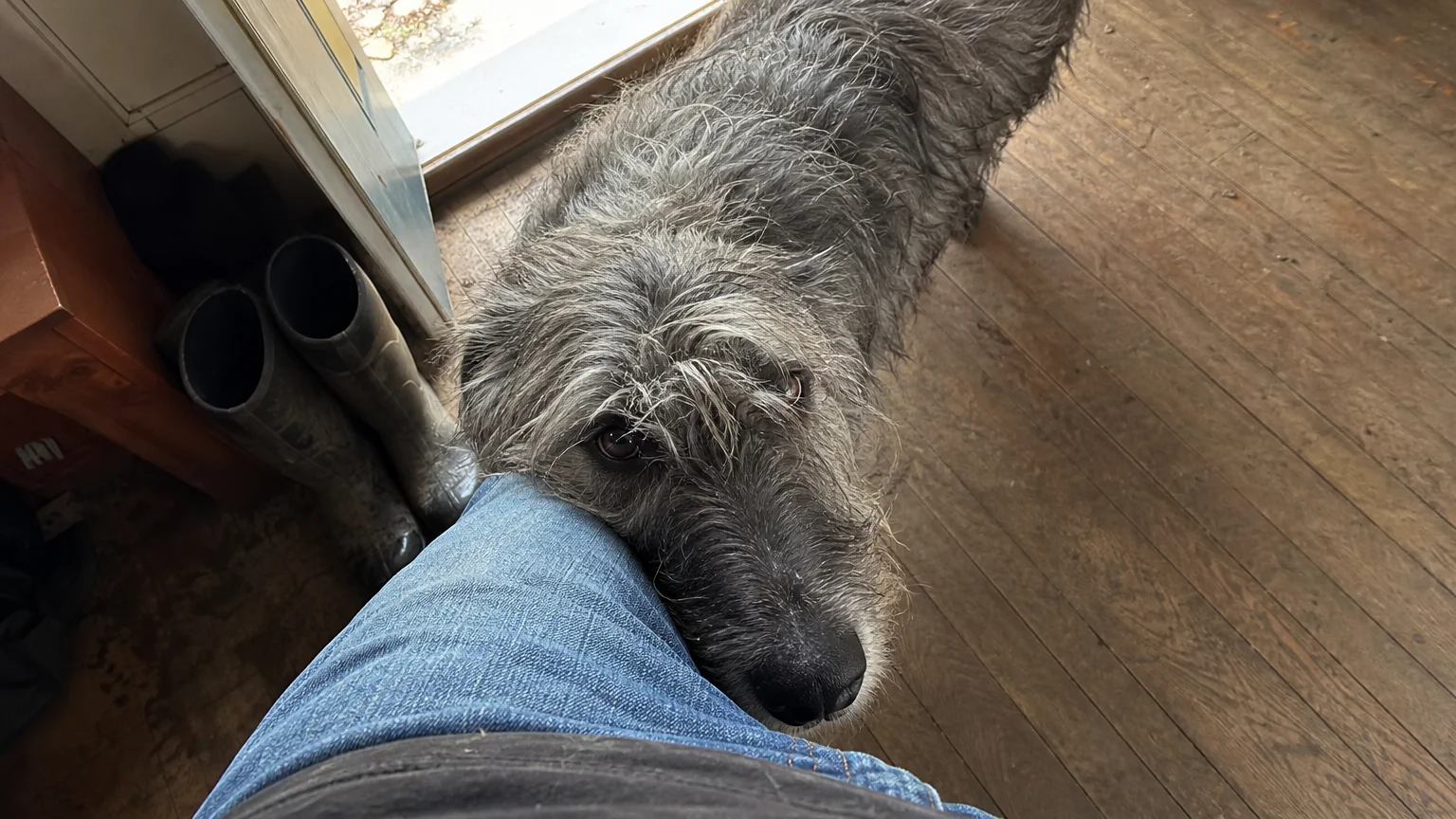
A dog pressing their body weight solidly against your shins or feet represents much more than a request for physical support. This habit stems from a deep-seated desire for connection and security. Similar to how weighted blankets calm the human nervous system, deep pressure therapy soothes dogs. By leaning on you, your dog literally grounds themselves using your physical presence.
While some dogs lean to solicit affectionate scratches, others do it when they feel slightly overwhelmed in new environments, such as a busy park or a crowded outdoor café. When your dog leans against you, gently stroke their chest or shoulder to validate their trust. Avoid pushing them away, as this rejects their bid for security. However, if the leaning accompanies fearful trembling, quietly guide your dog to a quieter, less stimulating environment.
6. Exposing the Vulnerable Belly
An animal rolling over to expose their stomach sends a powerful message, though the exact meaning depends heavily on the context and the species. When a relaxed cat flops onto their back in a sunbeam, they demonstrate ultimate comfort. However, a cat exposing their belly does not necessarily invite a belly rub. Their stomach houses their most vital organs, and touching it can trigger a defensive scratch or bite. Treat a cat’s exposed belly as a display of trust to be admired with your eyes, not your hands.
For dogs, the belly exposure generally takes two forms. A loose, wiggly dog with an open, panting mouth who flops onto their back enthusiastically invites belly rubs and physical play. Conversely, a dog who rigidly drops to the floor, tucks their tail between their legs, and avoids eye contact while exposing their belly is displaying an appeasement roll. This submissive habit means “please do not hurt me.” Never force physical contact on a dog showing submissive appeasement; instead, crouch down nearby, speak softly, and allow them to initiate contact when they feel ready.
Playful Quirks and Energy Surges
Animals experience sudden shifts in emotional energy that demand physical release. Recognizing the difference between joyful playfulness and chaotic overstimulation helps you channel their energy into productive, relationship-building activities.
Incorporating scheduled play sessions into a consistent daily pet care routine is an excellent way to manage these natural energy peaks.
7. The Zoomies: Frantic Random Activity Periods
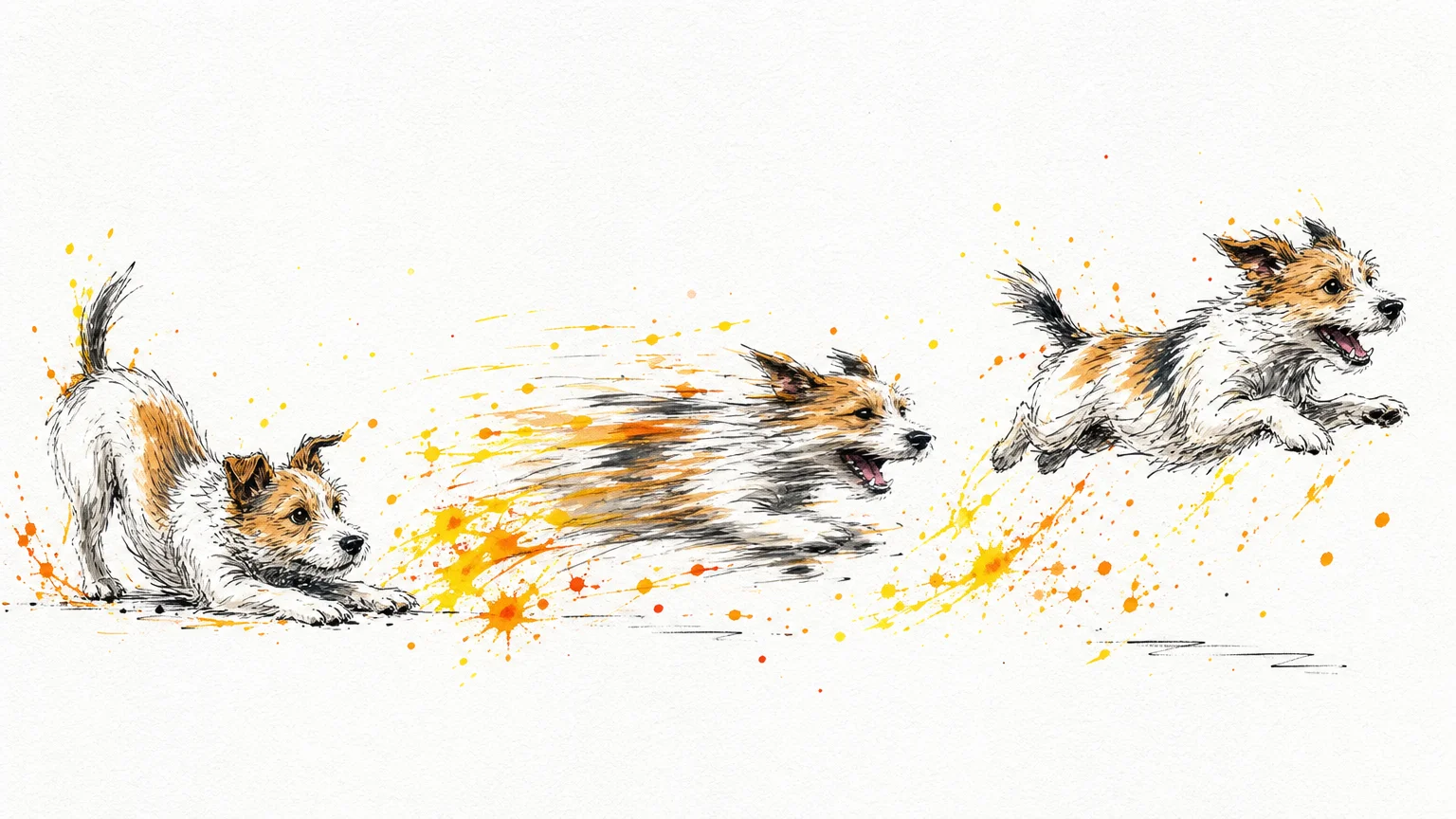
Practically every pet owner has witnessed their animal suddenly transform into a high-speed blur, sprinting from room to room, banking off couches, and skidding across hardwood floors. Veterinarians officially call these episodes Frenetic Random Activity Periods (FRAPs), though most people affectionately know them as “the zoomies.”
Zoomies occur when an animal experiences a massive surge of pent-up energy or joyous excitement that they simply must burn off. You will frequently see this habit after a stressful event concludes (like a bath or a vet visit), late in the evening, or during crisp, cool weather. Zoomies are entirely natural and indicate a healthy, happy pet. The best way to handle the zoomies is to clear the runway of dangerous obstacles, stand back, and let them exhaust the energy. Do not chase them, as this only fuels their manic excitement and turns the episode into a high-stakes game of tag.
8. Bringing You Random Objects
When your dog trots into the room carrying a dirty sock, a favorite squeaky toy, or a random stick, they are initiating a complex social interaction. While some breeds, like Golden Retrievers and Labrador Retrievers, carry objects purely because their genetics dictate a desire to hold things in their mouths, this habit usually signifies a bid for attention and bonding.
Using positive reinforcement training techniques can help redirect these playful behaviors into productive habits.
Bringing you an object translates to “I want to interact with you, and I brought an icebreaker.” Sometimes it is an invitation to play fetch or tug-of-war. Other times, the pet simply wants to show you their prized possession, expecting verbal praise rather than having you take the item away. Acknowledge the gift with enthusiastic praise. If they bring an inappropriate item like a shoe, do not scold them. Simply trade the shoe for an acceptable toy to reinforce positive choices without rejecting their desire to connect.
Self-Soothing Behaviors You Might Overlook
Pets possess remarkable internal mechanisms for emotional regulation. They frequently engage in repetitive behaviors that naturally lower their heart rate and release calming endorphins into their bloodstream.
9. Kneading or “Making Biscuits”
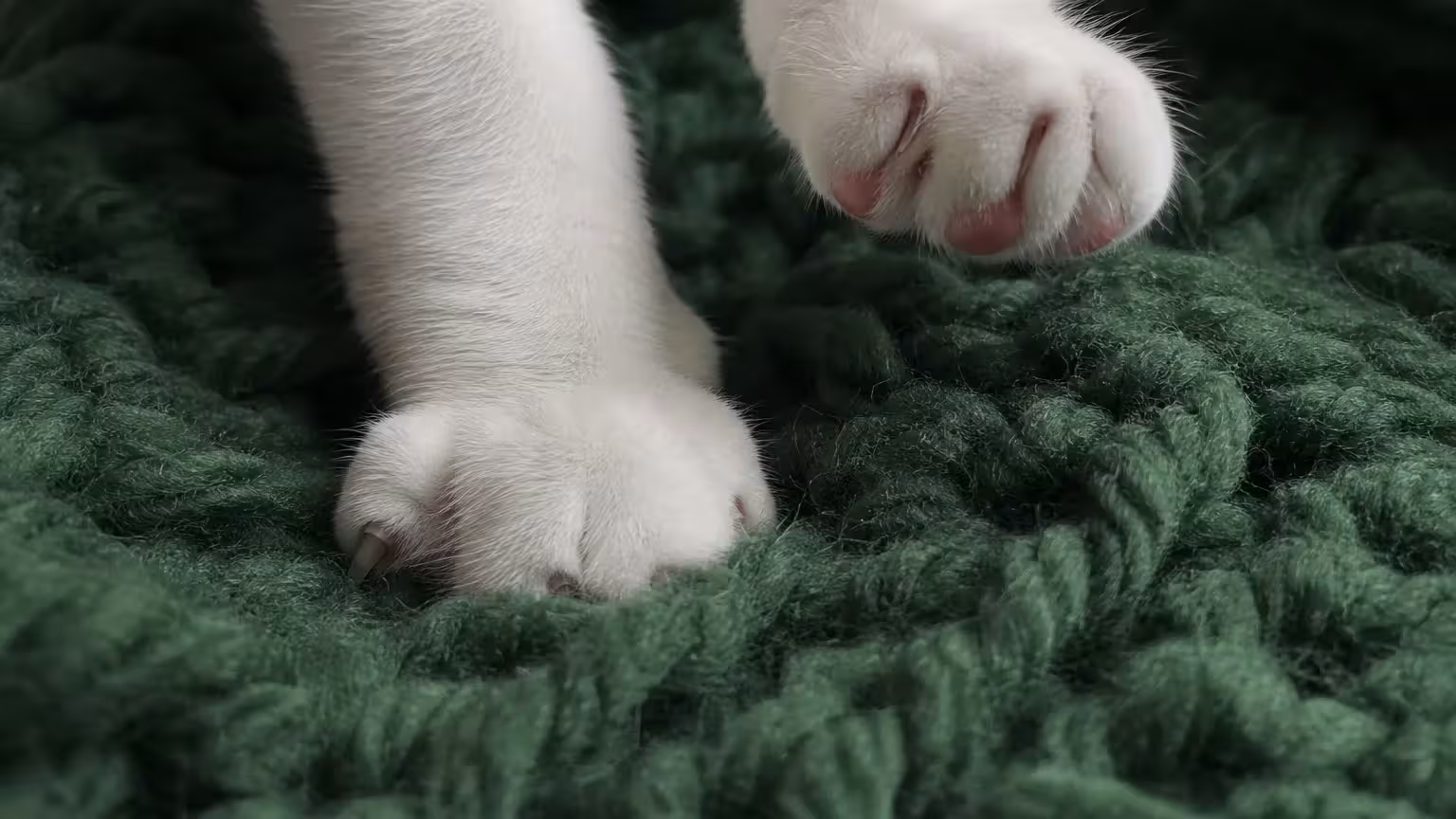
Kneading remains one of the most endearing feline habits. A cat rhythmically pressing their paws alternately into a soft blanket, a pillow, or your lap traces back to their earliest days of life. Kittens knead their mother’s abdomen to stimulate milk flow during nursing. As cats mature into adulthood, they retain this behavior, linking the physical motion to feelings of ultimate safety, warmth, and maternal comfort.
Much like kneading, grooming is another key cat behavior that helps felines self-soothe and maintain comfort.
When a cat kneads on you, they claim you as a trusted source of security. Additionally, cats have scent glands located between the pads of their paws. Kneading transfers their unique pheromones onto you, marking you as their personal territory. Keep your cat’s claws trimmed to ensure this affectionate habit remains comfortable for you. If the claws dig in too deeply, simply place a thick blanket between your lap and the cat rather than pushing them away, which can cause emotional distress.
“A pet’s behavior serves as their second language. When we take the time to learn their unique dialect and respond with empathy, we eliminate the frustration of miscommunication and build a foundation of absolute trust.”
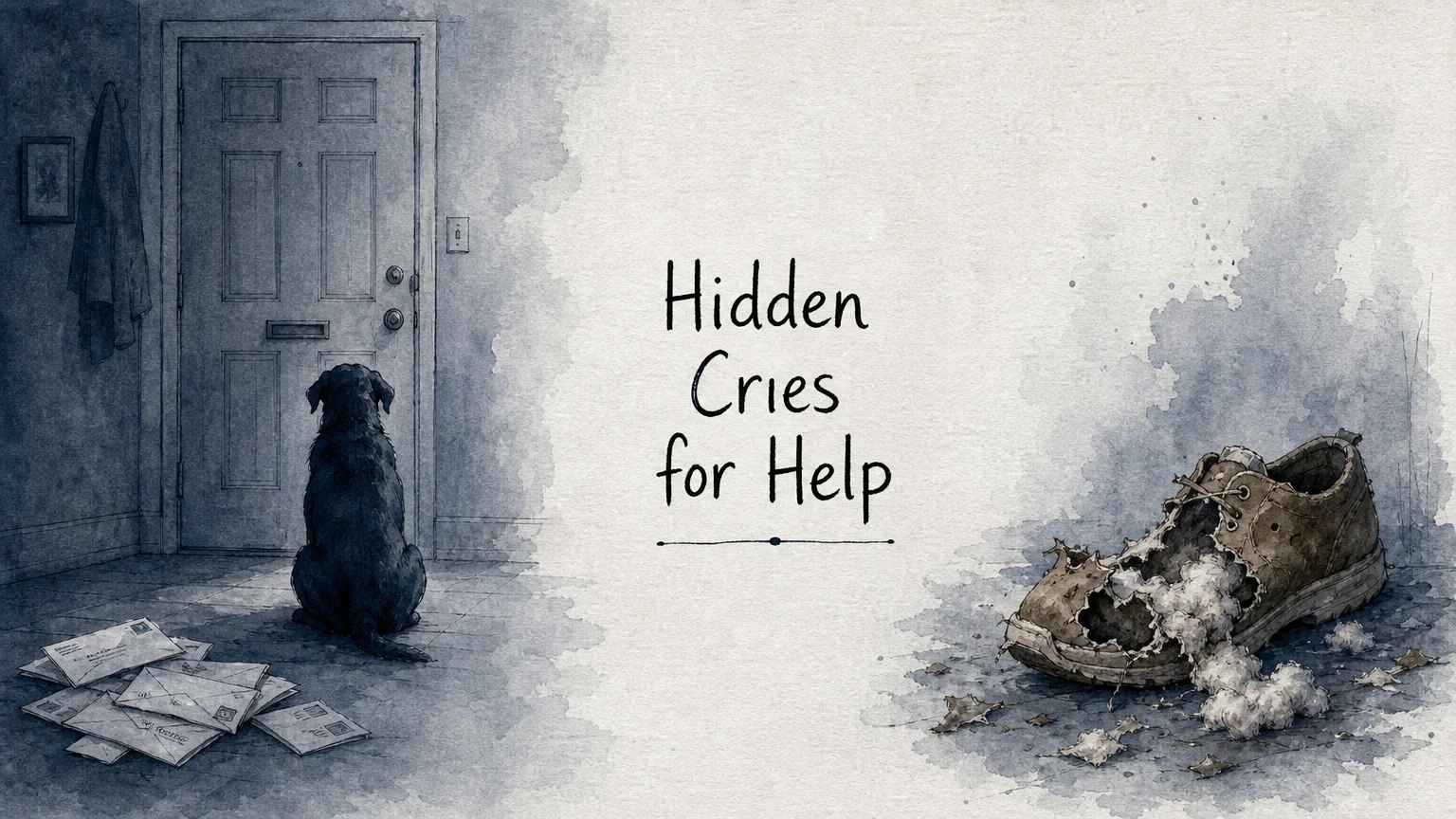
Hidden Cries for Help: Separation and Boredom
Not all habits stem from joy or mild stress. Some behaviors indicate deep psychological distress that requires immediate, compassionate intervention.
Many of these destructive behaviors are symptoms of dog separation anxiety, a common condition that requires patient and structured intervention.
10. Destructive Chewing When Left Alone
Coming home to shredded couch cushions, chewed baseboards, or a destroyed pair of glasses understandably triggers immense frustration. Many owners misinterpret this destruction as spite, believing their pet purposefully destroyed items out of anger for being left behind. In reality, animals do not possess the complex malice required for spiteful destruction.
Research from the ASPCA indicates that destructive chewing when you leave the house is rarely a sign of spite, but rather a manifestation of profound panic or severe separation anxiety. Chewing physically releases stress-relieving endorphins in a dog’s brain. When they feel terrified by isolation, they frantically chew objects that carry your scent—like remote controls, clothing, and pillows—to self-soothe. Punishing a pet for destruction only increases their anxiety about your departure and return. Instead, implement a desensitization protocol, provide robust enrichment toys like frozen food puzzles, and consult a certified trainer to help your pet build confidence when home alone.

How Age and Breed Influence Pet Communication
Understanding your pet’s feelings requires context. A puppy communicates entirely differently than a senior dog, and a highly driven herding breed uses different body language than a low-energy companion breed. As noted by experts at the American College of Veterinary Behaviorists (ACVB), sudden shifts in communication, particularly in older animals, often indicate underlying medical issues rather than simple stubbornness.
As your furry friend reaches their golden years, it’s also important to recognize the changes senior pets often go through to ensure they stay comfortable.
Use the following table to contextualize behaviors based on your pet’s life stage and breed type:
| Life Stage / Type | Typical Communication Style | Actionable Owner Response |
|---|---|---|
| Puppies & Kittens | Mouthy behaviors, hyper-vocalization, frequent zoomies, and poor impulse control. | Provide consistent boundaries using positive reinforcement. Redirect biting to appropriate chew toys instantly. |
| Senior Pets | Increased vocalization at night, pacing, reduced eye contact, or sudden reluctance to be touched. | Schedule a veterinary exam. These habits often reveal chronic pain, hearing loss, or cognitive dysfunction. |
| Herding Breeds (e.g., Collies, Heelers) | Staring intensely, nudging your heels, and pacing around the perimeter of the room. | Acknowledge their need for a “job.” Provide advanced mental enrichment like puzzle toys or scent work to channel their focus. |
| Prey-Driven Cats (e.g., Bengals, Savannahs) | Stalking household members, excessive chirping at windows, and hiding in high vertical spaces. | Install tall cat trees and engage in daily interactive wand-toy play to satisfy their instinctual hunting sequence safely. |
Frequently Asked Questions
Why does my dog sigh heavily before falling asleep?
A heavy sigh accompanied by half-closed eyes and a relaxed body posture indicates deep contentment and the transition into a restful state. It essentially means your dog is powering down for the night. However, if the sigh occurs while your dog sits up and stares at you, it usually signals mild disappointment—for example, realizing that a walk or a bite of your dinner is not going to happen.
Can cats sense when I am feeling sad or anxious?
Yes, cats possess highly attuned observational skills. They detect minute changes in your facial expressions, body language, and tone of voice. Furthermore, humans emit different chemical pheromones when stressed, which a cat’s powerful olfactory system easily picks up. Many cats respond to human sadness by increasing physical proximity, purring louder (which promotes tissue healing and calm), or gently head-bunting you to offer comfort.
Should I comfort my dog when they are shaking from fear?
Absolutely. A pervasive, outdated myth suggests that comforting a fearful dog “reinforces” the fear. Fear is an involuntary emotional response, not a trained behavior. You cannot reinforce an emotion. Providing calm, steady comfort through gentle strokes and a soothing voice helps lower your dog’s heart rate and reassures them that you are a safe, protective anchor in a frightening situation.
How long does it take to change a negative behavioral habit?
The timeline for behavior modification depends entirely on how long the pet has practiced the habit, the animal’s genetics, and your consistency as an owner. Mild issues might resolve in a few weeks of dedicated positive reinforcement training. Deeply ingrained habits, particularly those rooted in trauma or severe anxiety, require months of patient desensitization and counter-conditioning. Always prioritize progress over perfection, and celebrate the small milestones along the way.
For expert pet care guidance, visit
The Humane Society of the United States, Cornell University College of Veterinary Medicine, UC Davis School of Veterinary Medicine, American Animal Hospital Association (AAHA) and Association of Professional Dog Trainers (APDT).
Disclaimer: This article is for informational purposes only and is not a substitute for professional veterinary advice, diagnosis, or treatment. Always consult with a licensed veterinarian for medical concerns about your pet.






Leave a Reply