

When your dog’s pancreas fails to produce enough insulin, their body loses the ability to convert glucose into energy, leading to diabetes mellitus. Without insulin acting as a biological key to unlock cells, sugar accumulates dangerously in the bloodstream while the body effectively starves. Recognizing the early warning signs of insulin deficiency can make a life-saving difference in your dog’s prognosis and comfort. Because canine diabetes closely mirrors human type 1 diabetes, the condition requires prompt veterinary intervention and lifelong management. By understanding these six critical symptoms, you can catch the disease in its earliest stages, secure an accurate diagnosis, and help your dog maintain a happy, active, and high-quality life.
Understanding Canine Insulin Deficiency
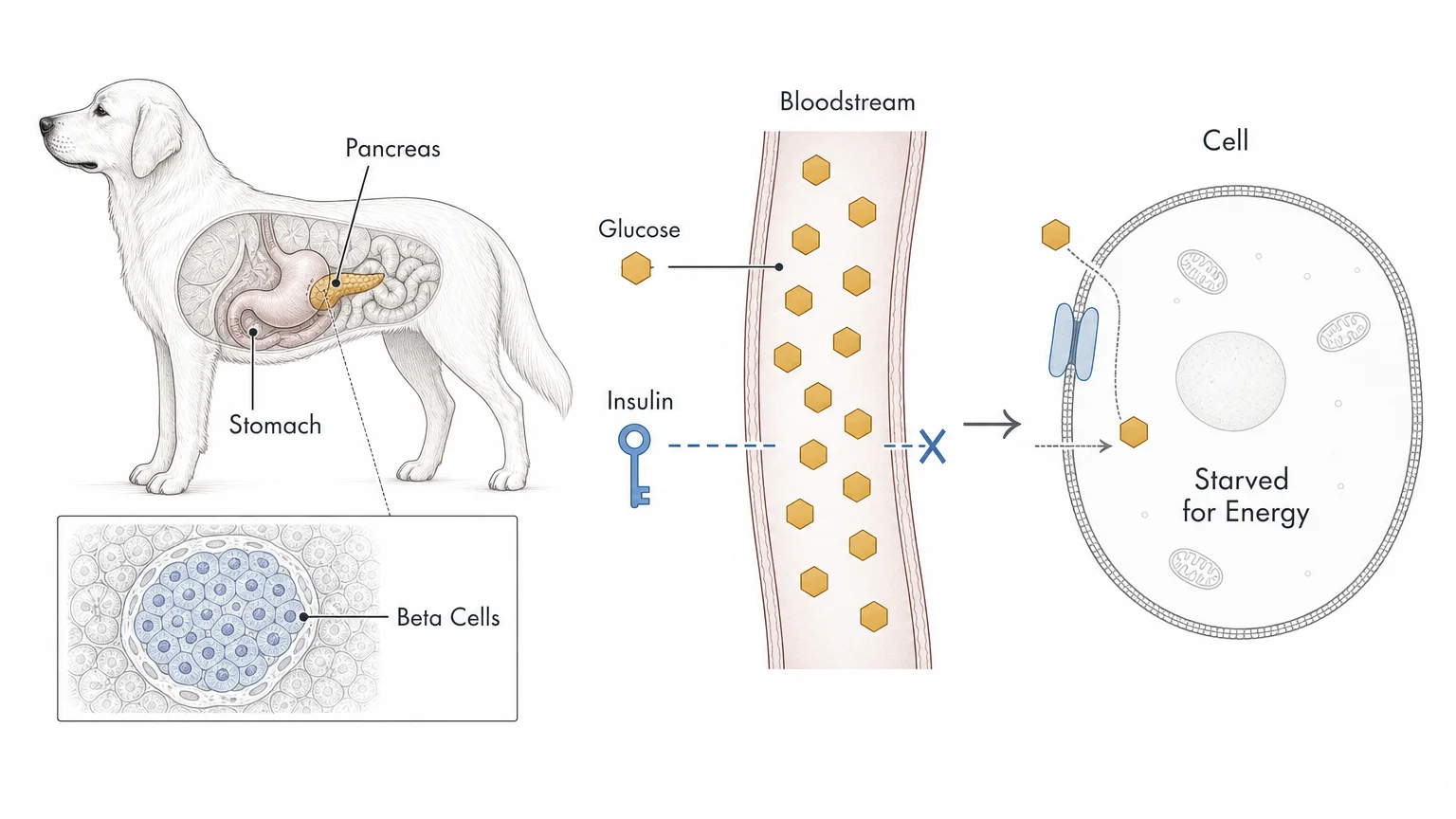
To fully grasp how insulin deficiency affects your dog, you must first look at the role of the pancreas. The pancreas is a vital organ nestled near the stomach, responsible for producing digestive enzymes and essential hormones. Within the pancreas, specialized groups of cells called beta cells manufacture insulin. Every time your dog eats a meal, their digestive system breaks down carbohydrates into glucose, a simple sugar that serves as the primary fuel source for the body’s tissues and organs.
As you monitor your dog’s systemic health, remember to also keep an eye out for other common issues, such as signs your dog needs a dental checkup.
Insulin acts as a cellular gatekeeper. It travels through the bloodstream, attaching to cell receptors and signaling them to open up and absorb glucose. When beta cells are damaged or destroyed—often due to an autoimmune response, chronic pancreatitis, or genetic factors—they stop producing adequate insulin. Without this crucial hormone, glucose remains trapped in the bloodstream. The cells become starved for energy, triggering a cascade of physical symptoms as the body desperately attempts to find alternative fuel sources and flush out the toxic levels of excess sugar.
According to the American Veterinary Medical Association (AVMA), diabetes mellitus is one of the most common endocrine disorders in dogs, primarily affecting them in their middle to senior years. Unlike humans, who frequently develop type 2 diabetes related to lifestyle and diet, dogs almost exclusively suffer from insulin-deficiency diabetes, which is highly comparable to human type 1 diabetes. This means that oral medications designed to stimulate insulin production rarely work for dogs; they require external insulin replacement therapy to survive and thrive.
Symptom 1: Excessive Thirst and Increased Water Consumption
One of the earliest and most profound indicators of insulin deficiency is a condition known medically as polydipsia, or excessive thirst. As glucose builds up in your dog’s bloodstream, the kidneys attempt to filter it out. However, the kidneys have a threshold for how much glucose they can reabsorb. Once blood sugar levels exceed this renal threshold, the excess glucose spills over into the urine.
Paying attention to how pets quietly communicate can help you spot these behavioral shifts before they worsen.
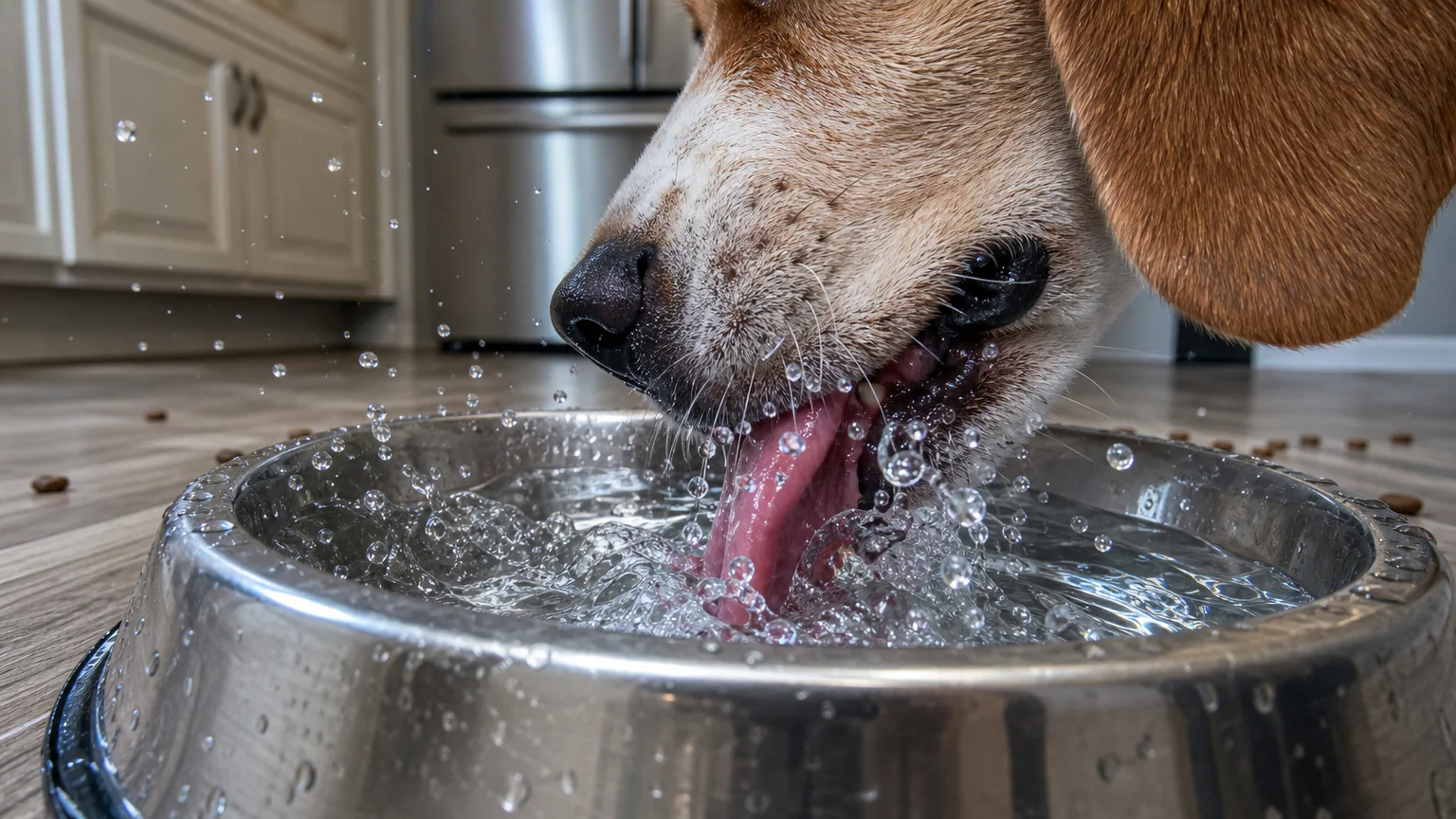
Glucose is an osmotically active substance, meaning it pulls water along with it. As sugar is excreted into the urinary tract, it drags large volumes of fluid out of the body. This rapid fluid loss leaves your dog severely dehydrated, triggering an intense, unquenchable thirst mechanism in the brain. You will likely notice your dog hovering around the water bowl, draining it far faster than normal, or actively seeking out unusual water sources like toilets, puddles, or plant saucers.
If you suspect your dog is drinking too much, you can measure their daily intake. A healthy dog typically consumes about one ounce of water per pound of body weight per day. A dog suffering from insulin deficiency may drink two, three, or even four times this amount. Measuring their water intake for 48 hours provides excellent concrete data to share with your veterinarian.

Symptom 2: Frequent Urination and House Soiling
Directly tied to excessive thirst is polyuria, or increased urination. Because the body is desperately trying to flush out excess blood glucose by pulling fluids into the bladder, your dog will need to urinate much more frequently, and in significantly larger volumes.
This metabolic distress can also cause physical discomfort, making it helpful to watch for other signs your pet is in pain.
For many dog owners, this is the symptom that prompts a veterinary visit. A dog who has been reliably house-trained for years may suddenly start having accidents on the carpet or by the back door. You might find yourself waking up multiple times in the middle of the night to let your dog outside. The urine produced by a diabetic dog is often very dilute due to the high water content, but it may feel sticky to the touch if it dries on the floor, courtesy of the high sugar concentration.
| Behavior | Normal Dog Baseline | Warning Sign of Insulin Deficiency |
|---|---|---|
| Water Consumption | Roughly 1 ounce per pound of body weight daily | Emptying bowls rapidly; drinking from unusual sources like toilets or puddles |
| Urination Frequency | 3 to 5 times per day; can hold it through the night | Urinating every few hours; waking you up at night; large volume output |
| House Training | Reliable; alerts you when they need to go outside | Sudden indoor accidents; inability to hold urine to the door |
Never punish your dog for these accidents. They are experiencing a biological emergency and physically cannot control their bladder capacity under these circumstances. Instead, focus on providing more frequent bathroom breaks and immediately scheduling a diagnostic appointment.

Symptom 3: Unexplained Weight Loss Despite a Ravenous Appetite
The paradox of canine insulin deficiency is that a dog can be starving while surrounded by an abundance of food. Because the glucose trapped in the bloodstream cannot enter the body’s cells, the brain perceives that the dog is starving. This triggers polyphagia, an extreme and ravenous appetite. Your dog may begin begging for food constantly, counter-surfing, or guarding their food bowl aggressively.
Monitoring their weight and food intake is just one of the daily dog care tasks necessary to maintain their health.
Despite this massive intake of calories, you will notice your dog losing weight, sometimes quite rapidly. Since the body cannot use carbohydrates for fuel, it enters a state of catabolism, breaking down its own fat reserves and muscle tissue to survive. This process releases ketones into the bloodstream, which can eventually lead to a highly dangerous condition called diabetic ketoacidosis (DKA) if left untreated.
You can monitor this symptom by performing weekly body condition checks. Run your hands along your dog’s ribcage and spine. If the bones are suddenly prominent and the muscle mass around their hindquarters feels depleted despite a healthy appetite, insulin deficiency is a prime suspect.

Symptom 4: Noticeable Lethargy and Decreased Energy Levels
When cells are deprived of glucose, the entire body suffers from a severe energy crisis. A dog experiencing insulin deficiency will often display profound lethargy. Activities they once loved—playing fetch, going for long walks, or greeting you at the door—may become exhausting chores.
Once diagnosed, learning how to give medication to your pet properly is a vital step in managing their condition.
You might notice your dog sleeping significantly more than usual or struggling to keep up during mild exercise. Their muscles are being broken down for energy, leading to physical weakness. Furthermore, the constant cycle of dehydration and electrolyte imbalance caused by frequent urination takes a heavy toll on their overall stamina.
It is easy to write off lethargy as a normal part of the aging process, especially since diabetes typically strikes older dogs. However, the lethargy associated with insulin deficiency often appears much more suddenly than the slow slowdown of arthritis or senior aging. If your active senior dog suddenly loses their zest for life over a matter of weeks, it requires medical investigation.
Symptom 5: Cloudy Eyes and Vision Changes
One of the most distressing symptoms of canine insulin deficiency is the rapid development of diabetic cataracts. The lenses of the eyes absorb glucose directly from the fluid within the eye. When blood sugar levels are chronically high, excess glucose enters the lens and is converted into a sugar alcohol called sorbitol.
Studying your dog’s body language can provide valuable clues when their sight begins to fail.
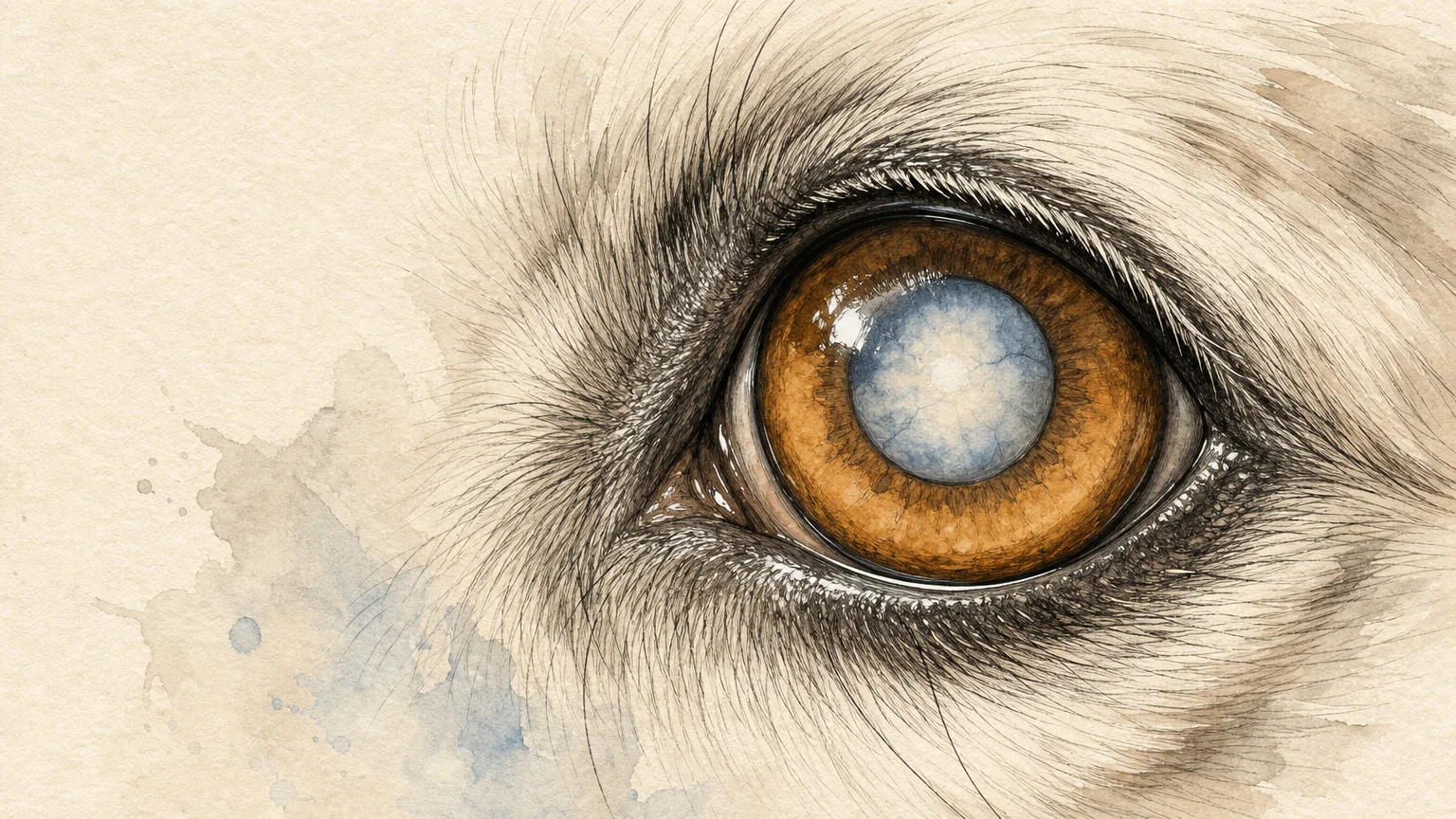
Sorbitol is highly hydrophilic; it pulls massive amounts of water into the lens. This influx of fluid disrupts the delicate, perfectly aligned protein fibers that keep the lens transparent. As the fibers swell and rupture, the lens becomes opaque and cloudy. You will notice a distinct white or bluish-white film developing behind your dog’s pupil.
“A diagnosis of diabetes is not a death sentence for your dog. With committed owners and proper insulin management, diabetic dogs can live out their normal lifespan with excellent quality of life. Consistent routines around feeding, exercise, and medication are vital to your dog’s long-term health.”
Diabetic cataracts can form with terrifying speed—sometimes rendering a dog completely blind within a few weeks of the initial insulin deficiency. You might notice your dog bumping into furniture, hesitating at the top of stairs, or becoming easily startled by sudden movements. While cataracts cannot be reversed with insulin therapy, veterinary ophthalmologists can successfully remove them surgically once the dog’s diabetes is stabilized, restoring their vision.
Symptom 6: Recurring Infections and Slow Healing
Chronically high blood sugar creates a highly immunosuppressive environment in your dog’s body. Insulin deficiency impairs the function of white blood cells, making it incredibly difficult for the immune system to detect and destroy invading pathogens. Additionally, the excess sugar in the tissues provides a perfect food source for bacteria and yeast.
This vulnerability extends to their mouth, as maintaining proper dental health is critical for preventing infections in diabetic dogs.
Urinary tract infections (UTIs) are exceptionally common in diabetic dogs. The sugar-rich urine sitting in the bladder is an ideal breeding ground for bacteria. You may notice your dog straining to urinate, passing bloody urine, or licking their genital area excessively. Because the diabetes masks some of the immune response, these UTIs can be silent, showing few outward signs until they become severe.
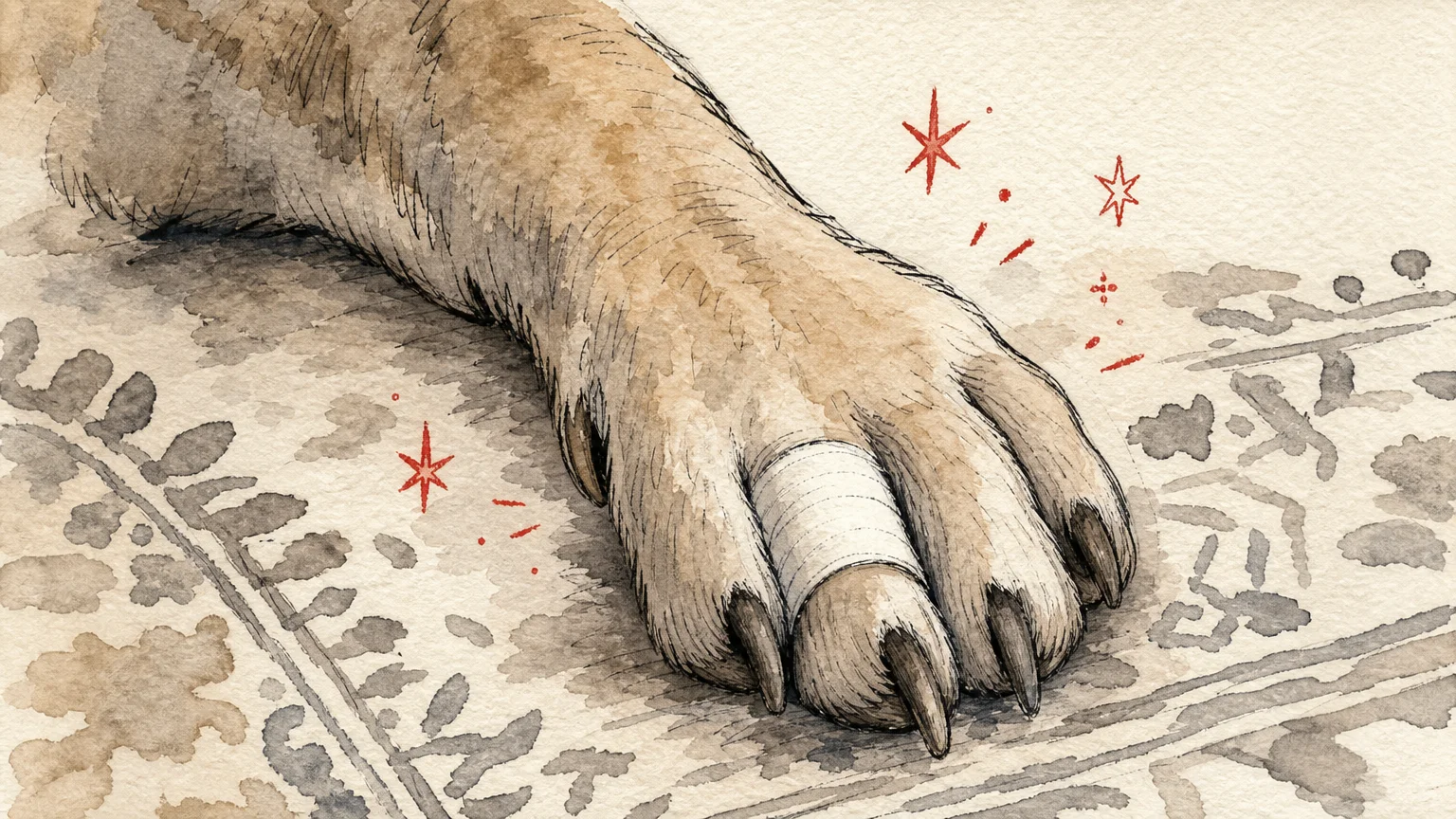
You may also observe skin infections, chronic ear infections, or minor wounds that refuse to heal. A simple scrape from a walk might remain inflamed and open for weeks. Managing these secondary infections requires first addressing the root cause: the lack of insulin and the resulting high blood sugar.
Breed Predispositions and Risk Factors for Canine Diabetes
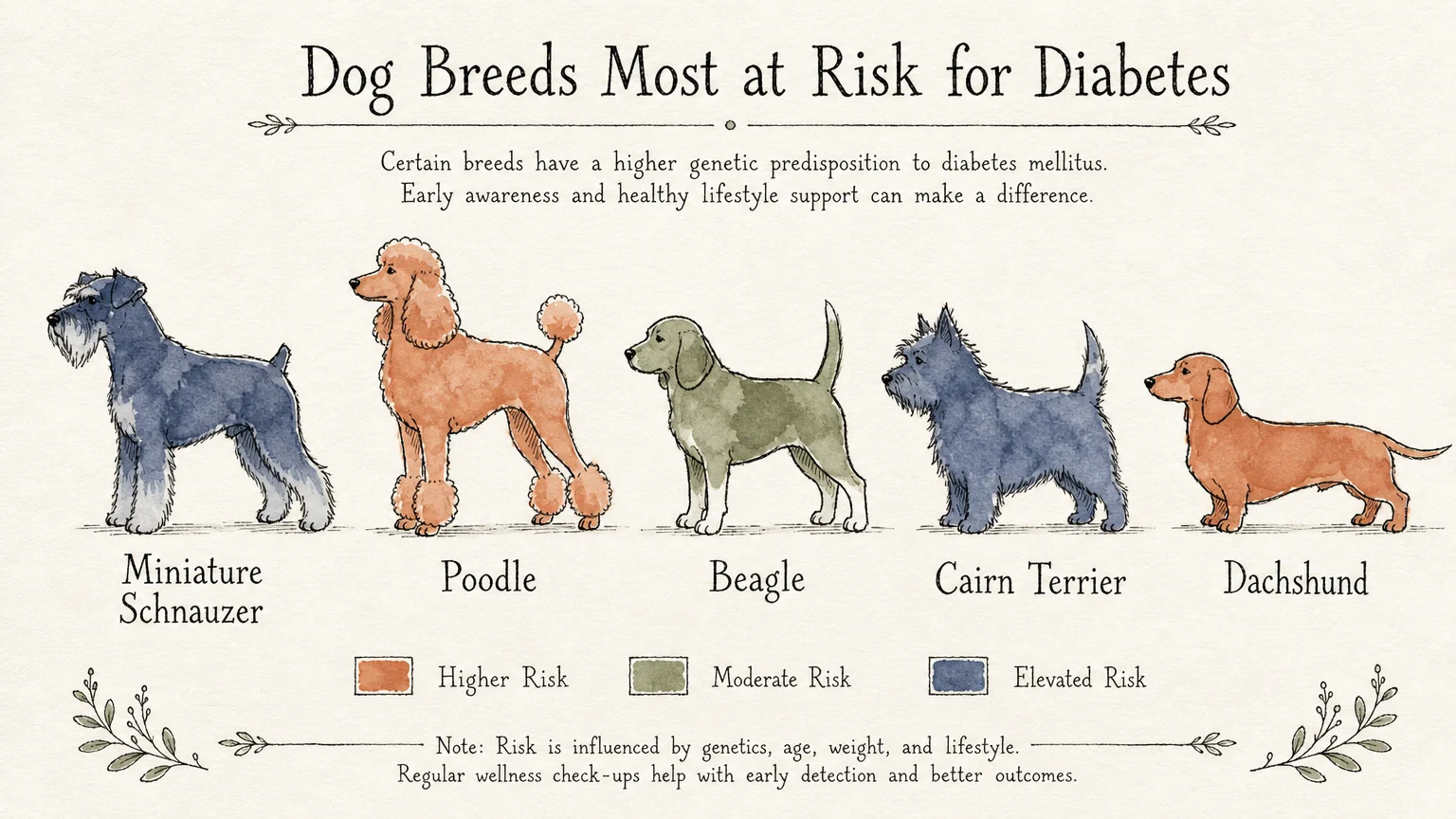
While any dog of any breed, size, or mix can develop insulin deficiency, genetics play a profound role in a dog’s risk level. Middle-aged and senior dogs, typically between seven and ten years old, represent the vast majority of diagnoses.
Data compiled by the American Kennel Club (AKC) shows that certain breeds have a notably higher genetic risk for developing the condition. Breeds with a strong predisposition include:
- Samoyeds and Keeshonds: These fluffy breeds have some of the highest recorded rates of canine diabetes.
- Miniature Schnauzers: Highly prone to both pancreatitis and diabetes, often concurrently.
- Poodles (Toy and Miniature): Frequently diagnosed in their senior years.
- Pugs and Dachshunds: Their risk is often compounded by a tendency toward obesity.
Beyond breed, biological sex and reproductive status heavily influence insulin resistance. Unspayed female dogs are at a dramatically higher risk. Following a heat cycle, the female body produces high levels of progesterone, a hormone that naturally causes insulin resistance. If an unspayed female is diagnosed with diabetes, spaying her immediately is a mandatory part of the treatment plan, as it is impossible to regulate blood sugar levels while her hormones are fluctuating.
Veterinary Diagnosis and Next Steps for Your Dog
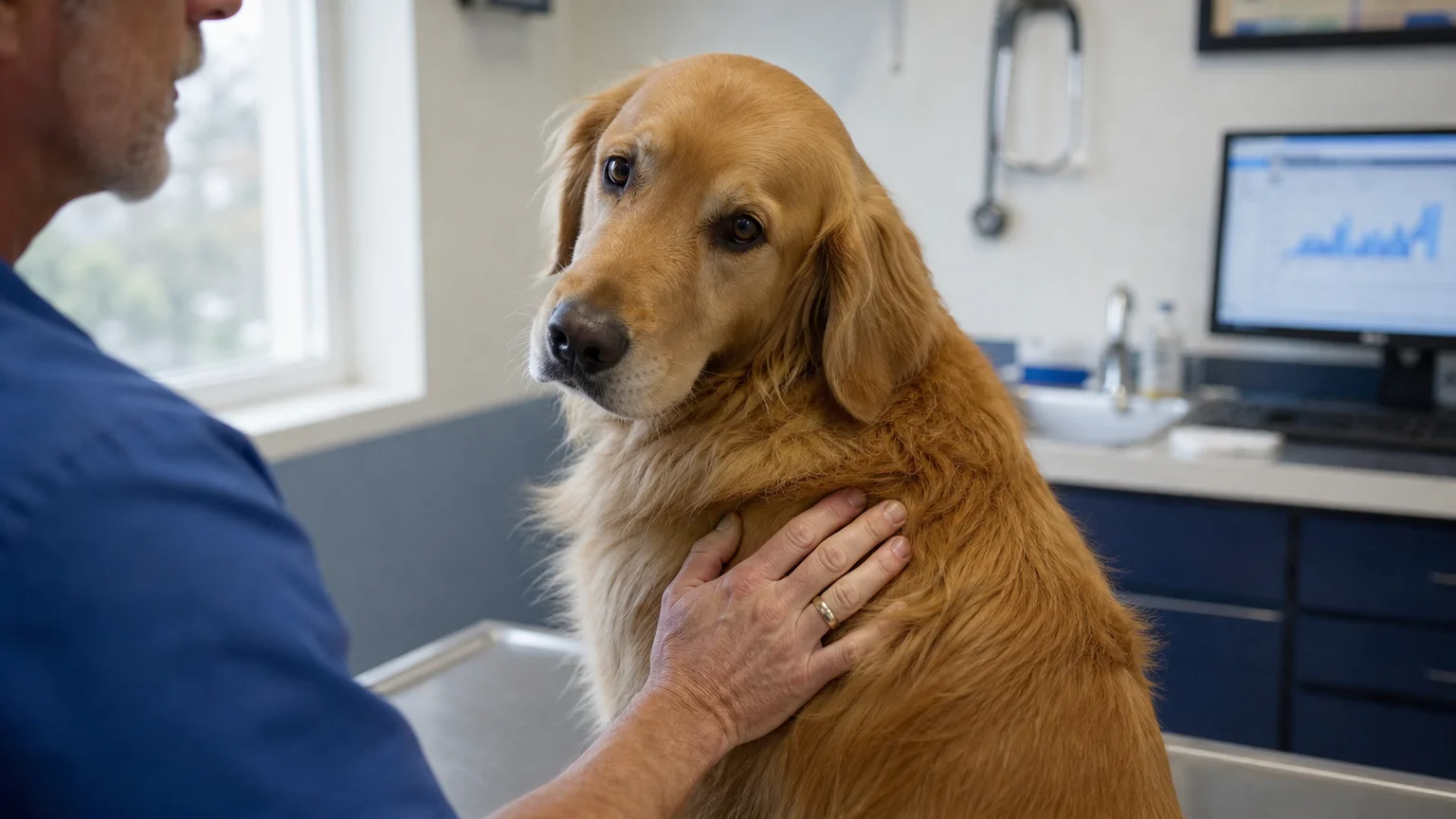
If you recognize a combination of excessive thirst, frequent urination, and unexplained weight loss, book a veterinary appointment immediately. Diagnosing insulin deficiency is a straightforward process, but acting quickly prevents the condition from escalating into life-threatening diabetic ketoacidosis.
Your veterinarian will begin with a comprehensive physical exam and ask for a detailed history of your dog’s symptoms at home. The definitive diagnosis relies on two primary tests:
- Fasting Blood Panel: This test checks the concentration of glucose in the bloodstream. While stress from a vet visit can cause a mild, temporary spike in blood sugar, incredibly high sustained numbers clearly indicate diabetes. The blood panel also checks liver and kidney function to ensure no other organs are failing.
- Urinalysis: Healthy dogs have zero glucose in their urine. The presence of glucose, along with ketones and potential bacteria from a UTI, confirms that the kidneys are overwhelmed by systemic high blood sugar.
In some cases, your vet may also recommend a fructosamine test. This specialized blood test measures glycated proteins, providing a reliable average of your dog’s blood sugar levels over the past two to three weeks. It helps rule out temporary stress-induced glucose spikes and gives a clear picture of chronic insulin deficiency.
Daily Management Strategies for Diabetic Dogs
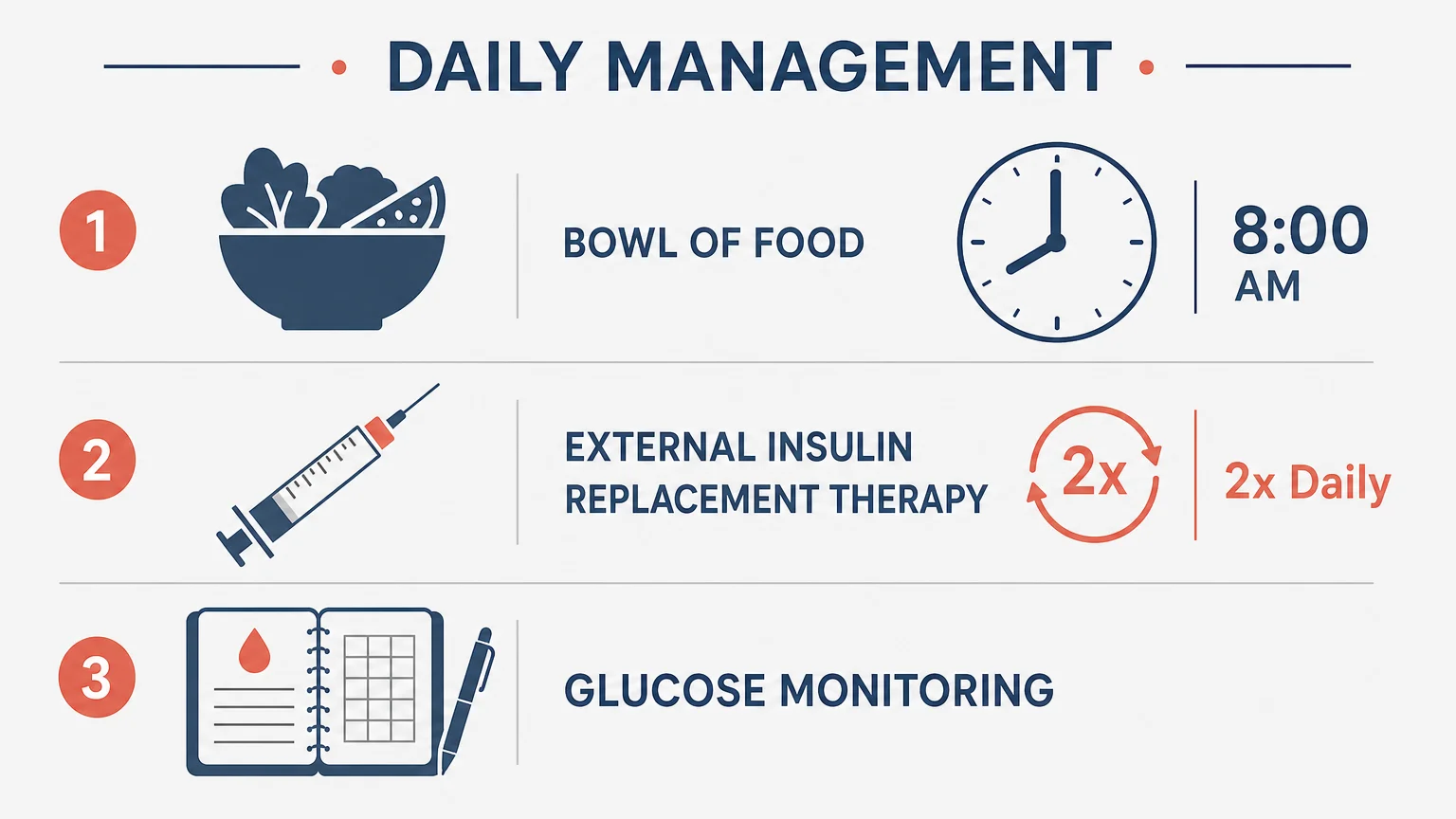
Receiving a diabetes diagnosis can feel overwhelming, but managing canine insulin deficiency quickly becomes a highly manageable daily routine. When establishing a treatment plan, the American Animal Hospital Association (AAHA) recommends a multimodal approach encompassing twice-daily insulin injections, dietary modification, and strict routine consistency.
Once your vet prescribes a treatment plan, understanding the best ways to administer medication to your dog will make the daily routine much easier for both of you.
Insulin Injections:
Dogs require daily insulin injections, usually administered every 12 hours under the skin (subcutaneously). The needles used for this are incredibly thin—much smaller than vaccination needles—and most dogs barely feel them. To create a positive association, always pair the injection with a high-value, diabetic-friendly treat. Over time, your dog will likely come running when they hear the insulin vial being prepared.
Dietary Management:
Nutrition plays a massive role in blood sugar regulation. Diabetic dogs thrive on diets high in complex carbohydrates and fiber, which slow down digestion and prevent massive glucose spikes after meals. Your veterinarian will likely recommend a prescription diabetic diet or a carefully formulated commercial food. The key is consistency: feed your dog the exact same amount of food at the exact same times every day, immediately followed by their insulin injection.
Exercise Routine:
Exercise helps lower blood sugar naturally by moving glucose into the muscles. However, sudden, intense spikes in exercise can cause blood sugar to drop dangerously low (hypoglycemia). Maintain a steady, predictable exercise routine—like a reliable 30-minute walk every morning and evening—rather than sporadic weekend hiking marathons.
Budget Considerations:
Managing diabetes requires a financial commitment for insulin, syringes, and monitoring supplies. If veterinary-branded insulin (like Vetsulin or ProZinc) strains your budget, speak to your veterinarian. Many dogs can be successfully regulated on NPH insulin (like Novolin-N), which can be purchased much more affordably at human pharmacies. Never switch insulins or adjust dosages without explicit veterinary approval, as human and veterinary insulins require entirely different types of syringes (U-100 vs. U-40) to dose safely.
Frequently Asked Questions
Can insulin deficiency in dogs be cured?
No, there is currently no cure for canine diabetes. Because a dog’s pancreas has suffered permanent damage to its insulin-producing beta cells, they will require lifelong management. However, with consistent insulin therapy, a proper diet, and a dedicated owner, a diabetic dog can live a full, happy life with a normal life expectancy.
What happens if I give my dog too much insulin?
Administering too much insulin causes hypoglycemia, a dangerous drop in blood sugar. Symptoms include weakness, stumbling, muscle twitching, glassy eyes, and eventually seizures or coma. If your dog exhibits these signs, immediately rub Karo syrup or honey on their gums to rapidly absorb sugar into their bloodstream, and rush them to an emergency veterinarian.
Do I need to check my dog’s blood sugar at home every day?
While human diabetics check their blood sugar multiple times a day, dogs generally do not require daily at-home pricking unless recommended by your vet. Instead, monitoring is usually done by tracking their thirst, urination, and appetite, alongside periodic blood glucose curves performed at the veterinary clinic or at home using a continuous glucose monitor like the Freestyle Libre.
Can I manage my dog’s diabetes with diet alone instead of shots?
Unlike some cats or humans with type 2 diabetes who can achieve remission through strict dietary changes, dogs almost universally suffer from type 1 insulin deficiency. Diet is a critical component of keeping their blood sugar stable, but it cannot replace the physical lack of insulin. Injections are absolutely necessary for survival.
For expert pet care guidance, visit
Rover — Pet Care Blog, Preventive Vet, American Veterinary Medical Association (AVMA) and American Kennel Club (AKC).
Disclaimer: This article is for informational purposes only and is not a substitute for professional veterinary advice, diagnosis, or treatment. Always consult with a licensed veterinarian for medical concerns about your pet.









Leave a Reply