🐶🐱 Everyday With Pets.com
  • Dog Care
  • Cat Care
  • Pet Health
  • Lifestyle & Fun
  • Training & Behavior
  • Product Reviews

If Your Cat Headbutts You, This Is What It Really Means

June 16, 2026 · Training & Behavior

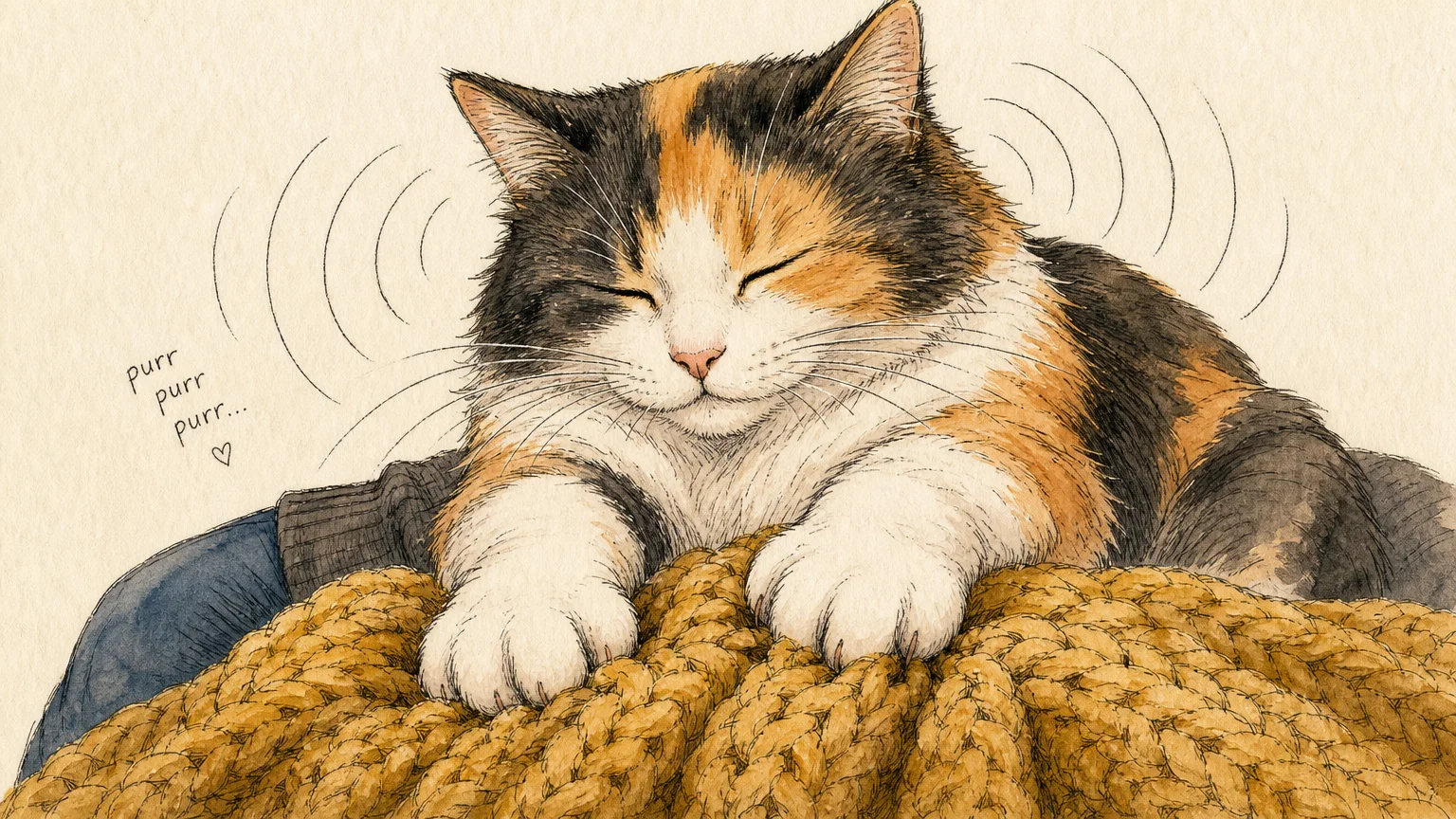
An ink and watercolor illustration of a cat's paws kneading a soft, yellow knit blanket on its owner's lap.
A happy calico cat purrs and kneads a cozy knitted blanket to show its ultimate affection.

Other Fascinating Ways Cats Show Affection

If your cat isn’t a headbutter, they are undoubtedly communicating their love to you in other, equally meaningful ways. Feline body language is rich and varied. As outlined by animal welfare organizations like The Humane Society of the United States, recognizing these subtle signs allows you to appreciate the full spectrum of your pet’s emotional life.

Paying attention to these visual cues will ultimately help you recognize the key signs your cat is happy and healthy in their home.

Often, physical affection also includes mutual licking, which is why understanding your cat’s grooming behavior is key to recognizing how they bond with you.

Many of these subtle physical movements are prime examples of how pets quietly communicate their emotional states to their human companions.

Recognizing these diverse forms of communication is key to identifying the signs your cat is happy and content in your home.

Below is a guide to some of the most common ways cats show they care, beyond the classic bunt:

Behavior Physical Description Emotional Meaning Best Owner Response
The Slow Blink Your cat looks at you and very deliberately closes and opens their eyes. Often called a “kitty kiss,” this indicates extreme relaxation and absolute trust in your presence. Slowly blink back at them to mirror their affection and reinforce the calm environment.
Kneading (Making Biscuits) Rhythmic pushing of the front paws against a soft surface—or your stomach. A regression to kittenhood nursing behaviors, signaling deep comfort, happiness, and safety. Praise them softly; if their claws are sharp, place a thick blanket between their paws and your skin.
Tail Quivering The cat approaches you with their tail held straight up, rapidly vibrating the tip. Intense excitement and joy at seeing you. Often seen when you return home from work. Offer immediate verbal praise and initiate a gentle play or petting session.
Exposing the Belly Rolling onto their back and splaying their legs to expose their vital organs. The ultimate display of vulnerability and trust. They know you will not attack their weakest point. Admire from afar. For most cats, the belly is a trap; touching it may trigger a defensive bite.
Following You Trailing quietly behind you as you move from room to room throughout the house. A desire for companionship and inclusion. They want to be involved in your daily routine. Acknowledge their presence verbally, perhaps tossing a toy to engage their curiosity.

Frequently Asked Questions

Does headbutting hurt the cat?

No, normal bunting does not hurt your cat. Feline skulls are remarkably thick, and the impact of a friendly headbutt is easily absorbed without causing any pain or concussive damage. If your cat bunts you with enough force to genuinely bruise your skin or chip a tooth, it is merely a sign of over-exuberance, not self-harm.

Why does my cat headbutt objects instead of me?

Cats are territorial creatures that thrive on a consistent environmental scent. When your cat aggressively rubs their face against the corner of a coffee table, a doorway, or a cardboard box, they are refreshing their scent markers. This creates an invisible perimeter of familiarity that helps them feel secure in their own home.

Do big cats like lions and tigers headbutt?

Yes, the instinct to bunt spans the entire feline family tree. If you observe a pride of lions interacting in the wild, you will frequently see them forcefully bumping heads and rubbing cheeks. Just like domestic house cats, these apex predators use facial pheromones to reinforce social bonds and establish a unified colony scent among their family members.

Should I headbutt my cat back?

You can certainly return the gesture, provided you do so gently and gauge their reaction. Slowly lowering your forehead to meet theirs can be a wonderful bonding experience. However, always let the cat initiate the contact, and if they pull away or flatten their ears, immediately retreat to respect their personal space.

For expert pet care guidance, visit
American Veterinary Medical Association (AVMA), American Kennel Club (AKC), Cat Fanciers’ Association (CFA), ASPCA and The Humane Society of the United States.

Disclaimer: This article is for informational purposes only and is not a substitute for professional veterinary advice, diagnosis, or treatment. Always consult with a licensed veterinarian for medical concerns about your pet.


Pages: 1 2 3 4 5 6 7

Share this article

Facebook Twitter Pinterest LinkedIn Email

Leave a Reply Cancel reply

Your email address will not be published. Required fields are marked *

Search

Latest Posts

  • Risograph illustration of a modern dog sitting in a living room, casting a shadow of its ancestor retrieving a duck. 10 Dog Breeds and What They Were Originally Bred To Do
  • A veterinarian sitting on her living room floor, sharing a warm, gentle moment with her wire-haired terrier dog in soft morning light. 10 Things I Would Never Do As a Veterinarian With My Dog
  • A German Shepherd search and rescue dog stands alert on a mossy log in a misty forest while its handler walks in the background. 10 Best Search and Rescue Dog Breeds
  • A retired man reading a book in a cozy armchair while his senior dog rests its head on his knee in a sunlit living room. 8 Reasons More Retirees Are Adopting Older Dogs
  • A close-up photograph of a tabby cat headbutting a woman's cheek in a warm, sunlit living room. If Your Cat Headbutts You, This Is What It Really Means
  • A ginger cat leans its head against a person's hand on a wooden table in a sunlit, cozy living room. 10 Pet Habits That Reveal Hidden Feelings
  • Close-up macro photograph of a vibrant Panther Chameleon with turquoise and red scales on a mossy branch. 10 Most Beautiful Color Changing Animals
  • A senior yellow Labrador Retriever resting on a rug in a sunlit room, looking slightly tired, captured in a candid home setting. 6 Symptoms of Insulin Deficiency in Dogs
  • A senior dog rests its head on a woman's knee in a sun-drenched room, symbolizing a deep, secure bond. 9 Behaviors That Reveal Strong Pet-Owner Bonds
  • A dog and a cat sitting together in a sunlit living room, subtly communicating through body language and proximity. 10 Ways Pets Quietly Communicate with Owners

Newsletter

Get the latest posts delivered to your inbox.

Related Articles

8 Best Pets for Seniors Living Alone

8 Best Pets for Seniors Living Alone

Discover the 8 best pets for seniors living alone. Explore expert behavior advice, low-maintenance care…

Read More →
Cat Behavior Problems: When to Call a Behaviorist - comprehensive guide

Cat Behavior Problems: When to Call a Behaviorist

Learn when to call a cat behaviorist for common problems like litter box issues, aggression,…

Read More →
10 Essential Commands Every Dog Should Know - comprehensive guide

10 Essential Commands Every Dog Should Know

Learn 10 essential commands every dog should know using positive reinforcement, enhancing safety, communication, and…

Read More →
Clicker Training 101: Getting Started the Right Way - comprehensive guide

Clicker Training 101: Getting Started the Right Way

Learn clicker training for your pet with this comprehensive guide, covering setup, techniques, troubleshooting, and…

Read More →
How to Train Your Cat to Use a Scratching Post - comprehensive guide

How to Train Your Cat to Use a Scratching Post

Learn how to train your cat to use a scratching post with positive reinforcement, proper…

Read More →
12 Signs Your Dog Needs Professional Training Help - comprehensive guide

12 Signs Your Dog Needs Professional Training Help

Learn 12 crucial signs your dog needs professional training help, from aggression to anxiety, and…

Read More →
15 Fun Tricks to Teach Your Dog - comprehensive guide

15 Fun Tricks to Teach Your Dog

Discover 15 fun tricks to teach your dog using positive reinforcement, building confidence and strengthening…

Read More →
8 Common Training Mistakes and How to Avoid Them - comprehensive guide

8 Common Training Mistakes and How to Avoid Them

Learn 8 common training mistakes pet owners make and discover actionable, science-backed solutions to improve…

Read More →
How to Train Multiple Dogs at Once - comprehensive guide

How to Train Multiple Dogs at Once

Learn how to train multiple dogs at once with science-backed, positive reinforcement methods for a…

Read More →
🐶🐱 Everyday With Pets.com

Making Pet Care Simple, Every Day

Inedit Agency S.R.L.
Bucharest, Romania

contact@everydaywithpets.com

Trust & Legal

  • Home
  • About Us
  • Contact Us
  • Editorial Policy
  • Privacy Policy
  • Terms and Conditions
  • Subscribe
  • Unsubscribe
  • Request to Know
  • Request to Delete
  • CA Private Policy

Categories

  • Cat Care
  • Dog Care
  • Lifestyle & Fun
  • Pet Health
  • Product Reviews
  • Training & Behavior

© 2026 🐶🐱 Everyday With Pets.com. All rights reserved.