
Understanding What Makes a Dog Breed Calm
When you picture a calm dog, you likely imagine a quiet, gentle companion resting at your feet while you work or read. This relaxed demeanor rarely happens by accident; it is usually the result of centuries of selective breeding.
Historically, dogs were bred to perform specific jobs. Herding and sporting dogs required boundless energy and sharp vigilance to work all day in the fields. Conversely, companion dogs, certain draft animals, and specialized hounds were bred for patience, steady nerves, and low arousal levels.
According to the American Kennel Club (AKC), a dog’s natural temperament is heavily influenced by their ancestral purpose. For instance, a giant breed designed to pull heavy carts through the snow needed a grounded, unflappable personality, not a high-strung, reactive one. Similarly, small breeds developed solely to sit on the laps of royalty possess a genetic predisposition to enjoy extended periods of rest.
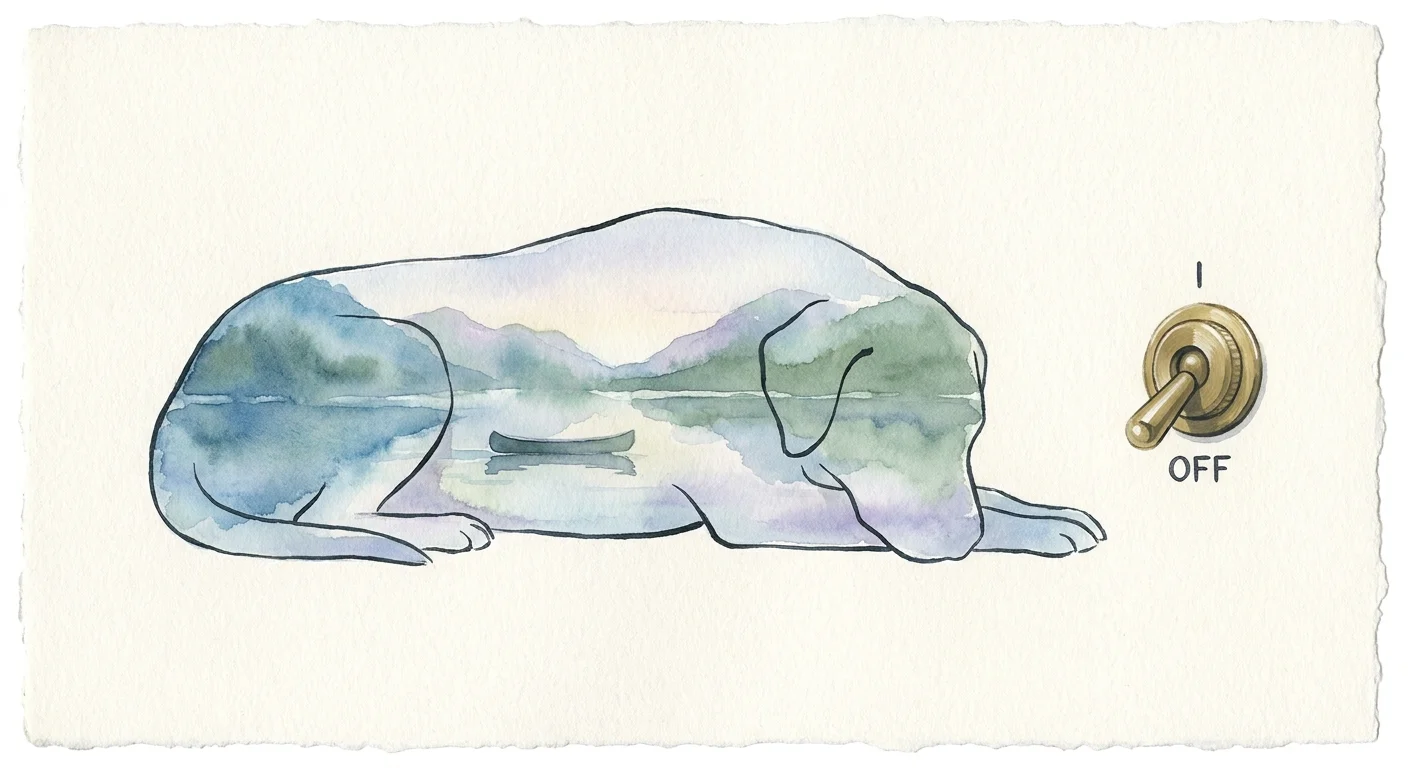
It is critical to distinguish between a calm personality and a lack of physical needs. A calm dog still requires daily exercise, mental stimulation, and affection to remain healthy and happy. The primary difference lies in their “off switch.” Breeds known for calm personalities transition effortlessly from activity to rest; they do not typically pace, demand constant entertainment, or exhibit hyperactive behaviors when indoors.
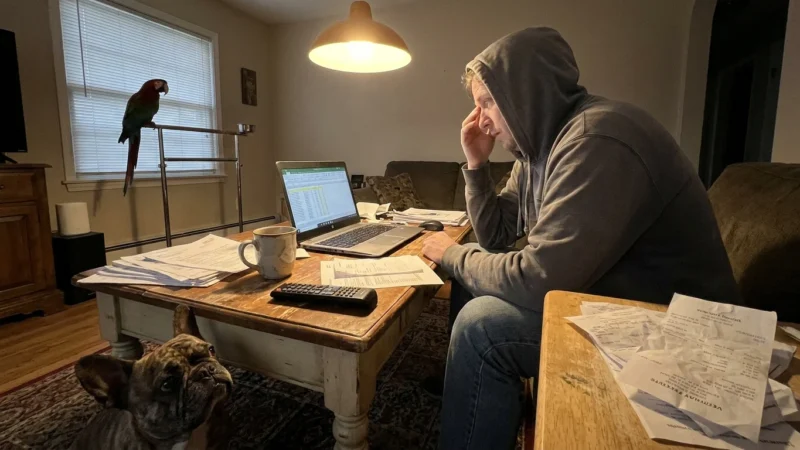
All this talk about “mental stimulation” is B. S. To me. I have a Llewellin Setter and I have done puzzle games, training, kongs, hide and seek, etc, etc…. along with fetch and walks..he is still hyper. At 7 pm to 10 pm he is on 10 and I cannot get him calm. I’m tired of buying all these enrichment games cause he needs “mental stimulation”. It is a scam
I get it, but it depends on the breeds needs too. Setters are bred to run in fields and uneven terrain- maybe a sporting competition or other exercise or running program, if he’s healthy enough (as cleared by a vet). Get more suggestions by the vet team and if he’s too much on overdrive, ask about other suggestions for calming him down. Best of luck!
I’ve never heard of that breed before so I’m not familiar with their activity level. Apparently that breed is supposed to be calm? I guess this one is an Exceptional One. Could sound like one of mine, LOL !!! Sorry I have no advice but Good Luck.
Hey Bill! I feel your pain. I have a dog I rescued who’s more needy with medical stuff then with what you’re going through but I have had many dogs who exhaust me so much especially as I’m getting older. I asked myself WTF am I doing? I can say that so many dogs get no attention at all great kudos for your efforts to try to give your dog a good life. I think they’re like kids. Everyone is different. Good luck with your pup. Hope you get some sleep tonight.😊